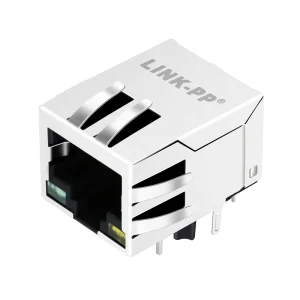
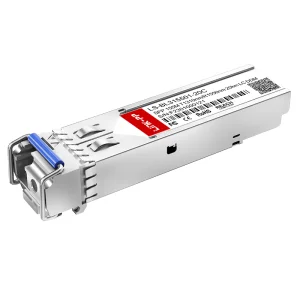
Designed to power next-generation network infrastructures in the Los Angeles metro area and global datacenters, these high-speed optical transceivers and ruggedized connectors meet stringent telecom criteria.
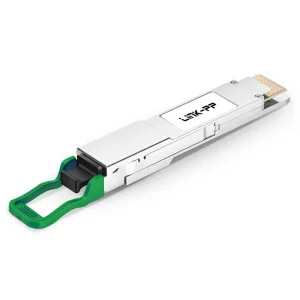
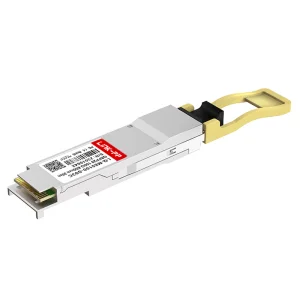
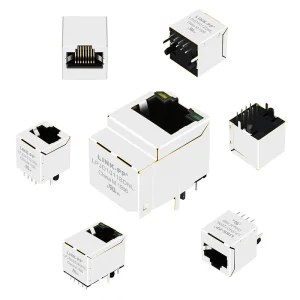
As the largest metropolitan gateway on the US West Coast and a crucial transit hub for trans-Pacific submarine cable landing stations, Southern California demands robust telecom hardware systems. The Greater Los Angeles area, hosting major data center clusters around downtown (like One Wilshire) and El Segundo, serves as a high-density zone where data throughput must scale continuously without structural failures. The demand for Small Form-Factor Pluggable (SFP) Cages, stackable connectors, and high-speed transceivers is driven by regional system integrators, media-rendering nodes, and aerospace telecom systems.
To supply this massive market, importers, and distributors in Los Angeles rely on a robust combination of local technical expertise and highly optimized international supply chains. With local demands shifting toward 400G and 800G optical architectures, SFP cages must provide superior electromagnetic interference (EMI) suppression and thermal dissipation to prevent signal degradation. Choosing the right SFP cage factory involves balancing localized commercial warehousing, engineering design support, and direct-from-factory production scales.
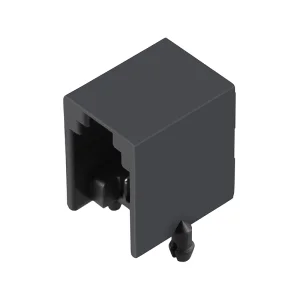
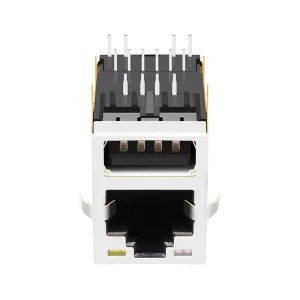
SFP cages are critical mechanical components designed to house optical modules inside networking devices such as switches, routers, and network interface cards (NICs). Their physical design dictates structural integrity, EMI shielding effectiveness, and thermal performance.
Cages must utilize copper alloy constructions with nickel or tin plating. Integrated EMI spring fingers and elastomeric gaskets seal chassis openings, preventing electromagnetic leaks at high frequencies (up to 56 Gbps PAM4 per channel).
Integrated heat sinks (riding pin, clip-on, or custom fin styles) absorb heat directly from the hot optical transceiver and exhaust it into the system airflow, maintaining optimal laser junction temperatures.
Ensures solderless, highly reliable mechanical connections directly to host PCBs, eliminating thermal stresses related to wave-soldering processes and facilitating easier field maintenance.
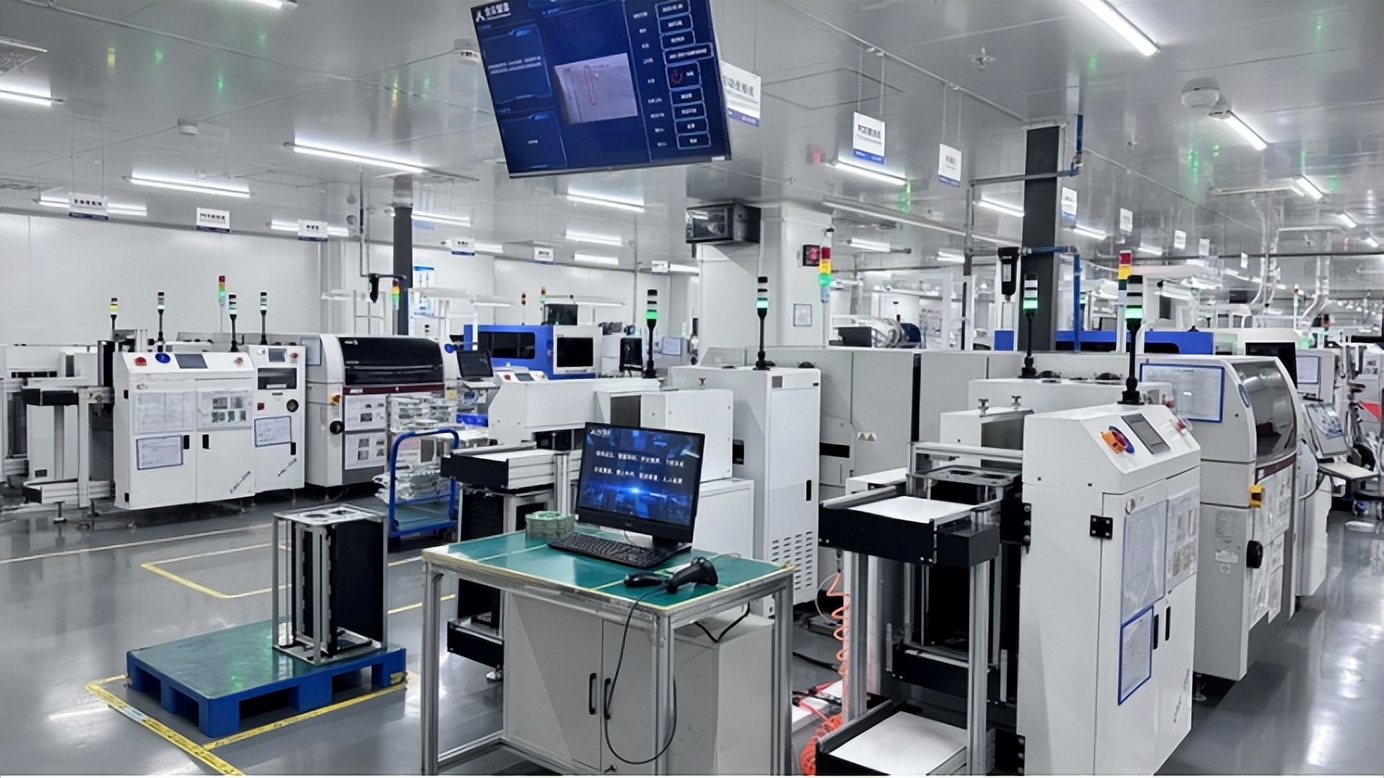
Transolix bridges the gap between high-speed optical module engineering and automated mechanical connector production, offering deep technical customizability and proven manufacturing scale.
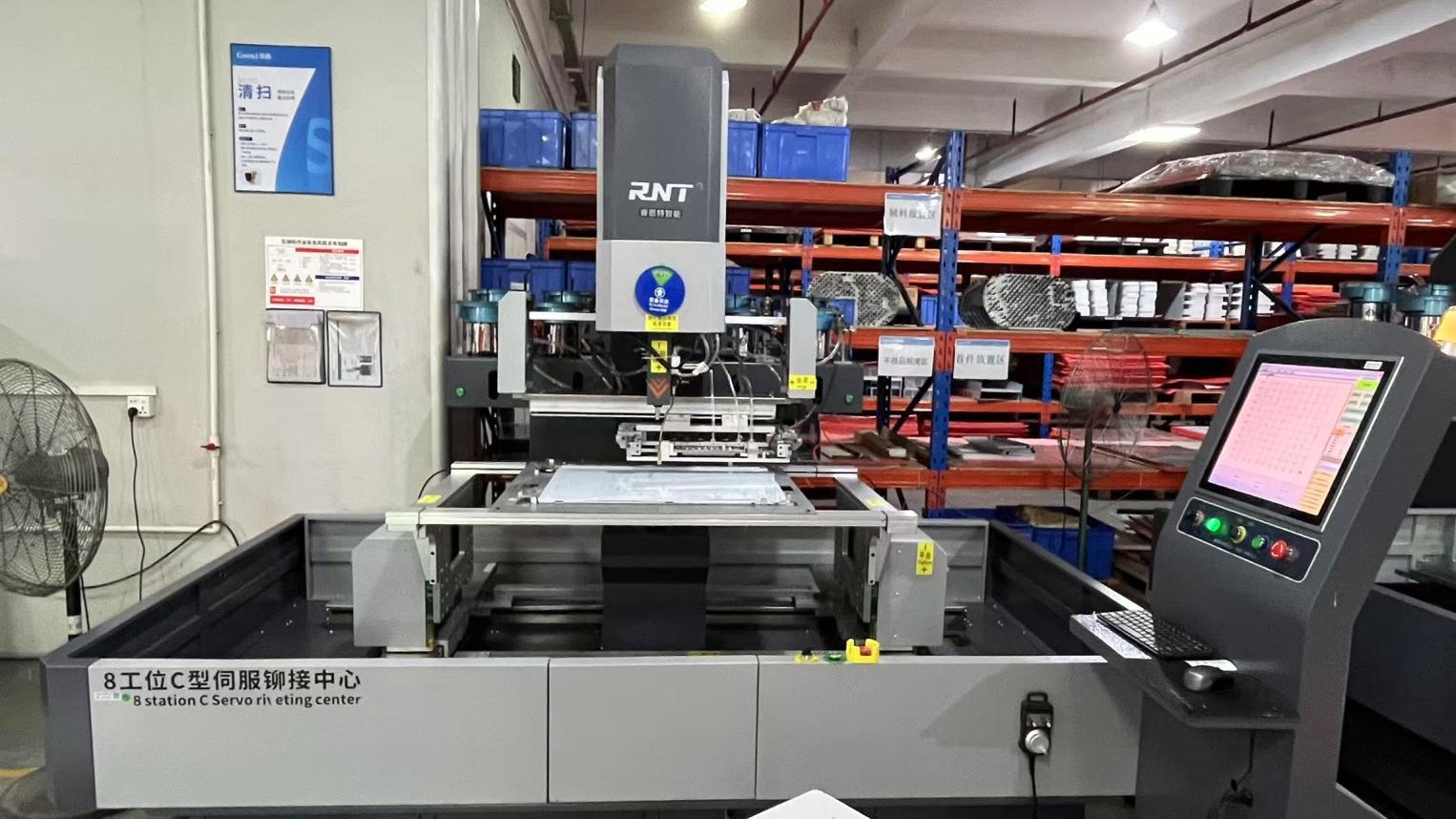
Established in 2016, Transolix specializes in structural and transmission solutions for global operators. Spanning dedicated assembly labs and precision engineering centers, Transolix integrates design verification, mechanical stamping, and high-frequency signaling testing. Our dedicated team of 128 R&D engineers focuses on the integrity of ultra-high-speed transceivers and modular SFP/QSFP structures to ensure complete backward compatibility and flawless system execution.
By using ISO 9001 quality inspection standards and employing 42 specialized QA professionals, Transolix ensures that every batch of SFP cages and optical modules meets specifications for signal loss and EMI. Our automated testing includes high-speed eye diagram analysis, insertion/extraction lifetime tests, and harsh-environment thermal chamber cycles, matching the expectations of Los Angeles enterprises and international hyperscale data centers.
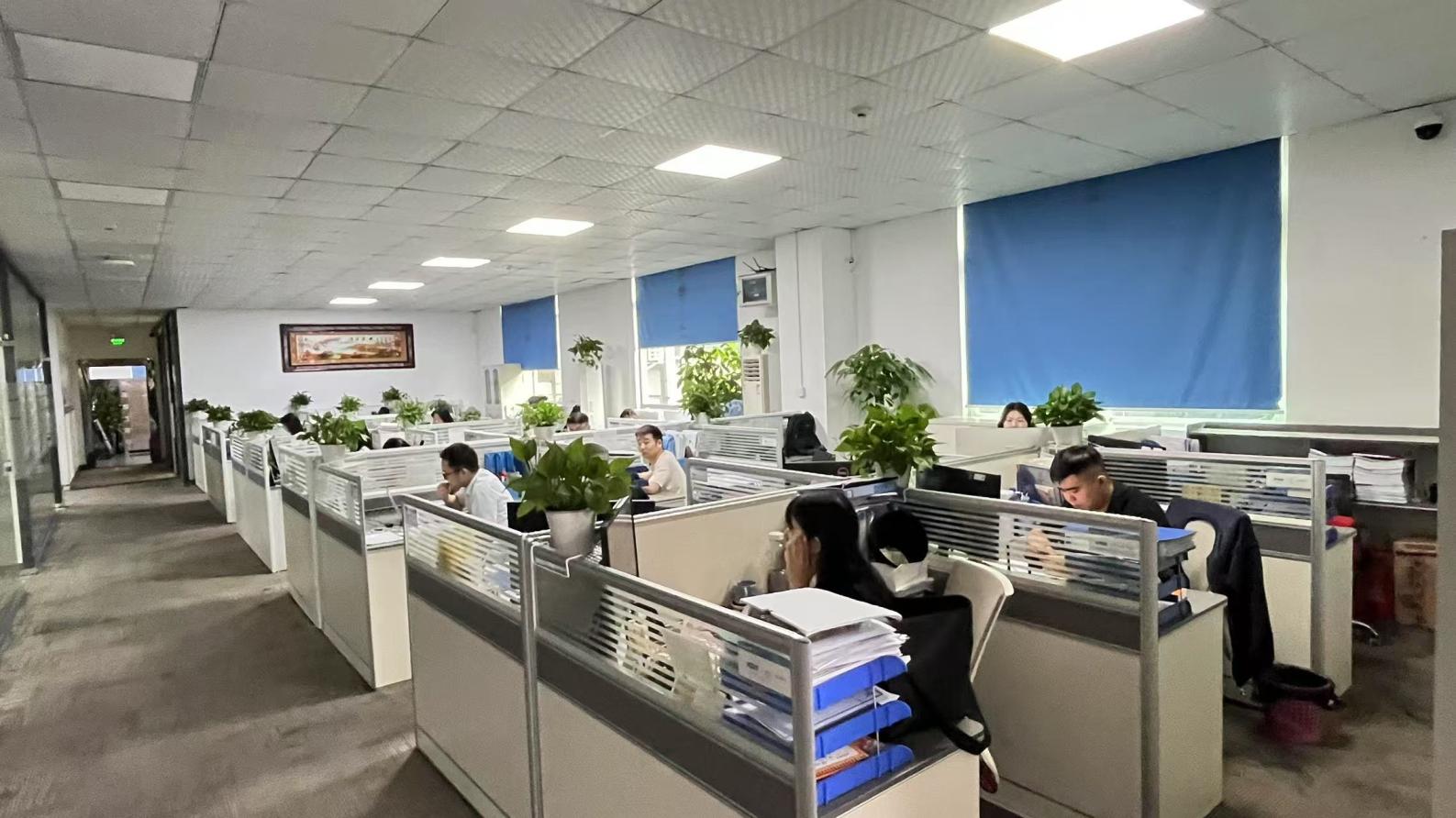
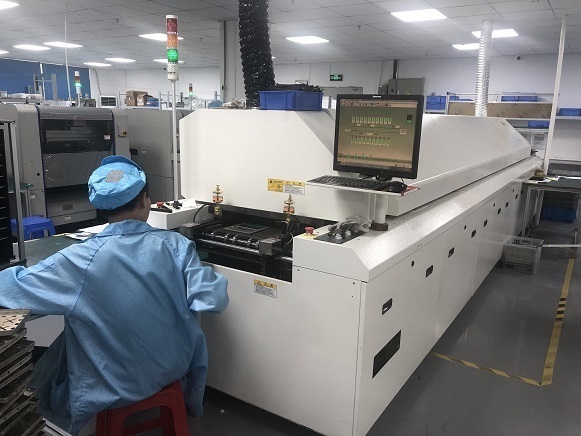

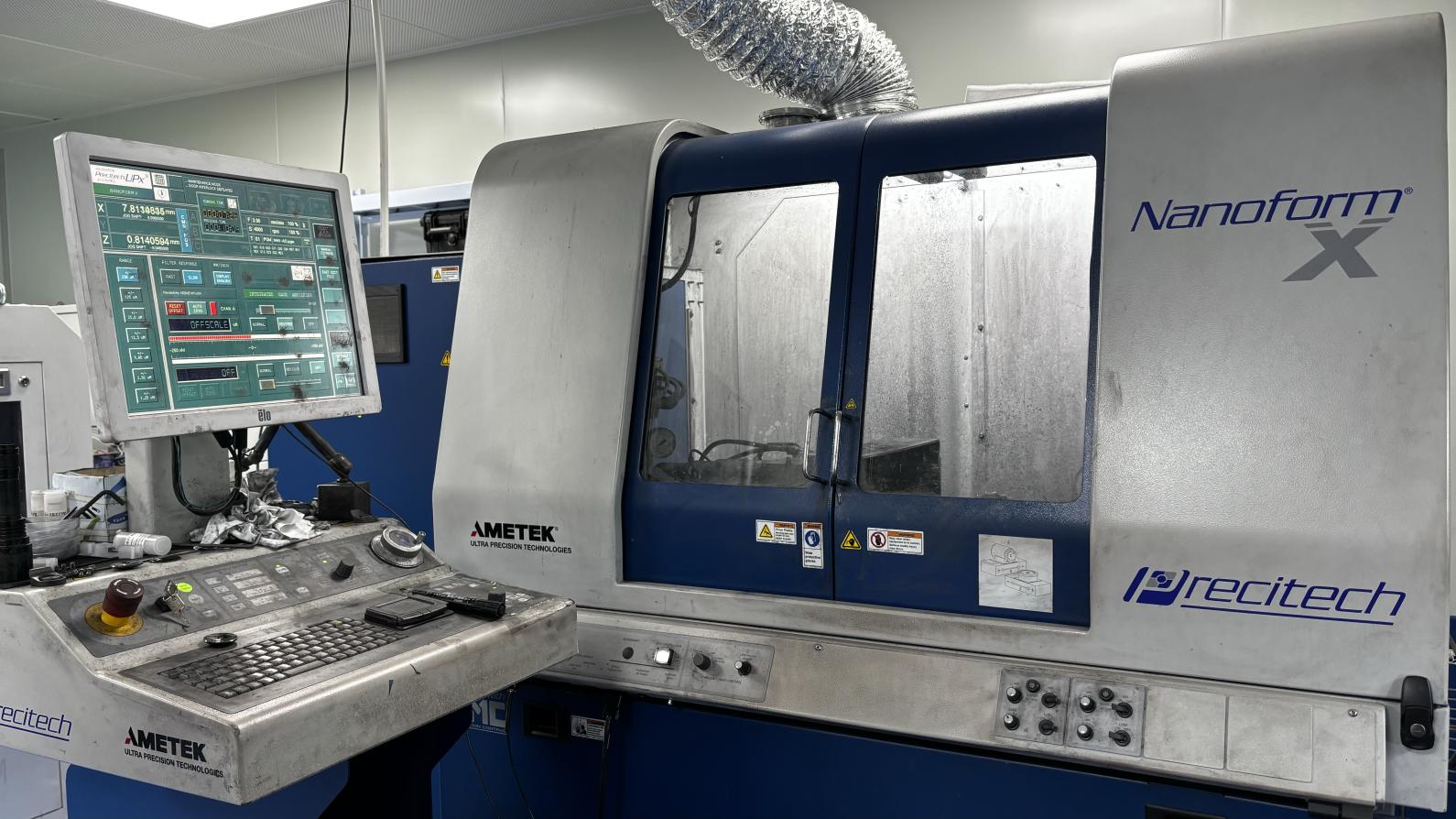
For network operations and infrastructure rollouts in Los Angeles, procuring interconnect components solely from local distributors often results in high markups and a lack of customizability. Conversely, dealing directly with raw offshore factories can introduce communication gaps and lead time risks. Transolix offers a hybrid supply chain model that combines the best of both worlds:
Get in touch with our engineering directors today to receive a technical blueprint assessment and a detailed bulk pricing quote.
Send Inquiry NowThe differences are related to data rate handling and physical dimension sizes. SFP cages support up to 4 Gbps data channels, SFP+ cages are built to handle up to 16 Gbps (supporting SFP28 up to 25 Gbps), and QSFP (Quad SFP) cages feature a wider form factor to accommodate four parallel data channels. These four channels allow data transmission rates from 40 Gbps up to 100 Gbps (QSFP28) and 400 Gbps (QSFP-DD).
SFP cages mitigate EMI using perimeter ground springs (or conductive elastomeric gaskets) that make contact with the metal bezel of the system faceplate. The cage structure itself is made from conductive metals (like copper-nickel alloys) that route high-frequency emissions directly to the PCB system ground.
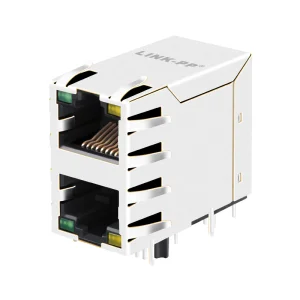
Yes. Transolix supports customized configurations, including 1x1 single-port, 1xN ganged, and 2xN stacked SFP/QSFP cage configurations. The mechanical dimensions, pin spacing, heat sinks, and light pipe configurations can be tailored to meet your design needs.
Standard custom production cycles range from 3 to 5 weeks depending on order volume. Shipping to Los Angeles via air express takes 5 to 7 business days, while ocean freight shipments arrive in approximately 18 to 25 days, landing directly at the Port of Los Angeles.
Absolutely. Transolix SFP cages are fully compliant with MSA guidelines (including SFF-8432, SFF-8472, and INF-8074i), ensuring physical interchangeability and clean mating cycles with compliant modules from any brand globally.
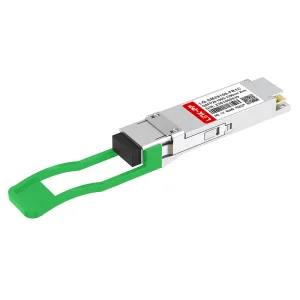
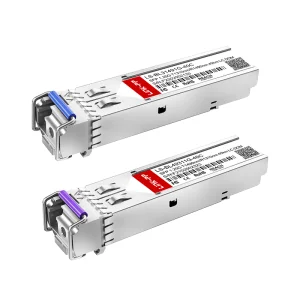
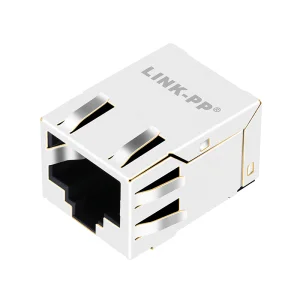
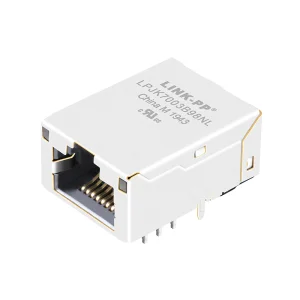
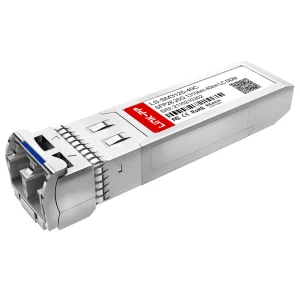
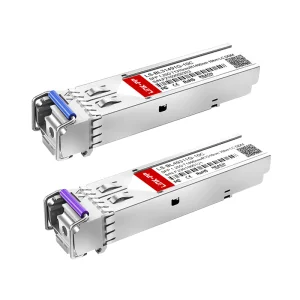
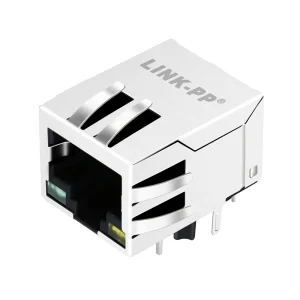
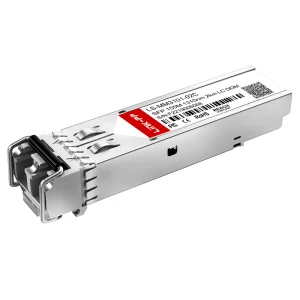
Explore our complete range of high-performance fiber optic transceivers, network modular interfaces, and board-level connectors designed to withstand demanding electrical and environmental conditions.
 Transolix