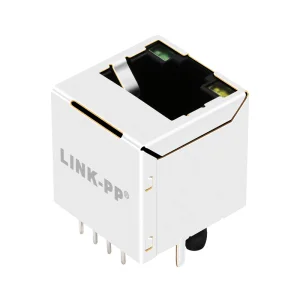
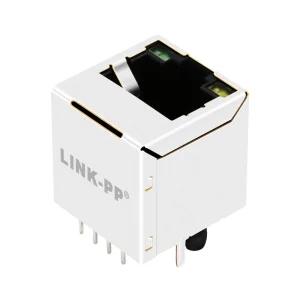
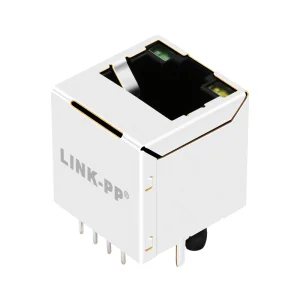
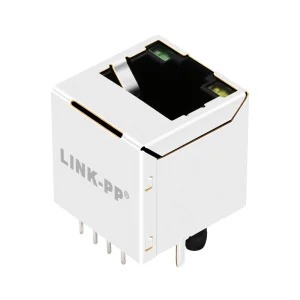
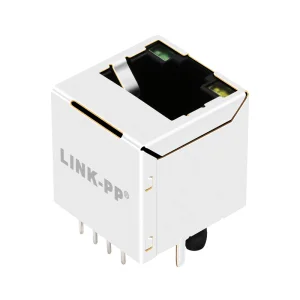
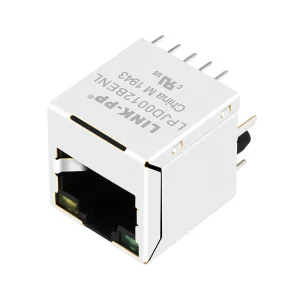
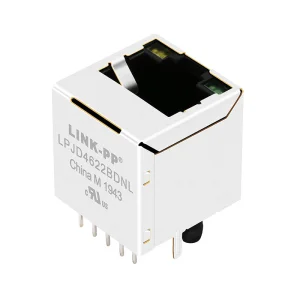
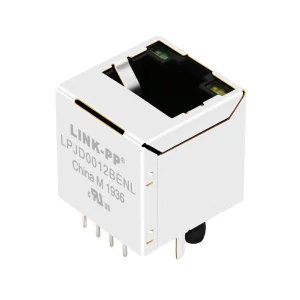
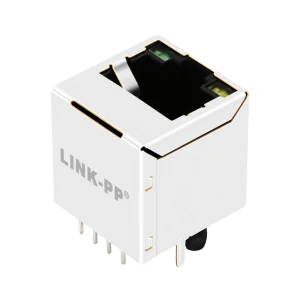
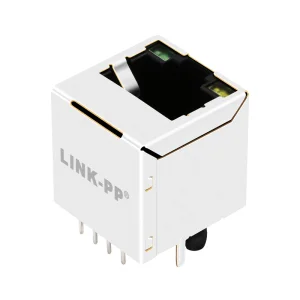
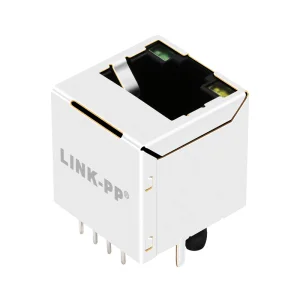
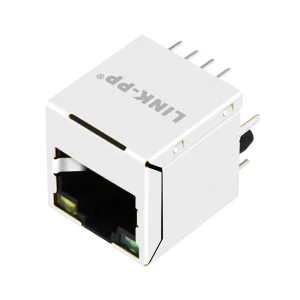
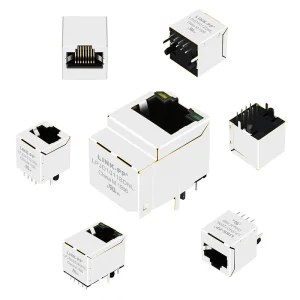
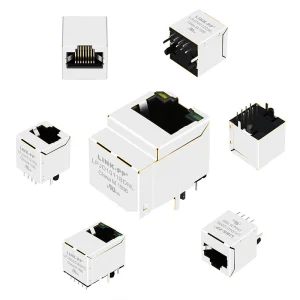
Engineered for minimal board footprint and maximum mechanical stability in vertical PCB layouts.
Melbourne stands at the vanguard of Australia’s advanced manufacturing, medical technology, and smart city infrastructure developments. The transition toward high-density electronic assemblies in regional tech hubs like the Monash Technology Precinct, Dandenong, and Fishermans Bend has intensified the demand for specialized, ruggedized interconnect solutions. In these applications, standard horizontal RJ45 connectors present physical limitations, prompting engineers to design with Vertical RJ45 Connectors (also known as top-entry jacks).
Our role as a primary supplier and exporter in Melbourne is optimized to support these initiatives. Whether it is integration into train control systems for Victoria's massive public transit upgrades, telemetry units in agricultural tech emerging from regional Victoria, or high-speed data transmission systems within local telecommunications centers, we supply connectors that survive under vibration, thermal cycles, and electromagnetic interference (EMI).
By providing direct support, compliance certifications, and localized engineering consultation, we eliminate long lead times for domestic Melbourne integrators, ensuring that critical industrial sectors maintain steady product development pipelines.
Globally, the electronic interconnect market is evolving to meet the demands of Industry 4.0, IoT deployments, and hyperscale data centers. Vertical RJ45 connectors play a vital role in these environments due to their ability to maximize board space. While traditional horizontal layouts require substantial surface area along the edge of the printed circuit board (PCB), vertical designs route cables perpendicular to the plane of the PCB, allowing components to be placed much closer together.
Key global trend vectors driving design advancements include:
Understanding the mechanical and electrical trade-offs between vertical and horizontal connector layouts is critical for hardware design engineers:
Vertical RJ45 jacks stand upright. They conserve PCB perimeter space, allowing engineers to pack ports tightly in multi-layer board stacks.
Plugging a patch cable into a vertical jack applies downward force onto the PCB, reducing shear strain on solder joints compared to horizontal forces.
Top-entry styles facilitate symmetrical trace routing to differential transceivers, reducing skew and preserving signal integrity at Gigabit speeds.
Our connectors are built with high-performance plastics (LCP/PA46) that tolerate standard reflow soldering temperatures up to 260°C. Solder tabs and mounting pegs are integrated to ensure structural rigidity during repeat mating cycles.
Establishing High-Speed Communication Solutions and Manufacturing Infrastructure for Global Markets.
Transolix Company Profile: Transolix is a professional optical transceiver and networking component manufacturer specializing in high-performance connectivity solutions for global data centers, telecom operators, and enterprise networks. With strong engineering capabilities and scalable production capacity, Transolix is committed to delivering reliable, high-speed, and cost-effective connectivity products worldwide.
Established Year
R&D & Assembly Space
Annual Export Revenue
Industry Experience
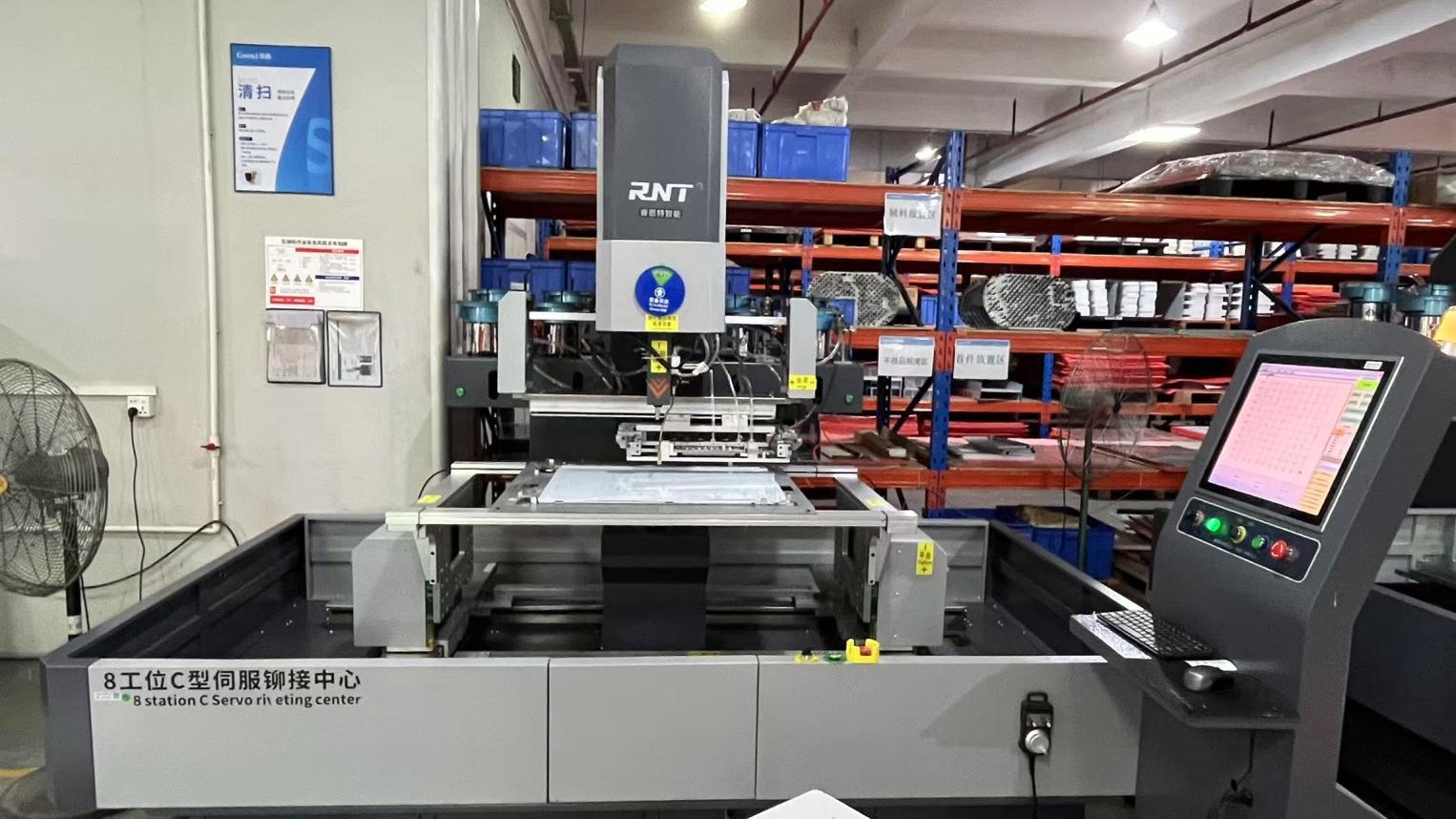
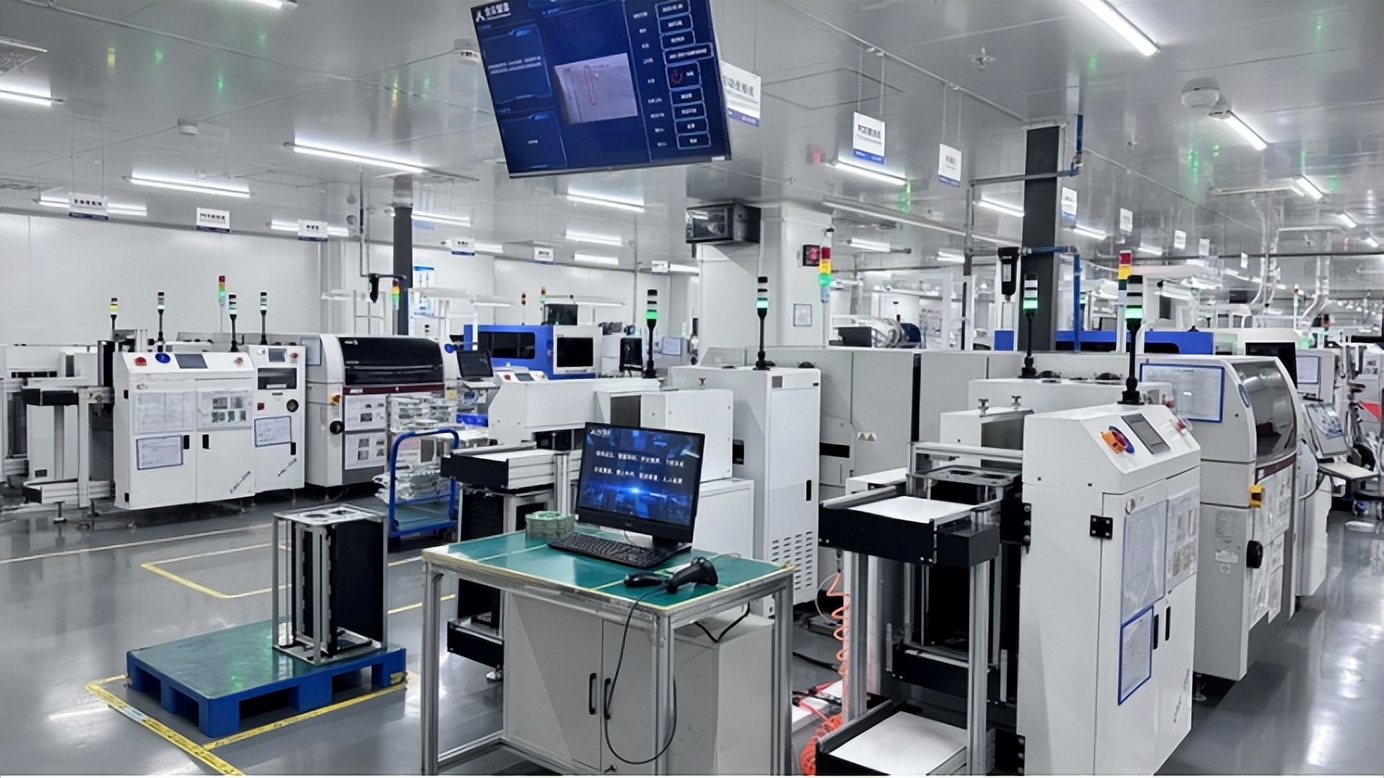
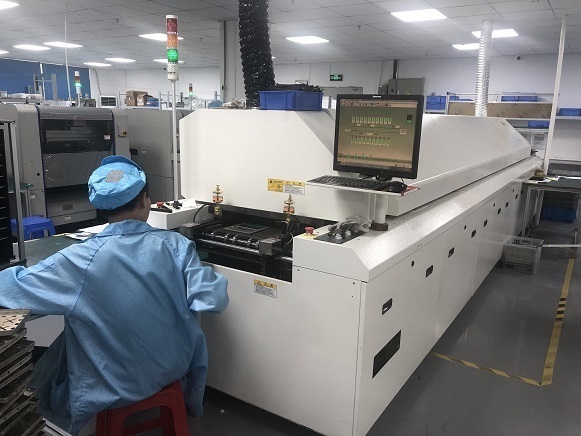
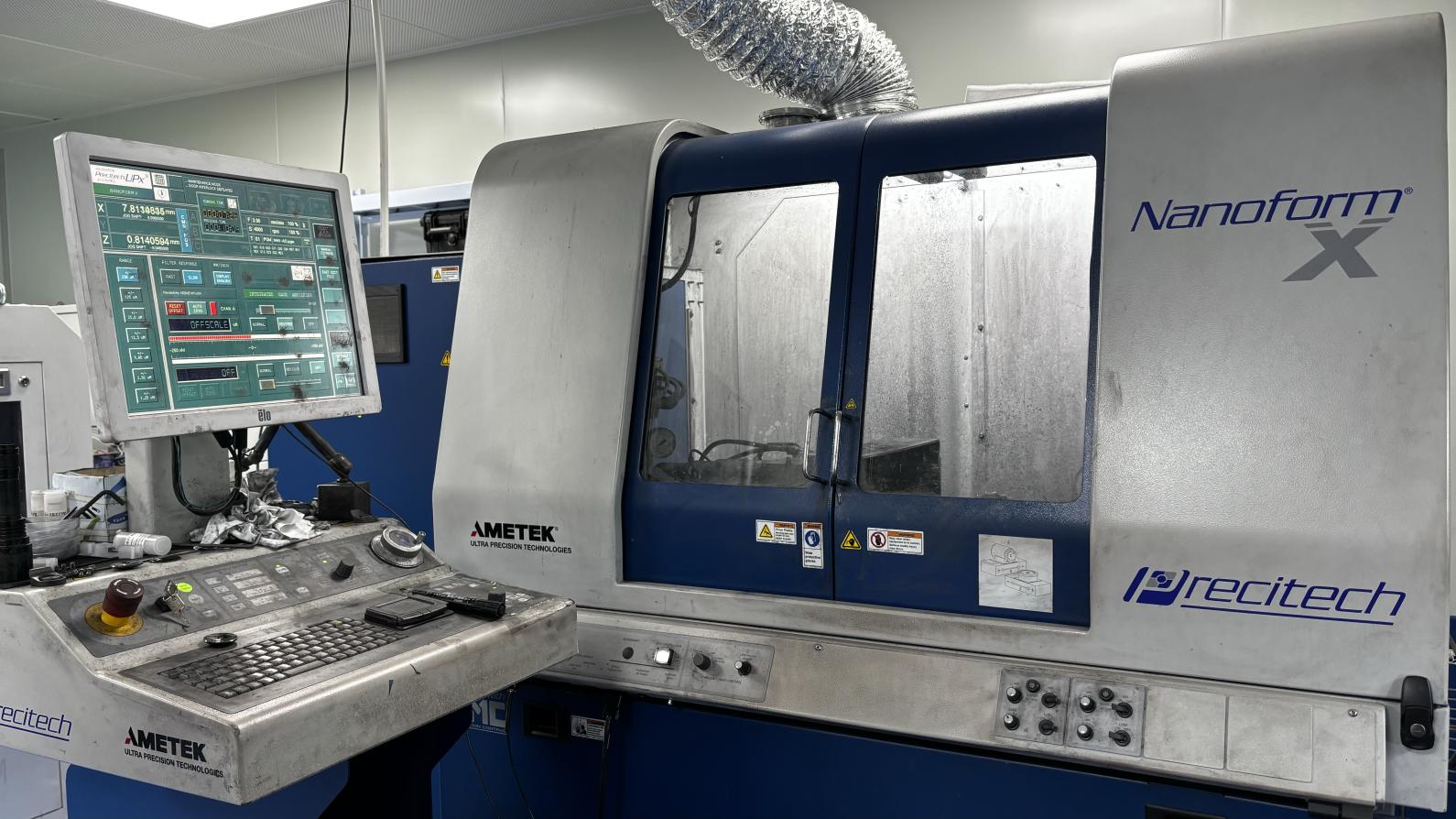
At Transolix, reliability is verified through physical testing. Our quality control system uses automated optical inspection, eye diagram analysis, thermal chamber aging, and full electrical parameter testing to guarantee zero-defect shipments. We maintain a staff of 42 QC inspectors, supported by an R&D department of 128 engineers who released 86 new product designs last year alone.
Supply Chain & Global Footprint: We rely on 860 certified upstream material suppliers, guaranteeing consistent component supply during market fluctuations. Our key export markets include North America, Europe, Southeast Asia, and the Middle East, serving telecommunication operators, cloud providers, and OEM/ODM systems integrators.


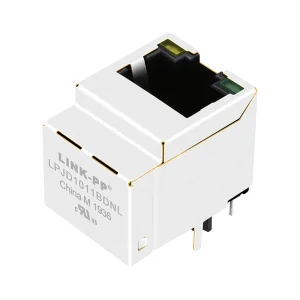
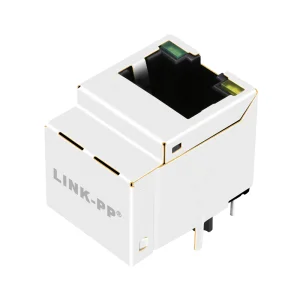
Optimized for backplane applications, switch stacks, and custom network interfaces in Melbourne's tech sector.
In high-density industrial and network hardware, integration challenges emerge regarding shielding and current transmission. Our engineering team addresses these with optimized vertical RJ45 configurations:
Due to the long vertical pins, vertical RJ45 jacks can act as antennas, radiating high-frequency noise. To combat this, we supply configurations with full-metal outer shields and grounding tabs that make contact with both the chassis metal and the inner PCB ground plane. These designs contain emissions within the connector, matching FCC Class B and EN55022 radiation limits.
Delivering high currents through small connector contacts yields localized heating. Our vertical PoE components feature robust phosphore-bronze contacts with 50-microinch gold plating, ensuring low contact resistance and heat dissipation. This design keeps terminals cool even when driving 90W PoE++ continuous current.
Automated manufacturing demands components that survive high-temperature processing. Our vertical modular jacks are manufactured from high-temperature thermoplastic (such as LCP) to avoid housing distortion during wave soldering and convective reflow profiles.
Industrial networking is shifting toward higher transmission speeds, smaller footprints, and smarter endpoints. Key milestones on the roadmap for vertical network interface designs include:
Transition to Single Pair Ethernet (SPE): While the 8P8C (RJ45) connector remains the standard for industrial infrastructure, emerging SPE standards (IEEE 802.3cg/ch) will deliver data and power over a single pair of copper wires. This change will enable even smaller connectors. We are designing hybrid vertical ports that interface legacy RJ45 networks with newer SPE systems.
Integrated Diagnostic LED & Fiber Optics: Next-generation vertical ports will feature advanced diagnostic indicator lights. These LEDs communicate connection speeds and link conditions (like PoE status or grounding faults) directly from the front panel. By combining these indicators into the RJ45 housing, engineers save board space, simplifying panel design.
Browse our selection of top-entry, magnetic, and waterproof vertical RJ45 jacks for advanced networking designs.
Technical answers to common engineering questions concerning vertical RJ45 jacks.
The primary advantage is spatial optimization. Vertical RJ45 connectors sit perpendicular to the PCB, consuming up to 60% less edge space than horizontal jacks. They also shift mating forces downwards onto the board during cable insertion, protecting thin surface mount (SMT) connections from mechanical stress.
Integrated magnetics contain components (isolation transformers and chokes) directly inside the connector housing. This layout isolates the transceiver from high-voltage spikes, prevents common-mode noise, and eliminates the need for separate magnetic components on the PCB, improving signal integrity at Gigabit speeds.
Yes. Our range includes designs certified for PoE (IEEE 802.3af), PoE+ (IEEE 802.3at), and PoE++ (IEEE 802.3bt). These models are rated for current levels up to 1.0A per contact, using phosphor-bronze connections with gold plating to minimize heat generation during operation.
Yes. Our R&D department handles customization for mechanical footprints, LED colors, circuit schematics, custom shielding, and firmware. Contact our Melbourne-focused sales team to discuss specific technical parameters.
 Transolix