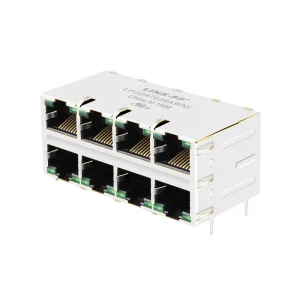
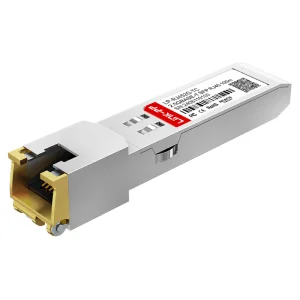
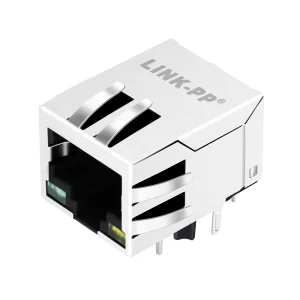
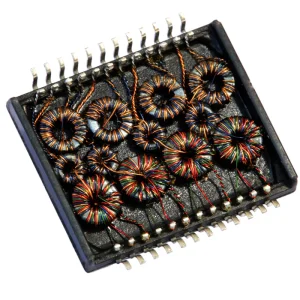
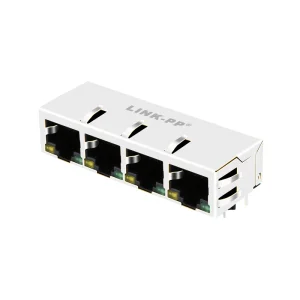
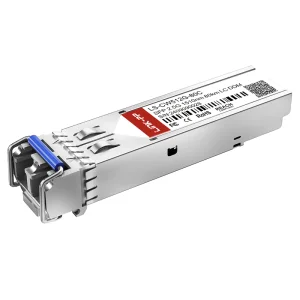
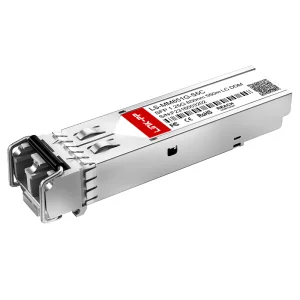
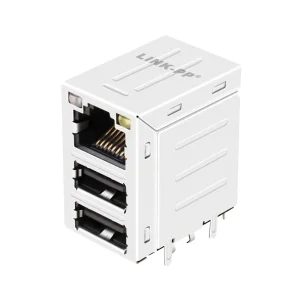
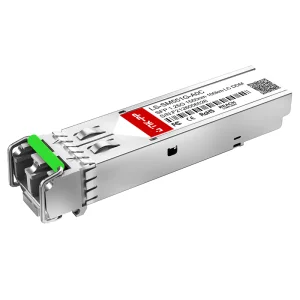
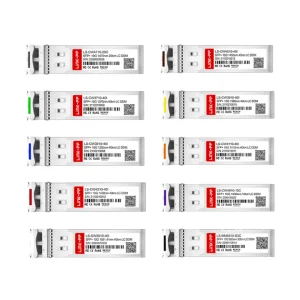
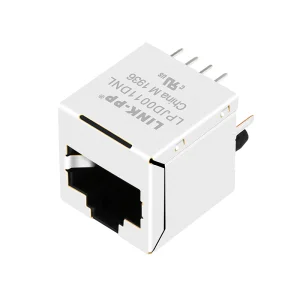
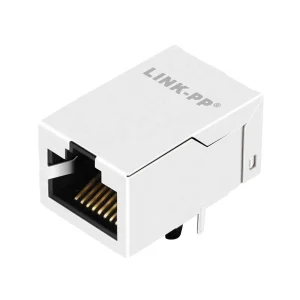
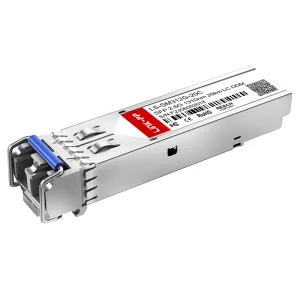
Explore our primary collection of high-performance components designed for robust connectivity, offering CE compliance and exceptional signal integrity.
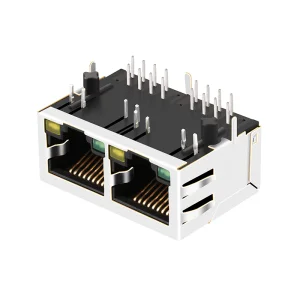
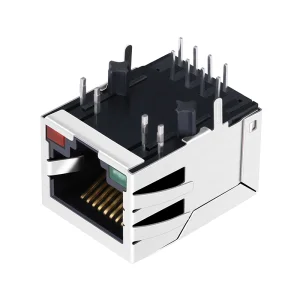
Why professional networks demand certified compliance for splitters, modules, and passive connectors.
For modern enterprise networking, telecom routing, and high-density computing hubs, signal integrity and electromagnetic compatibility (EMC) are non-negotiable. A CE Certified Ethernet Splitter or connector module represents more than just a label; it is a validation of strict electrical safety, environmental compliance, and noise containment standards. Compliance with European Conformity (CE) requires strict validation against the Low Voltage Directive (LVD) and the Electromagnetic Compatibility Directive (EMC).
In high-frequency environments (such as Fast Ethernet, Gigabit Ethernet, and 2.5G BASE-T), passive splitter interfaces are prone to Near-End Crosstalk (NEXT) and Far-End Crosstalk (FEXT) if they lack proper internal shielding and high-integrity magnetic transformers. CE certification ensures that these devices integrate magnetic isolation components capable of attenuating EMI, preserving packet transfer rates, and preventing voltage surges from propagating across the network infrastructure.
To qualify as a reputable global network hardware supplier, every split component and magnetic RJ45 jack must pass the following critical parameters:
A professional optical transceiver and networking hardware manufacturer specializing in high-performance fiber optic communications, structural RJ45 systems, and enterprise solutions.
Transolix supports global data centers, telecommunications operators, and enterprise networks with robust, reliable connectivity. With 11 years of structural industry experience and 6 years of international B2B export operations, we provide reliable engineering and highly scalable production systems to meet demanding requirements.
Our comprehensive testing regime includes automated optical inspection (AOI), high-frequency eye diagram analysis, bit error rate (BER) checks, and structural aging chambers to ensure 100% baseline reliability.
Supported variables include target wavelength, form factor designs, extended link distances, deep-level protocol firmware compatibility, and customized PCB breakout pins for specialty RJ45 systems.
Managing an annual export revenue of USD 8 million to 15 million, we deliver components to clients in North America, Europe, Southeast Asia, and the Middle East.
Charting the path toward high-speed multi-gigabit interfaces, optical-copper integration, and smart passive components.
Traditional passive splitters were designed for simple 10/100 Mbps deployments, using simple two-pair splitting configurations. However, with the rise of Wi-Fi 6/7 access points and Edge Computing nodes, network architecture has moved to 2.5G BASE-T and 10G BASE-T technologies. The future roadmap of Ethernet splitters requires integrated active circuits that support link negotiation and dynamic bandwidth splitting without sacrificing throughput.
Modern networks do not only transmit data; they supply power. Power over Ethernet (PoE, PoE+, and PoE++) standards demand that connectors and splitters handle high DC currents (up to 90W under IEEE 802.3bt) without generating thermal hot-spots. Future configurations incorporate advanced magnetics and thermal-resistant thermoplastic polymers to maintain structural integrity under continuous load.
As transmission distances increase, copper-to-fiber integration becomes vital. The future lies in hybrid converter splitters that accept fiber optical inputs (via SFP or SFP+ modules) and distribute them into multiple copper RJ45 interfaces. This hybrid topology minimizes attenuation over long runs while offering flexible local distribution.
Customized hardware topologies and component design for enterprise networks, industrial spaces, and telecommunications operations.
High-density racks require dependable connection paths. Our range of SFP, SFP+, and high-speed optical transceivers integrate with multi-port RJ45 systems to deliver clean signal paths, lowering bit error rates and minimizing rack power consumption.
Harsh electromagnetic fields in factories demand heavily shielded Ethernet hardware. Our multi-port magnetics isolate sensitive machinery controllers from electrical spikes, ensuring continuous operation on the production line.
Telecommunications backhauls rely on long-distance optical transceiver modules (up to 80km/100km via SMF) and robust local distribution interfaces to link rural and urban fiber optic networks.



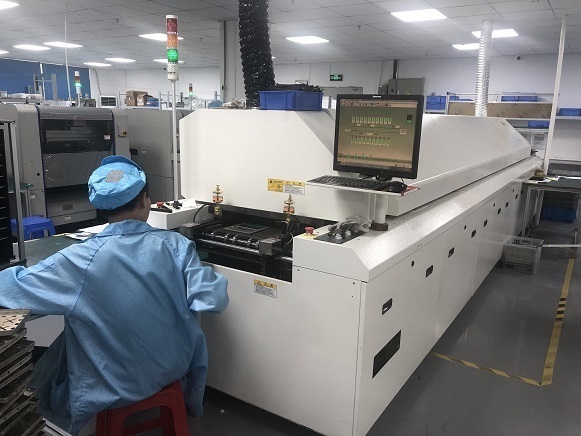
How our manufacturing infrastructure ensures predictable delivery timelines and cost-efficiency.
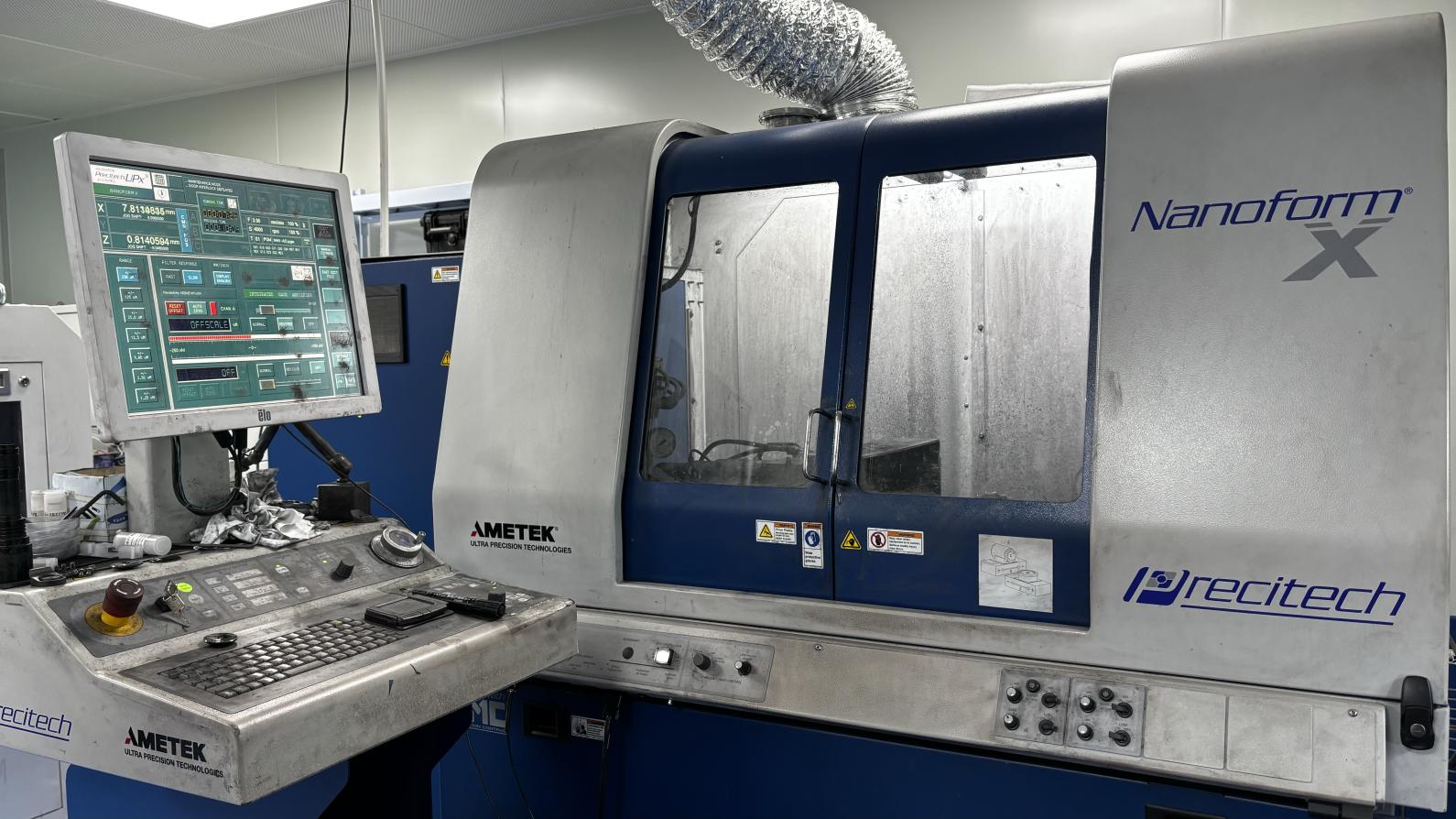
Operating a facility with 320㎡ of highly optimized workspace, Transolix combines automation with reliable engineering practices. By cultivating deep partnerships with 860 certified upstream suppliers, we secure access to premium chipsets, optical components, and precision molding resins. This vertical integration buffers our clients against global supply disruptions, reducing production lead times.
Our manufacturing workflow relies on high-speed SMT assembly, automated laser welding, and dynamic thermal calibration. With 42 quality control professionals monitoring every stage, we track raw component sourcing to the final output of optical transceivers and modular RJ45 connectors.

Reducing friction for engineering teams and international procurement departments.
Buying from an overseas supplier should not mean compromising on technical support or local compliance. At Transolix, we align our product configurations with target regional certifications (including CE, FCC, RoHS, and REACH). This guarantees that our Ethernet splitters, multi-port connectors, and optical modules integrate into projects across Europe, North America, and beyond without regulatory delays.
We provide comprehensive field application engineering (FAE) support to streamline client implementation. Our services include firmware customization for switch compatibility, PCB layouts for magnetic RJ45 connectors, and diagnostic services for fiber-to-copper media converter units.
Key specifications for sourcing agents evaluating CE-compliant network equipment suppliers.
Always verify the internal electrical isolation voltage. Standard CE-certified ethernet splitters and RJ45 ports must withstand at least 1500 Vrms to isolate sensitive network hardware from transient voltage spikes.
Specify connection pinout paths (e.g., standard parallel splitting vs. active port switching). This ensures compatibility with target hardware configurations and prevents packet collision issues.
A reputable supplier will provide complete testing data, including eye diagrams for optical modules, insertion loss reports for connectors, and thermal stability logs.
Answers to technical queries about Ethernet splitters, network connectors, and sourcing parameters.
A passive Ethernet splitter typically divides a standard 8-pin RJ45 copper connection into two distinct 4-pin paths (relying on 10/100 Base-T limits which only require 4 pins for transmission). This limits speed to 100 Mbps per channel. An active network switch operates at the data link layer, dynamically routing packets across multiple ports at speeds up to 1G, 2.5G, or higher, using all 8 pins for each connection.
We operate under an ISO 9001 quality framework. Our 42 quality control staff verify electromagnetic emissions (EMI) and power isolation parameters using automated test benches. We also perform batch sampling for eye diagram analysis and temperature aging tests to guarantee each shipment meets EU safety and environmental regulations.
Yes, our RJ45 connectors support PoE, PoE+, and high-power PoE++ (IEEE 802.3at/bt) standards. We build our magnetic connectors with heavier gauge copper wires and high-temperature polymer housings to manage heat buildup and ensure reliable power transmission alongside high-speed data.
We provide customization for transmission wavelengths (such as CWDM ranges), optical transceivers distance limits (from short-haul up to 100km Single Mode Fiber), internal EEPROM compatibility configurations, physical dimensions, LED indicator setups, and layout pinouts for vertical or top-entry PCB boards.
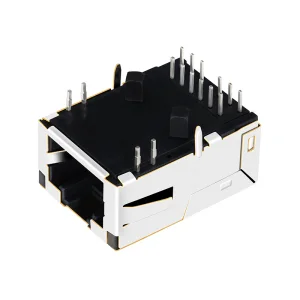
Browse our second tier of optical transceivers and modular RJ45 sockets, built for telecom routing, switches, and high-frequency applications.
 Transolix