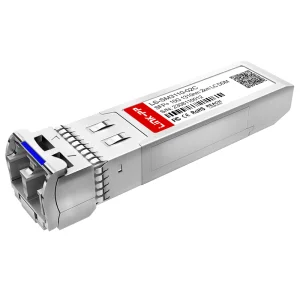
High-performance network modules, low profile copper jacks, and optical transceivers engineered to meet demanding structural telecom requirements.
In the rapidly changing hardware ecosystems of cloud computing, edge processing, and telecommunications, physical space has become the ultimate luxury. Engineers must squeeze complex routing circuitry, optical transceivers, processing chips, and cooling mechanisms into shrinking form factors. This spatial contraction has generated massive demand for low profile RJ45 connectors—specifically those built, verified, and certified under CE (Conformité Européenne) guidelines to operate securely in high-frequency global environments.
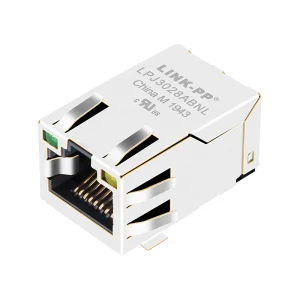
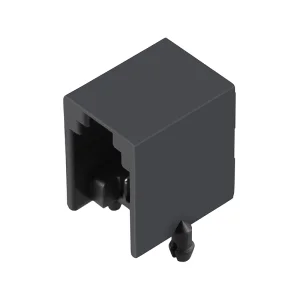
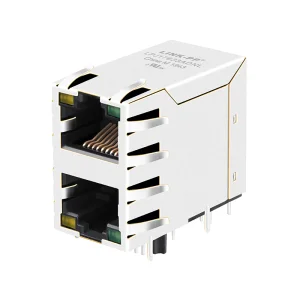
Standard RJ45 jacks typically present physical height profiles that obstruct vertical airflow in blade servers or exceed standard height boundaries for slim desktop modems, IPCs, and consumer routers. A Low Profile Ethernet Jack reduces the physical height (often down to 11.5mm, 9.9mm, or even lower) and optimizes structural pins. By integrating internal magnetics directly into the connector (often referred to as Magjacks) or supplying dedicated clean vertical ports, these components ensure low latency, minimal crosstalk, and EMI shield optimization in tight spacing.
As a leading exporter specializing in high-performance hardware interface systems, Transolix bridges this engineering gap. We recognize that industrial buyers, hardware designers, and OEM procurement managers require more than standard components; they require optimized, compliance-verified thermal, electrical, and physical network nodes. By applying advanced EMI shielding configurations, high-durability contact platings, and robust thermoplastic materials, our low-profile connectors enable high-density stack configurations without compromising signal integrity.
Modern procurement strategies are governed by multi-regional regulatory frameworks, strict performance specifications, and structural reliability. The global market demand for CE Certified low-profile connectors is divided across several highly demanding enterprise vectors.
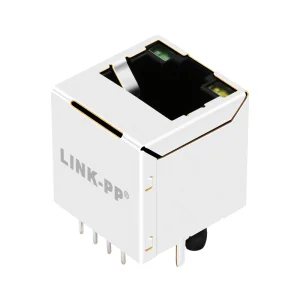
To achieve high ports per rack unit, carrier-grade switchboards utilize low-profile vertical and tab-up offset configurations. CE certification ensures strict alignment with European low-voltage and EMC directives, making import processes seamless.
Industrial settings involve heavy dust, constant vibration, and intense electromagnetic noise. In these compact control boxes, low-profile Ethernet ports must feature reinforced shielding, high operating temperature ranges, and secure mechanical locking.
Ultra-thin routers, streaming boxes, and smart TVs depend on minimal structural profiles to preserve sleek aesthetics. Connectors must meet standard mechanical profiles while sustaining cost-efficient manufacturing, stable supply lines, and global regulatory compliance.
Understanding the electrical and structural parameters is vital for signal layout designers. The table below details how low-profile designs differ from conventional network jacks in high-speed, high-density applications.
| Parameter / Feature | Standard RJ45 Jack | Low Profile RJ45 Jack (Transolix Optimized) | Impact on System Architecture |
|---|---|---|---|
| Physical Height Profile | 13.5 mm – 16.5 mm | 8.5 mm – 11.5 mm | Over 30% space savings; enhances thermal airflow and stack density. |
| Internal Magnetics (Magjack) | Discrete or Basic Filtering | Integrated High-Density Magnetic Core | Reduces PCB footprint, shields internal PHY chip, reduces trace routing noise. |
| PoE/PoE+ Support | Limited Thermal Dispersion | Optimized for IEEE 802.3at/bt (up to 90W) | Reliably runs PoE devices without structural overheating or insertion loss. |
| EMI Shielding Configuration | Rear Tab or No Grounding Option | Multi-point EMI Grounding Tabs + Nickel Alloy Shield | Significantly reduces EMI emissions, helping OEMs secure CE & FCC certification. |
| Pin Configurations | Through-hole (THT) standard | SMT, THT, Press-Fit, and Mid-Plane offset | Supports modern automated pick-and-place systems and specialized mid-mount PCB designs. |
As optical networks progress toward 400G and 800G, copper interfaces (RJ45) remain crucial for local connectivity, PoE endpoints, and backup systems. The modern challenge lies in maintaining signal integrity over high-frequency copper channels when physical connector shielding is compressed.
Transolix's Technical Roadmap focuses on hybrid designs, reducing insertion loss, and optimizing return loss at frequencies up to 500 MHz (Category 6A). By utilizing advanced engineering plastics like Liquid Crystal Polymer (LCP) for the housing, our connectors withstand the extreme heat of lead-free reflow soldering processes, ensuring long-term structural integrity in industrial computing boards.
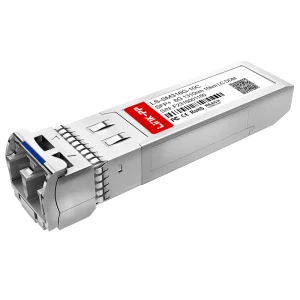
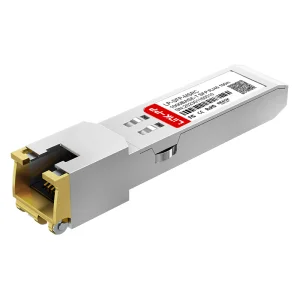
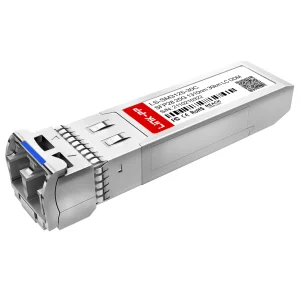
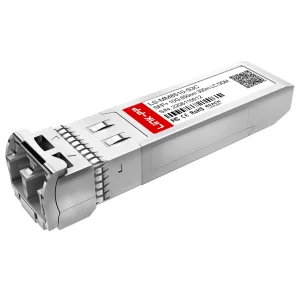
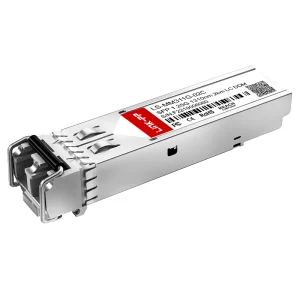
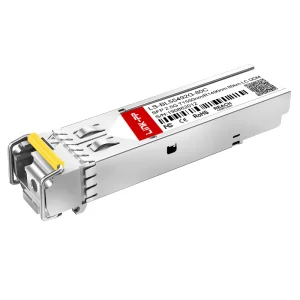
Over the next decade, we anticipate the convergence of optical and copper interfaces in single high-density modules. Transolix is leading this trend by developing hybrid micro-connectors that integrate the robust reliability of optical fiber transceivers (such as our high-speed SFP+ and SFP28 units) with ultra-thin RJ45 interfaces. This creates versatile port modules that support a wide range of systems.

Transolix is a professional optical transceiver and connectivity manufacturer specializing in high-performance hardware and fiber optic communication solutions for global data centers, telecom operators, and enterprise networks. With strong engineering capabilities and scalable production capacity, Transolix is committed to delivering reliable, high-speed, and cost-effective connectivity products worldwide.
At Transolix, quality is not a variable; it is a constant. Operating strictly under ISO 9001 quality management guidelines, our manufacturing line integrates rigorous verification checks at every step:
Every system design has its own constraints. We offer extensive customization support to ensure our products fit seamlessly into your hardware:
Explore our modern production floors, testing laboratories, cleanrooms, and warehouse operations. We back our exports with visible engineering practices.

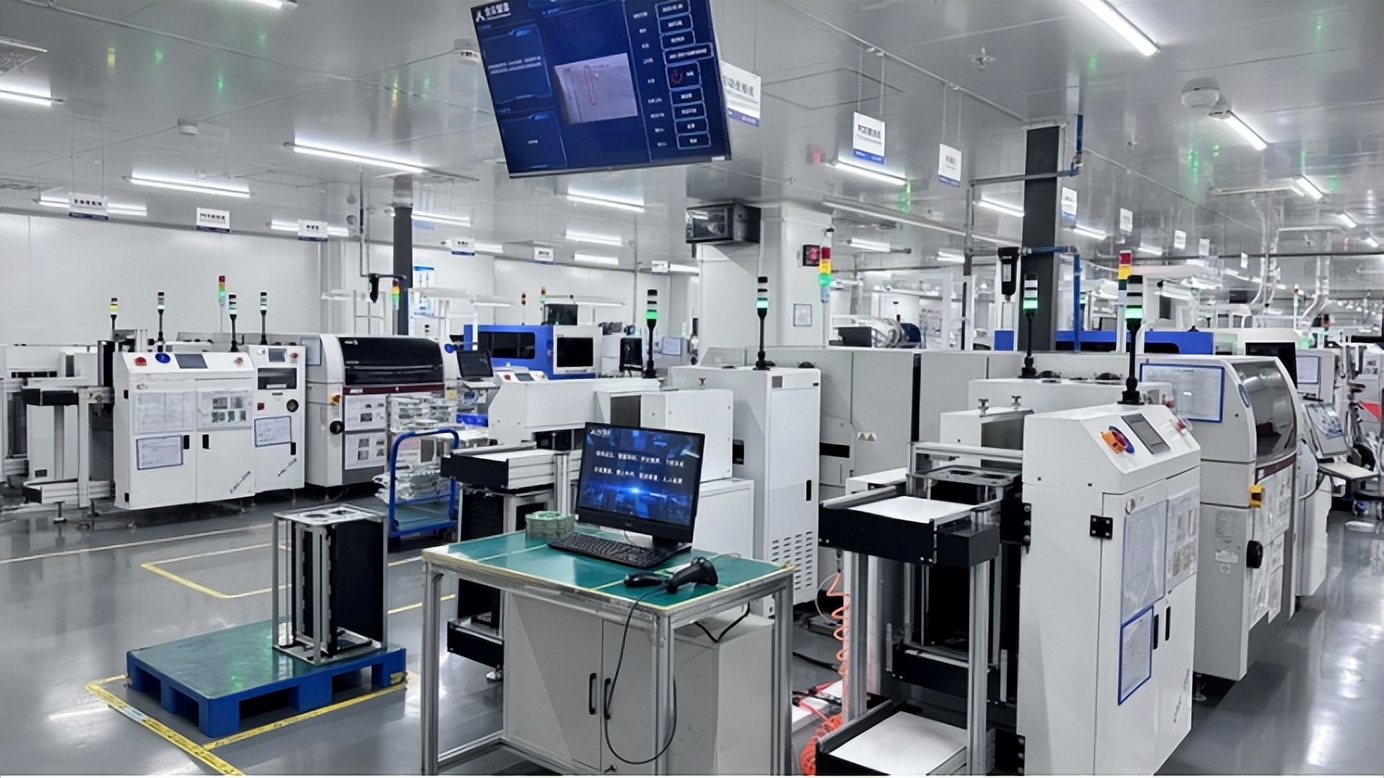
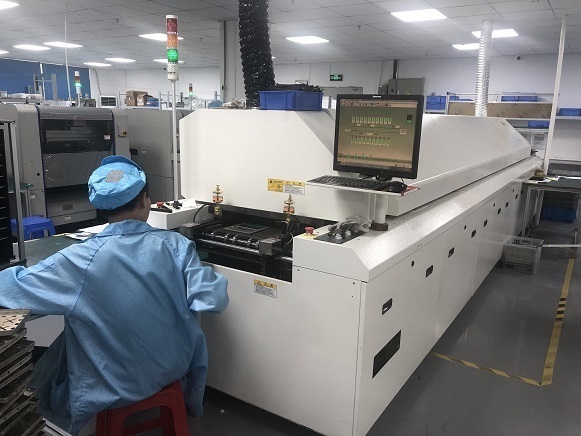

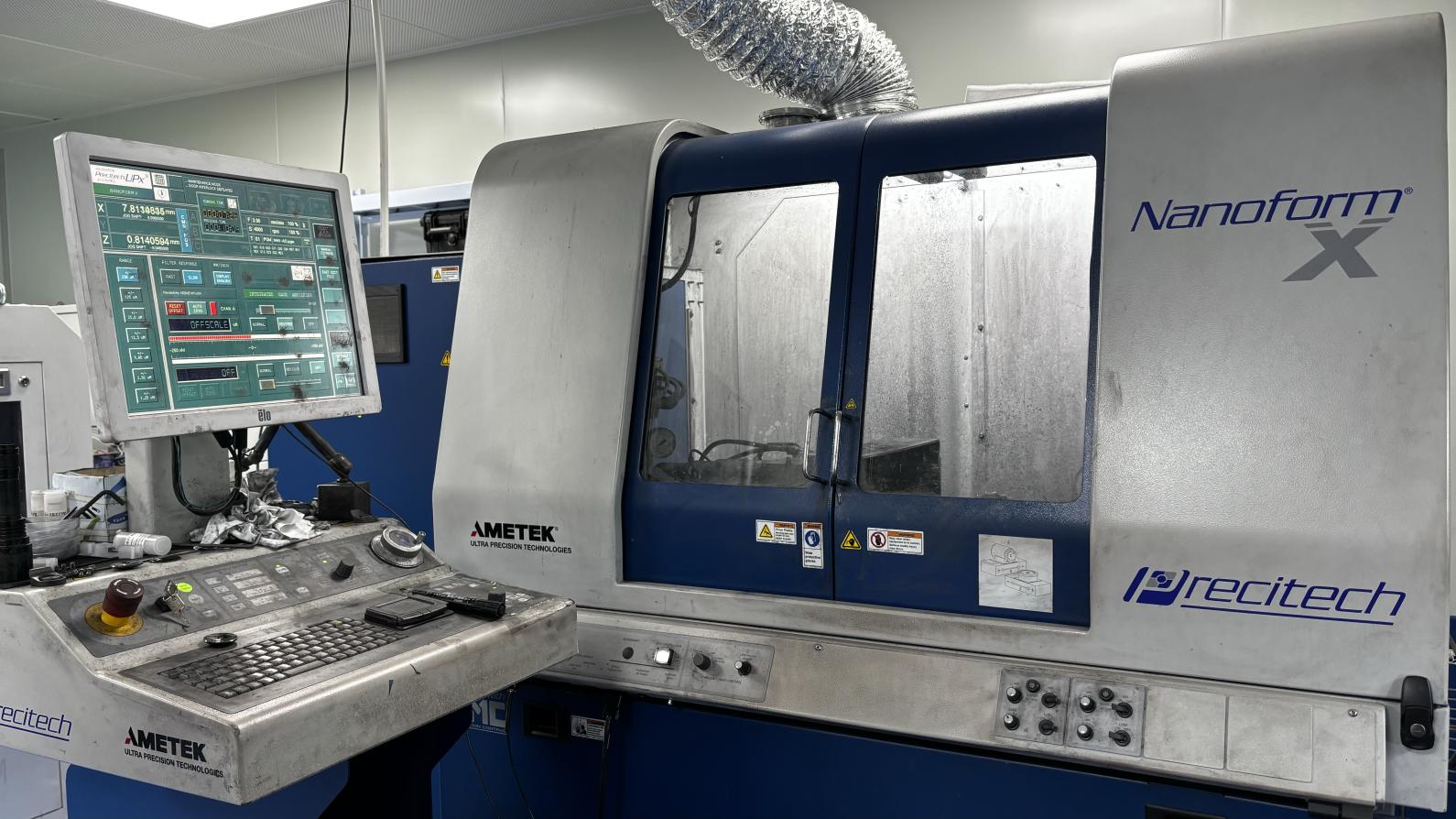
Operating in markets like North America, Europe, Southeast Asia, and the Middle East requires strict adherence to international standards and reliable local logistics.
All low profile Ethernet jacks designated for export feature CE certification. This ensures compliance with:
With 860 certified upstream suppliers and a professional logistics network, Transolix guarantees supply chain stability. Whether you are importing directly to the European Union or shipping to production hubs in North America and Southeast Asia, we provide full technical documentation, customs-clearance paperwork, and ongoing engineering support.
Explore answers to common questions about physical, electrical, and regulatory specifications for low-profile network jacks.
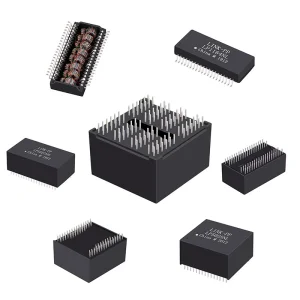
Explore additional high-performance copper jacks, LAN transformer modules, and optical transceivers for data centers and enterprise networks.
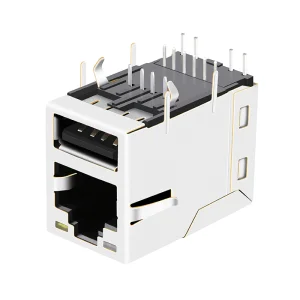 0821-1X1T-36-F Industrial RJ45 Magjack With USB 10/100 Base-t Magnetic Ethernet Female RJ45 Connector
Learn More
0821-1X1T-36-F Industrial RJ45 Magjack With USB 10/100 Base-t Magnetic Ethernet Female RJ45 Connector
Learn More
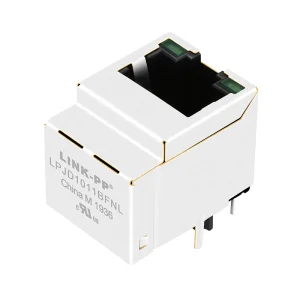 1840419-1 Vertical Top Entry Straight 10/100 Base-t Ethernet Magnetic Female RJ45 Connector With Leds
Learn More
1840419-1 Vertical Top Entry Straight 10/100 Base-t Ethernet Magnetic Female RJ45 Connector With Leds
Learn More
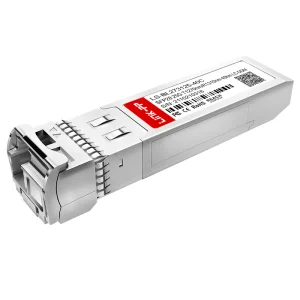 Bidirectional 1270nm-TX/1310nm-RX SFP28 25G BiDi Transceiver 40km Simplex LC SMF DDM Optical Module
Learn More
Bidirectional 1270nm-TX/1310nm-RX SFP28 25G BiDi Transceiver 40km Simplex LC SMF DDM Optical Module
Learn More
 Transolix