Engineered to exceed Telecordia and IEEE specifications for insertion loss, return loss, and signal integrity.
As next-generation computing infrastructures scale to handle AI/ML workloads, High-Performance Computing (HPC), and 5G/6G fronthaul, the physical layer remains the ultimate arbiter of performance. Fiber optic patch cords are no longer treated as passive commodities; they are high-precision components critical to maintaining strict optical power budgets. Minor losses in alignment, polarization, or concentricity at connection points can degrade link margin, leading to higher Bit Error Rates (BER) and costly retransmissions in hyperscale facilities.
Global enterprise infrastructures demand ultra-low insertion loss (IL) and superior optical return loss (ORL) performance. To service these strict criteria, manufacturers must implement state-of-the-art optical glass drawing, ceramic ferrule polishing, and custom termination architectures. Through comprehensive quality controls and vertical material integration, top-tier Chinese manufacturers can support these complex infrastructure rollouts with reliable, high-performance patch cords.
Building the core connection framework for tomorrow's hyperscale datacenters and carrier access points.
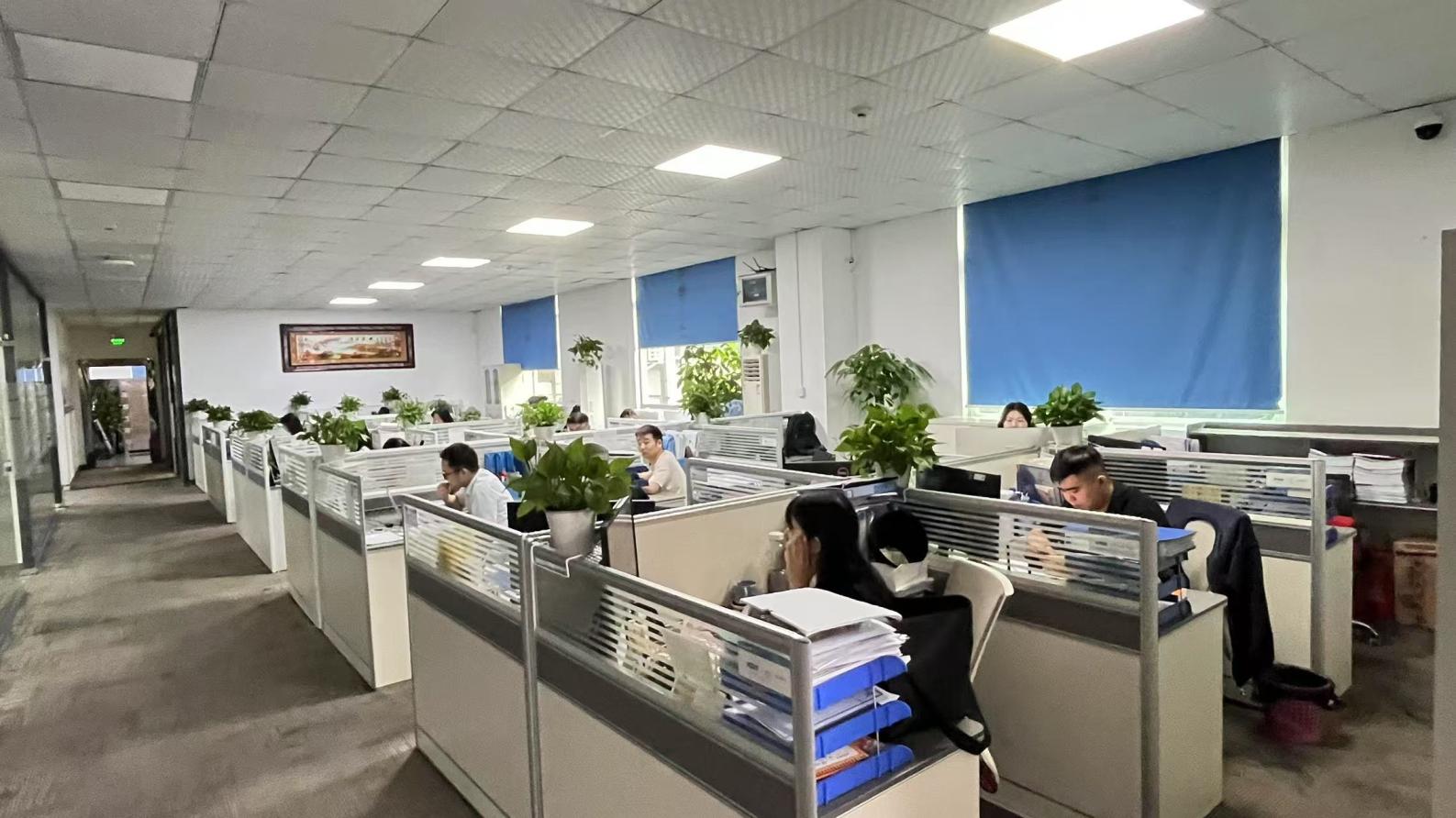
Transolix is a professional optical transceiver and fiber infrastructure manufacturer specializing in high-performance communication solutions for global data centers, telecom operators, and enterprise networks. With strong engineering capabilities and scalable production capacity, Transolix is committed to delivering reliable, high-speed, and cost-effective optical connectivity products worldwide. We focus on continuous innovation in optical interconnect technology, offering a full range of products including SFP, SFP+, QSFP28, QSFP-DD, and emerging high-speed optical transceiver solutions for next-generation networks.
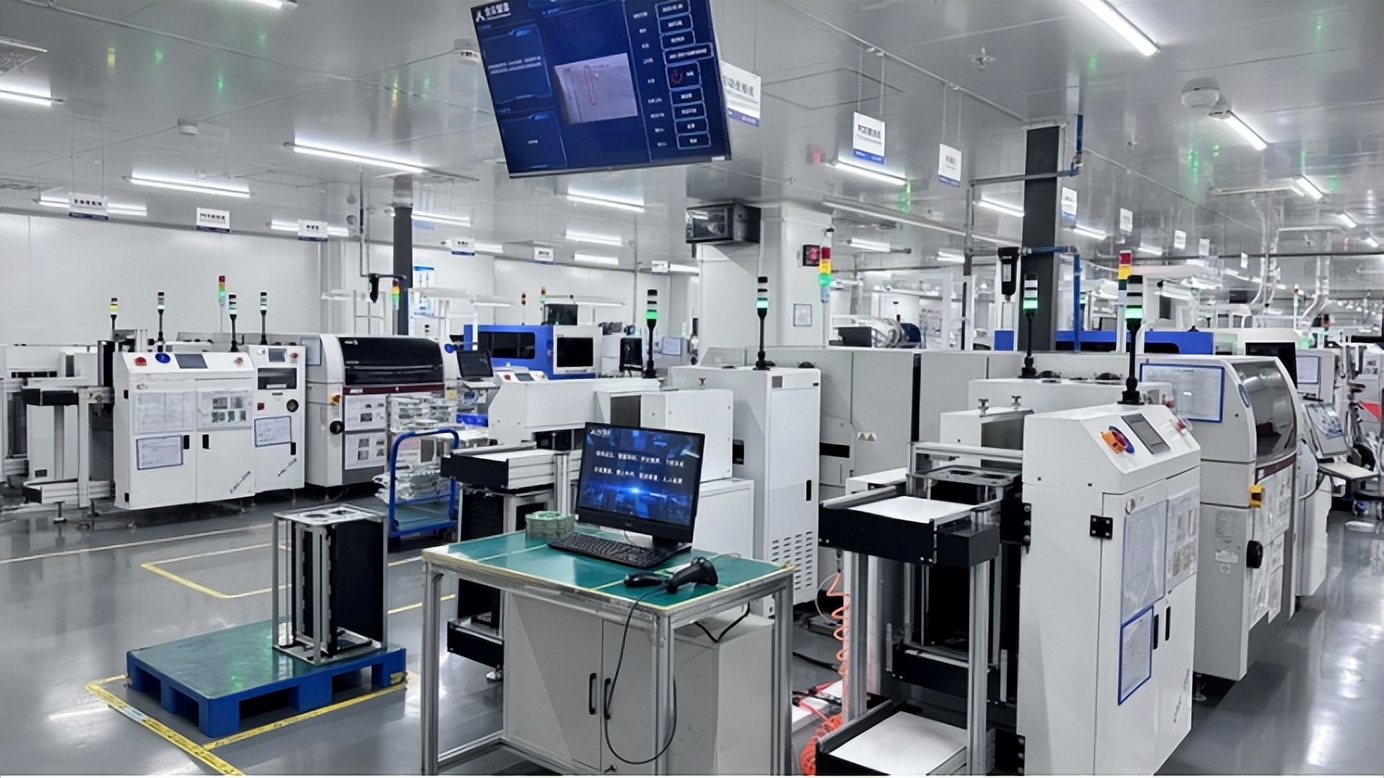
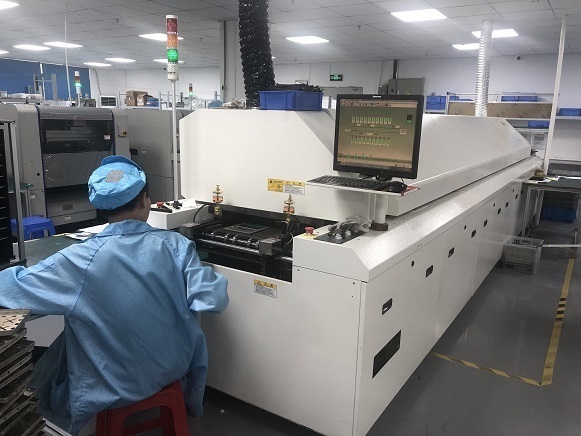
Our core 320㎡ optical assembly and cleanroom facility operates automated active alignment systems, fiber termination equipment, and custom firmware testing suites to guarantee performance reliability.
Supported by 42 dedicated QC professionals. Our inspection standards rely on ISO 9001 and strict internal reliability metrics. Every cable and module undergoes automated optical testing, eye diagram analysis, aging tests, and 100% final performance verification.
Supported by a comprehensive network of 860 certified upstream partners. We source raw fiber glass, optical sub-assemblies (TOSA/ROSA), and advanced chipsets directly from leading Tier-1 suppliers.
Unlocking cost efficiency, quick turnaround, and custom design capabilities for global optical infrastructure projects.
The strength of our operation lies in the highly optimized industrial clusters of China. The close proximity of raw material suppliers, packaging component manufacturers, and logistics hubs allows Transolix to manage an ultra-efficient lead time. With over 860 certified upstream supply chain partners, we mitigate material shortages and ensure components meet stringent international criteria.
| Main Market Coverage | North America, Europe, Southeast Asia, Middle East |
| Main Customer Types | Telecom Operators, Cloud Service Providers, Data Center Integrators, OEM/ODM Partners |
| Upstream Partners | 860 Certified Chipset, Optics, and Packaging Vendors |
| R&D Specialization | High-Speed Optical Design, Signal Integrity, Module Integration |
Deep dive into fiber cable categories, end-face geometries, and physical layer optimizations.
Standard patch cables exhibit insertion losses between 0.3dB and 0.5dB. Transolix low-loss single-mode (G.652.D & G.657.A2) fiber assemblies are certified to deliver average insertion losses of ≤0.12dB, maximizing your link budget.
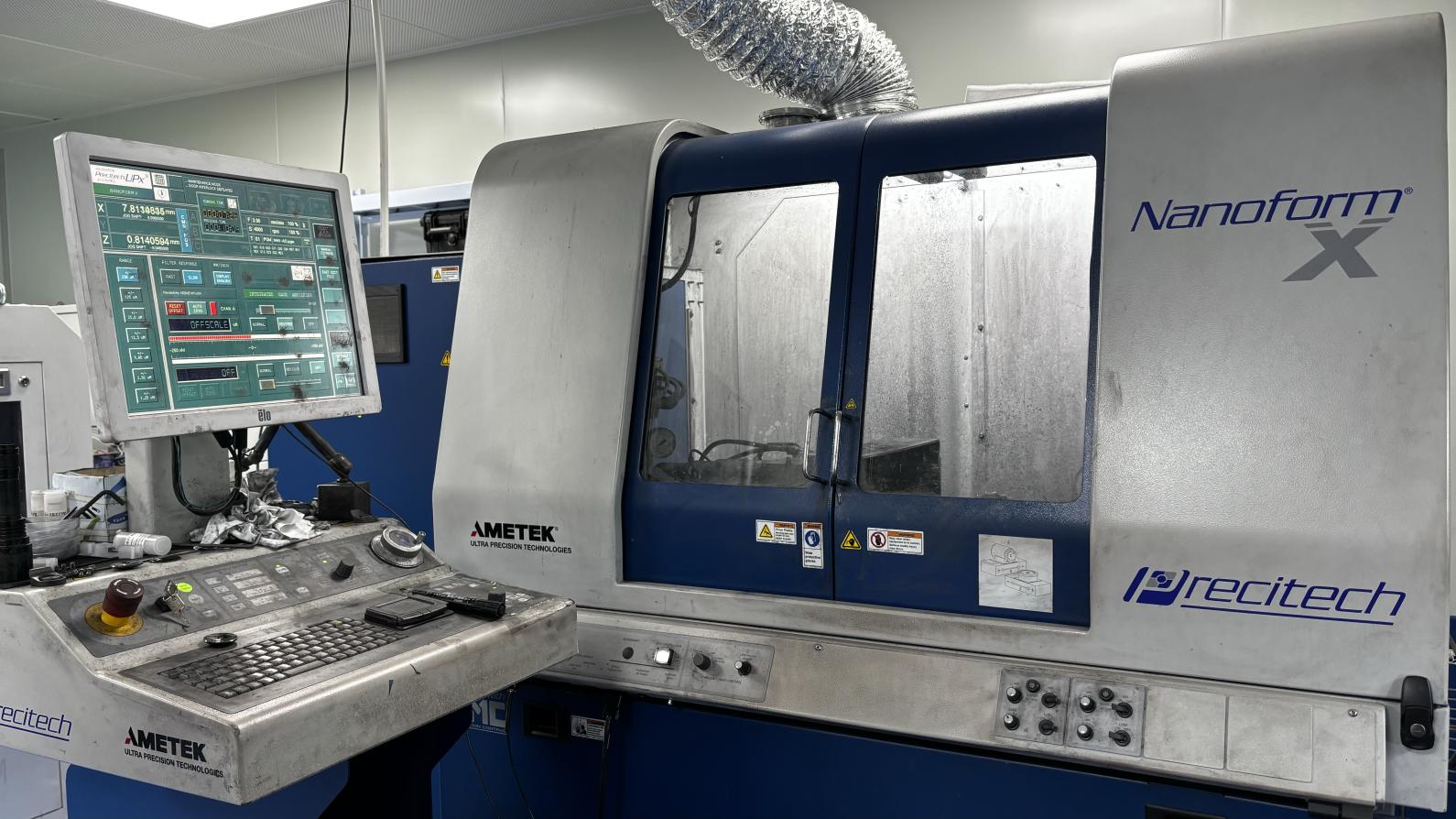
Every UPC (Ultra Physical Contact) and APC (Angled Physical Contact) ferrule undergoes 3D interferometry testing. Radius of curvature, fiber height, and apex offset are kept within rigid limits defined by Telcordia GR-326-CORE.
We source LSZH, Plenum (OFNP), and Riser (OFNR) compounds to ensure global building code compliance. Materials are RoHS and REACH certified, eliminating toxic halogen outgassing in the event of high thermal loads.
With transceiver technologies transitioning rapidly toward 400G and 800G, and planning for 1.6T speeds underway, the industry is increasingly adopting Co-Packaged Optics (CPO) and silicon photonics. High-density connector systems like MPO/MTP, MMC, and VSFF (Very Small Form Factor) connectors are becoming essential to maximize front panel space. Transolix's ongoing R&D actively focuses on integrating ultra-bend-insensitive single-mode fibers (such as G.657.B3) and multi-fiber push-on components to meet the density and loss-budget requirements of future hyperscale architectures.
From AI networking fabrics to remote telecommunication access points.
Modern spine-and-leaf setups demand low-latency links. Using low-loss OM4/OM5 and single-mode LC/MPO cabling, we guarantee minimum channel attenuation for high-speed switch-to-switch and switch-to-transceiver applications.
Optical distribution frames (ODF) and central office switching systems demand long-term mechanical stability. Our single-mode G.652.D fiber cables are designed for extreme thermal cycles in outdoor cabinets.
High EMI environments (factory floors, power sub-stations) require optical isolation. Glass-based media networks terminated with ruggedized patch cords deliver error-free connectivity under harsh operating conditions.
We maintain rigorous testing stages to ensure reliability. Our engineering standards are designed to align with ISO 9001 and meet RoHS and REACH environmental guidelines.
Optical infrastructure upgrades demand components that deliver long-term reliability. A single failed patch cord or module in a high-density switch cluster can disrupt user access and impact performance.
At Transolix, we use automated testing to verify 100% of our products, ensuring that insertion loss is documented for every shipped cable assembly. Combined with automated end-face inspection to prevent dust contamination, we ensure high quality for every patch cord and connector module we deliver.
Answers to common engineering questions regarding fiber optics, connectors, and transceivers.
G.657.A2 fiber is a bend-insensitive single-mode fiber with a reduced macro-bending radius down to 7.5mm, compared to G.652.D's standard 30mm bend radius. G.657.A2 cables minimize signal loss from tight loops and bends, making them ideal for high-density routing in data centers and FTTx deployments.
End-face geometry determines the contact area between fiber cores. Under Telcordia GR-326 standards, variables like the radius of curvature, apex offset, and fiber height must be strictly controlled. Poor geometry creates microscopic air gaps that increase reflections, lowering return loss and impacting optical transceiver performance.
We run a dedicated software compatibility lab where we test and program transceivers using the original firmware configurations of major switch and router platforms. This ensures seamless EEPROM coding and digital diagnostics monitoring (DDM) integration without causing interface warnings.
LSZH (Low Smoke Zero Halogen) jackets are made from thermoplastic compounds that emit limited smoke and zero toxic halogens when exposed to extreme heat. PVC jackets contain halogens (such as chlorine) which produce acid gas under high temperatures, making LSZH the preferred choice for poorly ventilated areas and data center hot-aisle containment systems.
Thanks to our vertically integrated supply chain and network of 860 upstream partners, prototype runs are completed in 3-5 days. Medium to large-scale production orders typically ship within 1.5 to 2 weeks, depending on component availability and custom requirements.
Yes. Every single assembly is serialized and shipped with an individual test record detailing its insertion loss (IL) and return loss (RL) across operating wavelengths (1310nm/1550nm for single-mode, 850nm/1300nm for multi-mode). Interferometer geometrical reports are also available upon request.
Completing the physical channel with high-reliability transceivers and shielding options.


 Transolix