Engineered to meet the absolute highest standards of signal integrity, durability, and density required for modern enterprise architecture.
As global data rates surge, physical spatial limits inside servers, switches, and telecommunication racks demand smarter architectural engineering.
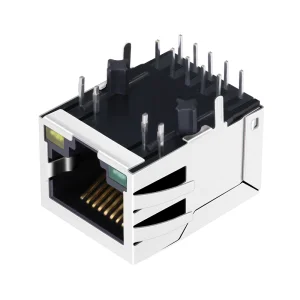
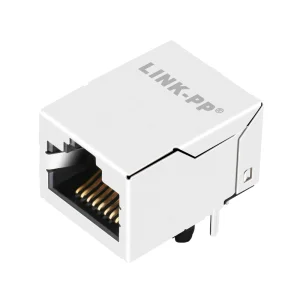
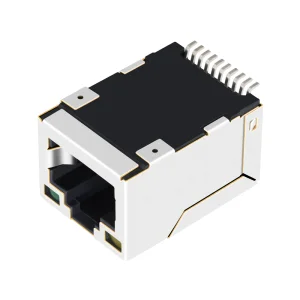
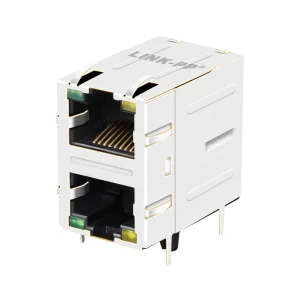
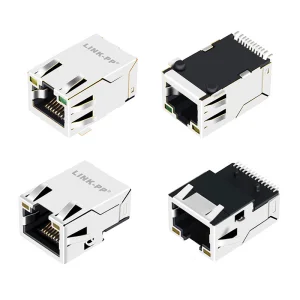
Traditional network cards and patch panels have long struggled with spatial restrictions. In standard 1U networking racks, optimizing port configuration requires migrating from standard individual RJ45 housings to high-density stacked and ganged modules (such as 2x1, 2x4, and 2x8 designs). By integrating magnetics, LEDs, and shielding directly into a single mechanical housing, developers drastically reduce PCB real estate requirements.
High density often yields physical challenges. Placing copper connections in close proximity increases the threat of electromagnetic interference (EMI) and alien crosstalk (ANEXT). Advanced Chinese manufacturers combat this by implementing proprietary multi-layered shieldings, integrated internal grounding fingers, and precision-engineered PCB layouts inside the jacks. This guarantees performance matching or exceeding Category 6A, 7, and even Category 8 requirements.
"High-density connectors are no longer merely mechanical adapters; they are critical electrical filtering components that maintain signal fidelity at the edge of physical boundaries." - Senior Telecom Infrastructure Architect
Developing solutions for future systems requires deep understanding of ongoing shifts in mechanical, electrical, and materials engineering.
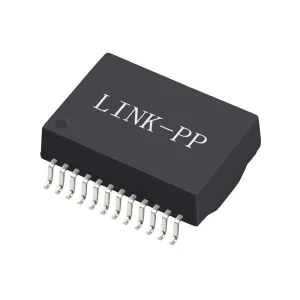
Modern B2B clients demand support for 2.5GBase-T, 5GBase-T, and 10GBase-T networks without requiring complete fiber redesigns. RJ45 high-density connectors must incorporate specialized internal wound-magnetic transformers capable of filtering higher frequencies (up to 500 MHz and beyond) without thermal degradation.
Power over Ethernet (PoE) demands continue to climb, escalating from PoE+ (30W) to PoE++ (90W/100W under IEEE 802.3bt). Connector pins are subject to severe electrical arcing damage when disconnected under load. Manufacturers must utilize premium contact coatings (e.g., 50 micro-inches of gold plating over nickel) to prevent contact erosion.
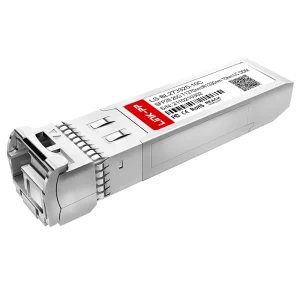
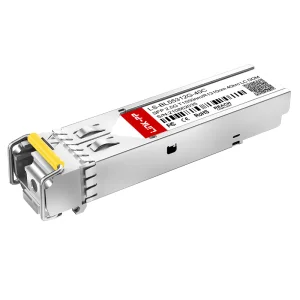
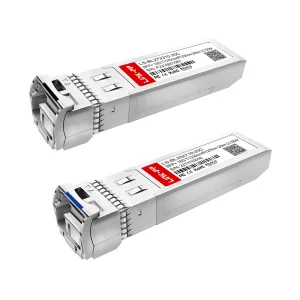
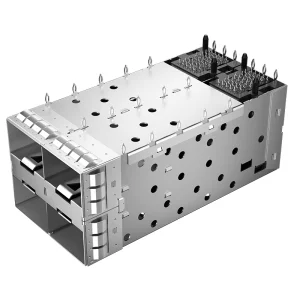
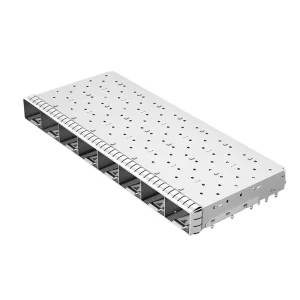
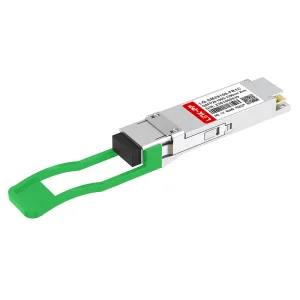
High-speed SFP cages (press-fit 2x2, 1x8, and QSFP28 modules) are increasingly packaged alongside high-density RJ45 solutions. Providing both mechanical form factors allows engineers to balance deployment costs. Copper serves short-range links, while fiber modules serve high-bandwidth backhaul connections.
Corporate purchasing teams look beyond low pricing. Long-term reliability, regulatory compliance, and mechanical endurance form the base of B2B procurement strategies.
A reliable manufacturer must show adherence to RoHS, REACH, and UL regulations. Additionally, components used in modern data centers need to undergo rigorous reliability testing, including salt spray testing (for atmospheric corrosion), temperature cycling (-40°C to +85°C), and automated optical testing. These steps help prevent system downtime downstream.
Physical wear on high-density ports is significant due to repeated field routing and testing. Buyers require connectors guaranteed for a minimum of 750 mating cycles without changes to contact resistance. High-grade phosphor bronze alloys and robust spring design keep contact interface forces consistent over years of continuous deployment.
Transolix is a professional optical transceiver and copper interconnect partner specializing in high-performance fiber optic and ethernet communication solutions for global networks.
Leveraging advanced manufacturing paradigms to output highly complex interconnect components with minimum variation and maximum yield.
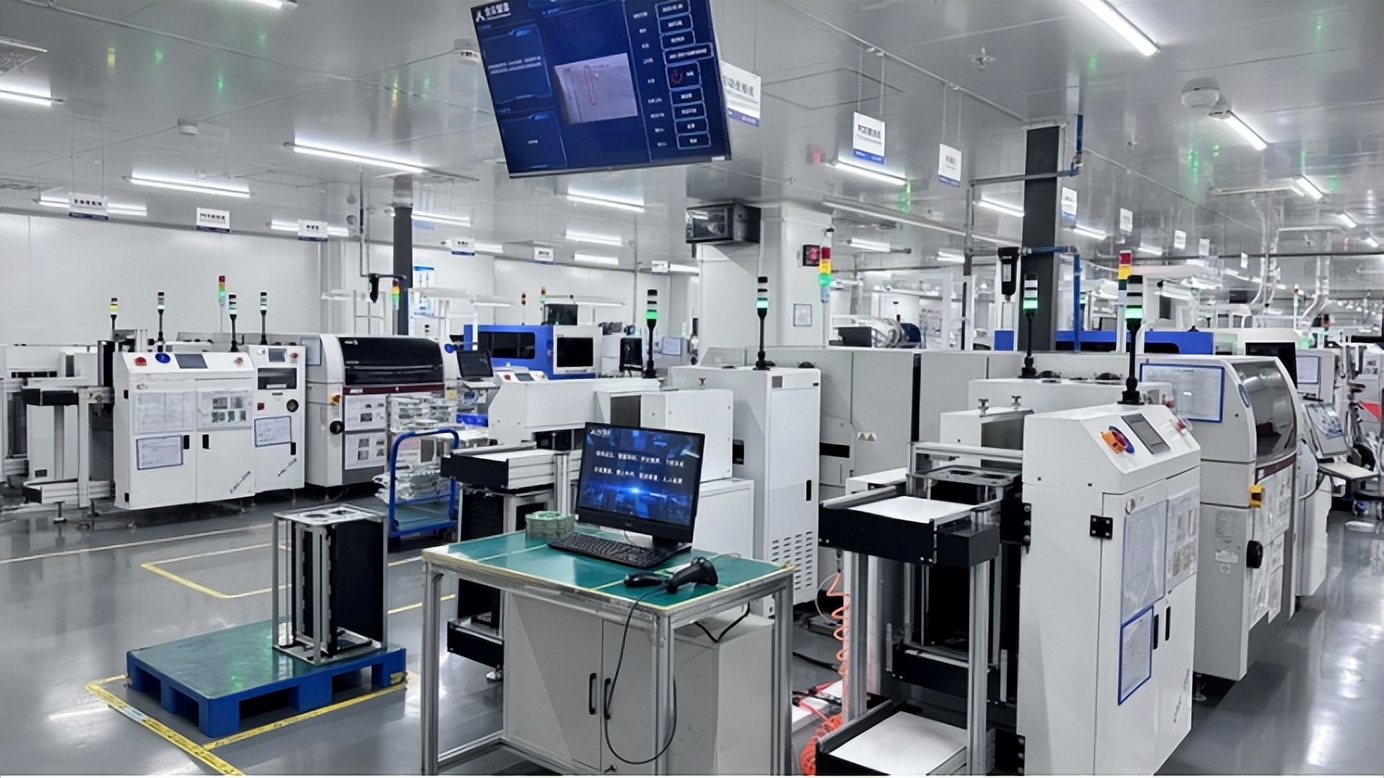
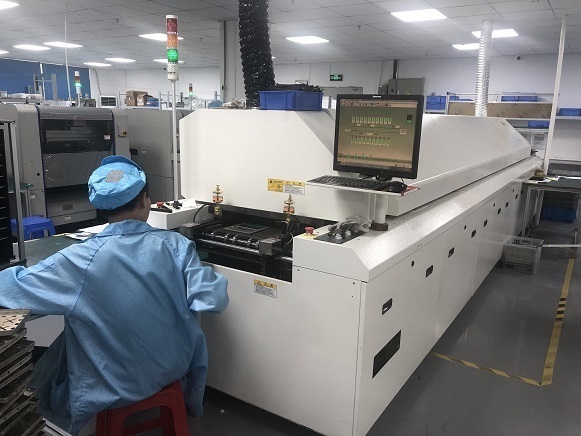
Our partner facilities use advanced pick-and-place lines, automated transformer coil winding machinery, and laser soldering equipment. Automating delicate magnetic integration helps limit manual errors, keeping transmission quality consistent across large production batches.
Transolix maintains ties with over 860 certified upstream suppliers. From high-grade raw plastics and copper alloys to advanced silicon photonic chips and optic packaging vendors, this network helps ensure production stability, shielding buyers from sudden materials supply shocks.
Leveraging professional high-speed optical design, signal integrity labs, and flexible firmware customization, we quickly adapt standard lines. We supply tailored pinouts, varying LED setups, and specific housing shapes to fit your exact engineering requirements.
Transolix is a professional optical transceiver manufacturer specializing in high-performance fiber optic communication solutions for global data centers, telecom operators, and enterprise networks. With strong engineering capabilities and scalable production capacity, Transolix is committed to delivering reliable, high-speed, and cost-effective optical connectivity products worldwide.
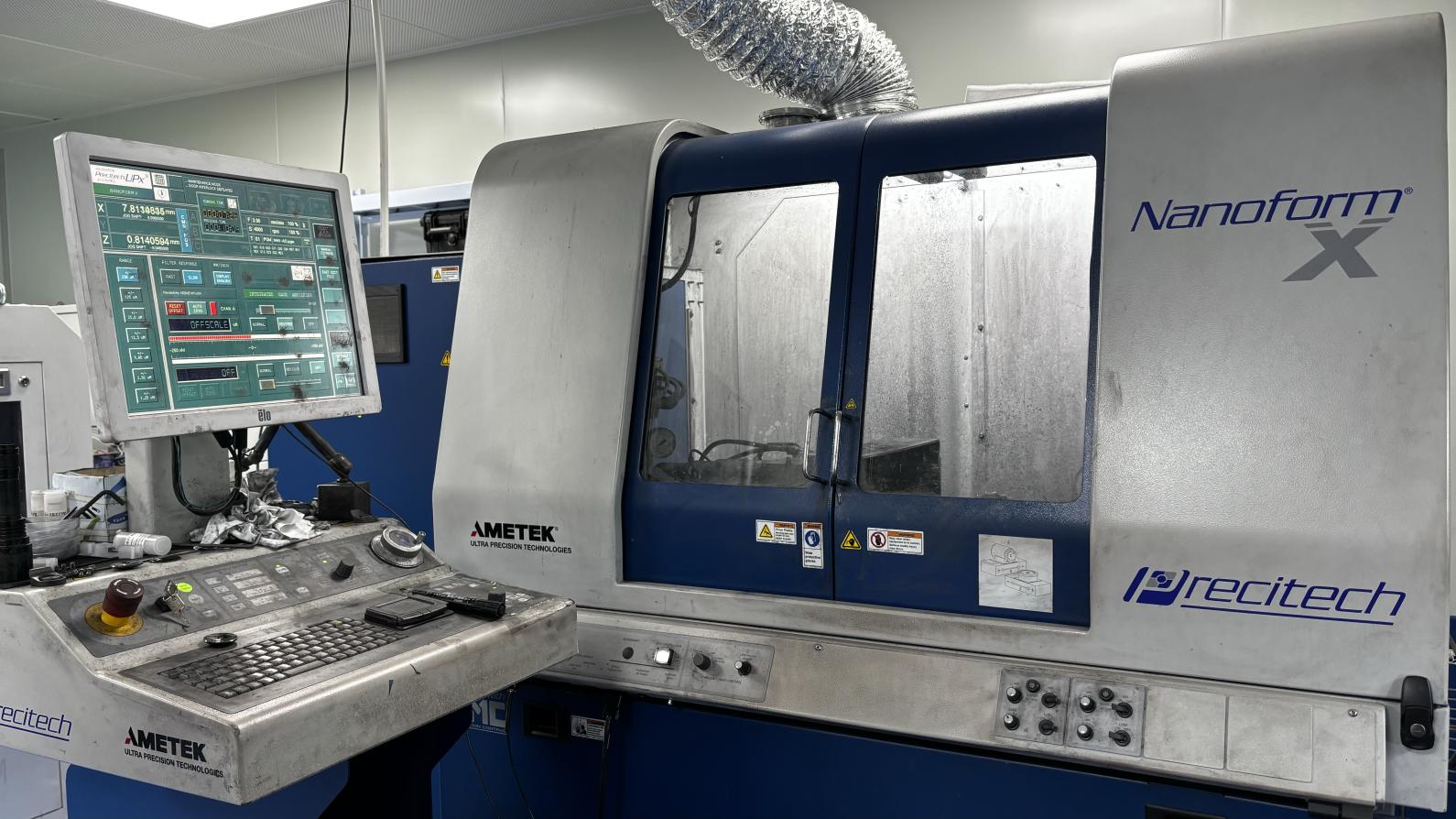
Take a visual tour through our certified manufacturing divisions, cleanroom assembly zones, and automated packaging lines.



Deploying high-density copper and optical solutions across diverse and demanding physical environments.
Our 2X2 and 1X8 SFP+ cages and copper connectors populate Top-of-Rack (ToR) and End-of-Row (EoR) network switches, managing massive data ingestion rates with zero throughput bottlenecking.
Meeting requirements for high port density per rack-unit, our modular jacks and magnetic-integrated modules allow for compact layouts in LTE/5G baseband processing hardware.
Utilizing ruggedized, waterproof pass-through connectors, we enable reliable Ethernet routing in factories, offshore mining equipment, and harsh outdoor smart-grid interfaces.
Direct answers to common electrical, mechanical, and systemic queries raised by integration engineers.
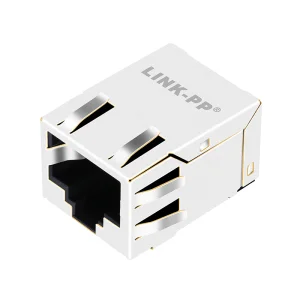
Integrating magnetics directly within the RJ45 shield housing saves valuable PCB real estate and prevents electrical noise. Magnetics placed near the physical port provide isolating protection against common-mode noise, minimizing electromagnetic radiation and reducing return loss. This layout simplifies board design, decreases component counts, and helps ensure cleaner signal transfers.
Delivering up to 90W-100W of DC power over 4 twisted pairs generates thermal output in dense rack spaces. High-density connectors must be engineered with lower contact resistance to prevent heat buildup. Additionally, the materials used for housing construction (such as high-temperature thermoplastic resins) must tolerate sustained operating temperatures without mechanical warping.
Press-fit pins provide a mechanically robust connection without requiring thermal wave-soldering. This avoids thermal shock on components, prevents solder-joint cracks, and reduces parasitics that can impair high-frequency signals. Additionally, press-fit assemblies are easier to inspect and replace in the field compared to traditional solder-pin components.
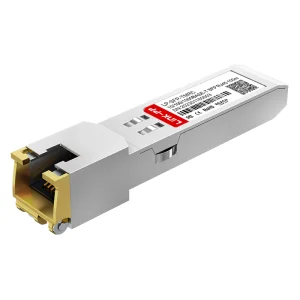
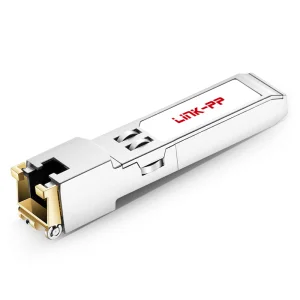
We build our compatible SFP, SFP+, and copper transceivers to comply with strict MSA (Multi-Source Agreement) guidelines and EEPROM programming standards. Every module is run through our validation lab, which hosts popular host systems from Cisco, Zyxel, Juniper, and HP. This ensures correct detection and operation with no host compatibility warnings.
Below is the continuation of our professional catalog. Direct procurement channels are open for global logistics.
 Transolix