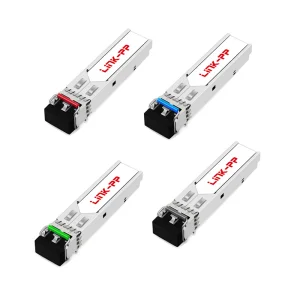
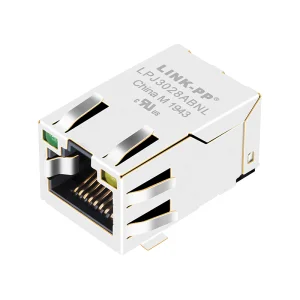
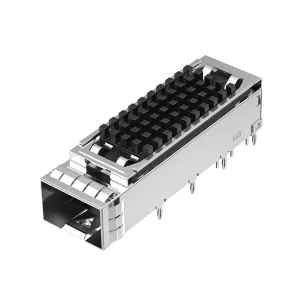
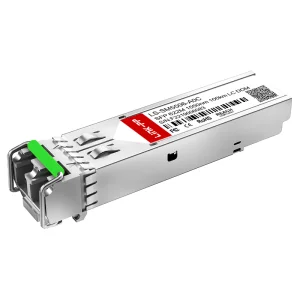
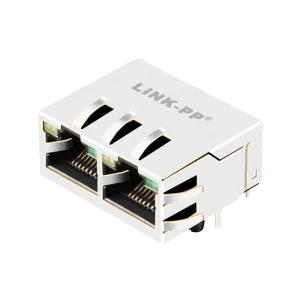
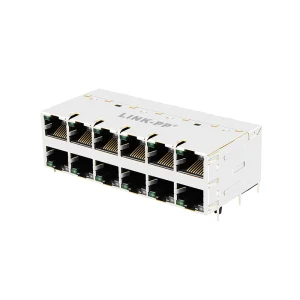
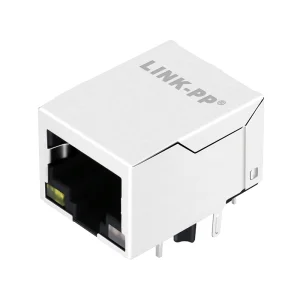
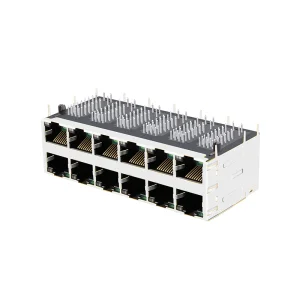
Explore our highly integrated copper modular jacks, SFP cages, and optical transceivers engineered to meet critical data transmission requirements.
Unpacking signal integrity, mechanical optimization, and manufacturing systems in modern Gigabit networks.
Modern enterprise infrastructure demands robust physical interfaces. Cat6 RJ45 connectors support 1 Gbps up to 100m and 10 Gbps up to 55m. Selecting a certified manufacturer ensures long-term operational stability and reduced network downtime.
High-density data routes require tight control of NEXT (Near-End Crosstalk) and FEXT (Far-End Crosstalk). Precision pin geometries and integrated magnetics prevent packet loss and maintain signaling speeds across mixed copper-fiber layouts.
Integrating RJ45 physical layer hardware with optical architectures like SFP/SFP+ demands vertical design consistency. Our robust ecosystem guarantees raw materials meet exact tolerances, reducing insertion loss deviations.
The standard Cat6 RJ45 connector remains the cornerstone of modern structured cabling systems. Rated for bandwidths up to 250 MHz, these components must handle both physical wear and electrical demands. Key variables like contact resistance, plating thickness, and electromagnetic shielding dictate performance differences between commodity parts and telecom-grade interfaces.
For high-frequency applications, the physical spacing of the eight copper conductors within the connector plug is vital. Standard Cat5e connectors align these wires flatly. Cat6 plugs, however, utilize a staggered arrangement to minimize internal crosstalk. When paired with shielded modular jacks, they provide an effective defense against EMI, which is critical for industrial installations and noisy server racks.
“System performance is only as reliable as its weakest link. Over 70% of physical-layer network failures in high-speed copper lines are traced back to poor connector termination, oxidation on contacts, or inadequate EMI shielding.”
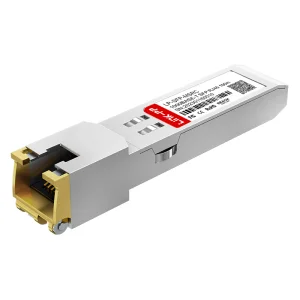
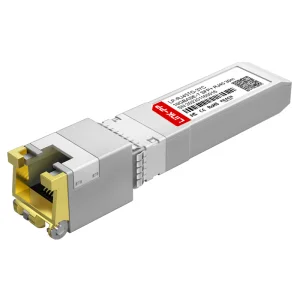
Modern data centers rarely run on copper or fiber alone. SFP transceivers, such as the HPE H3C JD089B Compatible 1.25G RJ45 Copper SFP, act as bridging interfaces. These modules allow network operators to run Ethernet over copper patch cables across standard SFP switches, eliminating expensive fiber upgrades for runs under 100 meters.
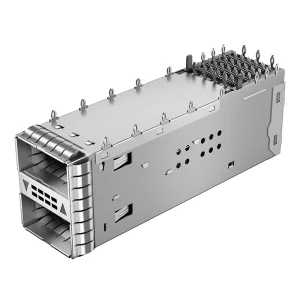
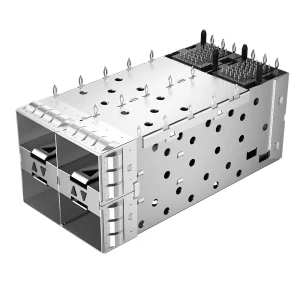
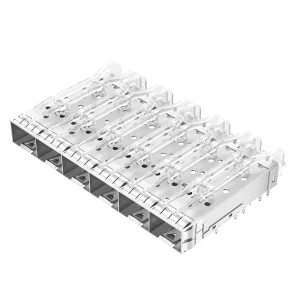
Similarly, shielding hardware like the 2227224-3 TE Compatible zQSFP+ Cage and 2007417-1 TE Compatible SFP+ Cage & Connector plays a vital role. They provide the necessary physical housing, heat dissipation pathways, and EMI mitigation to ensure high-speed transceivers operate without thermal throttling or signal degradation.
A deep look into our infrastructure, quality control systems, and strategic engineering resources.
Transolix is a professional optical transceiver manufacturer specializing in high-performance fiber optic communication solutions for global data centers, telecom operators, and enterprise networks. With strong engineering capabilities and scalable production capacity, Transolix is committed to delivering reliable, high-speed, and cost-effective optical connectivity products worldwide.
Founded with a focus on high-frequency communication pathways, we bridge the gap between copper RJ45 installations and fiber-optic backbones. Our engineering team designs and tests every component to survive rigorous, real-world operation.
Maintaining high signal-to-noise ratios (SNR) across copper and optical modules requires strict quality standards. Transolix uses a comprehensive testing pipeline:
As a cross-border B2B export-focused manufacturer, Transolix has built a reliable global supply network:


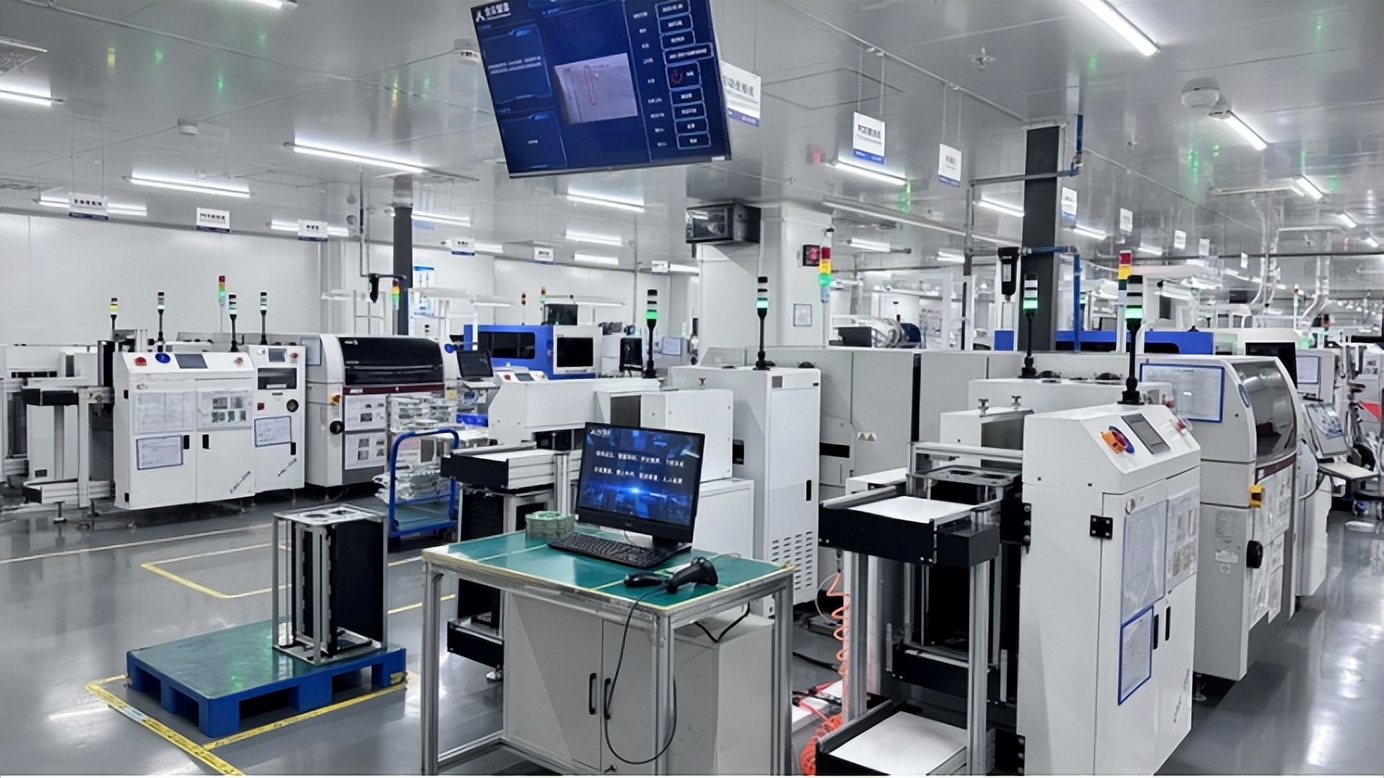
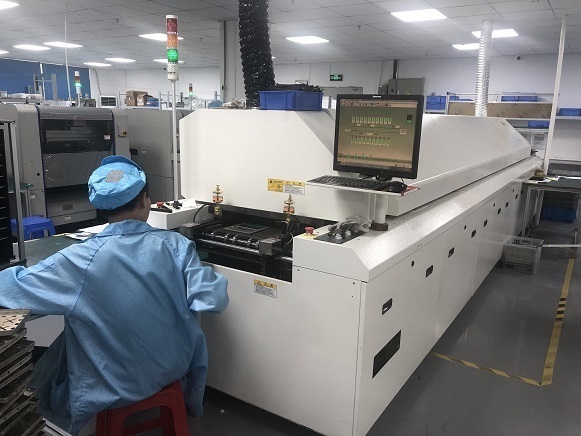

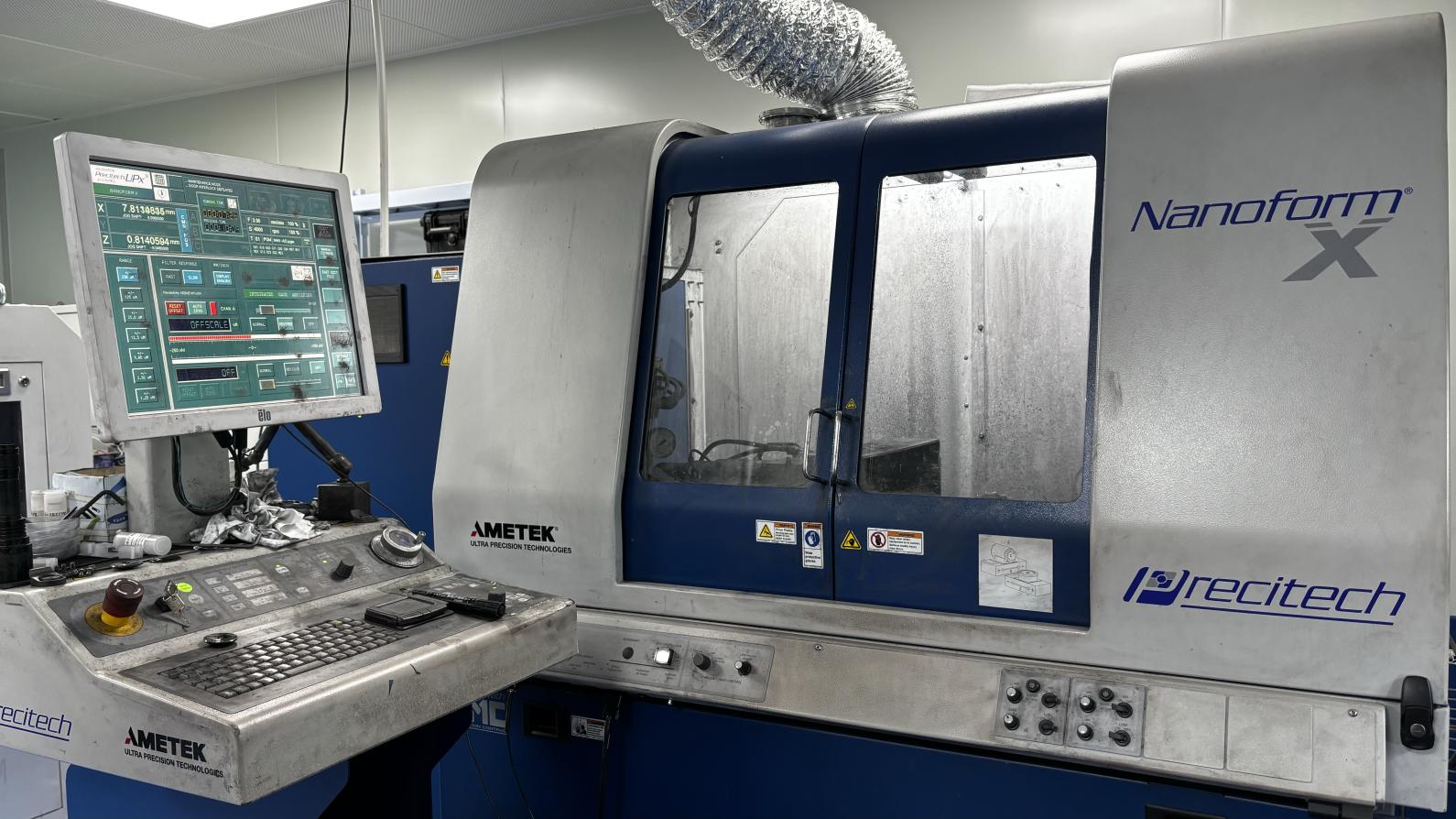
Sourcing Cat6 RJ45 connectors and SFP cages from China offers structural advantages beyond unit cost savings. Global purchasers benefit from mature technical ecosystems, rapid prototyping, and scalable logistics networks.
Chinese manufacturers operate within integrated electronics clusters. This proximity allows for quick adjustments to connector designs, whether changing PCB footprints for SMT RJ45 jacks or modifying heat sink profiles on SFP+ cages. With 860 certified suppliers, Transolix secures raw materials like phosphor bronze and 50μ" gold plating at competitive, stable prices.
Top-tier Chinese exporters prioritize international compliance. Our manufacturing processes align with IEEE specifications, RoHS standards, FCC regulations, and CE directives, ensuring seamless deployment in global enterprise networks.
From cloud data centers needing high-density zQSFP+ layouts to industrial facilities requiring EMI-resistant RJ45 sockets, our products fit diverse, complex network roles:
Answering critical engineering questions regarding connectivity, shielding, and compliance.
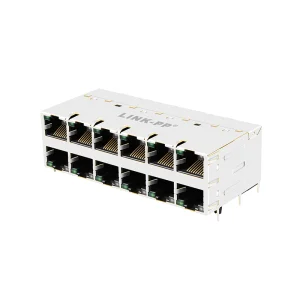
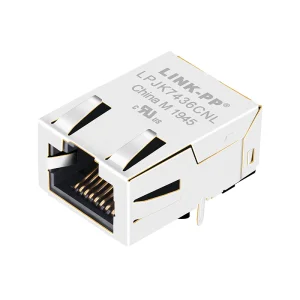
Select from our range of PCB-mounted modular jacks, multi-port RJ45 configurations, and active media converters.
 Transolix