Explore our elite selection of high-speed transceiver modules, filtered connectors, and low-profile ethernet hardware designed for maximum network integrity.
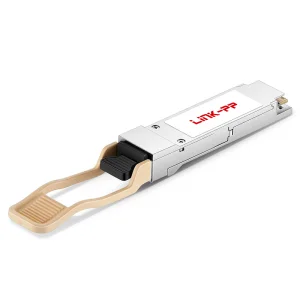
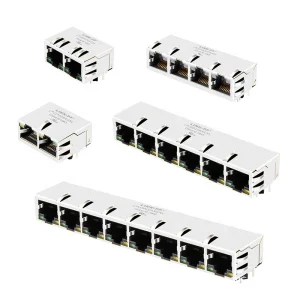
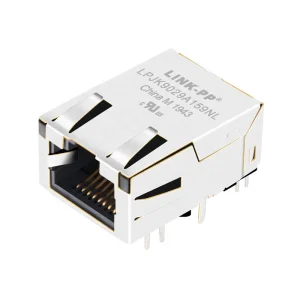
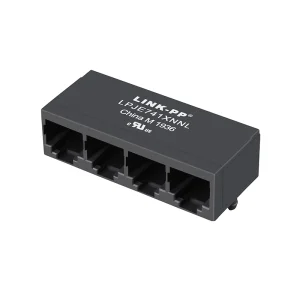
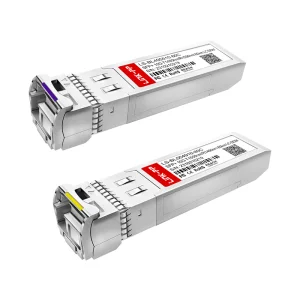
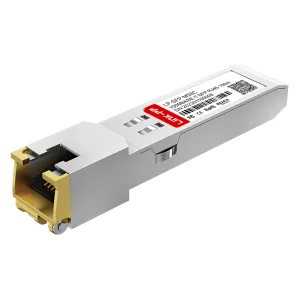
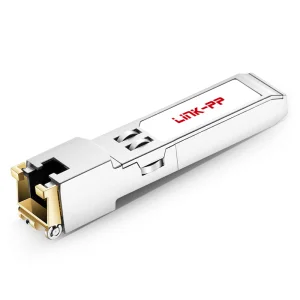
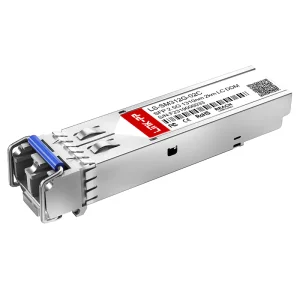
In the hyper-evolving topography of global data systems, the demand for low-latency, energy-efficient, and budget-optimized interconnect bandwidth has elevated Multi Mode SFP Modules into a critical design vector. Often driven by vertical-cavity surface-emitting laser (VCSEL) technologies operating at the 850nm or 910nm window, multimode optical systems offer the ideal economic and performance intersection for links ranging from 10 meters up to 500 meters.
Unlike single-mode fiber architectures which mandate sub-micron alignment tolerances and highly complex edge-emitting DFB/EML lasers, multi mode systems deploy a broader core diameter (typically 50μm for OM3, OM4, and OM5 grades). This design drastically scales down the alignment complexities within the optical sub-assembly (OSA), enabling robust, field-pluggable interfaces that significantly drop total cost of ownership (TCO) in corporate local area networks (LANs), storage area networks (SANs), and high-performance computing (HPC) clusters.
"The strategic choice of Multi Mode SFP systems over Single Mode in intra-cabinet and intra-hall topologies yields up to a 40% reduction in transceiver power dissipation and up to a 60% savings on active hardware capitalization."
At the heart of the Multi Mode Small Form-Factor Pluggable (SFP) module's efficiency is the mode structure of light propagation. The larger core diameter of multimode fiber permits multiple spatial modes (optical paths) to travel down the core simultaneously. To combat the natural phenomenon of modal dispersion—where differing modes arrive at the receiver at varying intervals, causing signal overlap and bit errors—the industry has standardized on graded-index profiles. Graded-index cores slow down internal optical paths and accelerate external ones, harmonizing arrival times at the photodiode.
Furthermore, modern architectures utilize Digital Diagnostics Monitoring (DDM) or Digital Optical Monitoring (DOM) compliant with the SFF-8472 industry agreement. This empowers network architects to dynamically inspect real-time variables such as:
Staying ahead of the curve: how next-generation standards and changing transmission mediums are redefining short-reach optics.
The progression from legacy Non-Return-to-Zero (NRZ) to 4-Level Pulse Amplitude Modulation (PAM4) doubles the transmission throughput without demanding twice the optical bandwidth, facilitating the jump from 25G to 50G and 100G per lane.
Wideband Multimode Fiber (OM5) allows Shortwavelength Division Multiplexing (SWDM) to multiplex up to 4 channels on wavelengths between 850nm and 953nm, drastically reducing fiber count requirements for high-speed upgrades.
Sustainability parameters are steering the engineering of SFP optical engines to achieve power limits below 1.0W per module, effectively minimizing cooling overhead in massive hyperscale layouts.
Modern telecommunication procurement offices and enterprise engineering teams no longer evaluate optoelectronic transceivers simply on unit cost. The modern metrics for network growth focus heavily on deployment resilience, multi-platform firmware compatibility, and sustainable supply-chain cycles. Let’s evaluate the three pillars of global multi mode sourcing:
Deploying network systems frequently entails managing a heterogenous array of switching platforms (e.g., Cisco, Arista, Juniper, Dell, and HP). Our Multi Mode SFP Modules are programmatically initialized in our laboratories to align perfectly with the host-device Eprom register checks. By flashing tailored MSA compliance codes and vendor-specific handshake protocols, we guarantee seamless integration without triggering "unsupported transceiver" system errors.
Within modern data center topologies, switches are tightly clustered, creating severe thermal microclimates. Our optoelectronic modules are engineered with upgraded thermal heat sinks and high-grade VCSEL lasers that safely operate in standard Commercial Temperature ranges (0°C to 70°C) as well as ruggedized Industrial Temperature specifications (-40°C to 85°C), ensuring uninterrupted packet flow.
To cushion network expansion projects from supply chain disruption, we execute scheduled supply-cycle forecasting. By partnering with over 860 certified upstream vendors (including industry-leading laser and photodiode foundries), we maintain a consistent flow of semiconductor dies and packaging components, ensuring rapid turnaround on volume purchases.
A trusted global supplier of advanced fiber optic connectivity solutions, scaling telecommunication limits with precision engineering.
Transolix is a professional optical transceiver manufacturer specializing in high-performance fiber optic communication solutions for global data centers, telecom operators, and enterprise networks. With strong engineering capabilities and scalable production capacity, Transolix is committed to delivering reliable, high-speed, and cost-effective optical connectivity products worldwide.
Founded on extensive industry expertise, our production facilities are optimized to deliver high-performance optical engineering. From automated optical testing, eye diagram calibration, to deep-dive thermal chamber aging, our QA protocols ensure that each Multi Mode SFP Module arrives at your facility ready to maintain perfect link uptime.



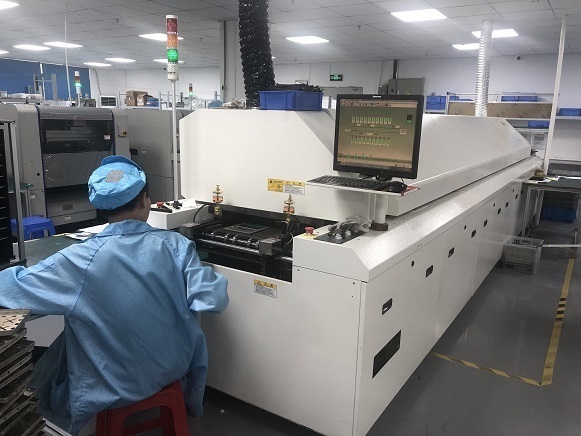


Every single optical transceiver shipped from the Transolix floor must clear a multi-stage validation matrix. We operate in strict alignment with ISO 9001 and internal reliability benchmarks, maintaining a dedicated group of 42 QC professionals who oversee the execution of:
We support a diverse suite of OEM/ODM options to meet unique physical, environmental, or operational parameters:
As data center architectures pivot from 100G configurations toward 400G and 800G, the short-reach optical interconnect ecosystem is undergoind radical innovation. The future roadmap hinges on three structural design updates:
1. Transition to VCSEL Arrays & PAM4: Current 100G and 200G multi mode products utilize 25G/50G per lane using PAM4 modulation. The upcoming generation extends to 100G per lane VCSEL arrays, driving 400G and 800G over multi mode MPO/MTP structures without necessitating single-mode optical engines.
2. Silicon Photonics (SiPh) Integration: By integrating silicon-based optical modulators directly onto microelectronic chips, future modules will drastically cut power loss, lower component counts, and achieve higher signal speeds.
3. Co-Packaged Optics (CPO): For 51.2Tbps and 102.4Tbps switches, moving the transceivers from the front-panel pluggable ports and placing them directly onto the switch ASIC board eliminates high-frequency PCB trace loss, resolving a major bottleneck in ultra-high-speed networks.
Expert insights into common technical questions, deployment strategies, and module optimization.
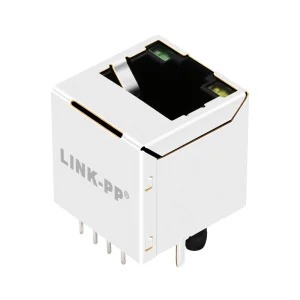
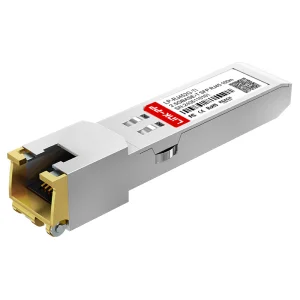
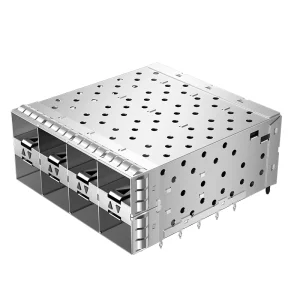
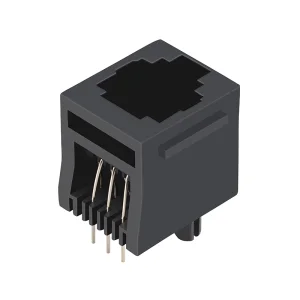
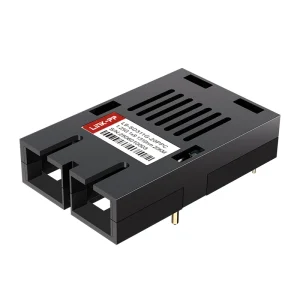
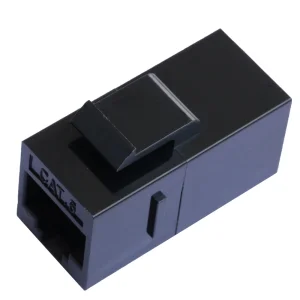
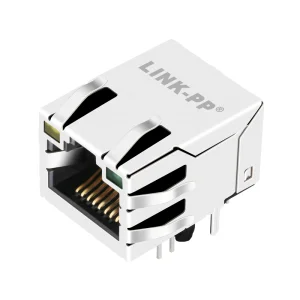
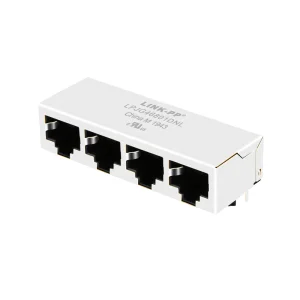
Complete your network topology with our high-speed single-mode/copper transceivers, stacked SFP cages, and robust modular jacks.
 Transolix