Explore our core catalog of enterprise-grade SFP transceivers, shielded RJ45 modules, and EMI-suppressed cages optimized for high-density environments.
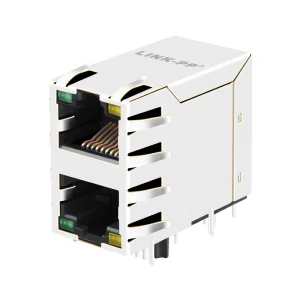
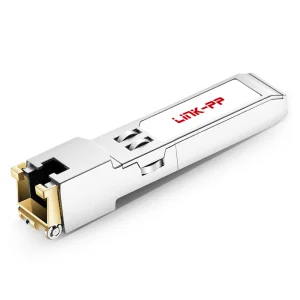
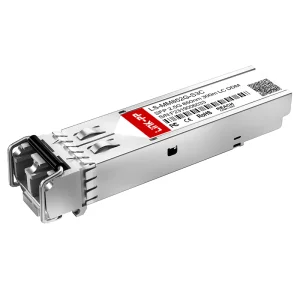
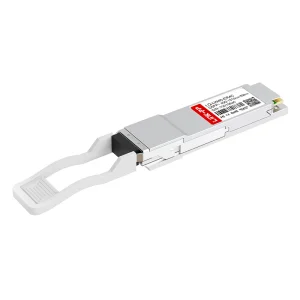
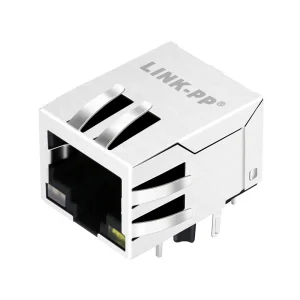
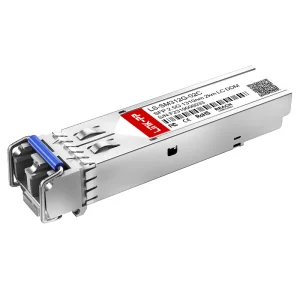
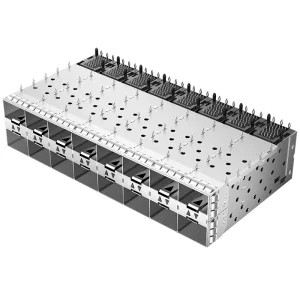
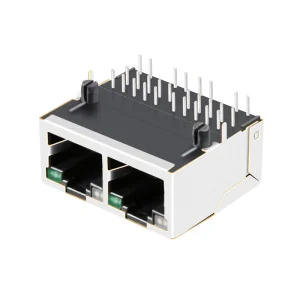
In modern hyper-scale data architectures and telecommunications infrastructures, the physical layer interface serves as the foundational gatekeeper for data integrity, latency mitigation, and overall system availability. As data rates scale from legacy Gigabit Ethernet to multi-gigabit domains, the demands placed upon hardware connectors—specifically RJ45 interfaces, integrated magnetic modules, and small form-factor pluggable (SFP/SFP+) cages—have intensified. Signal attenuation, electromagnetic interference (EMI), thermal dissipation, and mechanical insertion tolerance are no longer secondary manufacturing variables; they are primary metrics that define systemic operational efficiency.
Transolix stands at the vanguard of this engineering shift. Through rigorous materials science and strict adherence to Multi-Source Agreements (MSAs), our custom OEM RJ45 connectors and optical components ensure complete mechanical and electrical compatibility across heterogeneous networks. This comprehensive whitepaper provides an authoritative overview of our engineering strategies, industrial manufacturing capabilities, and global trade structures.
As clock speeds increase, copper conductors act as antennas, broadcasting high-frequency electromagnetic fields that induce near-end crosstalk (NEXT) and far-end crosstalk (FEXT) in adjacent circuits. In response, Transolix integrates advanced shielding methodologies into its RJ45 and SFP architectures.
We employ premium copper alloys and nickel-plated structural envelopes to construct Faraday cages around signal pins, redirecting electromagnetic noise directly to the chassis ground.
Integrated MagJacks (such as our LPJK7001AGNL and 62F-1204GYD2 series) embed high-density toroidal transformers and common-mode chokes to filter out high-frequency transient voltages.
Our multi-port modules, including the 2x1 and 2x8 SFP+ structures, feature strategically placed ground tabs to maintain low-impedance pathways under dynamic mechanical loads.
By using automated structural simulation tools during the early prototype phase, our engineering teams optimize the internal routing of lead frames. This process helps minimize impedance discontinuities and guarantees return-loss limits that comfortably exceed IEEE 802.3 standards.
Our TE-compatible series (e.g., the 2169788-6 2x8 port shielded cage and 2007251-1 press-fit assembly) are reverse-engineered using precision laser metrology. This ensures 100% mechanical footprint compatibility on host PCB layouts, allowing procurement officers to easily swap components without modifying board layouts or tooling.
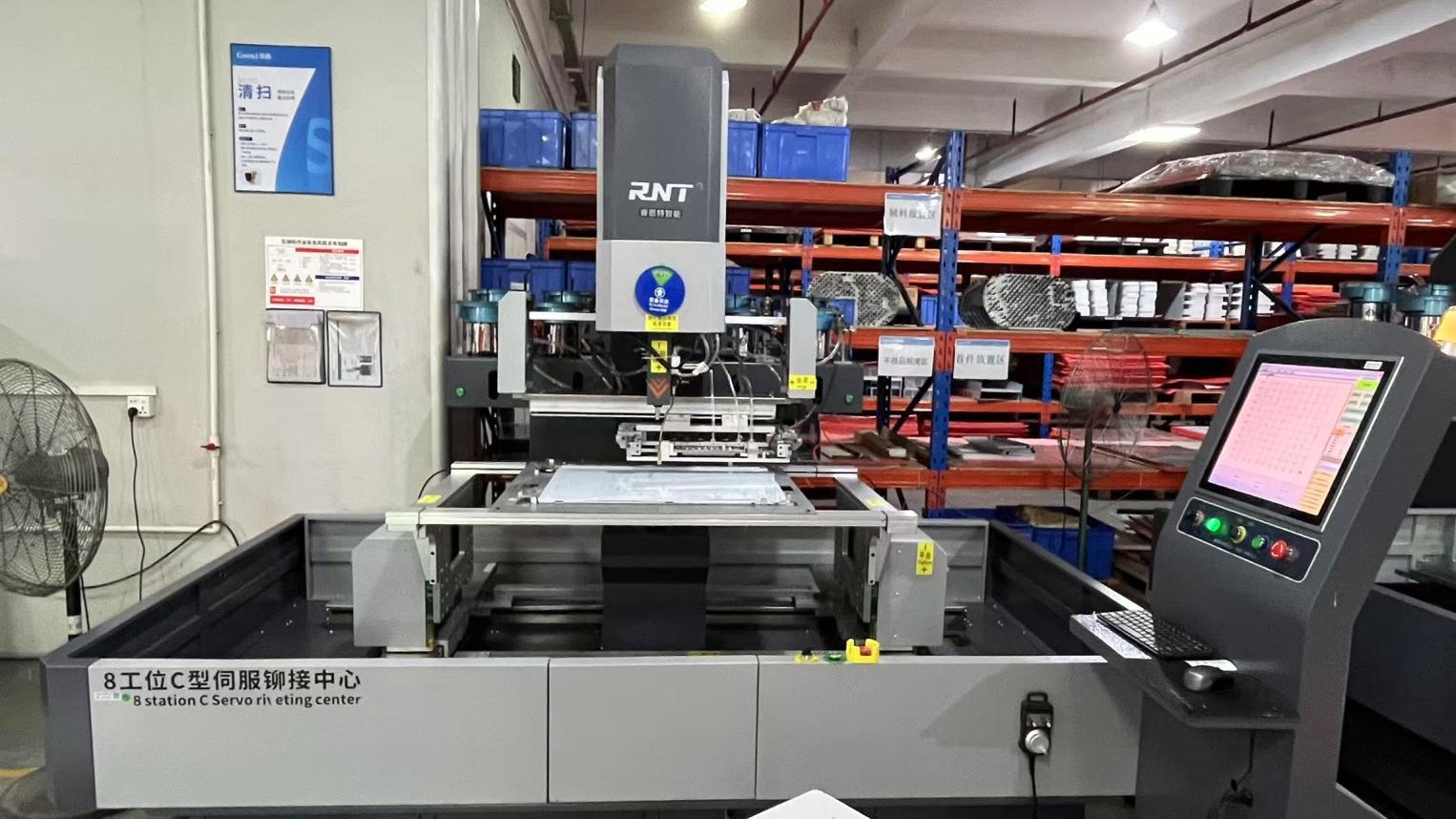
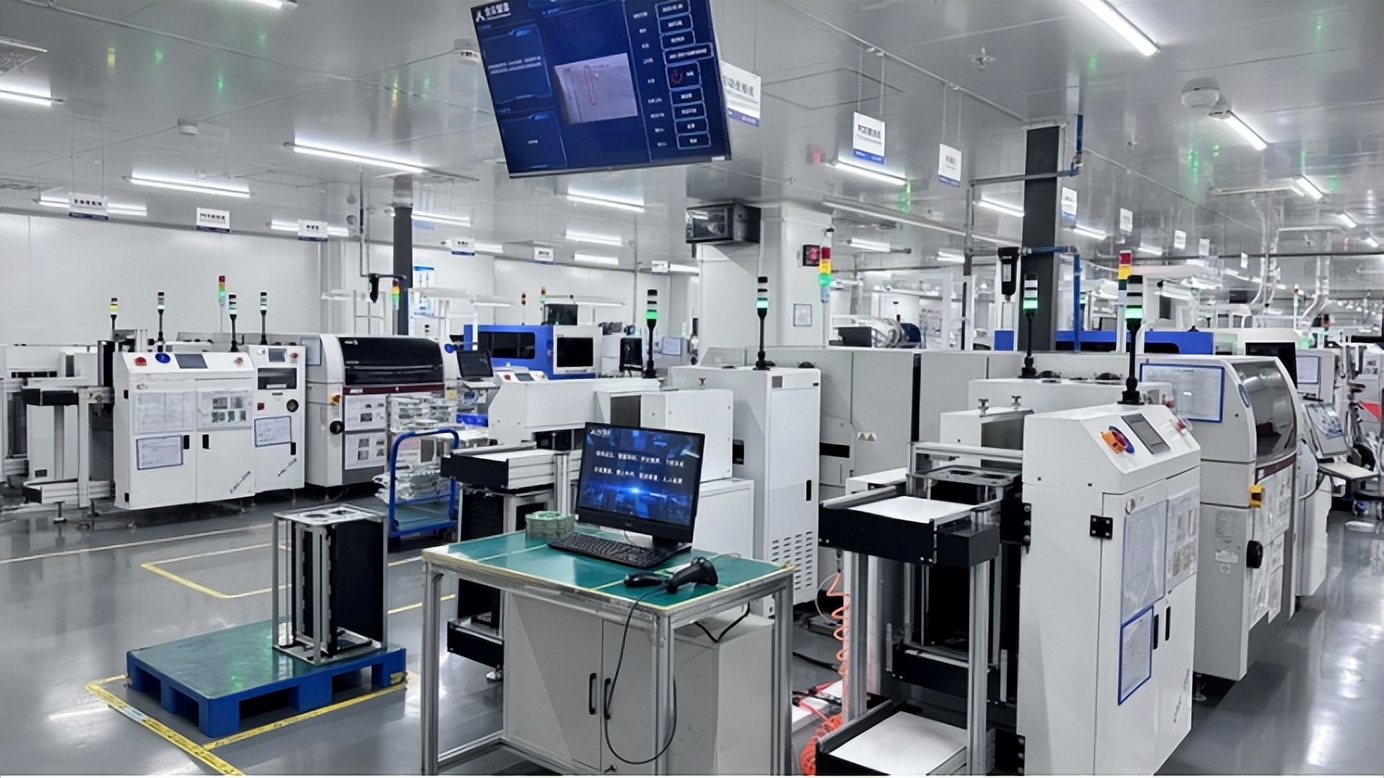
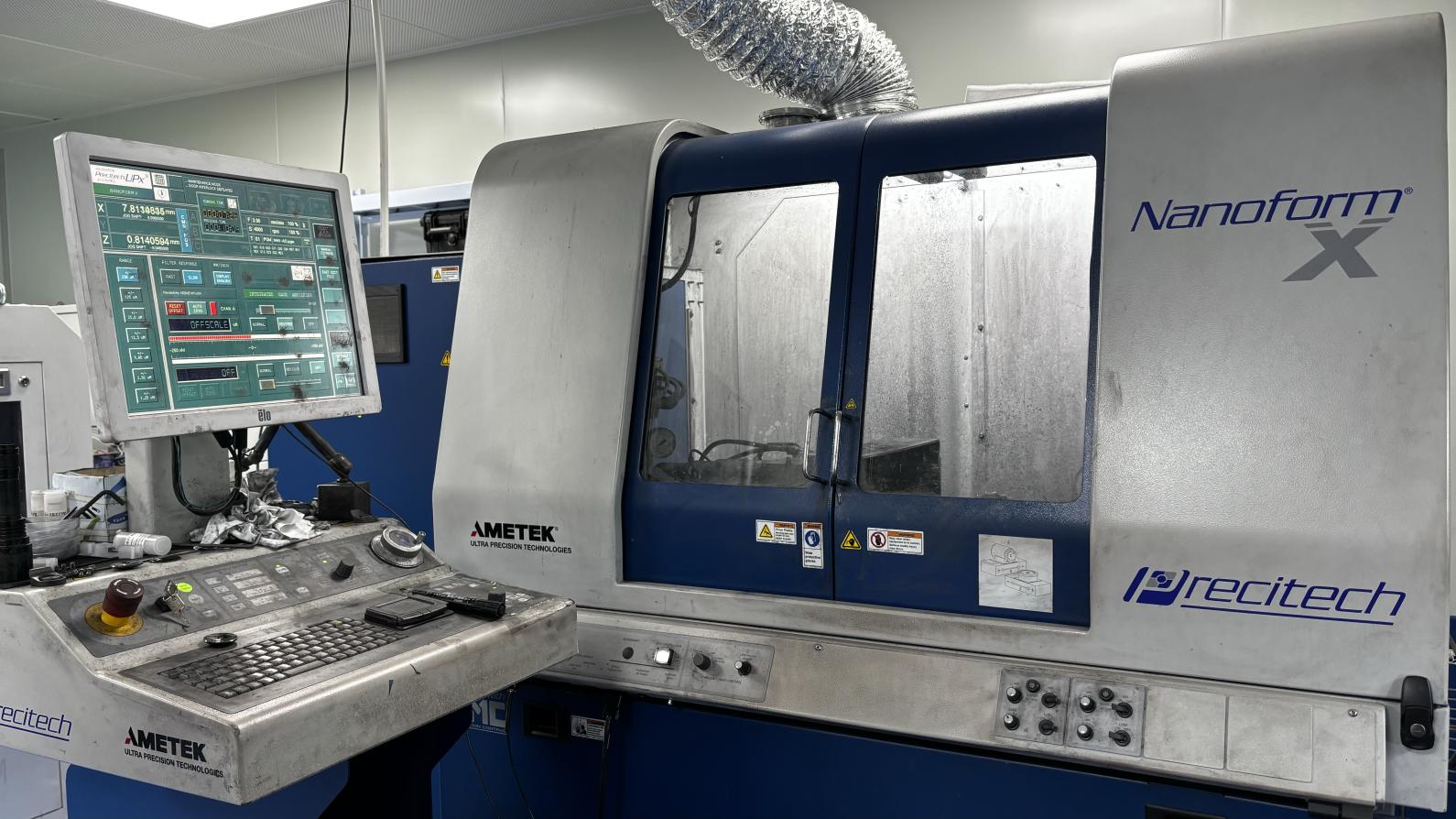
A common misconception in B2B hardware procurement is that physical production footprints dictate quality or scaling limits. At Transolix, our headquarters hosts a specialized 320㎡ high-precision Cleanroom & Signal Integrity Lab dedicated to high-speed optical testing, physical testing, and quality control. This R&D center serves as the hub for our larger ecosystem of 860 certified upstream and downstream contract manufacturing partners.
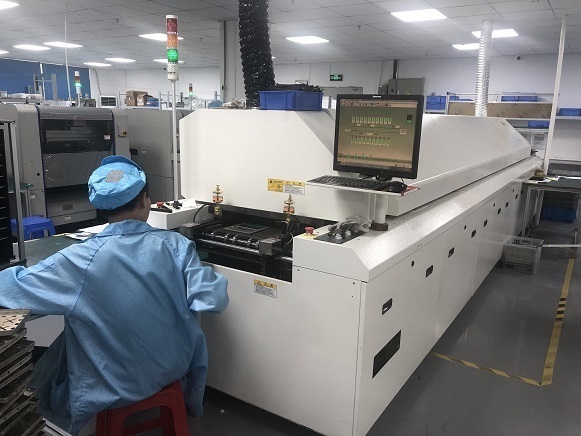
This asset-light, highly agile structure allows us to scale production without the bottlenecks of traditional manufacturing plants. When custom OEM demands surge, our engineering team manages production across specialized fabrication lines. We oversee material trace logs, verify die-attachment parameters, and perform automated optical inspection (AOI) under a centralized Quality Management System (QMS).
In the past year alone, our 128 R&D engineers released 86 new product models, ranging from low-profile telecom jacks to 40G QSFP+ transceivers. This balance of physical control and ecosystem partnerships ensures that Transolix can scale from small prototype batches to high-volume multi-million unit production runs.
Ensure network performance with our press-fit cages, copper transceivers, and single-mode optical interfaces built to global enterprise standards.
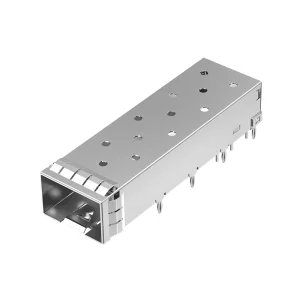
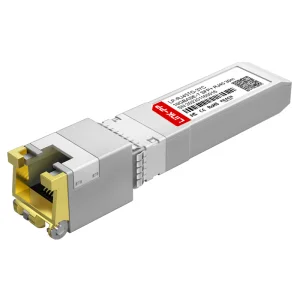
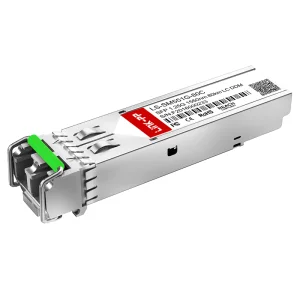
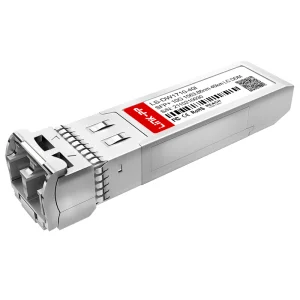
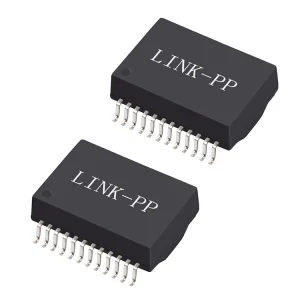
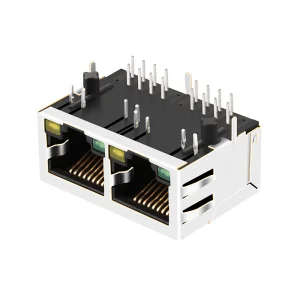
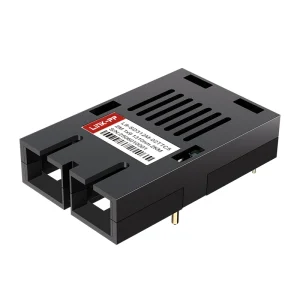
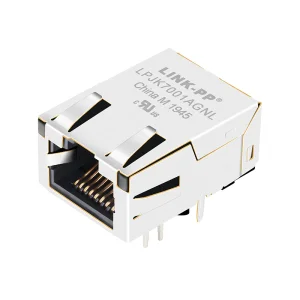
The landscape of B2B electrical connections is transitioning toward higher bandwidth requirements and denser architectures. Key shifts include the migration from Cat5e and Cat6 to Cat6a and Cat8.2 specifications, which support data rates up to 40Gbps over short distances. At the same time, hardware footprints are shrinking, driving the adoption of low-profile magnetic jacks like the LPJK7001AGNL.
To meet these needs, Transolix focuses on three primary R&D pathways:
Transolix designs hardware solutions tailored to specific vertical industries, balancing cost and performance:
To support these applications, Transolix provides localized technical support and maintains compliance with global trade standards. All products carry CE, FCC, RoHS, and REACH certifications, simplifying integration into regulated markets across North America, Europe, Southeast Asia, and the Middle East.


Get authoritative answers on hardware interoperability, shielding specifications, and OEM customization processes.
Our transceivers and modular components are designed to meet standard Multi-Source Agreements (MSAs). For major equipment vendors, we program specific configurations and run target hardware simulations in our lab. This ensures that SFP modules and RJ45 interfaces connect reliably without triggering firmware lockouts.
We use automated optical testing and eye diagram analysis to evaluate jitter and margin levels. High-speed transceivers undergo bit error rate (BER) and environmental stress testing under load. This multi-stage validation ensures stable performance even in electrically noisy industrial setups.
Yes. We can customize wavelengths, mechanical sizes, transmission lengths, protocol profiles, and transceiver firmware to meet specific system designs.
Standard component orders ship in 2 to 4 weeks, depending on component availability and production volume. Custom engineering designs requiring specialized PCB layouts or firmware modification typically require 6 to 8 weeks of development and validation time.
 Transolix