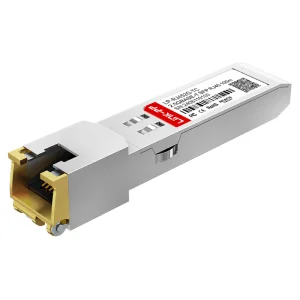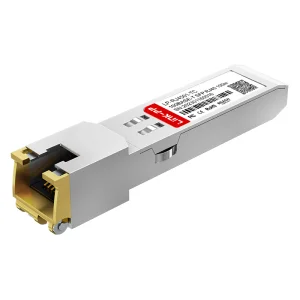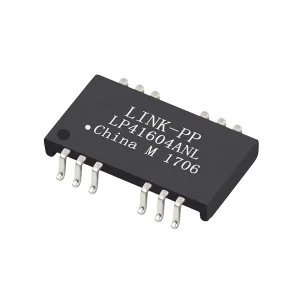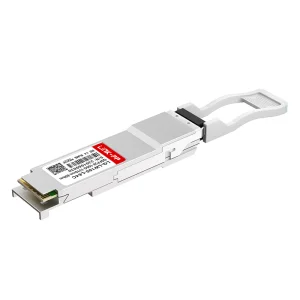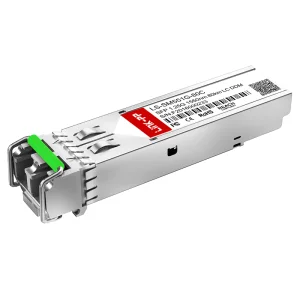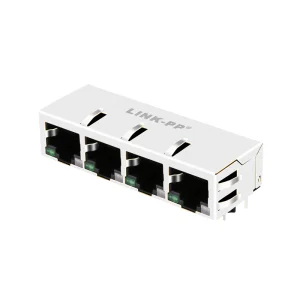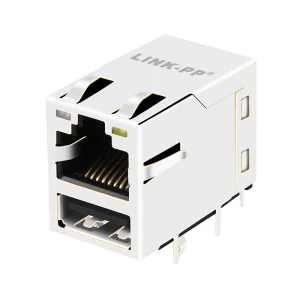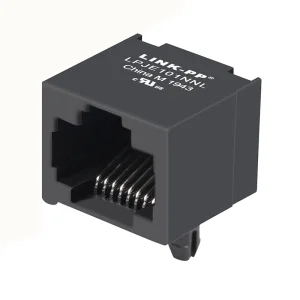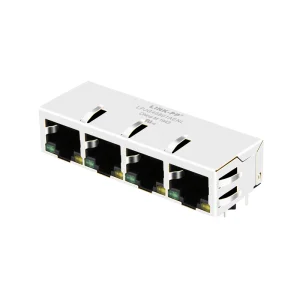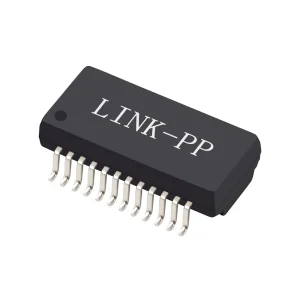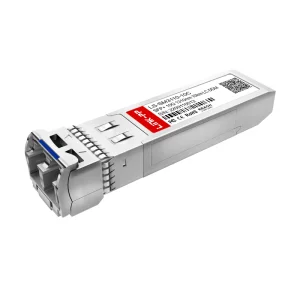
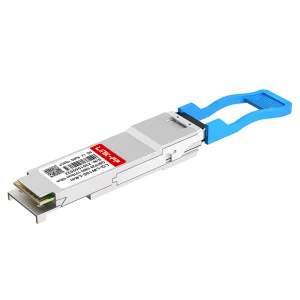
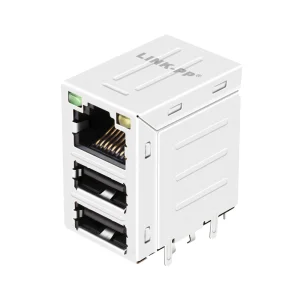
In today's hyper-connected industrial and enterprise landscape, the global demand for custom OEM RJ45 Ethernet jacks is scaling beyond conventional consumer electronics limits. Corporate procurement managers, lead hardware engineers, and systems integrators are no longer looking for simple plastic connectors. They require highly optimized Integrated Connector Modules (ICMs) that combine filtering magnetics, electromagnetic interference (EMI) shielding, ESD protection, and Power over Ethernet (PoE/PoE+/PoE++) capacities in a single robust package.
Procuring entities operating across North America, Europe, and the Asia-Pacific region emphasize electrical reliability, standardized footprints (such as Tab-Up or Tab-Down modular designs), and compliance with strict standards like ISO 9001, IEEE 802.3, RoHS, and REACH. As network speeds scale from Gigabit Ethernet to 2.5G, 5G, and 10G copper connections, custom pinouts, optimized common-mode chokes, and superior gold plating thickness (up to 50 micro-inches) become the critical differentiators that prevent expensive network downtime in field deployments.
Established in 2016, Transolix has evolved into a premier B2B manufacturer specializing in high-performance copper and optical interconnect solutions. As an export-oriented company with a specialized build area of 320m², Transolix combines flexible prototype scaling with massive upstream supply chain connections. By collaborating with 860 certified raw material, chipset, and optical subcomponent vendors, we provide custom OEM configurations that fit exact customer requirements.
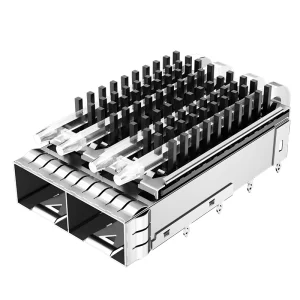
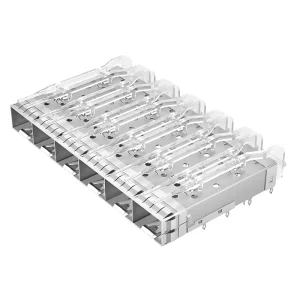
Our engineering division released 86 new product models last year alone, focusing on signal integrity optimization, PoE capability matrices, and multi-port SFP+ cage structures. From cloud services operators and telecom carriers to high-end automation integrators, Transolix provides direct-factory support, ensuring that custom firmware configurations, shell geometry, and internal schematics align with the highest expectations of the telecommunication sector.
When selecting customized RJ45 connectors for enterprise applications, procurement managers must evaluate several technical parameters. The table below provides a detailed benchmark comparison of standard RJ45 modular jacks against our customized high-performance Integrated Connector Modules (ICMs).
| Feature Parameter | Standard Commercial RJ45 | Transolix Custom OEM Integrated RJ45 Jack | Primary Technical Advantage |
|---|---|---|---|
| Galvanic Isolation | None (External Transformer Required) | 1.5kV - 2.25kV AC Integrated | Reduces PCB footprint, improves surge resistance. |
| EMI/RFI Shielding | Unshielded / Thin Nickel Plated Brass | Multi-point Grounding Spring Tabs, Tin/Copper Alloy | Superior attenuation of high-frequency noise. |
| PoE/PoE+/PoE++ Rating | Not rated for current load | IEEE 802.3at / 802.3bt (Up to 90W per port) | Supports high-power edge equipment (IP Cameras, APs). |
| Gold Plating Options | 3u" to 15u" flash plating | 50u" (Micro-inch) pure gold over nickel plating | Guarantees 750+ mating cycles without oxidation. |
| Operating Temp Range | 0°C to +70°C | -40°C to +85°C (Industrial Grade Option) | Enables deployment in harsh outdoor/industrial setups. |
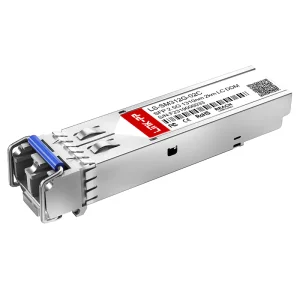
Modern RJ45 and optical transceiver structures are deployed across vastly different networks. Each industry requires unique modification to physical dimensions, grounding interfaces, and electrical filters. As a premier custom OEM manufacturer, Transolix tailors product configurations to survive and excel in the following specialized setups:
Data environments require extreme spatial density and rapid copper/fiber conversions. By integrating RJ45 jacks adjacent to SFP/SFP+ cage clusters on out-of-band management switches, we optimize crosstalk control. Advanced shielding prevents electromagnetic coupling from adjacent high-speed twinaxial or optical lines.
Industrial setups are plagued by voltage fluctuations and extreme electrical noise from high-voltage motors. Our custom MagJacks implement specific differential-to-common-mode conversion rejection filters, keeping data packets intact during heavy machine operation while maintaining operating temperatures between -40°C to +85°C.
Modern base stations and telecom routers leverage integrated RJ45 connectors capable of routing high-power PoE++ (up to 90W) to power remote radio heads and high-bandwidth wireless transmitters. We use specialized high-temperature thermoset plastic housing material to prevent thermal deformation over decades of usage.
Designing high-performance connectors involves managing high-frequency parasitics, signal attenuation, and impedance mismatches. The transition to higher frequency standards like Cat6a (up to 500 MHz) and Cat8 (up to 2000 MHz) demands rigorous internal modeling of electromagnetic fields. At Transolix, our R&D division of 128 engineers utilizes advanced EDA tools and Time-Domain Reflectometry (TDR) to map signal paths and eliminate impedance dips.
Maintaining a precise 100-ohm differential impedance throughout the internal leads and contacts of the RJ45 jack minimizes signal reflections (Return Loss), ensuring error-free transmissions at lengths up to 100 meters.
By physically adjusting the orientation of lead frames inside the housing, our engineers introduce tiny capacitive adjustments that cancel out inductive crosstalk between adjacent wire pairs.
Integrating toroids and high-voltage capacitors allows our custom MagJacks to absorb electrostatic discharges (ESD) and resist surges up to 6kV, safeguarding sensitive PHY chips on parent motherboards.
Transolix is actively developing hybrid copper-fiber interfaces and ultra-compact multi-port cages, catering to the growing bandwidth requirements of next-generation optical switches and AI processing units.
With a strict internal reliability standard and ISO 9001 certification, Transolix subjects 100% of manufactured connectors to comprehensive testing profiles. Our 42 quality control professionals verify component parameters using automated optical testing, eye diagram analysis, insertion loss checks, and high-temperature burn-in tests. Take a visual walk through our automated production and verification labs:
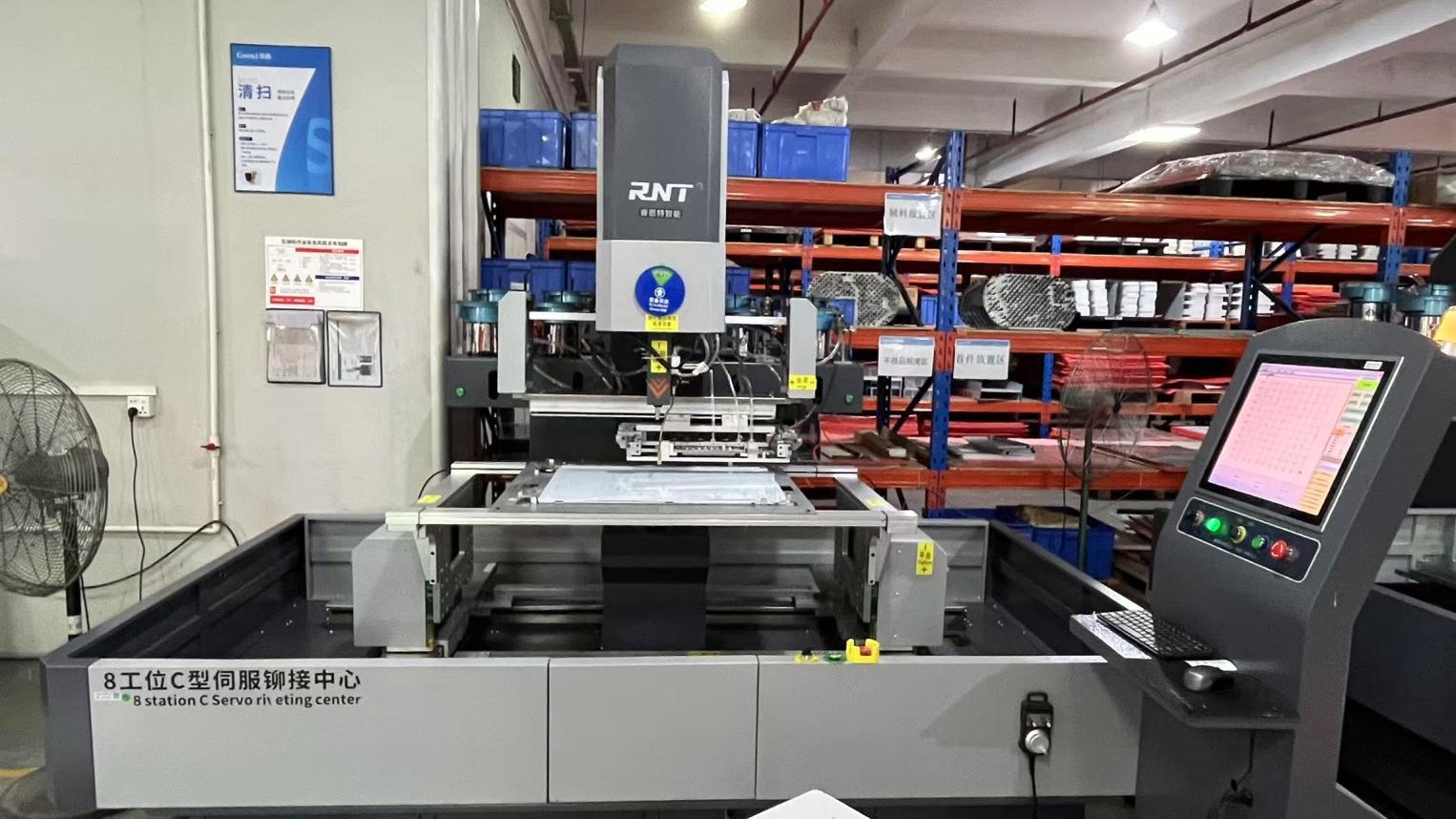

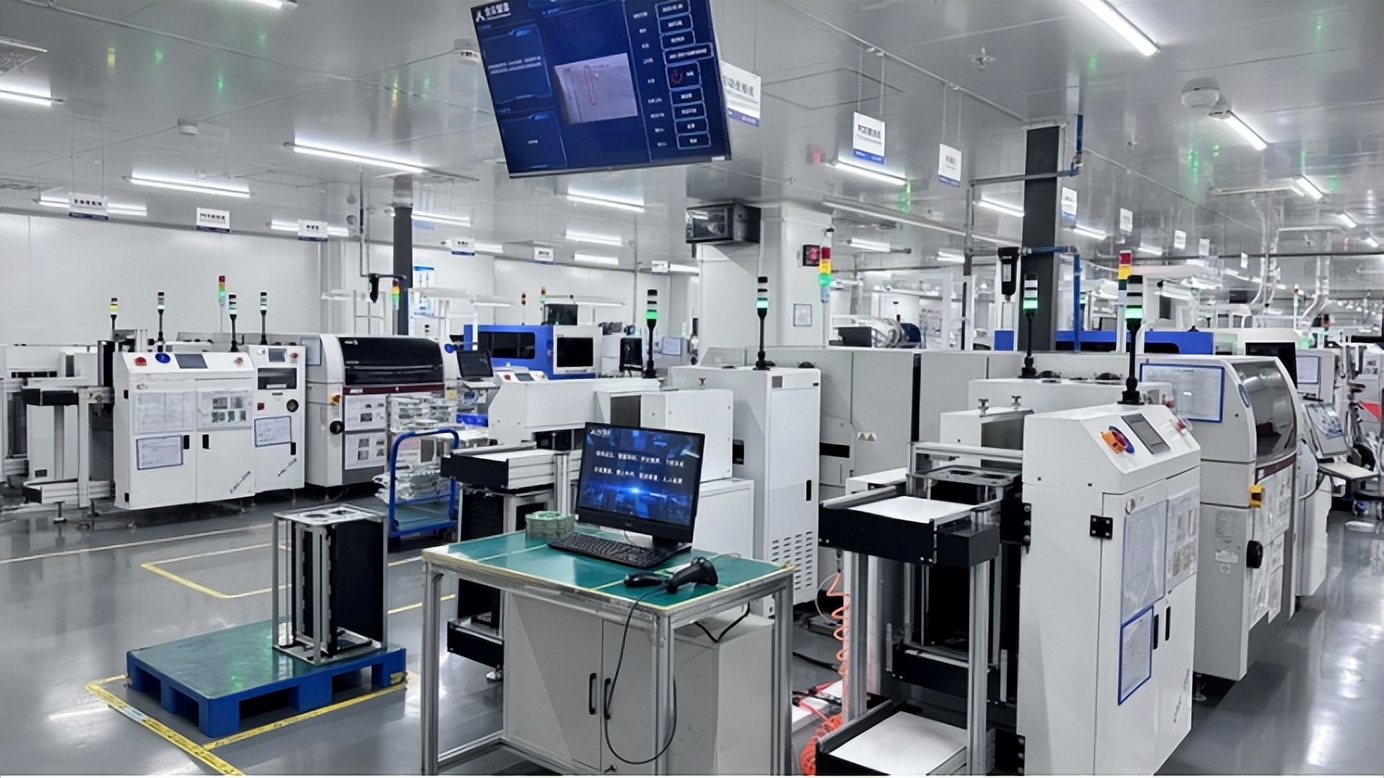
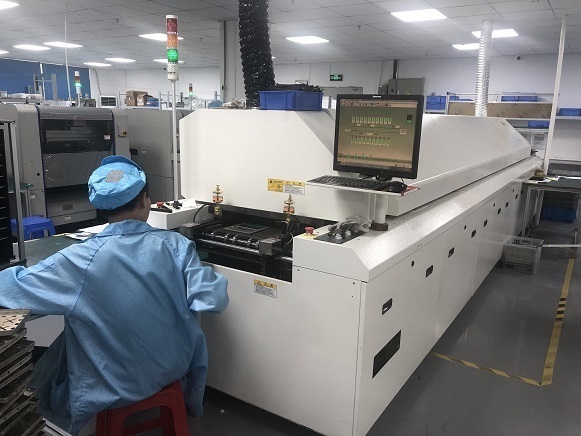

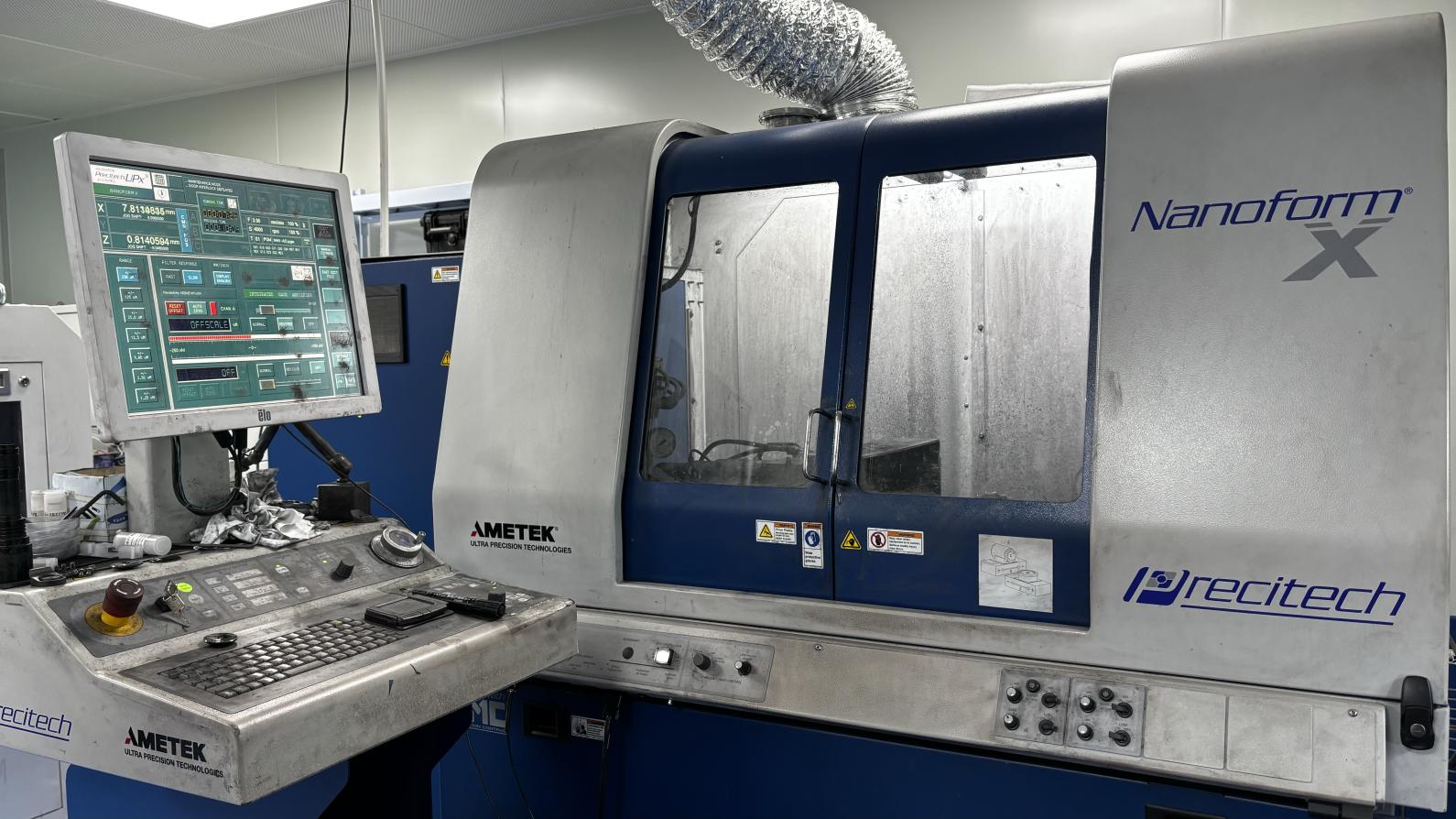
Our packaging process includes moisture-barrier bagging, anti-static foam inserts, and reinforced cartons to ensure components reach their destination in optimal condition, whether shipping to North America, Europe, or the Asia-Pacific region.
Operating as an international B2B partner means maintaining high compliance. Transolix ensures that all custom RJ45 connectors, SFP cages, and optical transceiver components adhere to international standards. This commitment speeds up the certification process for our customers' final products.
All raw materials—including plastics, soldering compounds, and housing metals—are 100% lead-free, ensuring compliance with RoHS and REACH regulations.
We construct all plastic housings using flame-retardant polymers. In the event of an electrical failure, the materials self-extinguish within seconds.
Our manufacturing facility features automated optical inspection systems and assembly processes that are calibrated to ISO 9001:2015 standards.
Each production batch receives a unique tracking number, linking it to the source materials and specific quality testing logs.
Yes. Our engineering team can modify internal magnetic layouts, turn ratios, and common-mode chokes to match your specific PHY chip requirements. This ensures impedance matching and compliance with IEEE standards.
We offer options ranging from gold flash up to 50 micro-inches (u"). For industrial and enterprise-grade networks, we recommend 30u" or 50u" gold plating to prevent oxidation and ensure reliability over 750 mating cycles.
We utilize advanced metal alloy shielding shells featuring multi-point grounding tabs. This design routes high-frequency noise directly to the chassis ground, minimizing electromagnetic interference with adjacent ports.
Yes, our designs support PoE, PoE+ (IEEE 802.3at), and PoE++ (IEEE 802.3bt). They are rated to handle up to 90W-100W per port with specialized coil designs that prevent saturation under DC bias currents.
Standard prototype tooling and sample runs take 2 to 3 weeks. Mass production orders are typically fulfilled in 4 to 6 weeks, depending on materials and overall production volume.
 Transolix