Industrial-grade modular plugs, high-speed SFP/QSFP transceivers, and copper connectors designed for continuous hardware validation.
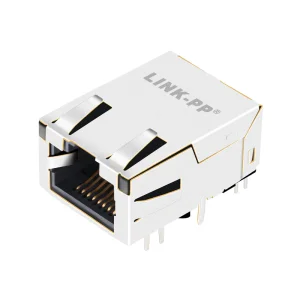
Compact footprint, right-angle layout, designed to meet high-density modular loopback physical space requirements.
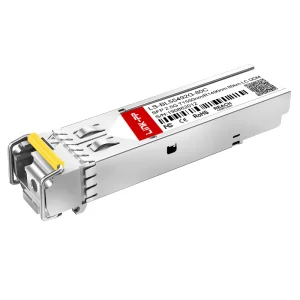
Long-range single-mode bidirectional transceiver, crucial for high-speed diagnostic optical links.
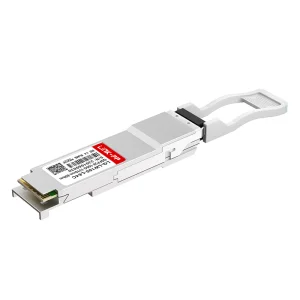
Premium 100G client optical interface. Used globally for long-haul core data path validation loopback tests.
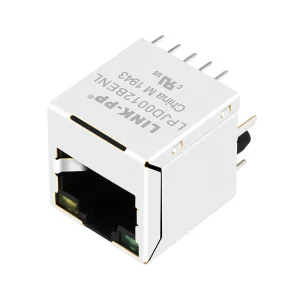
Highly durable vertical design providing mechanical resilience in loopback adapter manufacturing.
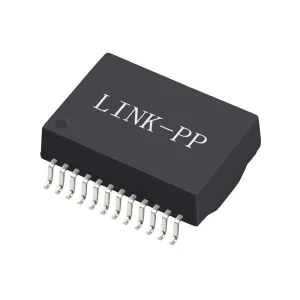
Integrated isolation transformer, crucial for stabilizing signal lines in network diagnostic systems.
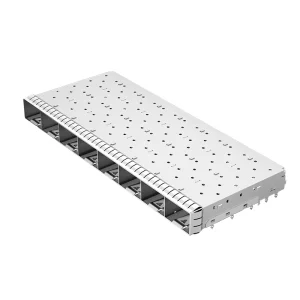
Protects high-speed loopback modules from electromagnetic interference in multi-port switches.
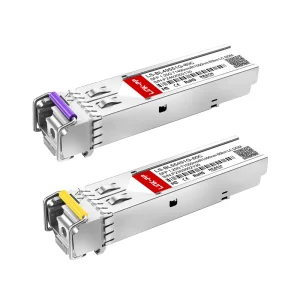
Optimized for localized metropolitan loops, ensuring zero-packet-loss testing over 80km distances.
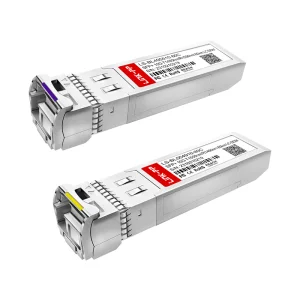
Designed for 10Gbps loop testing environments, minimizing optical dispersion across single fiber paths.
Establishing semantic network continuity and signal verification through customized diagnostic hardware.
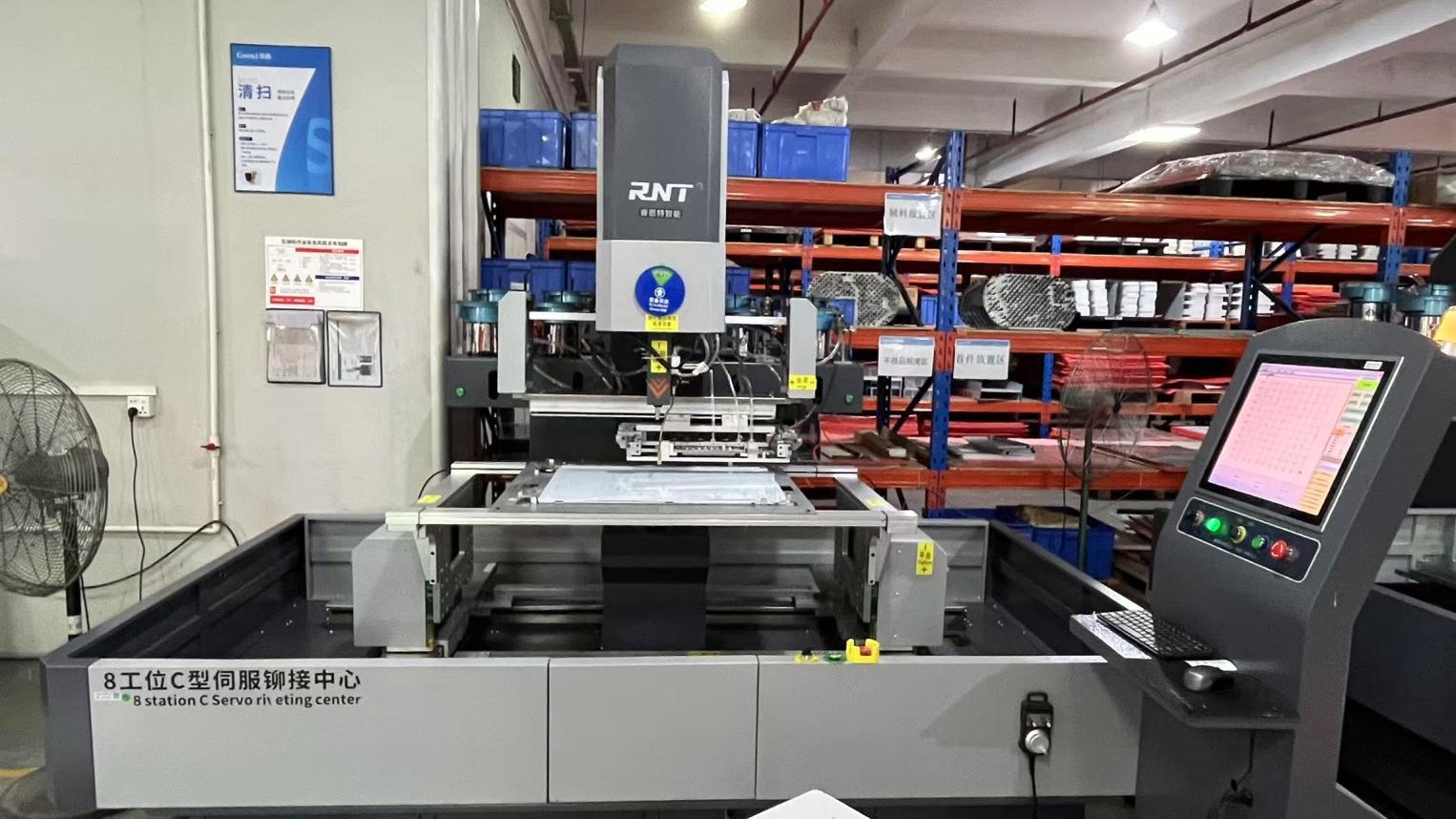
Within high-performance network structures, pinpointing transmission faults and packet degradation requires high-integrity diagnostic tools. Ethernet Loopback Connectors are designed to route outbound transmission signals back to the host system. This facilitates detailed diagnostic testing of physical interface ports and PHY layer integrity.
By routing the transmitter (TX) lines back to the receiver (RX) lines, engineers can conduct Bit Error Rate (BER) analysis without routing traffic across the entire enterprise network. Whether validating copper RJ45 arrays or dense QSFP28 multi-lane optical networks, loopback connectors act as the front line for system integration validation.
Industry-certified capabilities and optical communication solutions for global hyper-scale data centers.
Transolix is a leading professional manufacturer specialized in high-performance fiber optic and Ethernet communication solutions. Our engineering systems support global telecom operators, enterprise data hubs, and OEM/ODM system integrators with precision-designed hardware.
All manufacturing processes are compliant with the ISO 9001 quality management standards. To ensure signal performance, our components undergo automated optical testing, eye diagram analysis, thermal aging, and 100% final performance verification prior to shipping.
We support end-to-end customization of network interfaces. This includes custom firmware coding, proprietary wavelength settings, non-standard structural form factors, and loopback connectors with customized internal attenuation profiles (0dB to 20dB).
With an annual export revenue of USD 8–15 million and over 6 years of dedicated B2B global trade history, we deliver components to clients in North America, Europe, Southeast Asia, and the Middle East, resolving compliance bottlenecks across borders.
Analyzing key supply dynamics and structural trends in optical and copper networking systems.

The rise of high-performance cloud databases, automated edge nodes, and high-frequency communication protocols has changed the demands placed on physical interface networks. Loopback testing is no longer just for system repair crews. Rather, it is a crucial component built into high-density router assemblies, telecommunications base stations, and automated hardware manufacturing lines.
In addition, system integrators require quick supply paths. Working with an OEM/ODM supplier allows companies to source custom-designed hardware directly. This minimizes deployment delays caused by standard product inventory shortages.
Our integrated supply chain utilizes relationships with 860 certified upstream vendors. Because of this, Transolix maintains production stability even during raw material shortages. This security guarantees delivery to cloud network integrators and telecom developers worldwide.
A technical whitepaper overview of hardware engineering, signal path configuration, and impedance matching.
Creating functional network diagnostics equipment requires precise electrical routing. An RJ45 Ethernet Loopback plug requires pin-to-pin wiring configurations. Specifically, this connects the transmit signals directly to the receive circuits. For standard 10/100Base-T networks, this means connecting Pin 1 (TX+) to Pin 3 (RX+) and Pin 2 (TX-) to Pin 6 (RX-). On Gigabit systems (1000Base-T), all four differential pairs must be looped. This requires connecting pair 1-2 to 3-6, and pair 4-5 to 7-8.
When running tests at high frequencies, trace routing within the connector plug must prevent cross-talk and preserve characteristic impedance. If the physical layout lacks appropriate impedance controls, high-speed signals will reflect at the connection point. This leads to high insertion loss and signal errors, invalidating the diagnostic test. Transolix uses automated layout routing and precise internal shielding to keep NEXT (Near-End Crosstalk) to a minimum.
For high-frequency optical applications like SFP, SFP+, and QSFP28 modules, the loopback connector relies on internal fiber optical attenuation. Direct optical loops back to the transceiver can overload the photodiode receiver, causing component failure. Therefore, high-speed loopbacks require integrated attenuation (typically 0dB, 5dB, 10dB, or 15dB) to match real-world link conditions. This allows engineers to safely measure and optimize receiver sensitivity during system setup.
How global enterprises implement loopback diagnostic adapters while meeting regulatory guidelines.
On network card assembly lines, loopback plugs verify port soldering and interface connectivity. Using these physical connectors ensures each device works before packaging, minimizing return rates.
Field technicians use loopback modules to verify connection integrity during new server rack setups. This helps identify cable run errors or bad patch panels before final provisioning.
Enterprise networks require all system elements to comply with local regulations. Transolix ensures all loopback products meet RoHS directives for material safety and carry CE/FCC certifications for electromagnetic compatibility.
Designing physical layer diagnostics for next-generation 800G and 1.6T networking architectures.
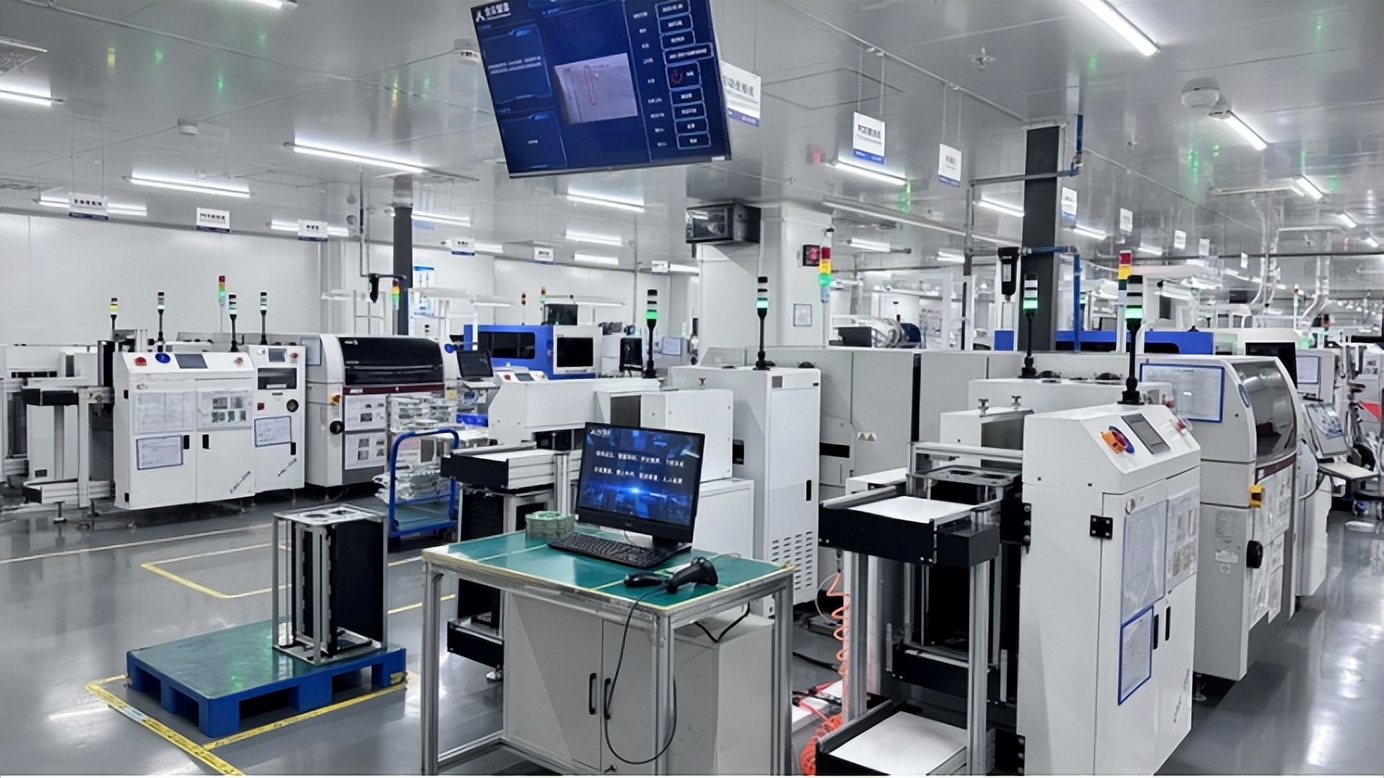
As networks upgrade from 100G/400G to 800G and 1.6T, physical interface design changes rapidly. Traditional copper loops are limited by signal loss at high frequencies. As a result, testing next-generation networking systems requires silicon photonics and active loopback diagnostic devices.
Transolix is tracking these transitions through continuous research. We are currently developing advanced QSFP-DD and OSFP loopback adapters that simulate realistic fiber path loads. These modules feature integrated thermal controls and programmable attenuation profiles, allowing testers to model real-world operating conditions.
By using programmable memory structures, our future loopback devices can dynamically simulate various hardware footprints. This helps network engineers identify signal anomalies before deploying hardware into production.
Direct technical answers to common queries regarding loopback diagnostic adapters and connector configurations.
Choose from our full range of copper connectors, optical modules, and custom components to complete your network architecture.
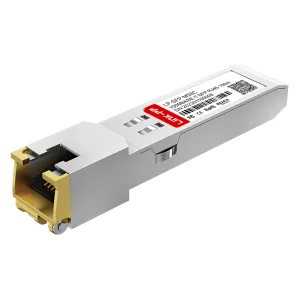
Hot-pluggable copper transceiver module designed for short-range high-speed data transmission over Cat5e/6 cables.
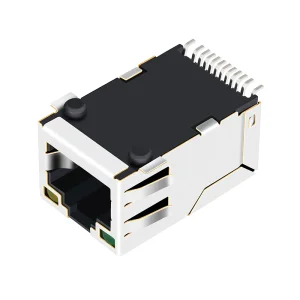
Compact surface-mount female connector featuring integrated status LEDs and built-in isolation transformers.
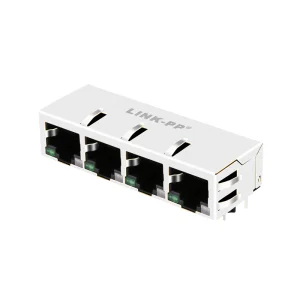
High-density 4-port magnetic RJ45 jack, designed to save PCB board space while maintaining signal isolation.
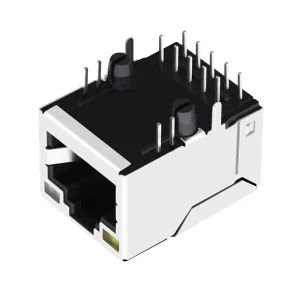
Customizable magnetic connector designed to protect integrated circuits from voltage spikes on Ethernet lines.
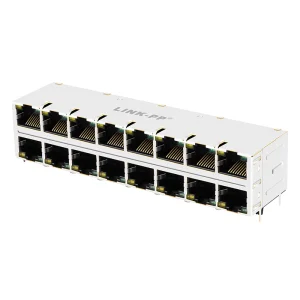
Double-stacked 16-port shielded RJ45 assembly, designed for high-density switches and diagnostic backplanes.
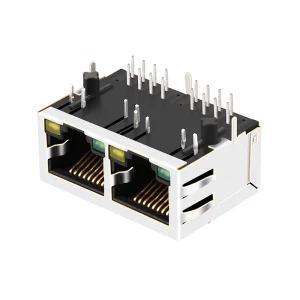
Two-port magnetic RJ45 connector, featuring integrated LEDs and low-profile dimensions for small devices.
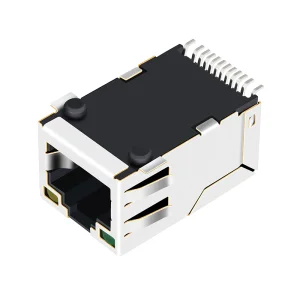
Industry-standard single port magnetic jack, offering excellent EMI performance and durability.
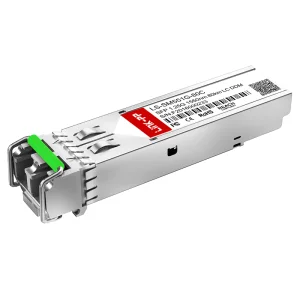
Long-haul single-mode SFP module, optimized for stable transmission over distances up to 80km.
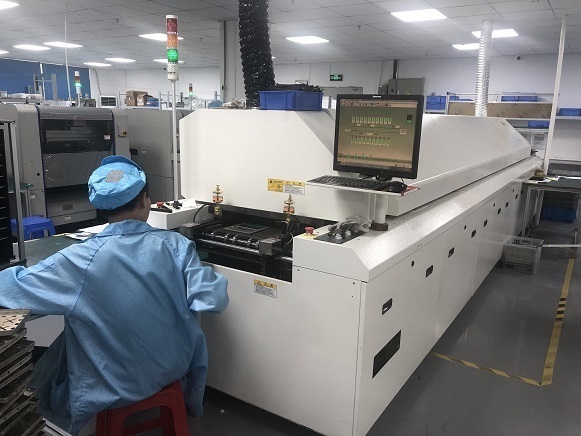
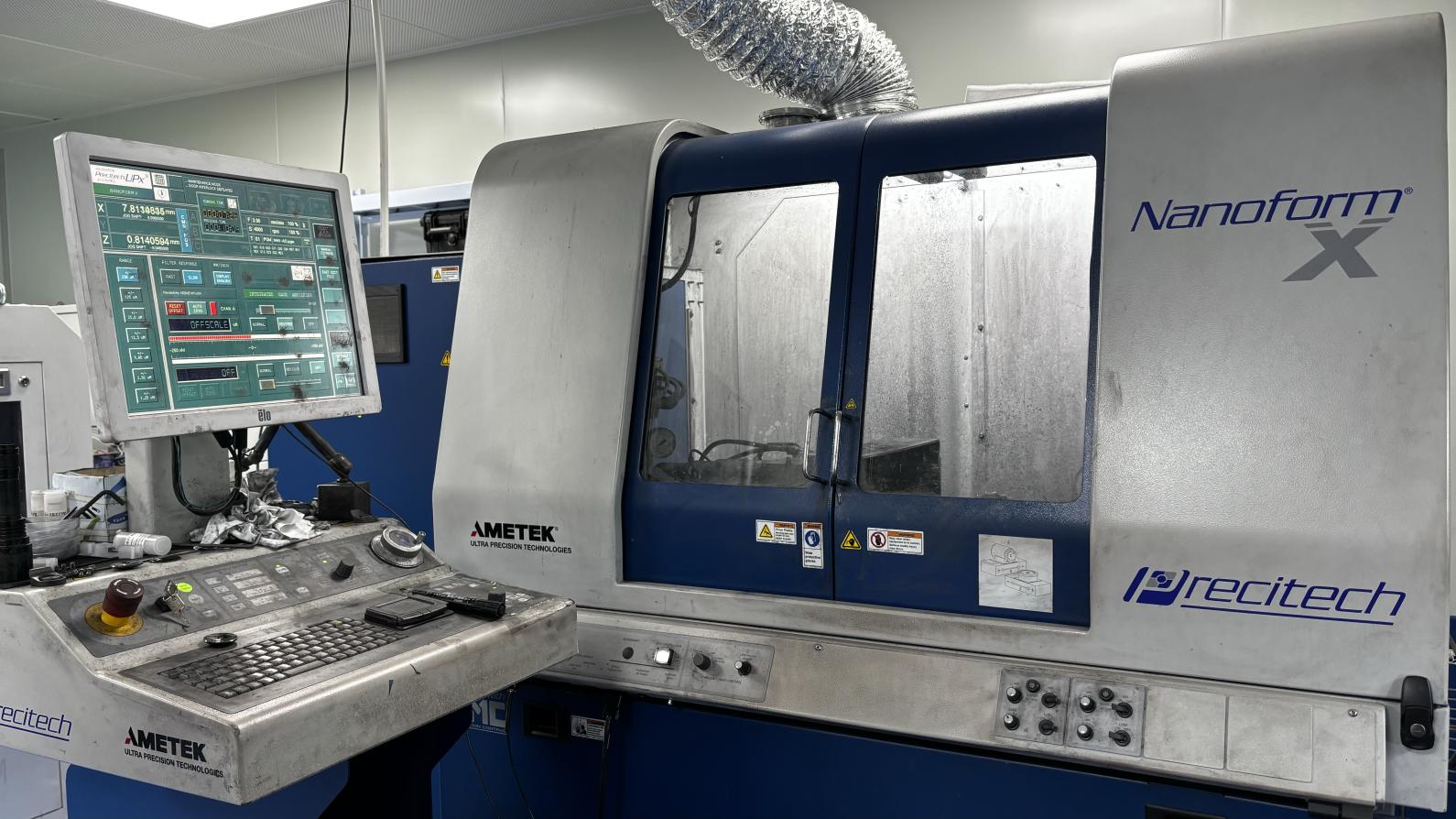
A preview of our manufacturing facilities, assembly lines, cleanrooms, and warehouse operations.

 Transolix