Reliable Physical-Layer Interface Ports & High-Speed Optical Engine Modules
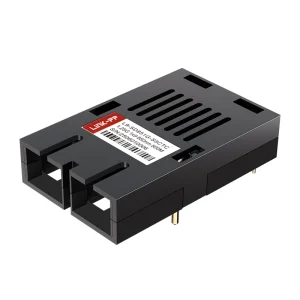
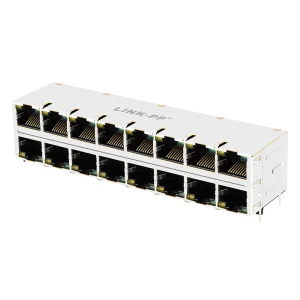
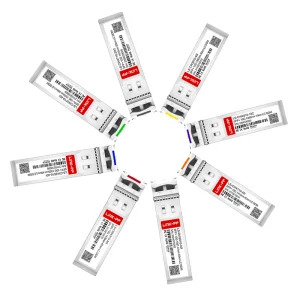
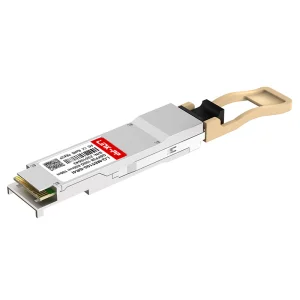
In an era characterized by hyperscale data centers, 5G backhaul, and industrial automation networks operating under strict SLA constraints, physical-layer integrity has transitioned from a routine installation task to a critical engineering requirement. High-frequency digital signal transmission over copper and fiber infrastructure demands rigorous, repeatable validation.
As networks shift from 10G to 40G, 100G, and even 400G configurations, the tolerances for parameters such as Near-End Crosstalk (NEXT), Return Loss, and Attenuation-to-Crosstalk Ratio (ACR) have decreased. Systemic network failure is often traced to physical-layer defects, including miswired connectors, micro-bends in fiber optic lines, and high insertion loss at interface joints.
This document details the technological requirements, supply chain strategies, and quality validation processes involved in designing, manufacturing, and deploying professional network diagnostic equipment. We analyze why leading IT integrators and telecom operators work with specialized Chinese OEM/ODM manufacturers to secure reliable, cost-effective, and customized testing portfolios.
Verification of crosstalk, return loss, and signal attenuation metrics across multi-gigabit copper structures.
Precise optical power level testing and OTDR backscatter analysis for fiber optic links.
Verifying power levels (up to PoE++ 90W) to ensure correct operation of IoT devices and security cameras.
The manufacturing of high-performance network diagnostic instruments is a multi-disciplinary challenge requiring precision electronics, high-frequency RF engineering, embedded firmware design, and industrial-grade mechanical design. Chinese factories, particularly those situated in the Pearl River Delta industrial cluster, leverage systemic structural advantages to lead the global supply market.
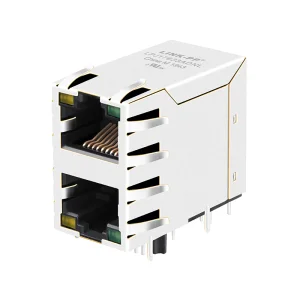
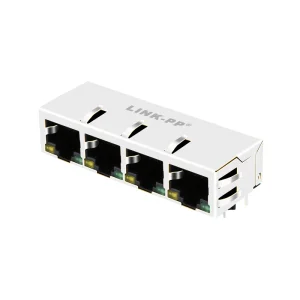
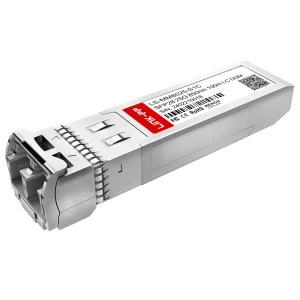
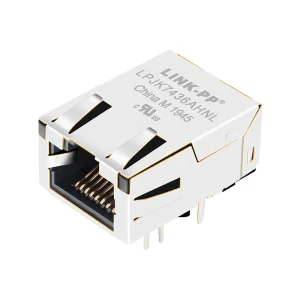
In regions like Shenzhen and Dongguan, the physical proximity between chip manufacturers, component packaging providers, precision plastic injection plants, and specialized high-frequency connector manufacturers creates a highly efficient supply chain. For instance, designing a network tester that interfaces with advanced RJ45 surface mount jacks or SFP28 optical modules requires immediate access to these underlying hardware components.
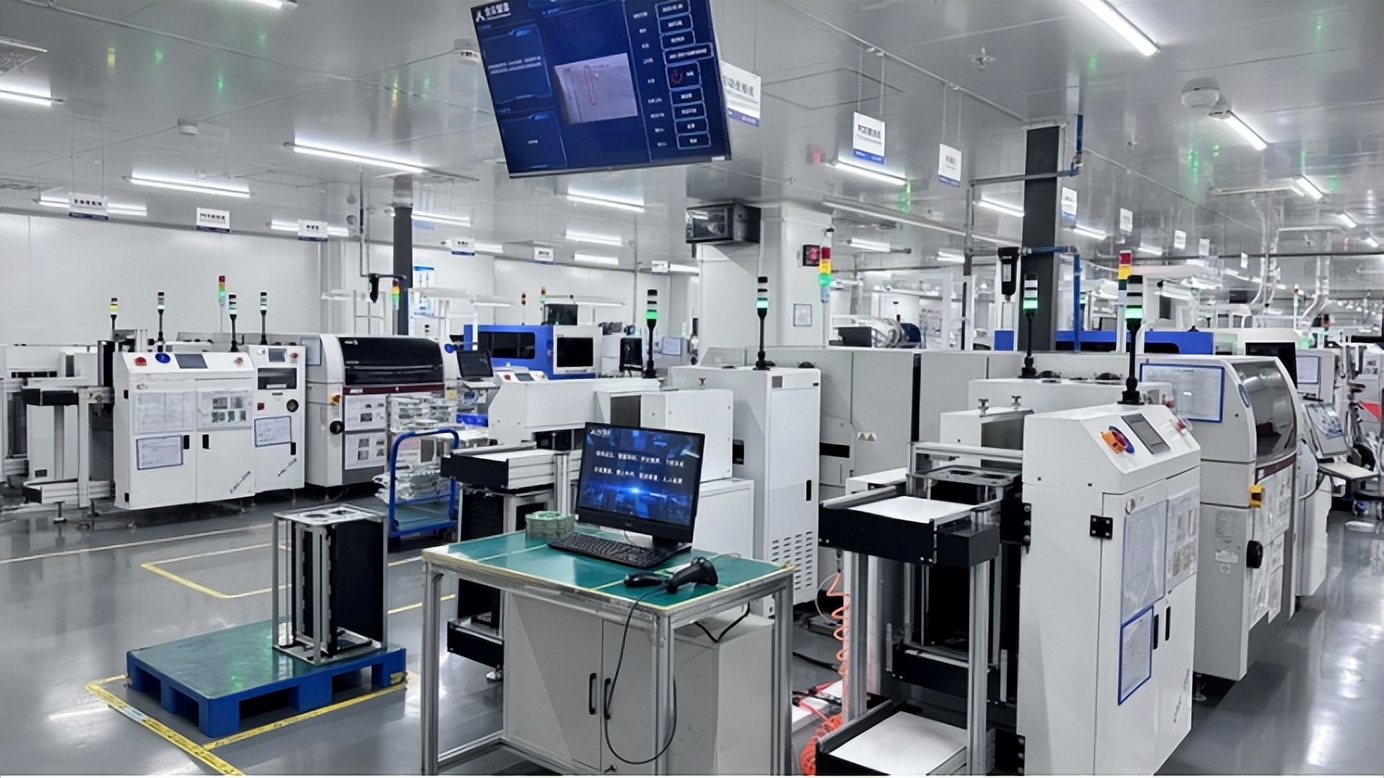
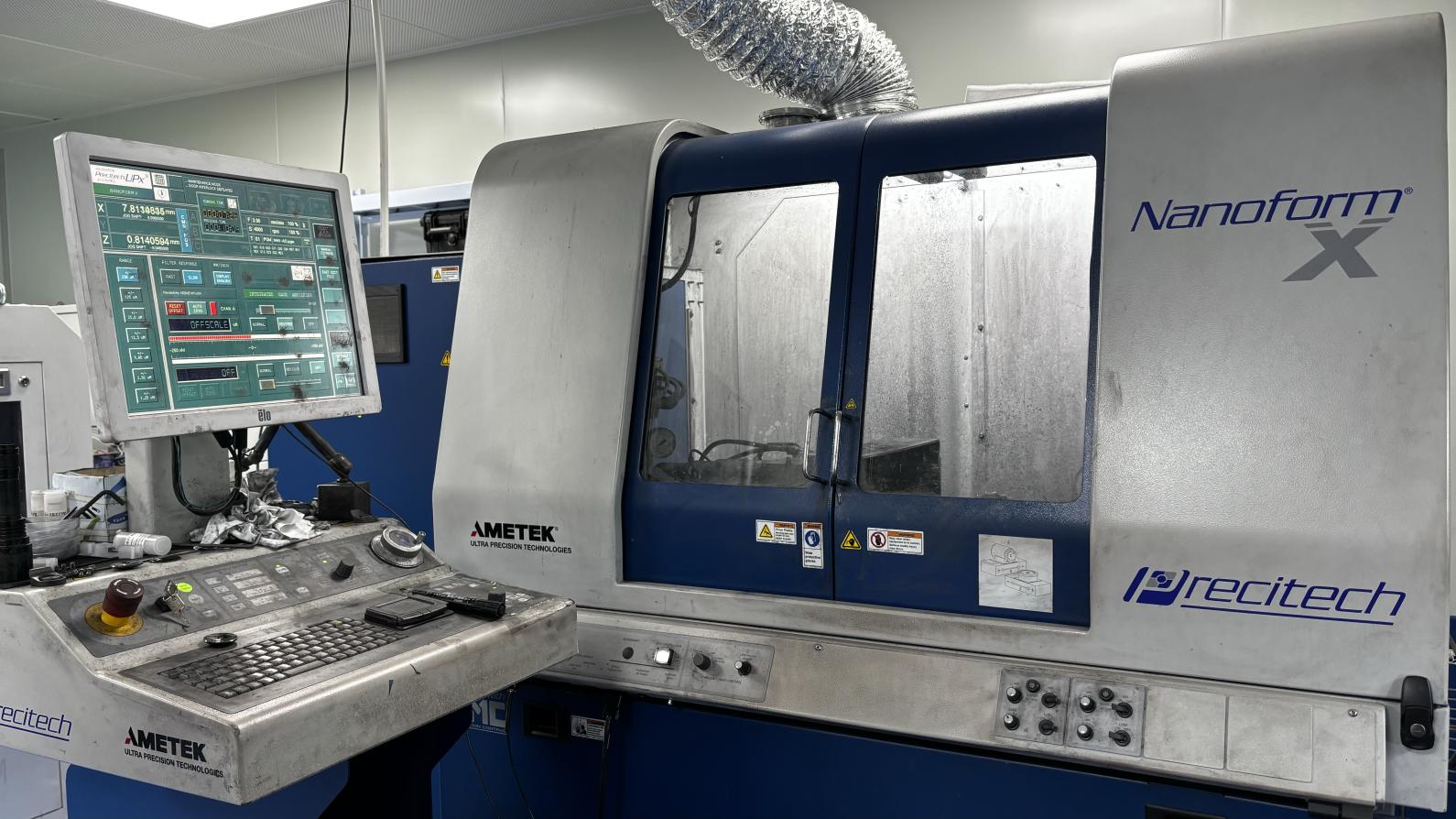
Verifying high-frequency copper links (such as Category 6A, Category 7, and Category 8 cables) requires sophisticated laboratory equipment, including Vector Network Analyzers (VNAs) and Time-Domain Reflectometers (TDRs). Chinese manufacturers invest heavily in automated testing suites and specialized cleanroom environments (often ranging from 300 to 1,000 square meters) dedicated to RF path tuning and signal calibration, ensuring that mass-produced testers meet laboratory-level accuracy.
With large pools of embedded systems engineers, Chinese OEM/ODM partners can rapidly customize tester firmware. This includes integrating localized language interfaces, customizing test report generators, adapting compliance settings (such as ISO/IEC 11801 and TIA-568-C.2 standards), and building custom cloud API linkages for remote test data storage and project management.
The network diagnostic industry is undergoing a significant transition. Traditional testers that only check wiremaps are no longer sufficient for complex modern networks. Several key trends are defining the future development of network testing equipment:
Customized network cable testers are deployed across varied settings, each presenting unique environmental constraints and performance requirements:
Installers use hand-held certifiers to verify thousands of Cat6a links in new multi-story buildings, ensuring strict compliance with local construction standards.
Data center technicians require rapid loopback testing of high-speed SFP28/QSFP28 ports and MPO optical cables to prevent link errors before launching production systems.
Ruggedized, shielded cable testers verify industrial M12 and RJ45 connectors in harsh manufacturing environments characterized by high EMI and vibration.
For major telecommunications operators and global systems integrators, investing in a standardized, custom-branded diagnostic platform is a key operational strategy. By deploying a customized testing fleet, organizations can achieve:
Transolix is a professional manufacturer specializing in high-performance fiber optic and ethernet connectivity components for global data centers, telecom operators, and enterprise networks. With robust engineering capabilities and scalable production, we deliver reliable, high-speed connectivity solutions worldwide.
Our R&D team comprises 128 expert engineers focused on signal integrity, high-speed optical layouts, and embedded system firmware. We released 86 new models last year, providing robust customization support across wavelengths, distance limits, and protocol compatibilities.
Managed by 42 dedicated Quality Control professionals, we operate strictly under ISO 9001 and high internal standards. Our inspection methods utilize automated optical testing, eye diagram analysis, thermal chamber aging, and 100% final performance validation.
Leveraging 6 years of export experience and 11 years of industry experience, we partner with 860 certified upstream suppliers to secure high-grade chips and optical components. Our main client base spans North America, Europe, Southeast Asia, and the Middle East.
When vetting OEM/ODM manufacturers for network testing equipment and connectivity interfaces, procurement teams should evaluate the following criteria:
Fully-Qualified Ethernet Interfaces and Duplex Optical Transceiver Engines
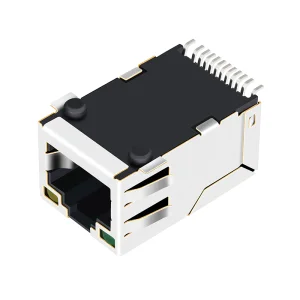
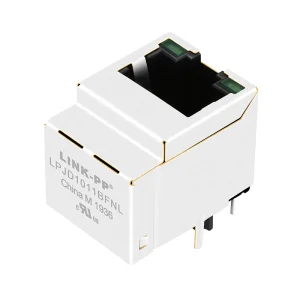
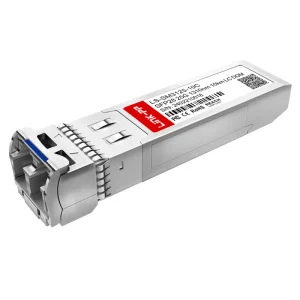
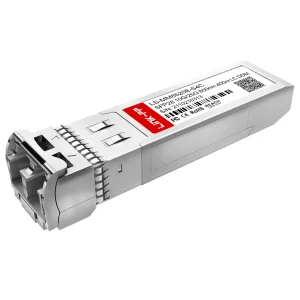
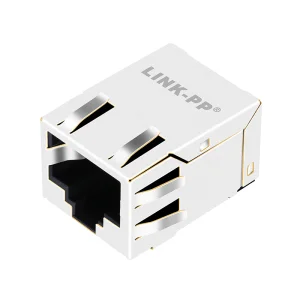
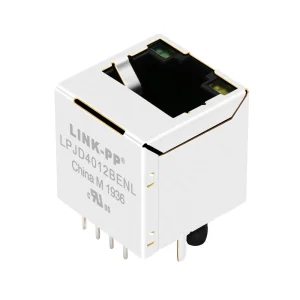
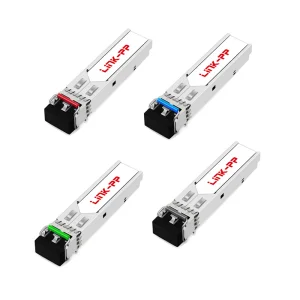
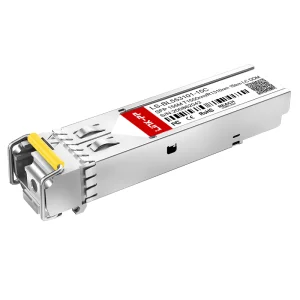
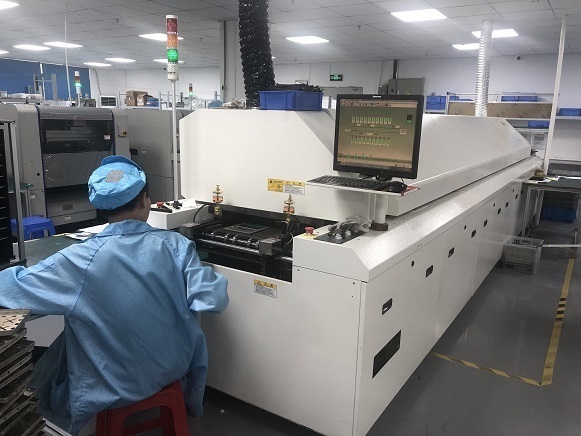
Advanced SMT lines, Cleanrooms, and Network Interface Assembly Facilities



 Transolix