Top 10 Ethernet Connectivity Kit Factories & Suppliers

A Professional Whitepaper on Global Sourcing, Technical Specifications, and Industrial Deployment Solutions for Next-Generation Networking Interfaces

1. The Evolving Landscape of Ethernet Connectivity Solutions

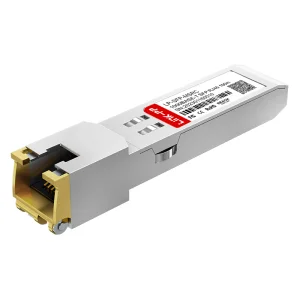
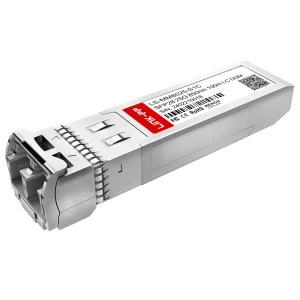
In the era of hyper-scale cloud databases, automated manufacturing infrastructures, and global 5G rollouts, high-performance physical layer components form the foundational bedrock of reliable data pipelines. An Ethernet Connectivity Kit is no longer just a collection of standard cables and connectors; it represents a highly specialized system comprising optical transceivers, integrated magnetic RJ45 connectors, high-speed SFP interfaces, and signal-integrity modules designed to eliminate attenuation, packet loss, and EMI (Electromagnetic Interference).

As enterprise networks transition from legacy GbE models to 10G, 25G, 100G, and even 400G infrastructure pathways, hardware architects face complex parameters regarding distance, power consumption budgets, and cost efficiencies. Finding the ideal supplier requires balancing structural design flexibility with stringent adherence to IEEE 802.3 standards and Multi-Source Agreement (MSA) compatibility protocols.

Strategic Insight: Modern transceiver engineering must guarantee cross-compatibility across diverse OEM hardware. Standardizing network interfaces with MSA-compliant transceivers provides critical flexibility while shielding supply chains from single-vendor lock-in.

2. Industry Trends Driving Ethernet Engineering

Global networking requirements are experiencing a seismic shift, dictated by two major technological drivers: the exponential rise of AI model training datasets and the decentralized topology of Edge Computing deployments. Sourcing engineers must anticipate these market realities:

📊

Transition to 25G/100G Edge

While data center hubs deploy 400G and 800G optical lines, secondary node networks and enterprise offices are moving from legacy 1G/10G systems to SFP28 25G platforms to resolve regional processing bottlenecks.

🔌

Smart PoE Integration

Power over Ethernet (PoE+ and PoE++) applications are scaling in industrial automation. Modern magnetic connectors are built to manage higher thermal thresholds without compromising signal integrity.

🛡️

Severe EMI Shielding

With smart factory arrays putting network nodes alongside high-voltage machinery, copper transceivers and modular jacks must implement superior shielding and advanced grounding systems.

3. China's Structural Advantages in SFP and RJ45 Manufacturing

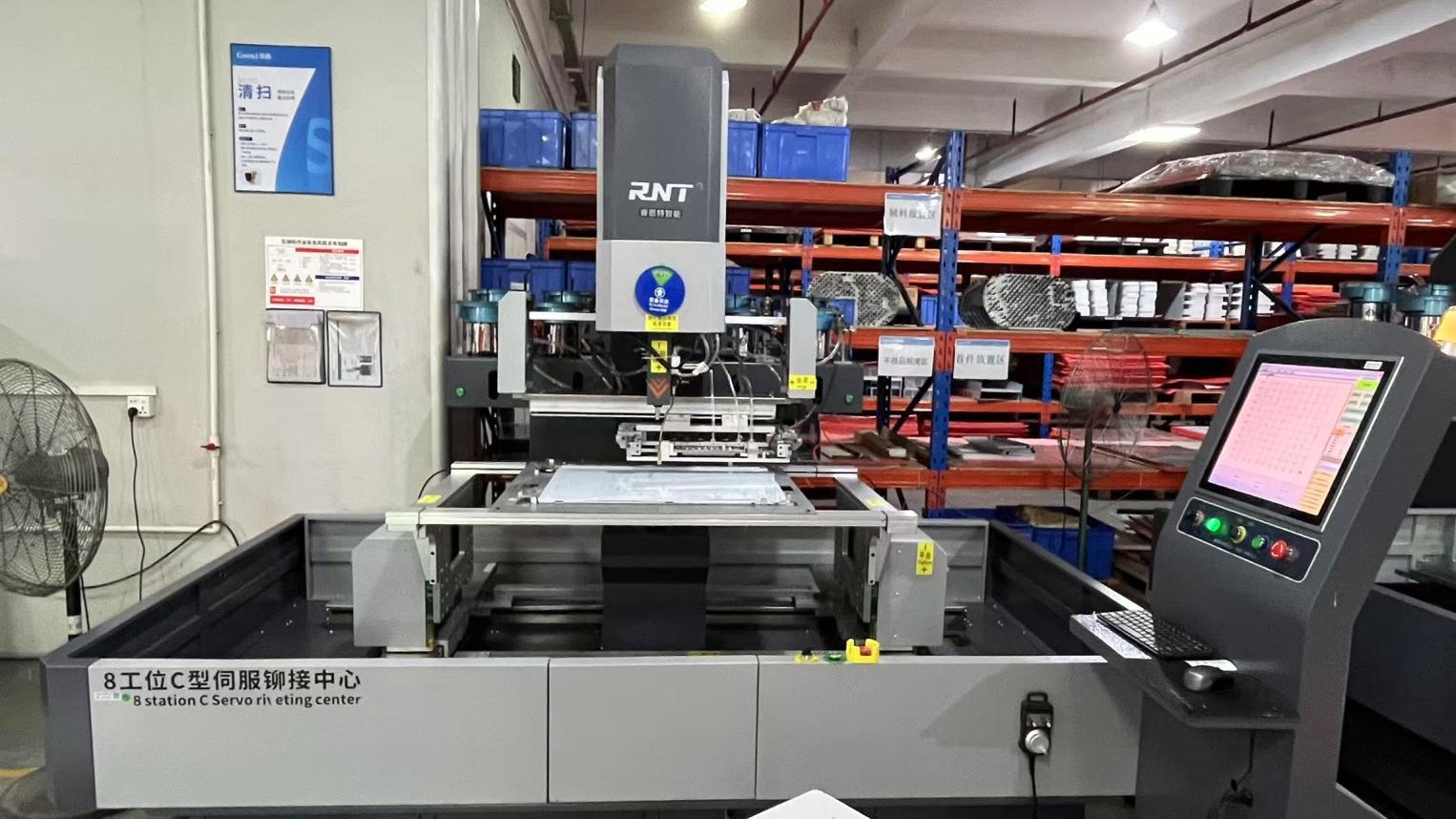
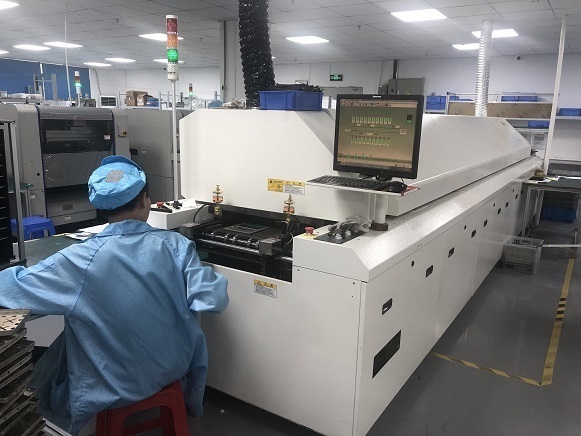
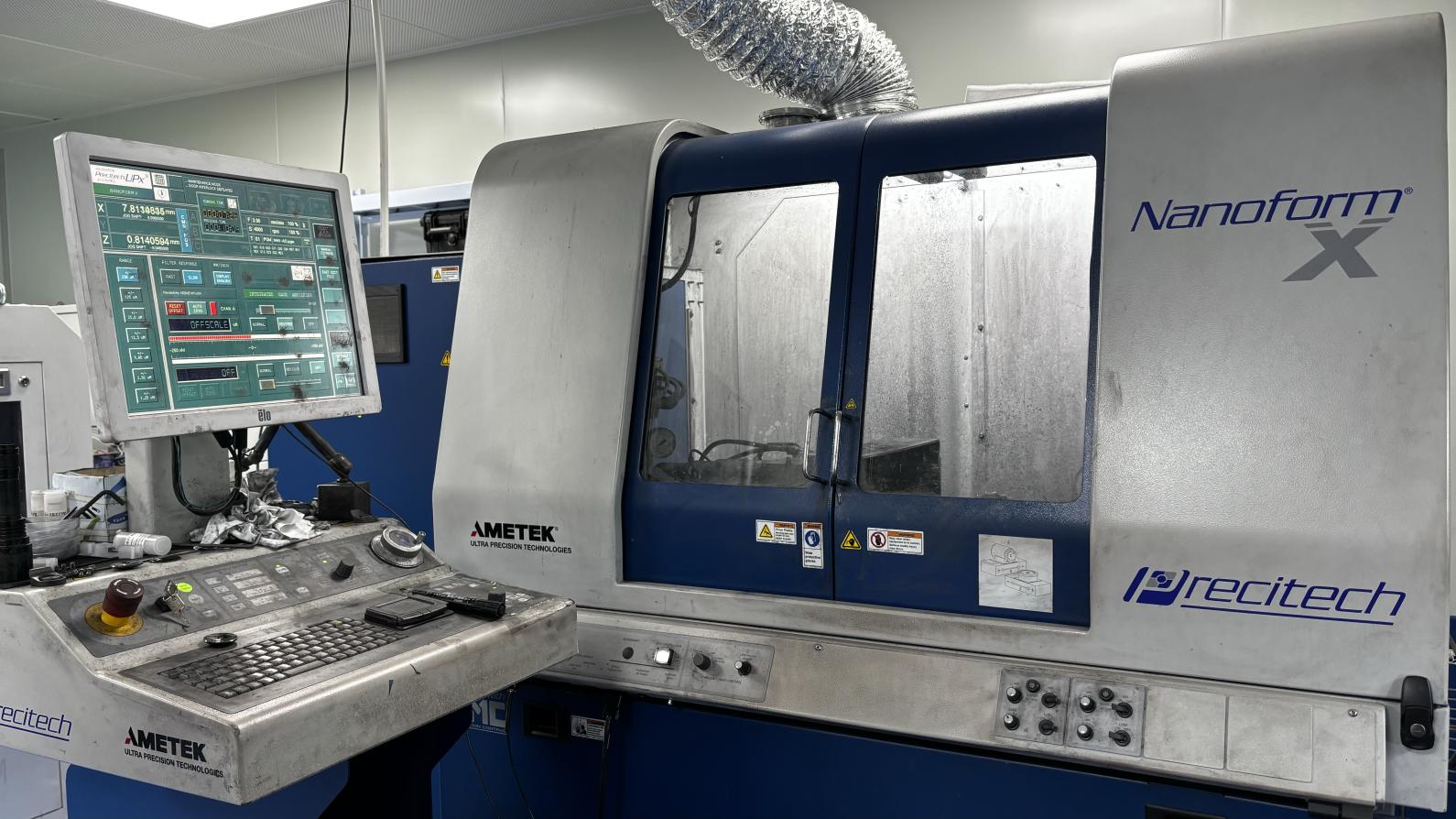
Sourcing Ethernet hardware from specialized Chinese manufacturing clusters offers distinct technical and financial benefits. Chinese suppliers have successfully transformed their operational capacity from simple component assembly lines to state-of-the-art automated production centers specializing in optical sub-assemblies (OSA) and high-frequency precision stamping.

  • Vertical Integration: Major hubs like Shenzhen and the Yangtze River Delta house complete component supply ecosystems—from raw optical fibers, silicon photonics chips, and high-frequency PCBs to injection-molded housings and magnetic cores. This reduces lead times dramatically.
  • Advanced Automated Optical Testing (AOT): High-end Chinese factories deploy advanced automated testing setups including eye diagram analyzers, bit error rate testers (BERT), and ambient thermal chamber cyclers to ensure 100% QA checks at scale.
  • MSA Compliance Protocols: Leading Chinese manufacturers align their designs with SFF standards and Multi-Source Agreements, ensuring SFP, SFP+, and QSFP modules function reliably in Cisco, Juniper, Arista, and HP hardware.
860+
Certified Suppliers
100%
AOT Tested
11+ Yrs
Industry Experience
86
New Models Annually

4. Strategic Ethernet Deployment Across Macro Industries

Industrial applications present unique structural challenges. Sourcing teams must evaluate if components meet the environmental and electrical profiles required for specific scenarios:

Cloud Data Centers & High-Frequency Trading

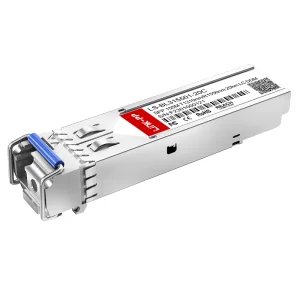
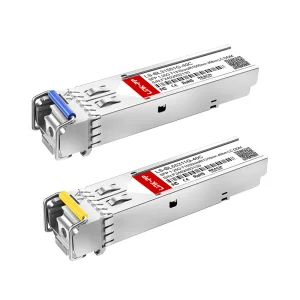
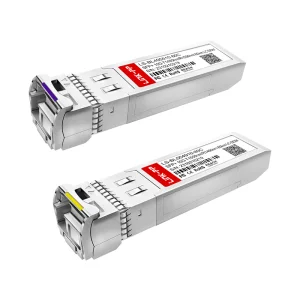
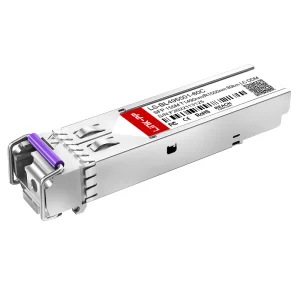
Latency is the critical metric. Single Mode Bidirectional (Bidi) SFP modules, like the 10G 80km transceivers, enable full-duplex communication over a single fiber strand, doubling data capacity while minimizing fiber leasing and routing overhead in long-haul interconnects.

Industrial Automation & Smart Factories

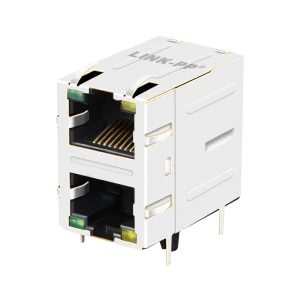
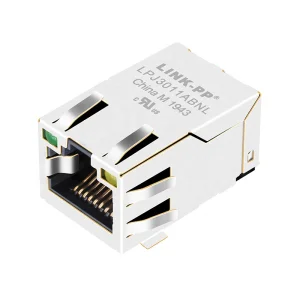
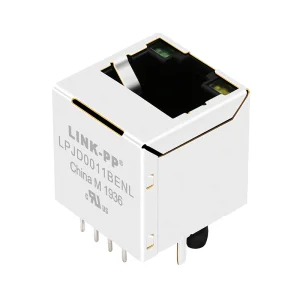
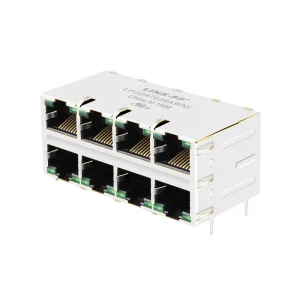
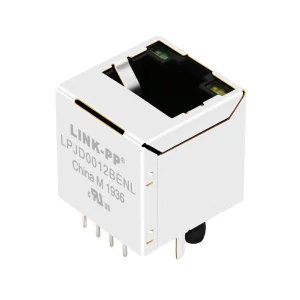
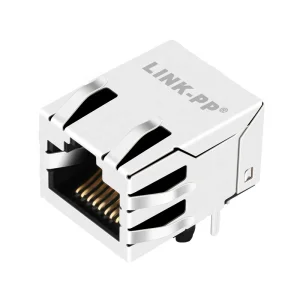
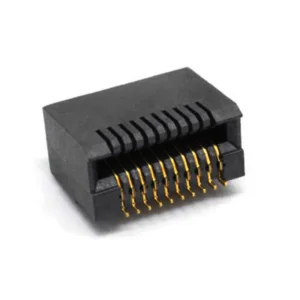
High temperatures, moisture, and electromagnetic noise require specialized connectivity parts. Integrated RJ45 Magjacks with built-in EMI filtering isolate signal circuits from power surges, preventing data corruption on CNC and robotics control interfaces.

Broadband & Telecom Carrier Networks

Optic transceivers must survive varying outdoor cabinet temperatures. Telecommunication operators mandate ruggedized components with wide-range operational thermal specifications (Industrial Grade: -40°C to +85°C) to prevent system down-time under harsh weather.

Featured Manufacturer: Transolix Profile

Verified B2B Optical Transceiver & High-Speed Interconnect Manufacturer

Transolix is a professional optical transceiver manufacturer specializing in high-performance fiber optic communication solutions for global data centers, telecom operators, and enterprise networks. With strong engineering capabilities and scalable production capacity, Transolix is committed to delivering reliable, high-speed, and cost-effective optical connectivity products worldwide.

📈 Company Overview & Market Scope

  • Company Registration Date: 2016
  • Building Area: 320㎡
  • Annual Export Revenue: USD 8–15 million
  • Years of Export Experience: 6 years
  • Years of Industry Experience: 11 years
  • Main Markets: North America, Europe, Southeast Asia, Middle East
  • Trade Background: Cross-border B2B export-focused manufacturing company

🔬 R&D and Quality Control Systems

  • Quality Inspection Standards: ISO 9001 & internal reliability standards
  • Quality Control Staff: 42 professionals
  • Product Inspection Methods: Automated optical testing, eye diagram analysis, aging tests, and 100% final performance verification
  • R&D Engineers: 128 engineers
  • Customization Options: Supported (wavelength, form factor, distance, protocol compatibility, firmware customization)
  • Last Year New Product Releases: 86 models
  • Supply Chain Partners: 860 certified upstream suppliers including chipset, optics, and packaging vendors

Transolix focuses on continuous innovation in optical interconnect technology, offering a full range of products including SFP, SFP+, QSFP28, QSFP-DD, and emerging high-speed optical transceiver solutions for next-generation networks.

Technical & Procurement FAQ

Key technical evaluations and practical answers for global sourcing managers.

❓ What is the practical difference between standard RJ45 connectors and Integrated Connector Modules (Magjacks)?
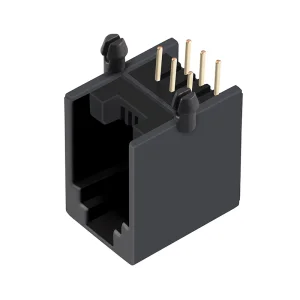
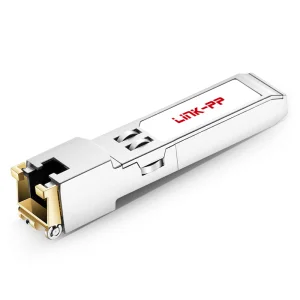
Standard RJ45 jacks are simple metal housings that require external discrete magnetic components on the system PCB to filter electrical noise. Integrated Connector Modules (ICMs or Magjacks), like the 2.5G Base-T Integrated Magnetics PoE+ connector, combine the RJ45 physical port with internal isolation transformers, chokes, and capacitors. This configuration saves valuable PCB space, optimizes signal-to-noise ratios (SNR), provides crucial protection against EMI/RFI, and improves high-frequency signal integrity.
❓ Why is Multi-Source Agreement (MSA) compatibility crucial for SFP optical modules?
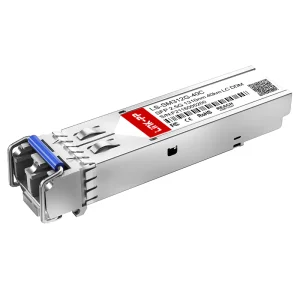
MSA standards establish mechanical dimensions, electrical interfaces, and signaling specifications for transceivers, ensuring physical fit and basic connectivity across vendors. However, many networking equipment manufacturers use proprietary firmware encoding (EEPROM maps) to restrict third-party modules. A premium supplier like Transolix uses specialized coding boards to flash custom firmware, verifying host compatibility with brands such as Cisco, Huawei, Juniper, and HP before dispatch.
❓ What parameters should be prioritized when sourcing single-mode bidirectional (BiDi) transceivers?
Sourcing engineers must verify:
  1. Optical Link Budget (dB): Ensures the transmitter power and receiver sensitivity can handle transmission losses over target distances (e.g., 20km or 80km).
  2. Wavelength Pairs: BiDi transceivers use complementary wavelengths (such as 1310nm-TX/1550nm-RX and 1550nm-TX/1310nm-RX) at opposite ends of the single-mode fiber to prevent wave collision.
  3. Connector Type: Most standard BiDi SFPs utilize simplex LC receptacles, requiring precise dust protection to prevent interface contamination.
❓ How does automated optical testing (AOT) secure high yield rates for export shipments?
Automated optical testing removes human error by checking electrical continuity, signal distortion (using real-time eye diagram analysis), and bit error rates across fluctuating temperature chambers. For high-speed lines, this process guarantees that signal jitter, rise/fall times, and optical output margins comply with IEEE standards, securing long-term reliability and reducing RMA rates for global buyers.