Explore high-performance modular jacks, magnetic connectors, and optical transceivers for data center, enterprise, and industrial networking environments.
Analyzing key structural trends, technical requirements, and market dynamics driving the migration toward high-flex, space-optimized physical layer solutions.
In the modern paradigm of network engineering, the physical layer remains the bedrock of data center reliability and industrial IoT uptime. As systems miniaturize and computational demands rise, standard rigid cabling assemblies encounter severe mechanical limitations. This has accelerated the adoption of **flexible RJ45 connectors**—innovative termination points engineered with advanced strain-relief, articulating joints, or low-profile right-angled housings. These components minimize bend-radius stress, optimize airflow in high-density patch panels, and protect cable cores from structural degradation under high-vibration conditions.
From a global market perspective, B2B procurement managers are no longer viewing connectors as commodity components. Driven by industrial automation (Industry 4.0), automated guided vehicles (AGVs), and smart grid deployments, the requirement for robust, modular, and highly flexible physical interfaces has surged. Key manufacturing hubs in North America, Western Europe, and East Asia are aggressively localizing production of customized variations to meet specific compliance mandates, such as UL94-V0 flammability ratings and IP67/IP68 ingress protection standards.
Flexible RJ45 modular jacks offer advanced spring-loaded contacts and multi-angled cable exits, ensuring data integrity even under constant motion or chassis vibrations.
Metallic outer shells block electromagnetic and radio-frequency interference (EMI/RFI), critical for high-density servers and heavy-machinery production floors.
Engineered to handle Power over Ethernet (up to PoE++ IEEE 802.3bt, 90W) without thermal build-up, using premium copper alloy contacts and high-grade polymers.
In highly automated automotive factories, for instance, robotic arms equipped with industrial cameras require GigE Vision cables. Standard connectors fail prematurely due to constant torsion, leading to expensive downtime. Conversely, specialized flexible RJ45 connectors—featuring robust overmolded boots and high-flex-life stranded copper cables—can withstand millions of bending cycles. Consequently, global exporters are shifting their focus to custom ODM solutions, prioritizing R&D in signal integrity optimization at frequencies exceeding 500 MHz (Cat6A and beyond).
Evaluating standard compliance, manufacturing metrics, and reliability frameworks that benchmark top-tier connectivity exporters.
When sourcing optical transceivers, SFP cages, and advanced RJ45 modular jacks, enterprise network integrators require verifiable manufacturing credentials. Transolix serves as an industry paradigm. Specializing in high-performance fiber optic and high-speed copper communication systems, Transolix bridges the gap between raw silicon and robust optical connectivity for global data centers, telecom operators, and enterprise systems.
A manufacturer's capacity to deliver stable impedance, low insertion loss, and mechanical resilience relies heavily on design maturity. Transolix boasts 11 years of deep industry experience, bolstered by 6 years of direct global export history across North America, Europe, Southeast Asia, and the Middle East. With an agile facility optimizing prototyping and validation, the company maintains a vetted ecosystem of 860 certified upstream suppliers. This network guarantees the purity of raw raw materials, from gold plating thickness on contacts (often specified at 50μ") to high-density shielding alloys.
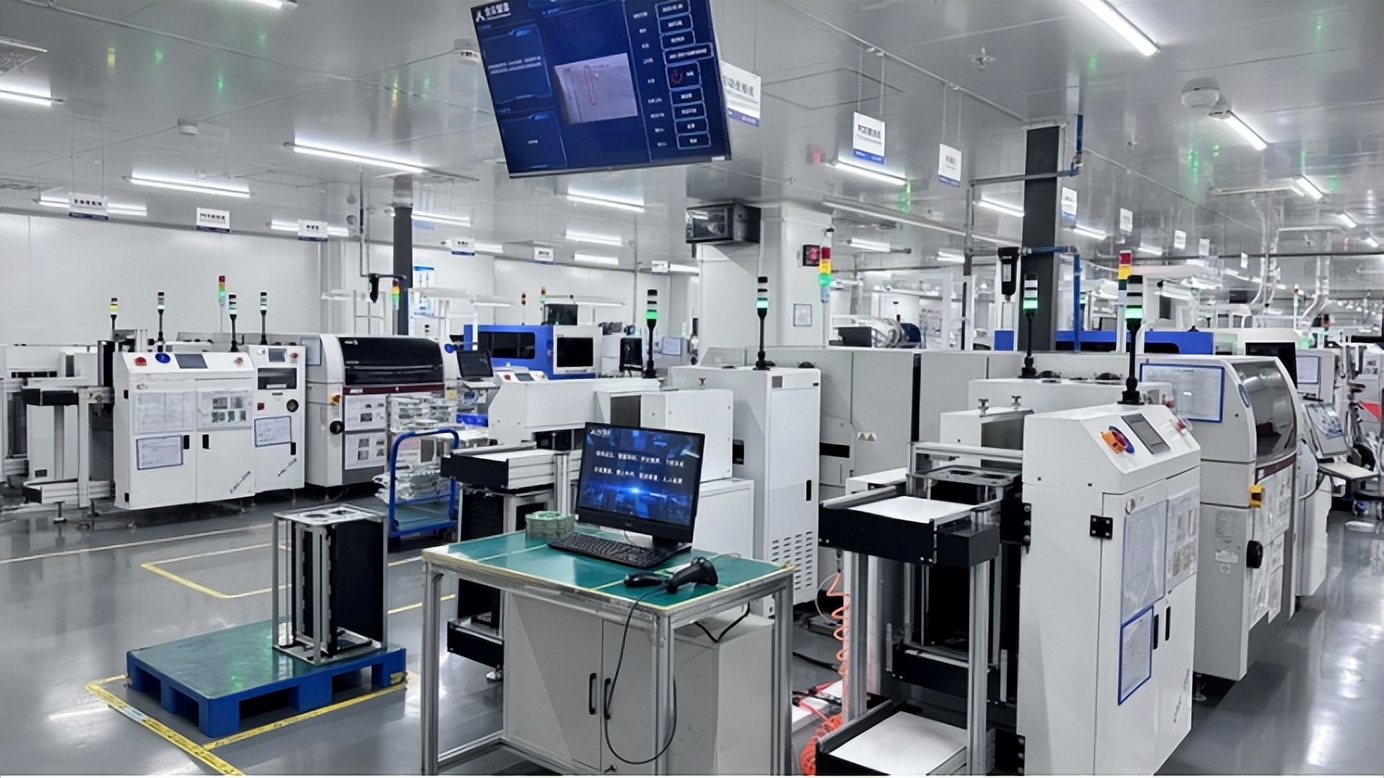
Under Google's E-E-A-T criteria, trustworthiness in hardware manufacturing requires transparent verification methods. Transolix implements an ISO 9001 certified workflow where every high-speed copper modular jack and optical SFP module undergoes automated optical testing, eye diagram analysis, aging tests, and 100% final performance verification. This prevents common failure modes like near-end crosstalk (NEXT) and return loss spikes in high-frequency multi-gigabit setups (10GBASE-T and beyond).
How flexible RJ45 configurations align with high-bandwidth optoelectronic interfaces (SFP+, SFP28) in modern network architecture.
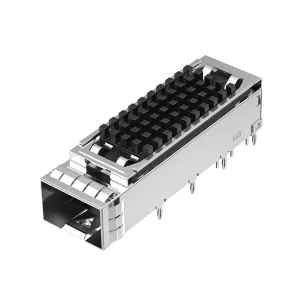
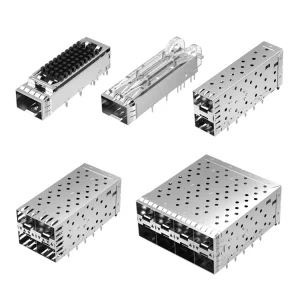
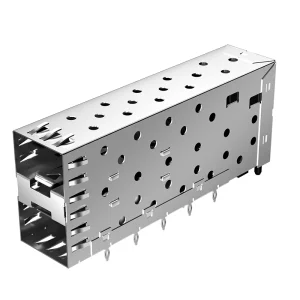
As transmission speeds scale toward 25G, 40G, and 100G, the architectural choices between copper transceiver links and fiber optics become critical. In data centers, flexible RJ45 configurations are increasingly integrated alongside SFP cages to bridge legacy systems with high-speed optical backplanes. For example, using press-fit SMT EMI-shielded SFP connectors with integrated heat sinks allows engineers to maintain high thermal dissipation while deploying copper transceivers for short-reach high-flex patches.
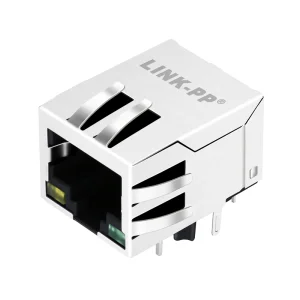
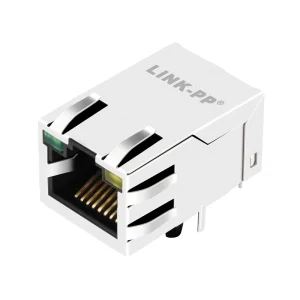
Optimization of modular RJ45 designs with integrated magnetics (such as the XRJD and LPJG series) to support Cat6A cabling, mitigating internal crosstalk and supporting high-power PoE++ deployment.
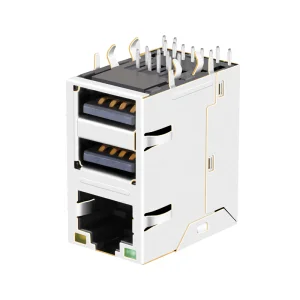
Seamless co-existence of SFP+ cages and stacked RJ45 structures within single-rack units. High-density layouts rely on through-hole EMI shielded housings and custom heat-sink solutions to manage high-speed thermal load.
Transitioning toward flexible, shielded mini-RJ45 and industrial Single Pair Ethernet (SPE) configurations. This reduces physical footprint by up to 50% while sustaining 10Gbps data streams over thin, highly flexible lines.
Modern system integrators look for exporters who not only supply the copper jacks but also provide compatible SFP/SFP+ optical modules. This consolidated sourcing model ensures that signal attenuation and impedance mismatches are minimized across the hardware interface layer. The chart below illustrates the optimal deployment scenarios for copper (RJ45) and optical (SFP) components based on length, flexibility, and EMI environments.
| Connection Type | Standard Specifications | Optimal Distance Range | Flexibility & Bend Radius | EMI Resistance |
|---|---|---|---|---|
| High-Speed Shielded RJ45 | Cat6A / Cat7 (10GBASE-T) | Up to 100 meters | High (With flexible/right-angle boot) | High (With full metal shielding) |
| RJ45 Magnetic Jacks | 1000Base-T with PoE/PoE+ | Up to 100 meters | Moderate (Board-mounted flex design) | Excellent (Integrated magnetic isolation) |
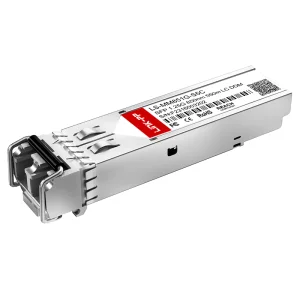
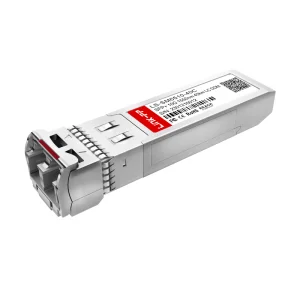
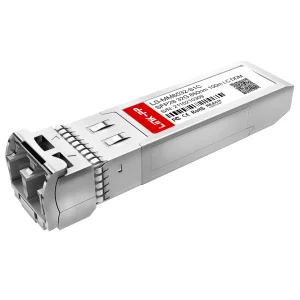
| SFP Transceiver Modules | 1.25G to 10G Duplex LC | 550m (MMF) to 80km (SMF) | Dependent on fiber cord choice | Absolute (Optical immunity to EMI) |
| High-Speed SFP28/SFP+ Cages | 25G / 32G Fibre Channel | Direct Attach Copper / Optics | Very High (Thin DAC cabling layouts) | Excellent (Press-fit cage grounding) |
Investigating the real-world engineering challenges solved by integrating flexible connectivity modules across global key industries.
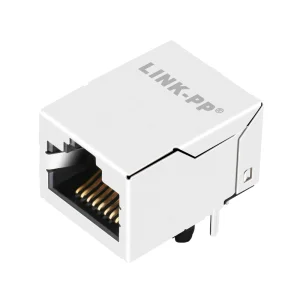
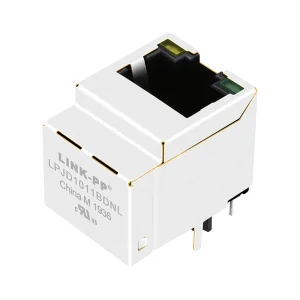
In municipal smart grids, telemetry units are housed in highly cramped outdoor enclosures subject to drastic temperature fluctuations. Standard patch cords fail under cover-plate pressure. By utilizing Right Angle Low Profile RJ45 Inverted Modular Jacks, system layout designers can route cables downwards at a 90-degree angle, reducing cabinet depth requirements by 35mm. This design also isolates the PCB from mechanical stress, protecting delicate solder joints from external physical pulling.
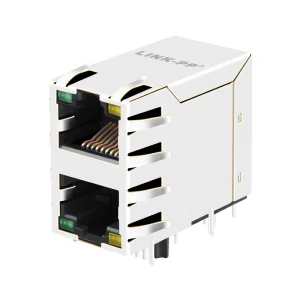
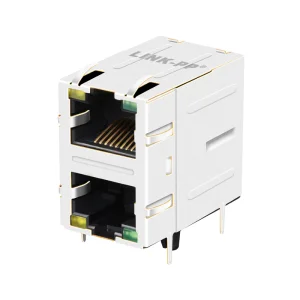
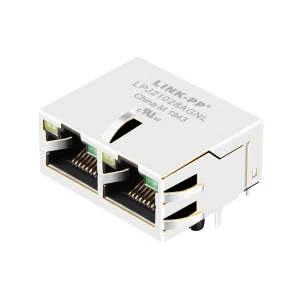
For modern enterprise networks running massive arrays of PoE-enabled surveillance cameras and wireless access points, rack space is at a premium. Deploying 2x1 Port RJ45 Stacked Connectors with Y/G LEDs allows dual-port density within a single port footprint. Integrated LEDs provide immediate port status diagnostics, reducing troubleshooting times for field technicians. Furthermore, built-in magnetics shield the system controller from power surges transmitted over long outdoor cables.
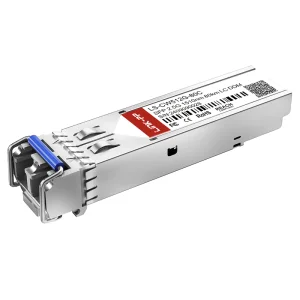
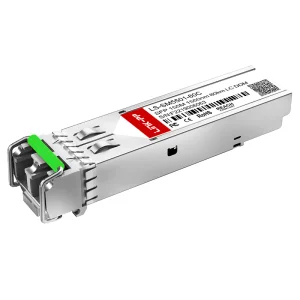
Telecommunications operators deploying fiber-to-the-home (FTTH) networks rely on central office terminals that handle massive optical conversion. SFP transceivers (such as the 100BASE-ZX SMF 80km LC module) must run continuously in sealed outdoor cabinets. Here, press-fit SFP cages with custom heat sinks prevent transceiver degradation, ensuring continuous 80km long-haul optical link stability without active cooling fans.
A visual insight into the state-of-the-art manufacturing, automated optical validation, and high-frequency testing laboratory.


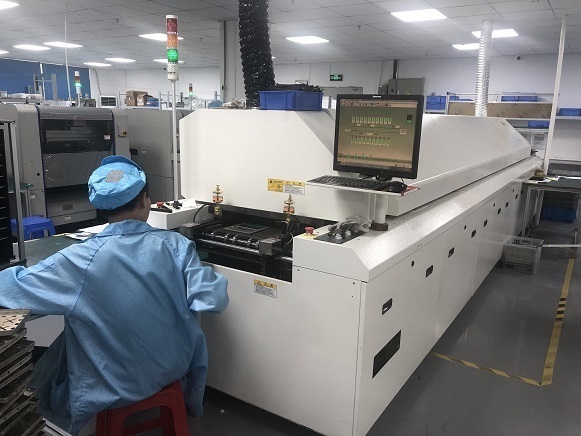

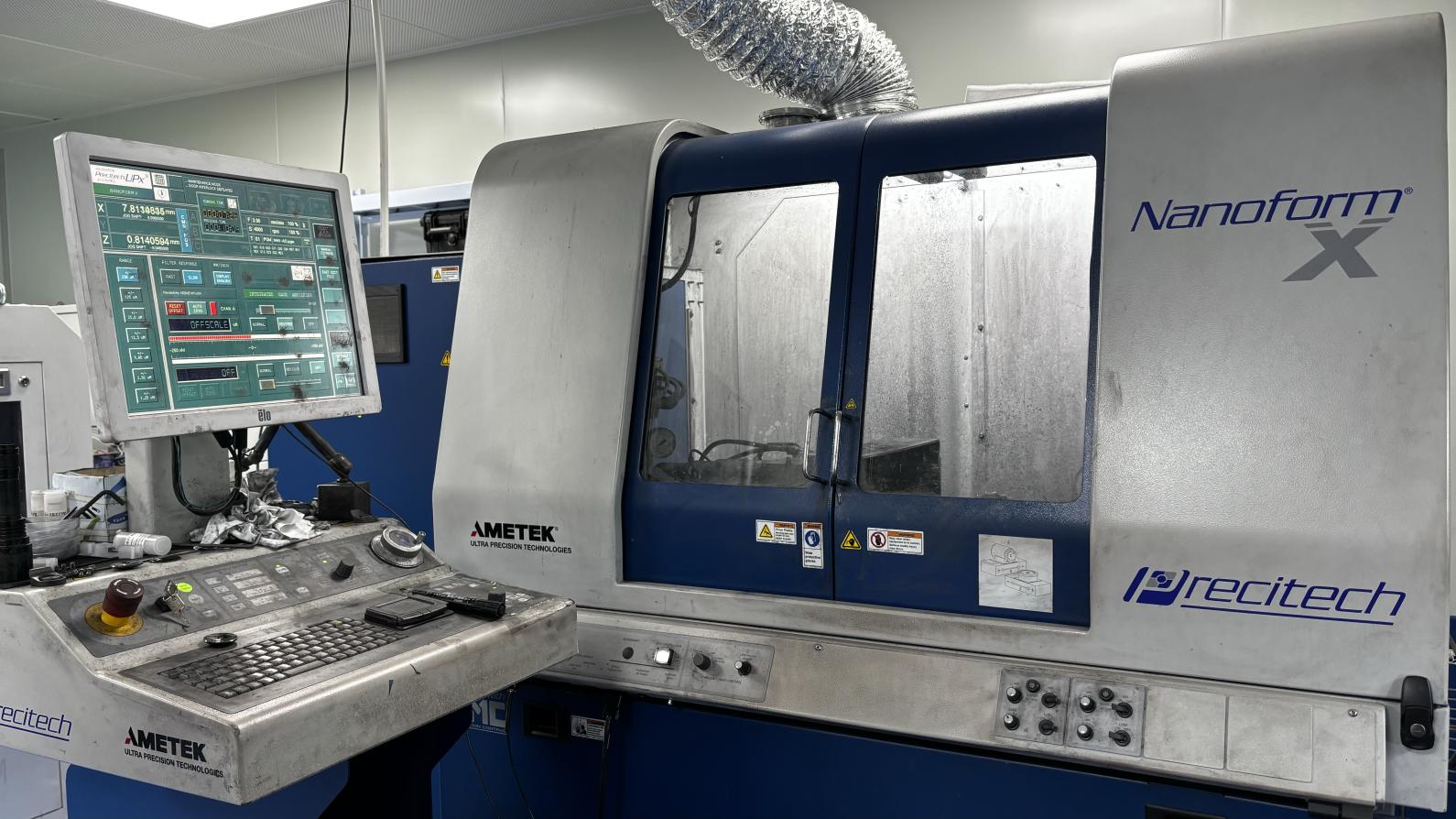
Answering critical deployment, material engineering, and performance compliance questions for hardware sourcing specialists.
Complete your hardware design cycle with high-speed transceivers, standard magnetic jacks, and EMI-shielded cage components.
 Transolix