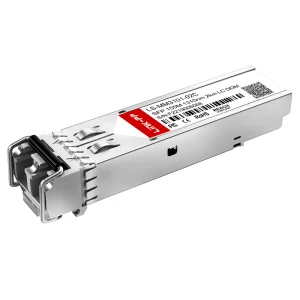
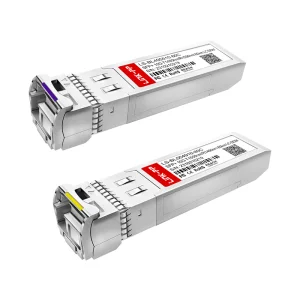
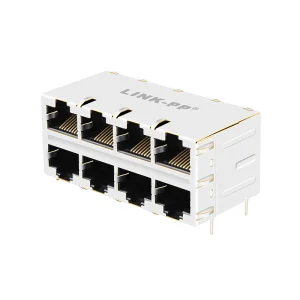
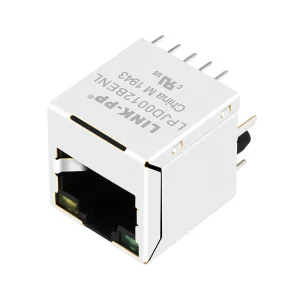
High-speed, magnetically shielded, and rugged optical transceivers engineered for enterprise networks and IoT deployments.
Modern automation frameworks require unparalleled data transmission integrity. In the transition toward Industry 4.0, the demand on the physical layer of the network stack has escalated exponentially. Industrial Ethernet connectors serve as the nervous system of modern manufacturing corridors, process automation lines, and edge compute nodes. Standard commercial network components fail to withstand the continuous operational hazards typical in manufacturing, such as electromagnetic interference (EMI), mechanical stress, ingress of fluids, high humidity, and extreme thermal cycling.
As senior optical interconnect engineers and procurement directors seek optimal performance, selection moves beyond basic compatibility to focus on specialized signal integrity. High-reliability RJ45 configurations, custom SFP transceivers, and electromagnetic attenuation layers dictate whether a production ecosystem maintains high uptime or suffers costly unexpected field interruptions. This technical whitepaper analyzes the industrial connector ecosystem, establishes procurement frameworks, and outlines how Transolix addresses structural requirements with global localized engineering support.
Transolix operates at the intersection of high-frequency design and high-volume, automated production. Specializing in high-performance fiber optic communications, Transolix serves telecom operators, enterprise data hubs, and industrial networks. Unlike assembly-only suppliers, Transolix integrates physical design, component level validation, and firmware customization inside a highly integrated manufacturing process.
With over 11 years of structural sector experience and 6 years of international B2B export operations, Transolix ensures that components meet rigorous international standards. The core capability spans high-speed optical configuration, signal integrity design, and module system integration. Transolix supports customization across multiple parameters, including custom operational wavelengths, unique physical form factors, custom transmission ranges, specific multi-vendor firmware code sets, and integrated magnetics configurations.
Industrial connection requirements differ fundamentally from standard office LAN deployments. In a factory environment, cabling and interfaces face high mechanical stress, vibration, electrical noise, and environmental ingress.
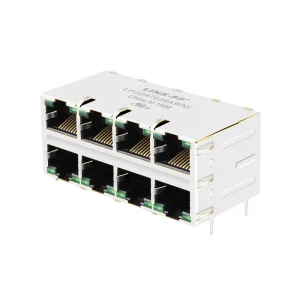
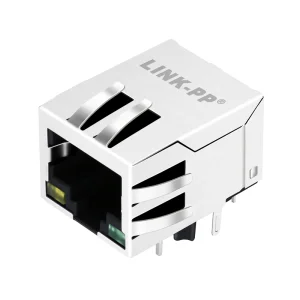
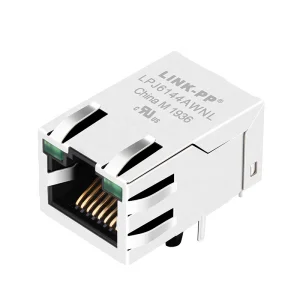
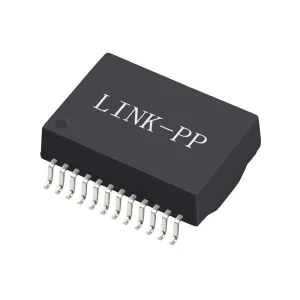
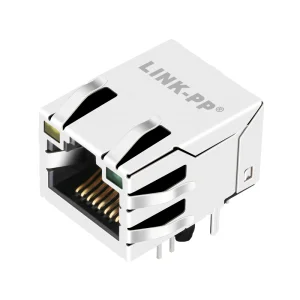
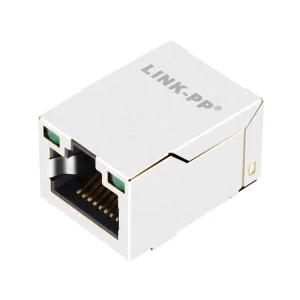
Standard RJ45 jacks rely on external transformers placed on the motherboard PCB, which can introduce trace routing noise and EMI leakage. In contrast, Integrated Magnetics (MagJack) configurations contain the isolation transformers, common-mode chokes, and conditioning resistors inside the shielded RJ45 metal housing.
This setup minimizes PCB trace loops, reduces EMI susceptibility, protects sensitive PHY chips from high-voltage surges, and helps prevent data packet loss in high-voltage industrial environments.
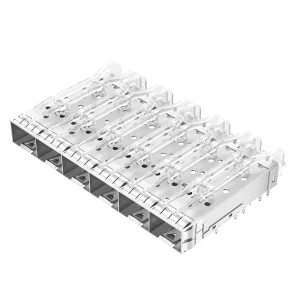
At gigabit and 10G speeds, transceiver interfaces like SFP+ or SFP28 cages must prevent high-frequency leakage. Precision-engineered cages utilize 360-degree EMI spring fingers and light pipe paths to control signal noise.
Press-fit (compliant pin) board termination provides mechanical stability without thermal stresses from wave soldering, ensuring reliable contact under continuous industrial vibration.
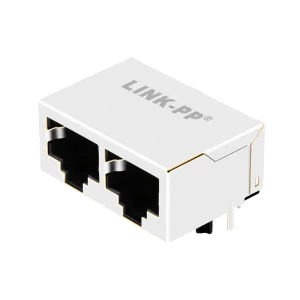
Furthermore, Power over Ethernet (PoE/PoE+) requires connectors to support significant current loads alongside high-speed data. A multi-port 2.5G Base-T PoE+ connector must dissipate heat efficiently and feature specialized contact geometry to minimize arc damage during plug extraction under electrical load.
China's industrial connectivity ecosystem offers unique manufacturing advantages that are difficult to replicate elsewhere. The concentration of component suppliers, testing labs, raw material processors, and specialized engineers enables rapid prototyping and production scaling.
Procuring components for infrastructure deployment requires a balance of upfront unit cost, long-term operational durability, and regulatory compliance. System failures from low-quality connectors can quickly exceed any initial purchase savings.
Ensure suppliers provide test reports on Return Loss, Insertion Loss, and Near-End Crosstalk (NEXT) across target frequency ranges. For high-speed applications like SFP28, verify signal jitter tolerances via eye-diagram analysis.
Confirm compliance with RoHS and REACH standards. For global applications, components must carry recognized certifications such as UL and CE mark designations, and comply with standards like IEEE 802.3bt for PoE deployments.
Confirm the operational temperature envelope matches your environment. Components should support 30 micro-inches of gold plating on contact points to resist corrosion and handle at least 750 mechanical mating cycles.
Historically, industrial networks relied on low-bandwidth serial lines or 10/100 Mbps copper links. With the rise of high-definition machine vision systems, real-time edge processing, and high-density sensor arrays, standard Fast Ethernet is no longer sufficient.
The industry is transitioning toward 2.5G/5G/10G Ethernet speeds over copper, using technologies like Multi-Gigabit Ethernet and single-pair Ethernet (SPE). At the same time, optical links are moving closer to the machinery edge. Transolix supports this shift with high-density SFP, SFP+, and SFP28 components designed to provide high bandwidth and isolation in environments with high electrical noise.
Industrial connectors are used in diverse applications, each requiring specific configurations to address unique environmental challenges.
Integrated magnetics place the isolation transformers, common-mode chokes, and termination resistors inside the connector’s metal housing. This design saves valuable space on the PCB, reduces electromagnetic radiation, improves common-mode rejection, and provides 1.5kV electrical isolation to protect the network controller from surges.
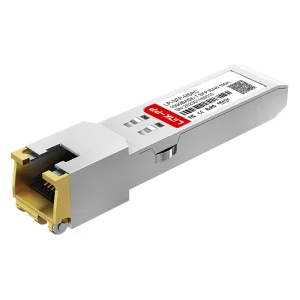
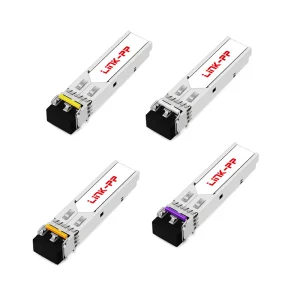
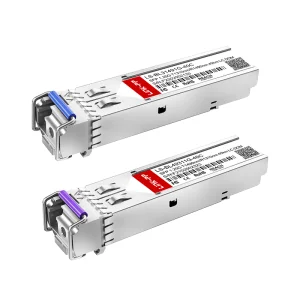
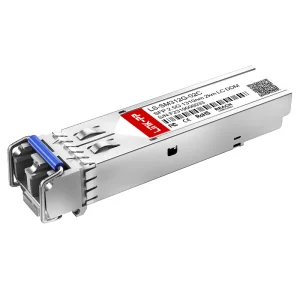
Industrial SFP transceivers are built with ruggedized components designed to operate over a wide temperature range (-40°C to +85°C), compared to commercial modules which are limited to 0°C to 70°C. They also feature gold-plated interfaces, robust metal housings, and undergo extended burn-in testing to ensure reliability under continuous vibration.
PoE+ (IEEE 802.3at) allows a single Ethernet cable to deliver up to 30W of power along with data to devices like pan-tilt-zoom cameras, RFID scanners, and wireless access points. Connectors must be designed to handle this current without overheating and to resist contact wear caused by electrical arcing during hot-unplugging.
Transolix maintains a compatibility testing facility equipped with switches and routers from leading manufacturers (including Cisco, Moxa, Juniper, and Huawei). Transolix engineers write custom firmware code sets to ensure modules pass device detection protocols, providing seamless plug-and-play operation.
Transolix offers customization across several operational parameters, including optical wavelengths (such as CWDM/DWDM grids), transmission distance (ranging from 100m to 80km+), connector interface types (LC, SC, or RJ45 copper), EEPROM coding compatibility, and specific mechanical housing modifications.
The quality control system uses 42 specialists and includes automated optical testing, eye diagram analysis for signal integrity check, high-temperature thermal aging, and 100% final performance verification on target network switches prior to packaging and shipment.
A look inside our ISO 9001 certified optical alignment assembly lines, high-frequency test benches, and cleanroom facilities.
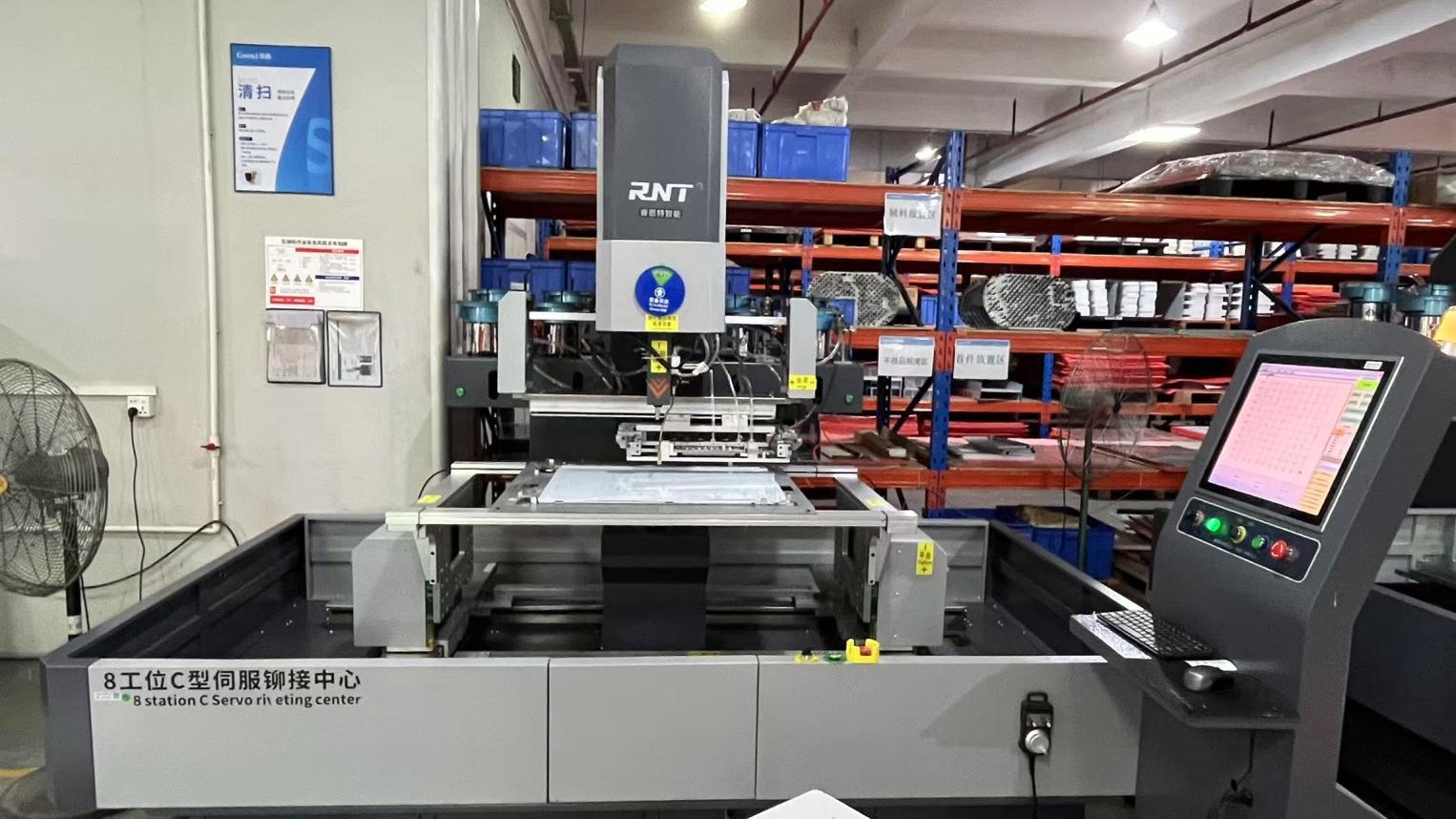

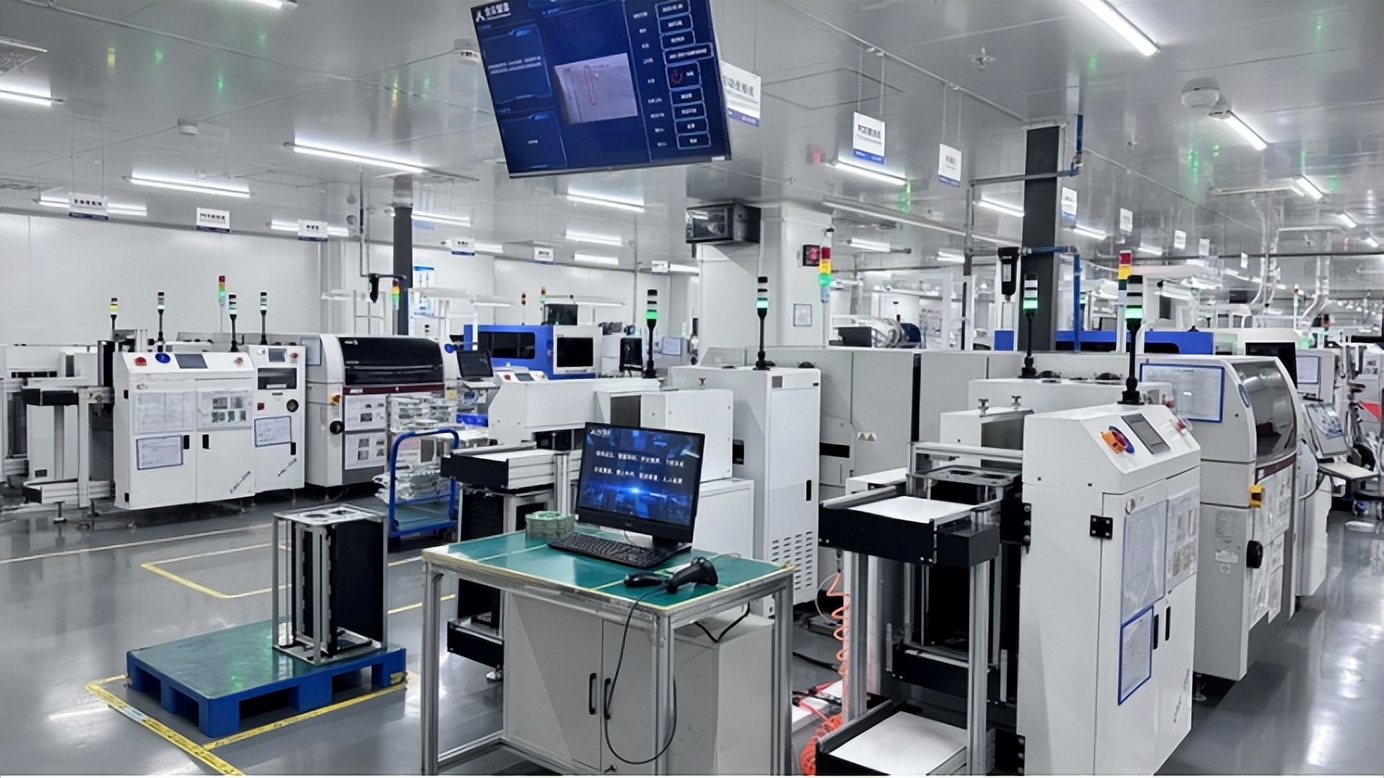
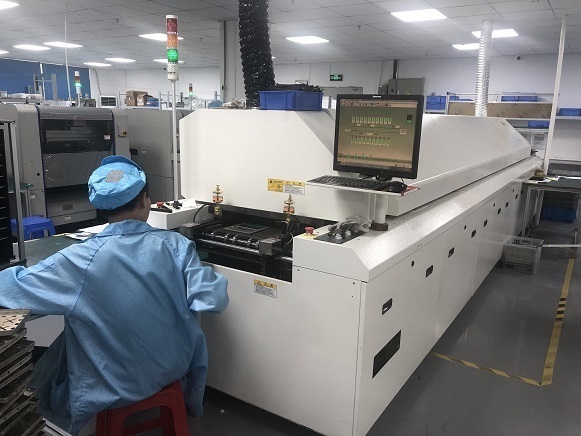

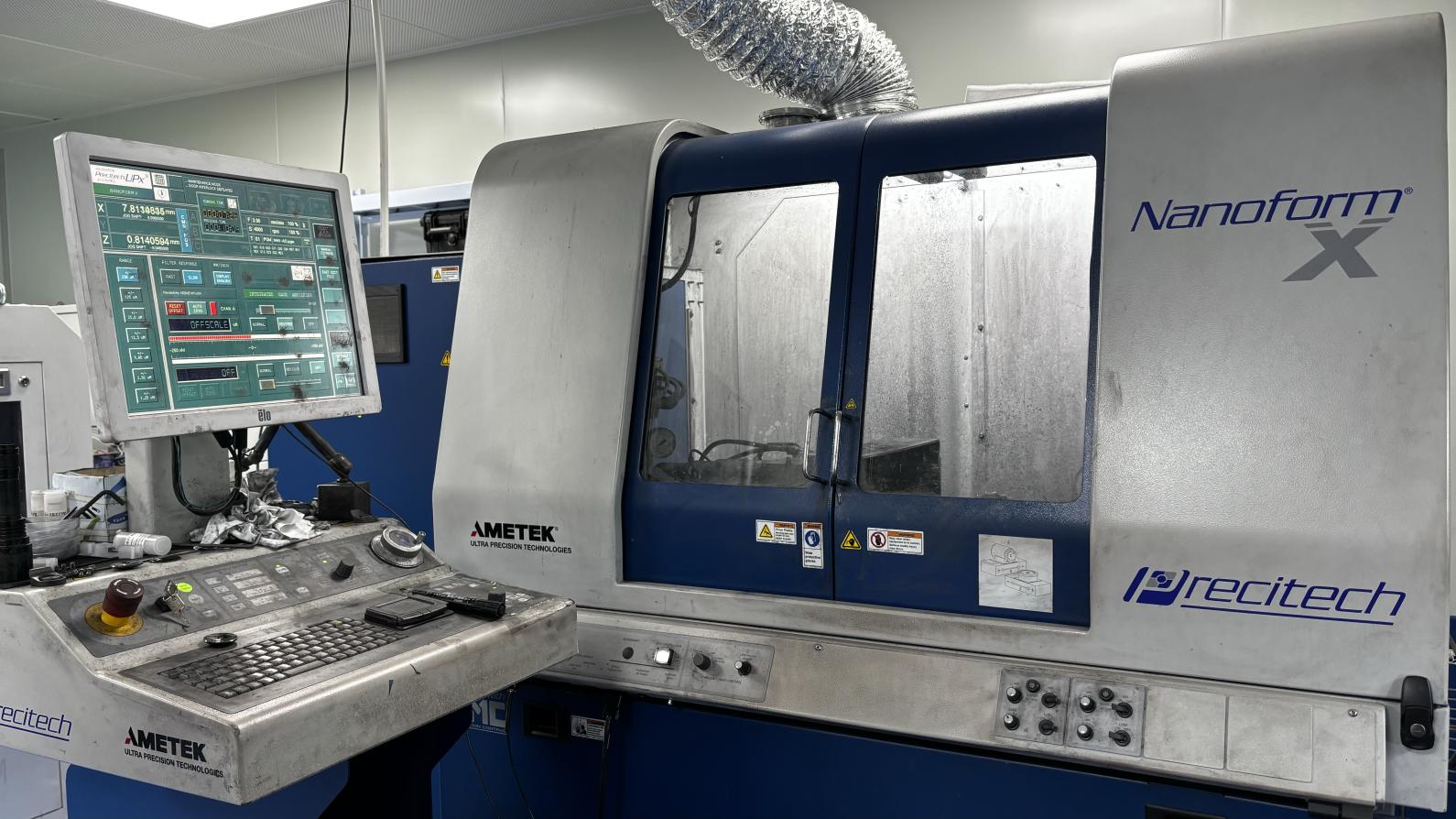
High-isolation magnetic transformers, shielded SMT connectors, and multi-port cages designed for high-density network devices.
 Transolix