Explore our curated select line of modular ethernet adapters, transceiver interfaces, and shielding enclosures. These primary interconnect configurations form the basis of modular connectivity architectures.
In the age of rapid cloud adoption, artificial intelligence, and 5G networks, serial communication systems—specifically RS232 standards—continue to serve as the critical control fabric for heavy industry, telecommunication networks, and network switches. While modern networks utilize multi-gigabit fiber optics and high-density copper ethernet, out-of-band management interfaces, industrial PLC arrays, and legacy medical hardware still rely on the robust, predictable EIA/TIA-232 serial specification.
The RJ45 to RS232 Adapter bridges the physical and electrical gaps between modern structural cabling architectures (typically utilizing Cat5e/Cat6/Cat6A patch networks terminated with modular 8P8C RJ45 jacks) and native legacy DB9/DB25 serial hardware interfaces. This alignment enables network engineers to deploy standard structured patch cabling over long distances for serial console connection routing, reducing custom wiring costs and avoiding system replacements.
The standard RS232 protocol defines voltage levels that swing between +3V to +15V (for logical "0" / Space) and -3V to -15V (for logical "1" / Mark). In contrast, RJ45 physical jacks typically host standard digital or differential signalling such as Ethernet (IEEE 802.3). RJ45-to-RS232 mapping routes the standard EIA-561 serial signalling through standard twisted-pair Ethernet cables.
Without this conversion topology, network administrators would have to run heavy, expensive, and poorly shielded DB9 serial cables to individual console ports. By using RJ45-to-RS232 adapters, standard structured cabling networks can be utilized to patch console ports directly to remote terminal servers, simplifying clean layout design across enterprise data centers.
As industrial environments scale towards Industry 4.0, the requirement for robust serial interfaces remains high. Below are the key technological advancements reshaping the design, manufacturing, and procurement of RJ45 and RS232 interconnection adapters:
Understanding pinout configurations is critical to preventing communication loss, buffer overflows, or device damage. Below is the standard mapping diagram representing the standard Cisco RJ45 Console Pinout to the standard DB9 RS232 Serial Interface:
| RJ45 (8P8C) Pin Number | Signal Code | Signal Name | Direction (with respect to Host) | DB9 Female Pin Number |
|---|---|---|---|---|
| 1 | RTS | Request To Send | Output | 8 |
| 2 | DTR | Data Terminal Ready | Output | 6 |
| 3 | TXD | Transmit Data | Output | 2 |
| 4 | GND | Signal Ground | Reference | 5 |
| 5 | GND | Signal Ground | Reference | 5 |
| 6 | RXD | Receive Data | Input | 3 |
| 7 | DSR | Data Set Ready | Input | 4 |
| 8 | CTS | Clear To Send | Input | 7 |
Enterprise procurement departments, network integrators, and telecom infrastructure buyers must evaluate manufacturers based on strict operational metrics to ensure reliability. Low-cost, unshielded copper clones often suffer from poor contact consistency, resulting in signal degradation and network downtime.
When vetting factories and key suppliers for serial interconnect adapters and related physical interface modules, procurement teams prioritize several key technical requirements:
Transolix is a professional optical transceiver and networking component manufacturer specializing in high-performance fiber optic communication solutions, shielding enclosures, and critical network connectors for global data centers, telecom operators, and enterprise networks.
With strong engineering capabilities and scalable production capacity, Transolix is committed to delivering reliable, high-speed, and cost-effective connectivity products worldwide. By bridging standard copper interfaces, high-frequency physical connectors, and optical networks, Transolix supports comprehensive modern networking architectures.
Operating since 2016, the company combines extensive export expertise with reliable engineering processes. The integration of robust physical ports, like RJ45 modular jacks, and high-speed optical transceivers enables Transolix to support infrastructure developers globally.
| Transolix Corporate Specifications & Quality Control Systems | |
|---|---|
| Building Area & Infrastructure | 320㎡ optimized production design facility for specialized assembly and precision testing |
| Industry Experience | 11 Years of technical development and design expertise in communication networks |
| Export Reach | 6 Years of global trade experience servicing North America, Europe, Southeast Asia, and the Middle East |
| Supply Chain Network | 860 certified upstream supply partners providing premium raw materials, chipsets, and optical components |
| Annual Product Releases | 86 new interface and component models developed yearly to address evolving standards |
| Quality Standards | ISO 9001 certified, combined with rigorous internal reliability benchmarks |
| Inspection Procedures | 100% automated optical verification, eye diagram analysis, aging tests, and structural validation |
Interconnect adapter products, RJ45 ports, and optical modules operate in various commercial topologies. The primary configurations include:
Modern data centers utilize dedicated terminal servers to control racks of switches, routers, and firewalls. By converting the serial console port of each networking device (typically an RJ45 port routed with Cisco's console layout) to standard CAT-cabling arrays, administrators can centralize control into terminal switches. This design avoids local patching and ensures engineers can access switch CLI configurations during network failures.
Programmable Logic Controllers (PLCs), variable speed drives, and manufacturing sensors often use RS232 or RS485 loops. Converting these connections to RJ45 allows factories to route signals over structured network systems. Using high-quality RJ45 connectors with integrated magnetics and shielding helps safeguard terminal controllers against electromagnetic spikes and electrical noise.
Legacy receipt printers, barcode scanners, and smart meters communicate via RS232. Modern controllers utilize centralized RJ45 hubs. High-retention RJ45-to-RS232 adapters enable stable connections, ensuring uninterrupted transaction flows and continuous data collection.
The requirement for high-density physical connections is driving updates in adapter design. Key technical updates include:
Managing international supply chains requires strict adherence to regional certification frameworks and localization standards. When integrating high-frequency ports and optical modules, products must be validated for different markets:
Review our secondary line of high-performance components, including media transceivers, PCB-mount modular RJ45 connectors, and EMI-shielded cage housings.
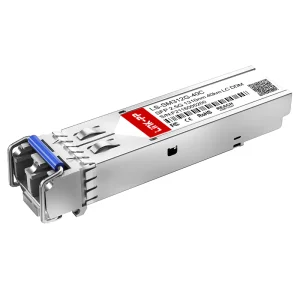
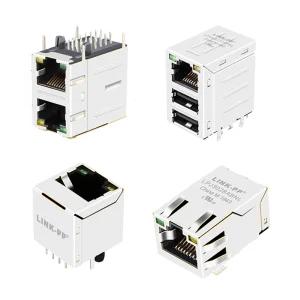
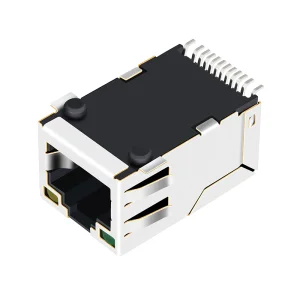
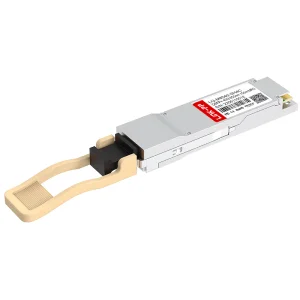
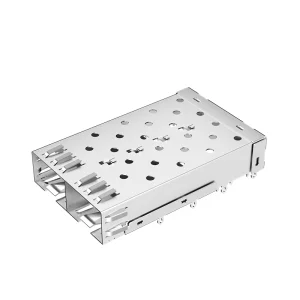
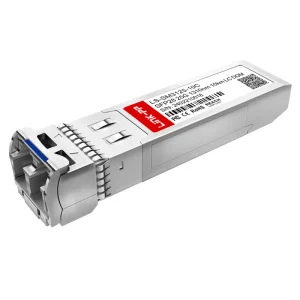
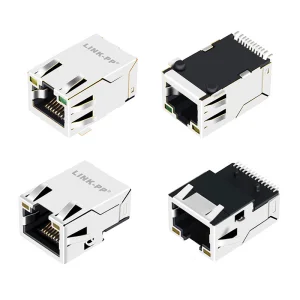
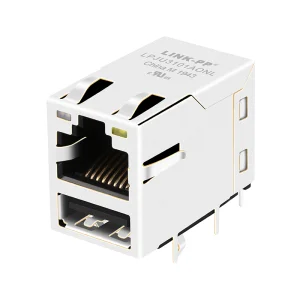
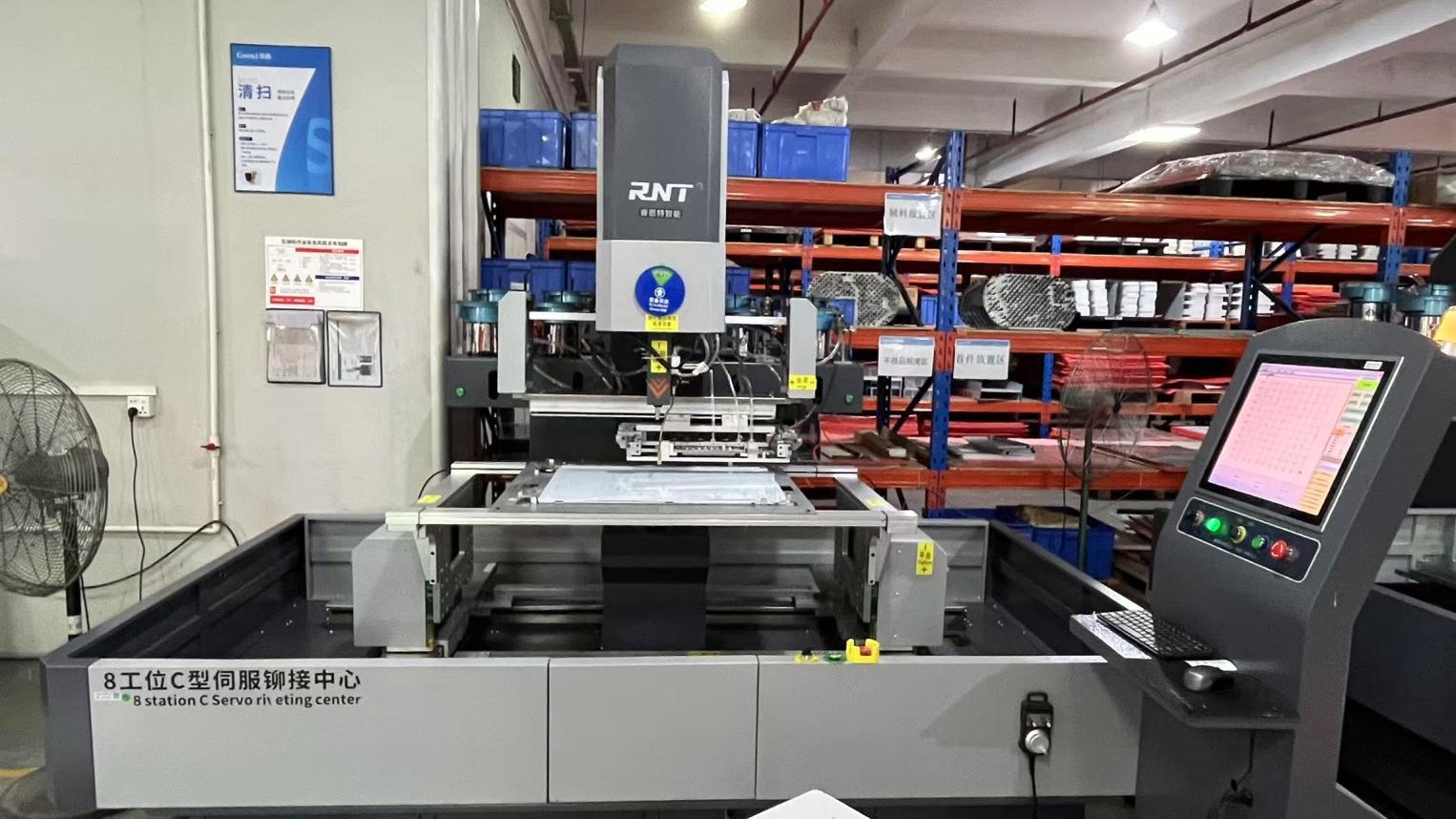
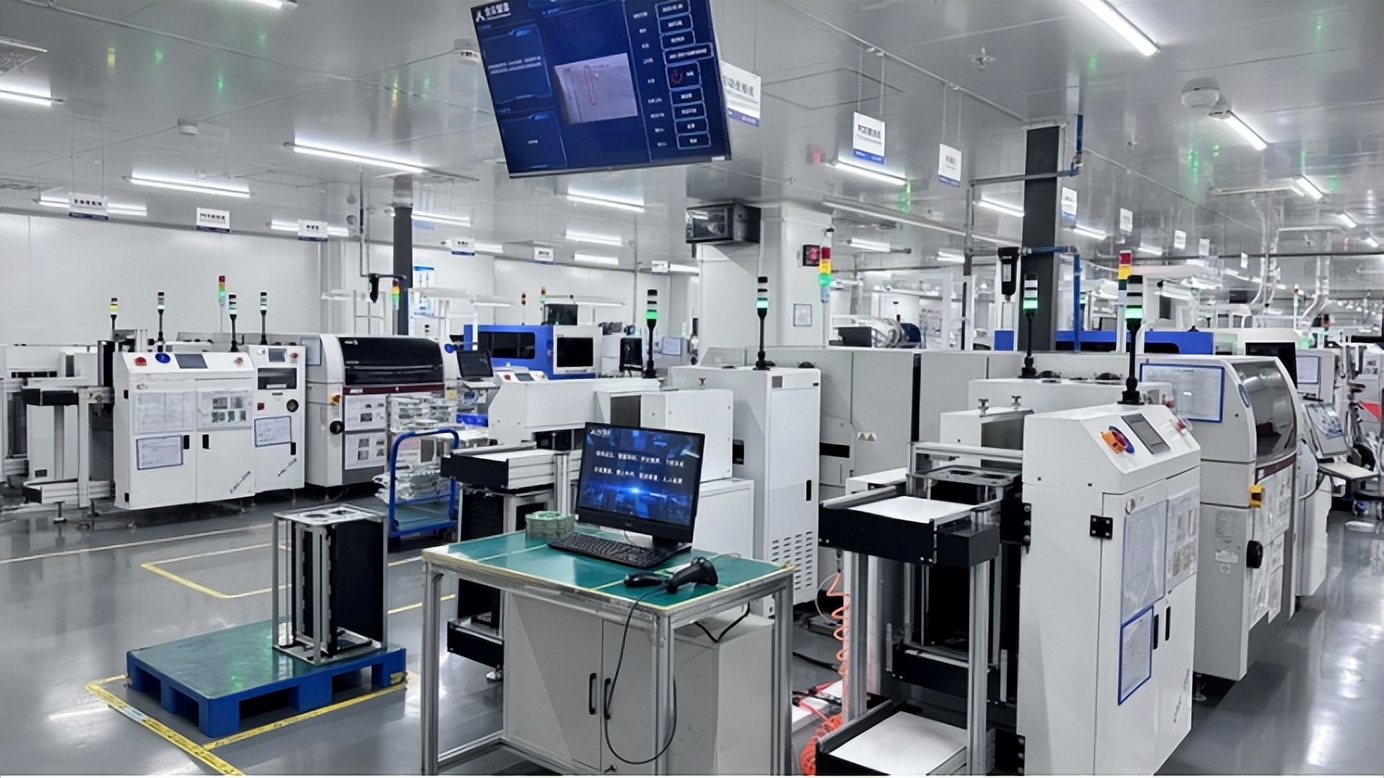
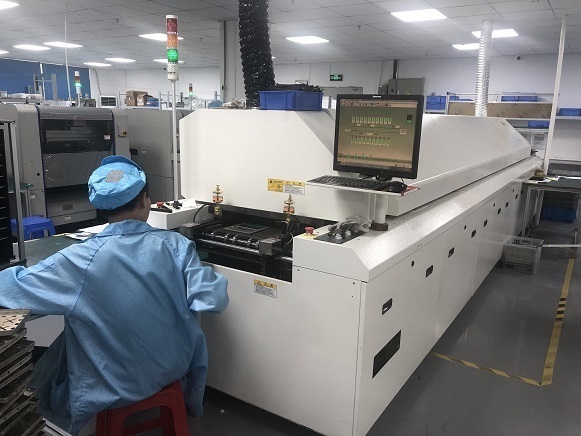
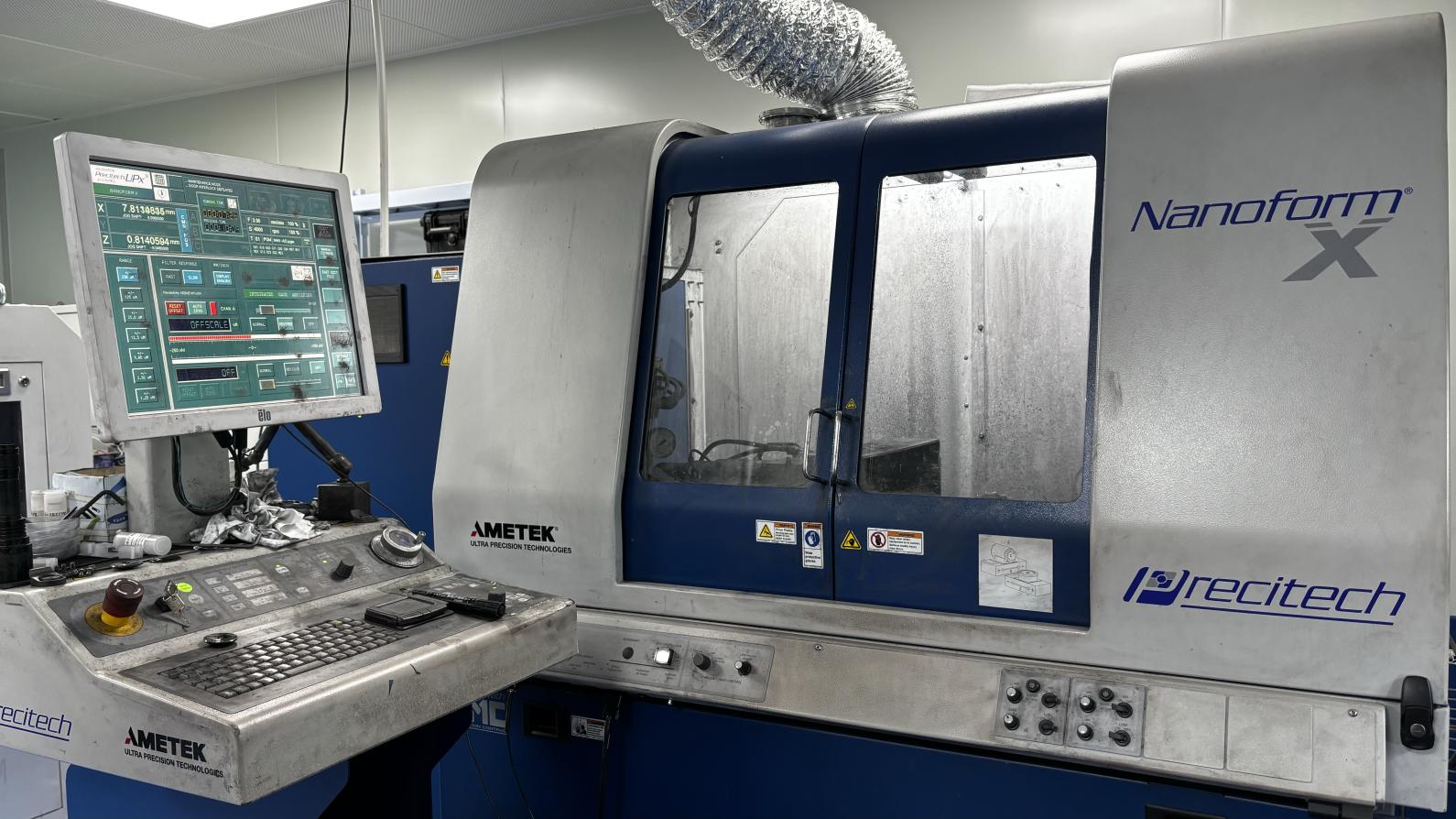
Our manufacturing facilities utilize automated testing equipment, cleanrooms, and strict quality control stations to ensure that every connector, transceiver interface, and adapter meets design specifications.


 Transolix