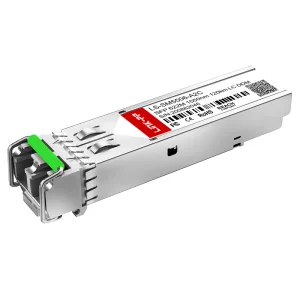
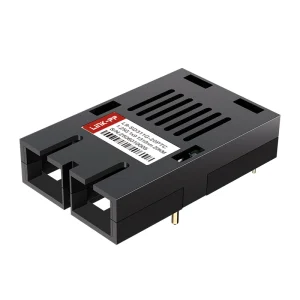
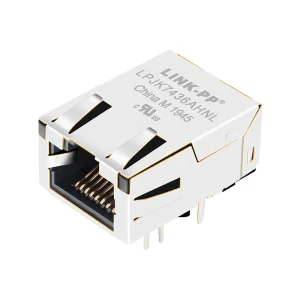
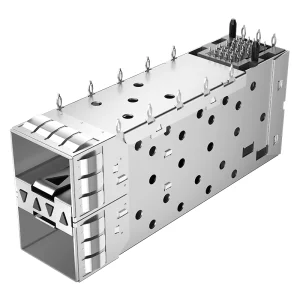
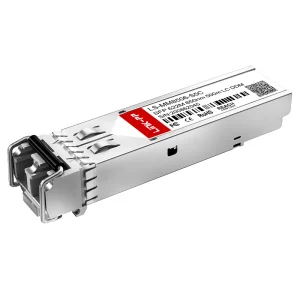
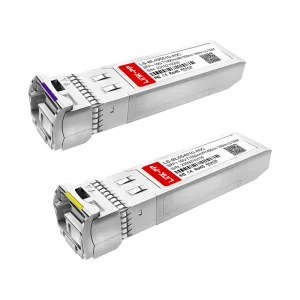
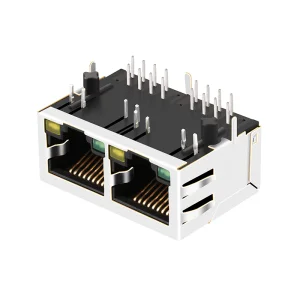
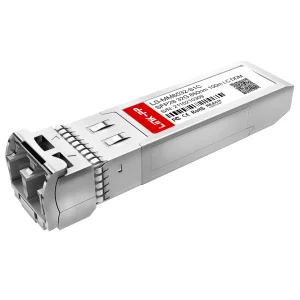
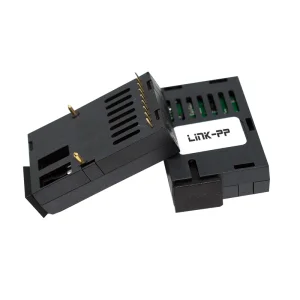
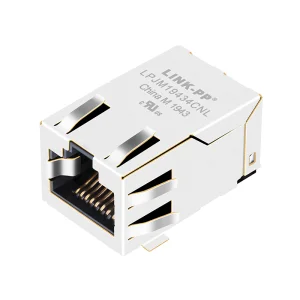
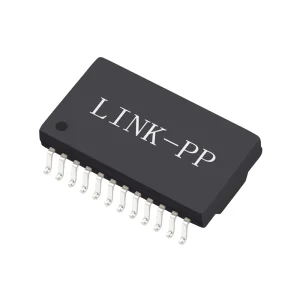
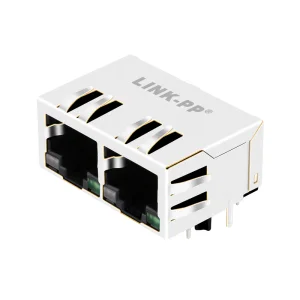
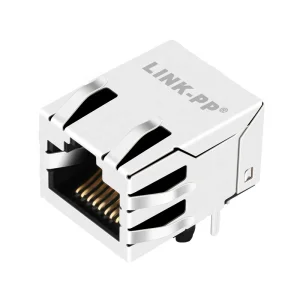
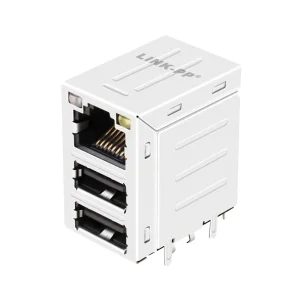
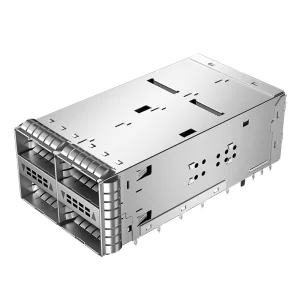
Explore our foundational range of optical modules, shielded RJ45 systems, and EMI-shielded cage assemblies optimized for ruggedized systems.
In the era of Industrial Internet of Things (IIoT), automation, and edge computing, traditional Ethernet solutions are no longer sufficient to support operations in harsh environments. Commercial-grade Ethernet cables often fail due to extreme temperature variations, chemical exposures, continuous physical flexion, and electromagnetic interference (EMI). As a result, the global industry has shifted towards Rugged Ethernet Cables engineered for maximum durability and transmission integrity.
According to industrial research, the market for ruggedized physical layer solutions is expanding rapidly. This demand is driven by the defense, maritime, rail transit, aerospace, and energy sectors. Modern applications require high-speed data delivery—often up to 10Gbps and 25Gbps—without packet drops. Consequently, structural engineering of the cable jacket, shield, and conductor cores has become a focus for international standards agencies, including ISO/IEC and TIA.
The manufacturing and export ecosystem is highly concentrated. Highly specialized manufacturers supply aerospace OEMs, defense prime contractors, and heavy industrial integrators. To stay competitive, top manufacturers focus on materials science, custom polymer compounding (e.g., Polyurethane, Fluoropolymers), and advanced shielding systems. This ensures that their cables can withstand physical and electromagnetic challenges in demanding applications.
Designed to withstand up to 10 million continuous flex cycles in C-tracks and robotic drag chains, preventing fatigue-induced conductor breakage.
Incorporates SF/UTP or S/FTP double-shielding mechanisms (braided copper and aluminum foil) to block high-frequency electromagnetic interference.
Engineered using specialized jackets (FEP, TPU, or LSZH) to operate efficiently in extreme temperature conditions ranging from -40°C to +85°C.
China has established itself as a leading global supplier of high-speed ruggedized network connectivity components. This is not just due to cost-efficiency, but also because of the country's integrated supply chain ecosystem. Unlike regional assembly lines, industrial hubs in China, such as Guangdong, offer a comprehensive production process. This includes raw wire drawing, copper refining, specialized polymer compounding, advanced shielding weaving, and automated connector termination.
This localized supply chain allows manufacturers like Transolix to quickly source certified components, design custom configurations, and deliver custom cables in short turnaround times. While Western competitors may face long lead times for raw materials like FEP or specialized polyurethane, Chinese manufacturers can prototype and deliver custom solutions within days.
Furthermore, China's efficiency is enhanced by the integration of automated manufacturing and testing systems. Industrial factories employ automated optical testing (AOI), high-precision eye diagram analysis, and automated network analyzer benches. These systems inspect every cable and transceiver module to ensure compliance with standards like Cat6a, Cat7, or SFP Multi-Source Agreements (MSA).
Rugged Ethernet connectivity is used in many demanding industrial applications. The design requirements vary significantly based on the operating environment. For instance, in automated manufacturing, the focus is on physical flexibility and resistance to chemical lubricants. In contrast, maritime installations require protection against saltwater corrosion and high humidity.
Used in multi-axis robotic arms and conveyor systems where continuous movement requires high-flex cabling. These cables run EtherCAT, PROFINET, or Modbus TCP protocols without data loss, ensuring real-time machine-to-machine coordination.
Installed on offshore rigs and shipping vessels, these cables utilize LSZH (Low Smoke Zero Halogen) jackets that resist UV radiation and marine microbes. The connectors are sealed to IP67/IP68 standards to protect against moisture ingress.
Transportation systems rely on rugged Ethernet for passenger Wi-Fi, signaling, and security cameras. These cables are designed to withstand constant vibration and mechanical shocks, complying with standards like EN 50155.
Used in wind turbine nacelles and solar tracking systems. The cables must handle high torsional stress and wide temperature variations, ensuring stable data transmission for grid monitoring systems.
The industry is moving toward combined power and data transmission. Technologies like Power over Ethernet (PoE++ / IEEE 802.3bt) now deliver up to 90W of power alongside high-speed data over a single ruggedized cable. This simplifies device installation in remote areas but requires better heat dissipation and higher wire gauges (e.g., 22AWG copper conductors).
At the same time, the transition to high-speed networks has led to hybrid cabling solutions. These cables combine single-mode or multi-mode optical fibers with copper conductors in a single jacket. These hybrid systems are ideal for long-distance outdoor installations, such as surveillance systems and remote oil wells, where signal loss over distance is a concern.
With expertise in high-frequency fiber optic connectivity, high-speed transceiver modules, and rugged connectors, Transolix supports modern communication networks globally.
Established in 2016, Transolix specializes in optical transceiver manufacturing and custom interconnect design. We serve telecom operators, enterprise networks, data centers, and industrial integrators worldwide. By combining advanced engineering with scalable manufacturing capacity, we deliver reliable, high-speed, and cost-effective connectivity solutions.
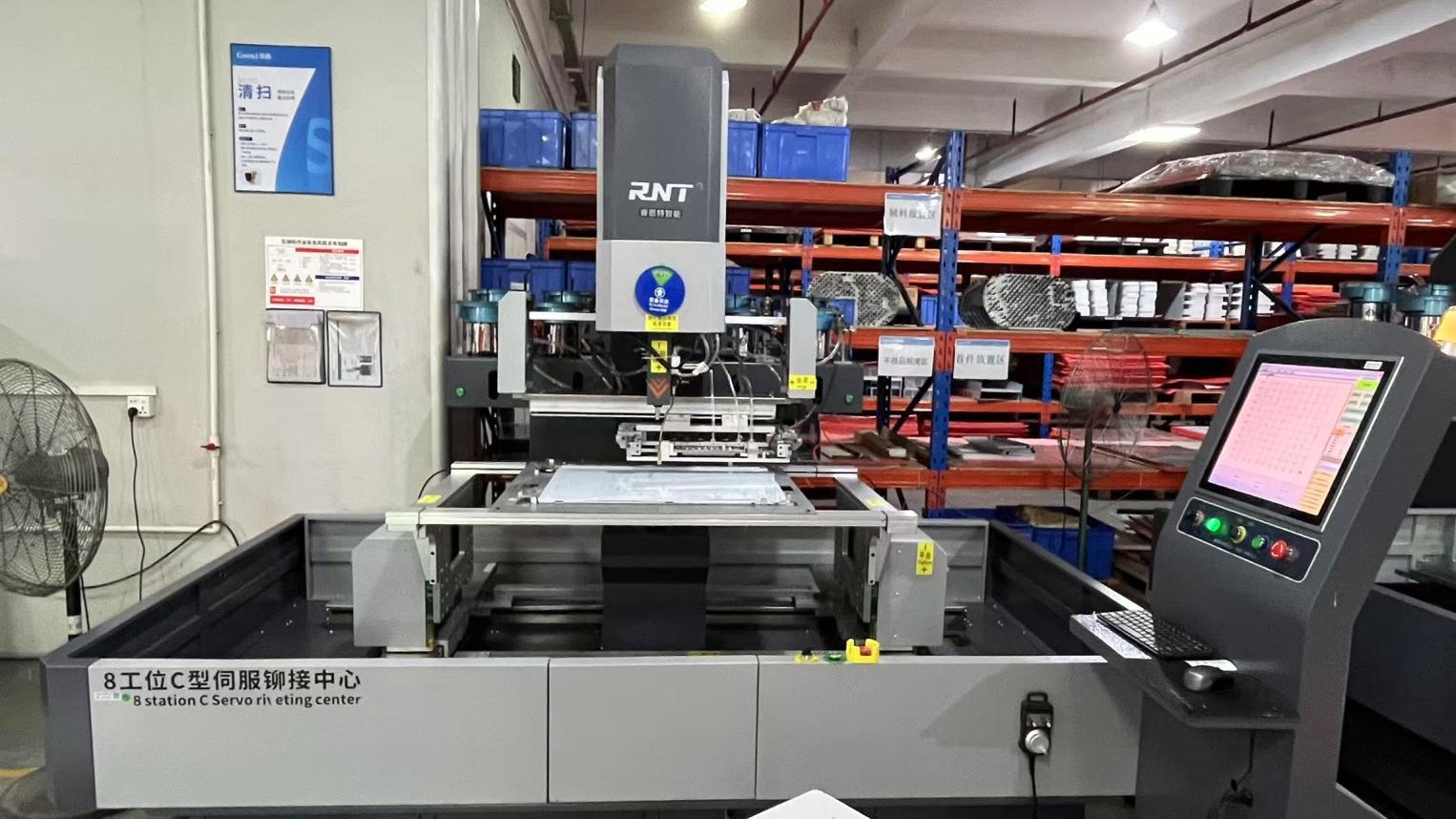
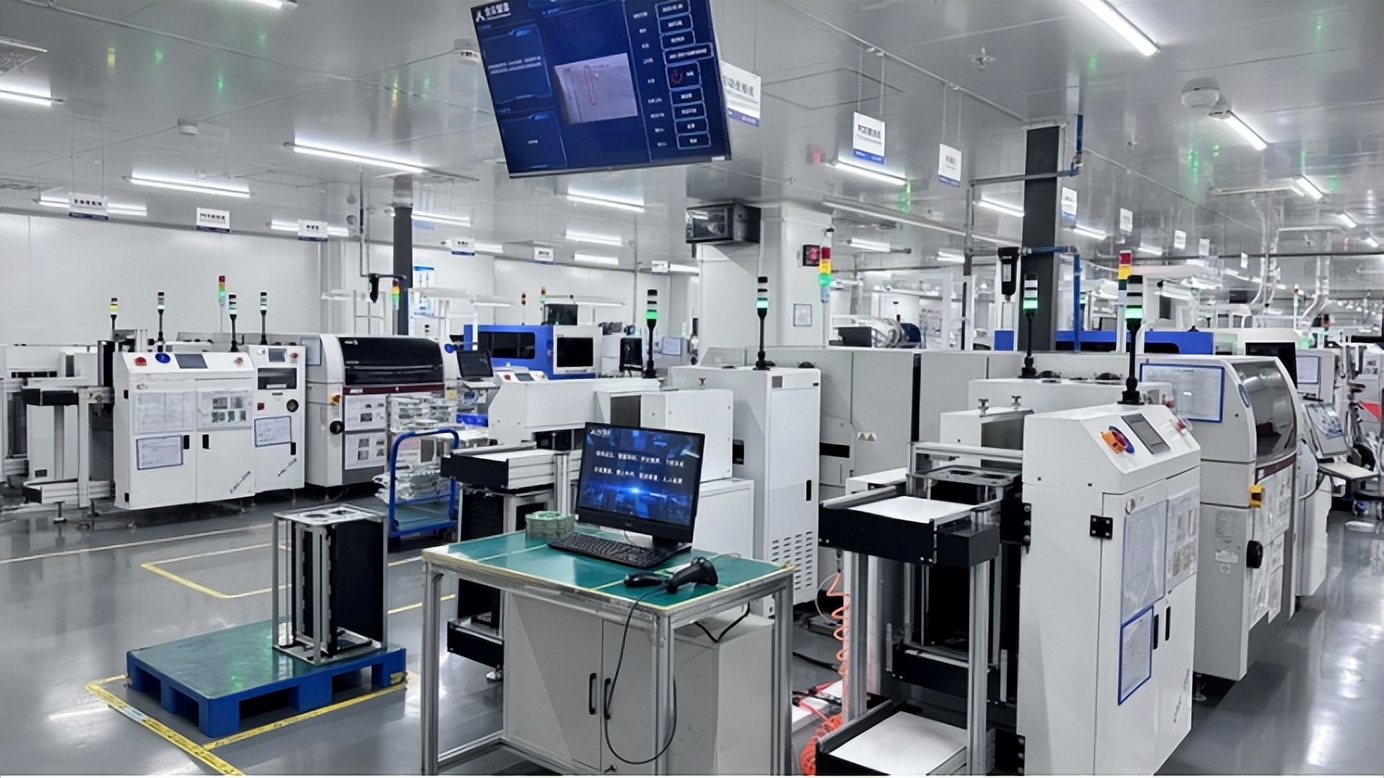
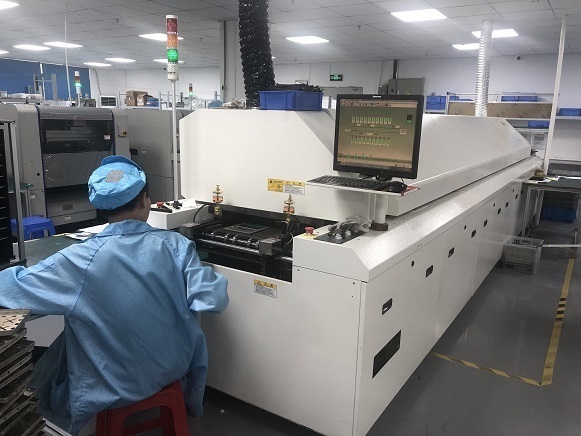
Our quality management system is certified to ISO 9001. Our manufacturing facility utilizes automated optical testing, eye diagram analysis, thermal chamber aging, and full performance verification for every module and cable. This strict testing process ensures reliable operation in demanding applications.
Our design capabilities cover SFP, SFP+, QSFP28, QSFP-DD, and custom copper/fiber hybrid systems. In the past year alone, our R&D division released 86 new models. This allows us to offer customized wavelengths, form factors, transmission distances, and firmware configurations for diverse client requirements.
Critical insights for procurement directors, network engineers, and system integrators.
Polyurethane (PUR) is a thermoplastic elastomer that offers high resistance to abrasion, tearing, mechanical wear, and chemicals (including oils and solvents). This makes it ideal for dynamic industrial environments like robotic arms and drag chains. PVC (Polyvinyl Chloride) is more rigid and cost-effective, making it suitable for static installations, but it lacks the chemical resistance and flex life of PUR in demanding conditions.
SF/UTP (Shielded and Foiled/Unshielded Twisted Pair) features an overall braided shield and foil wrap around unshielded twisted pairs. It provides good protection against external electromagnetic interference (EMI). S/FTP (Shielded/Foiled Twisted Pair) features an overall braided shield with each individual twisted pair wrapped in its own foil shield. This configuration offers better protection against internal crosstalk (between pairs) and is ideal for high-bandwidth applications like Cat7 and Cat8 networks in high-noise environments.
Modern industrial networks require hybrid solutions. While copper cables (using shielded RJ45 connectors) are standard for short-distance connections (up to 100 meters) and Power over Ethernet (PoE) systems, optical transceivers (SFP/SFP+) are necessary for long-distance transmission and complete immunity to electromagnetic interference. Offering both allows us to provide end-to-end connectivity solutions for diverse industrial architectures.
Transit applications generally require compliance with EN 50155, which specifies testing parameters for temperature, humidity, shock, and vibration. Marine applications require compliance with standards from bodies like the American Bureau of Shipping (ABS) or DNV, which focus on saltwater corrosion resistance, flame retardancy (IEC 60332), and low-smoke zero-halogen (LSZH) properties for safety in confined spaces.
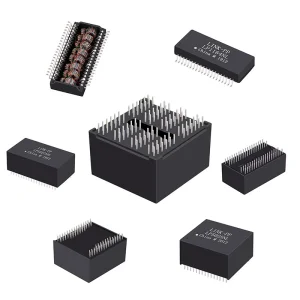
Select from our optical SFP designs, high-speed cage interfaces, and magnetic LAN transformers to complete your network system.
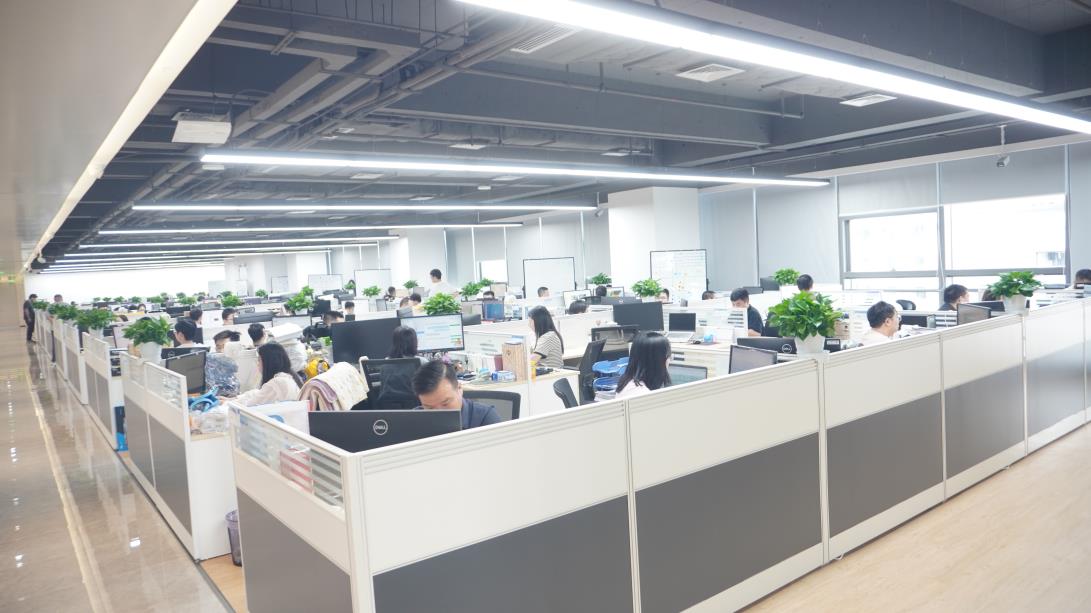
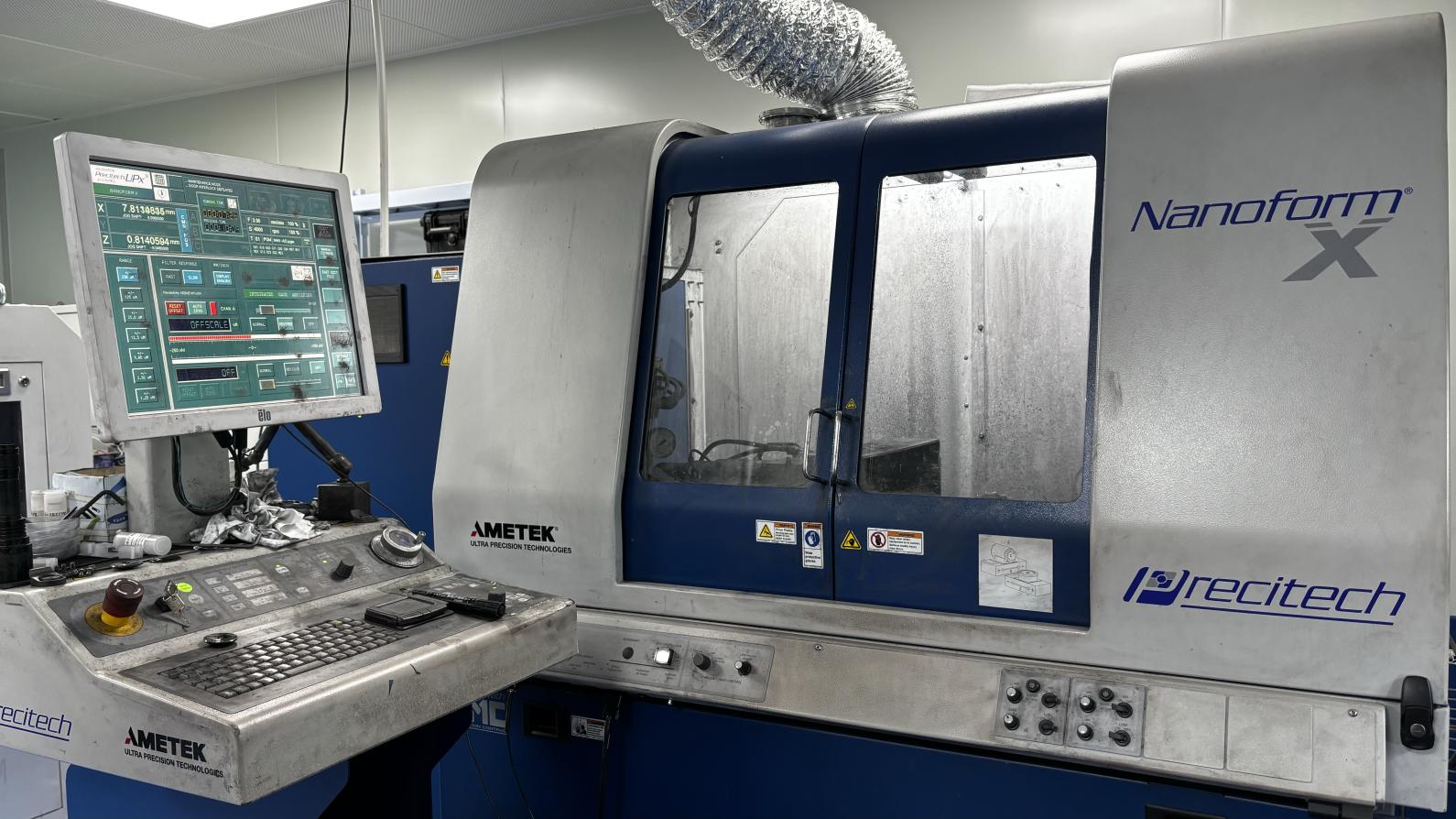
Inside our production and test facilities, specialized equipment ensures reliability and adherence to global physical-layer network standardizations.

 Transolix