High-performance snap-in modular jacks, electromagnetic shielding cages, and advanced copper & fiber transceiver modules engineered for enterprise environments.
The standard for reliable mechanical snap-locking modular sockets in mission-critical networking applications.
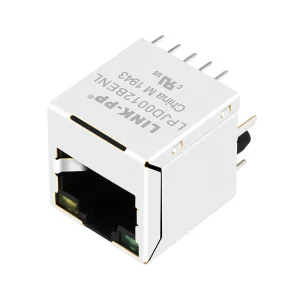
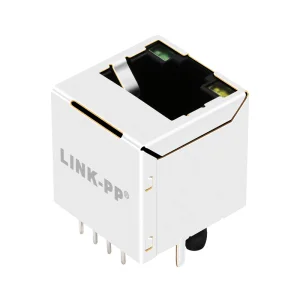
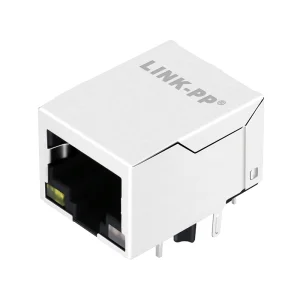
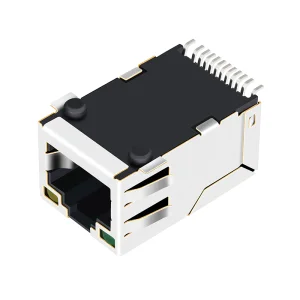
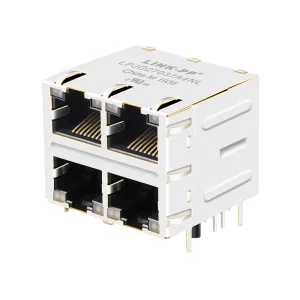
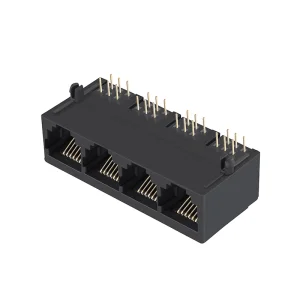
In the rapidly evolving landscape of telecommunications, industrial ethernet, and structured cabling solutions, the snap-in RJ45 connector has established itself as an indispensable mechanical component. Unlike traditional screw-mount or direct PCB-soldered modules, the snap-in modular design integrates a flexible retention clip (plastic or metal) that securely anchors the jack housing directly into patch panels, wall plates, or equipment chassis. This structural configuration drastically reduces deployment times and simplifies field maintenance.
Equipped with integrated metal ground tabs (EMI fingers) and nickel-plated copper alloy housings to wrap internal signal channels in a Faraday cage, shielding high-frequency data streams from external crosstalk.
Engineered with low-resistance contact pins to support Power over Ethernet (IEEE 802.3at/bt) up to 90W, maintaining strict compliance with safety guidelines while minimizing heat buildup inside dense server enclosures.
Constructed using gold plating thicknesses ranging from 3u" up to 50u" over phosphor bronze contacts. Tested to survive over 750 mating cycles without physical degradation or signal dropouts.
When upgrading networks to Category 6A (Cat6A) and Category 8 (Cat8), insertion loss, return loss, and near-end crosstalk (NEXT) become major engineering challenges. High-quality snap-in RJ45 sockets tackle these issues through built-in compensation circuitry and layout tuning directly inside the connector module. By matching capacitive and inductive imbalances, modern manufacturing techniques allow these passive adapters to support bandwidths up to 500 MHz and 2,000 MHz. This ensures error-free data packet routing in high-speed enterprise ethernet switches and industrial automation nodes.
Why global OEMs and distributors choose to consolidate their sourcing and engineering partnerships with tier-one Chinese electronic component clusters.
The production of precision interconnect hardware like snap-in RJ45 modular jacks, SFP+ cages, and LAN magnetics requires deep coordination between different parts of the supply chain. Chinese manufacturing hubs in Dongguan, Shenzhen, and Suzhou offer a highly integrated ecosystem that coordinates raw materials, high-speed progressive metal stamping (utilizing advanced Bruderer presses), high-cavity plastic injection molding, and automated electrical verification.
This close-knit manufacturing network allows factories to quickly scale up production. It also significantly lowers the cost of sourcing critical raw materials like engineering plastics (LCP, UL94V-0 rated polyamide) and phosphor bronze alloys. Global procurement teams benefit from reduced lead times, high compatibility, and competitive volume pricing. This is true whether ordering standardized through-hole jacks or custom ganged SFP+ cages.
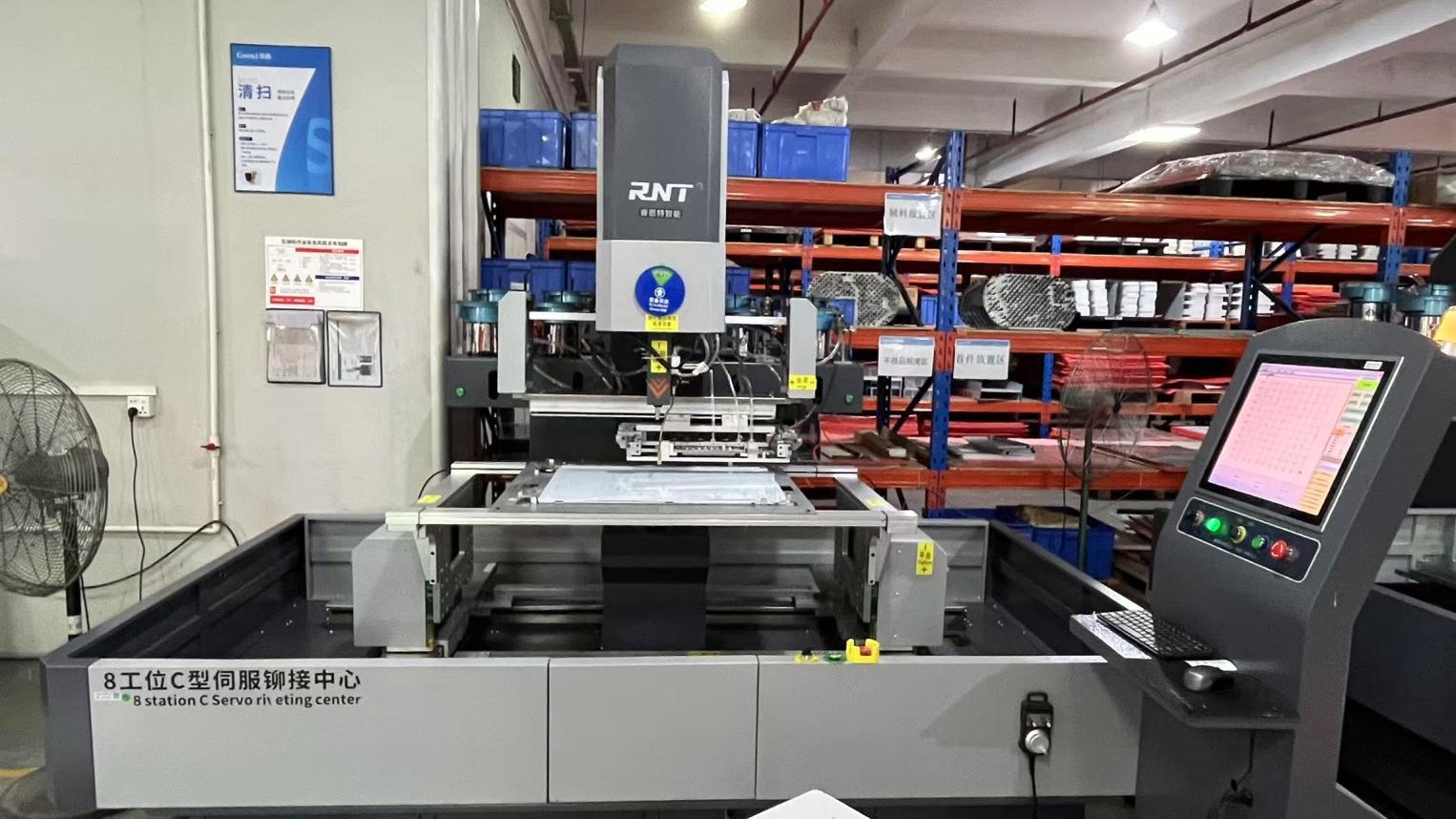
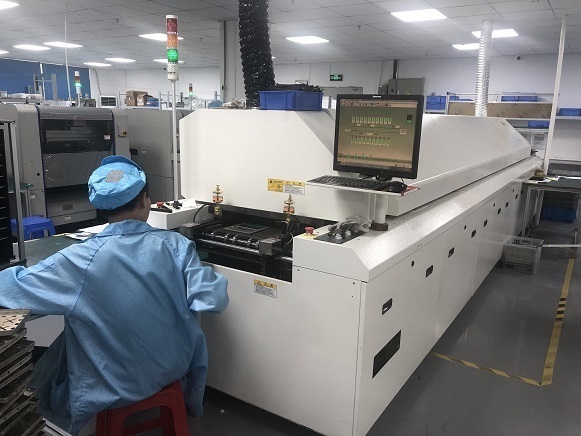
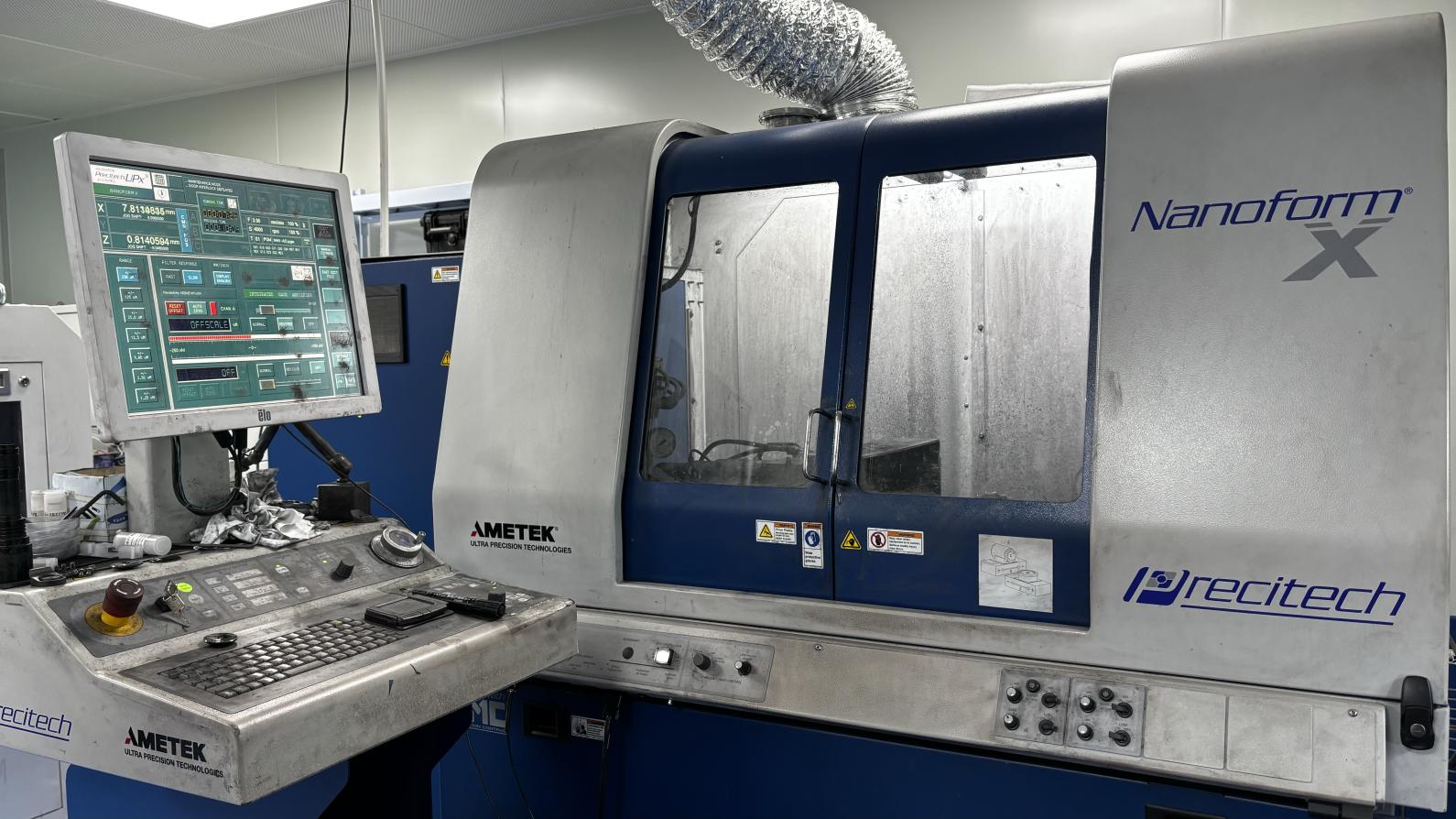
Furthermore, leading factories have upgraded from basic assembly lines to fully automated production facilities. Optical inspection systems, automated contact pin insert machines, and real-time network analyzers run continuous checks during assembly. This ensures that every RJ45 module meets international mechanical standards, keeping defect rates well below 50 PPM (parts per million).
Professional optical transceiver and high-speed connectivity manufacturer specializing in high-performance communication solutions for global networks.
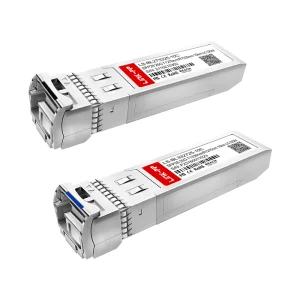
Transolix is a specialized optical transceiver manufacturer focusing on high-performance fiber optic and copper communication solutions for global data centers, telecom operators, and enterprise networks. With robust engineering capabilities and scalable production lines, Transolix is committed to delivering reliable, high-speed, and cost-effective optical connectivity products worldwide.
Our quality management follows ISO 9001 protocols alongside strict internal reliability standards. Products undergo automated optical testing, eye diagram analysis, aging tests, and 100% final performance verification. Our 42 quality control professionals ensure that zero defect products reach our partners in North America, Europe, Southeast Asia, and the Middle East.
Backed by 860 certified upstream partners specializing in chipsets, high-frequency optics, precision plastics, and packaging, we offer extensive OEM/ODM customization. This includes custom wavelengths, form factors, distance parameters, protocol compatibilities, and firmware. In the past year alone, our team released 86 new models.



How regional operators and integrators utilize snap-in modular systems to solve cabling bottlenecks.
In hyper-scale cloud server rooms, engineers use snap-in modular jacks to build patch panel frameworks. The snap-fit mechanism allows for rapid installation and toolless upgrades, minimizing downtime when scaling bandwidth to 25G or 100G configurations.
Factory environments generate significant electromagnetic interference. Shielded snap-in RJ45 modules, featuring thick metallic shells, ground high-voltage noise spikes. This helps maintain stable connectivity for PLCs, robotic arms, and industrial sensors.
Outdoor installations are exposed to moisture, humidity, and wide temperature swings. Specialized snap-in RJ45 assemblies, built with high-grade copper alloys and UV-resistant polymers, prevent corrosion and maintain solid mechanical connections over decades of operation.
The technological shifts driving changes in snap-in RJ45 specifications and materials.
As the industry shifts toward higher bandwidth and denser installations, network hardware must evolve to match. Several key developments are currently reshaping the future of ethernet connectors and SFP modular setups:
For IoT applications, traditional 4-pair copper cabling is increasingly being replaced by Single Pair Ethernet (IEEE 802.3cg). While the classic RJ45 interface remains dominant for office networks, new snap-in connectors are being designed to handle both SPE and standard formats, optimizing space usage and reducing installation costs in smart buildings.
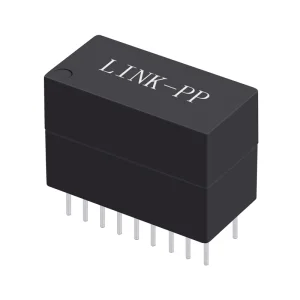
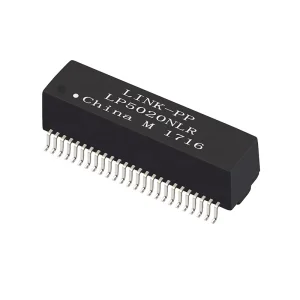
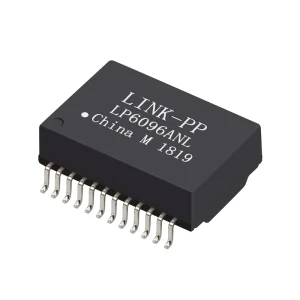
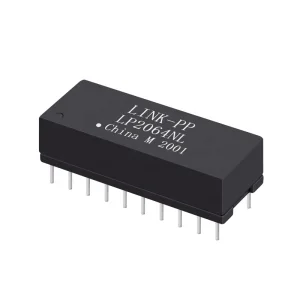
Instead of using discrete PCB layouts with separate filtering components, system designers prefer modular jacks that integrate the isolation transformer, resistors, and capacitors directly into the RJ45 housing. This integrated approach saves valuable space, improves signal paths, and ensures reliable impedance matching.
In response to corporate sustainability goals, manufacturers are starting to replace traditional plastics with bio-based alternatives and flame-retardant recycled resins. These materials must meet strict UL 94V-0 standards while matching the dimensional stability of standard LCP plastics.
Common questions answered by our engineering and supply chain teams.
Snap-in connectors feature a modular housing that inserts directly into empty patch panels or wall outlets. This makes installation and maintenance much faster than traditional punch-down jacks. Additionally, since snap-in jacks are terminated beforehand and then clipped in, they help prevent damage to the panel during installation or upgrades.
The thickness of the gold plating on the contact pins (measured in micro-inches, such as 3u", 15u", 30u", or 50u") directly affects corrosion resistance and mating cycles. For high-density data centers and harsh industrial environments, 50u" gold plating is recommended to ensure reliable conductivity and prevent oxidation over time.
Shielded (STP) snap-in jacks feature a metal housing that connects to the cable shield, protecting signals from electromagnetic interference (EMI). They are ideal for industrial environments and high-speed networks (Cat6A and Cat8). Unshielded (UTP) jacks are lighter, more cost-effective, and commonly used in standard office environments.
Yes, high-quality snap-in jacks are designed to handle PoE (up to 15.4W), PoE+ (up to 30W), and PoE++ (up to 90W). To prevent heat damage under load, ensure the connectors are certified to meet IEEE 802.3bt standards and feature low-resistance phosphor bronze contacts.
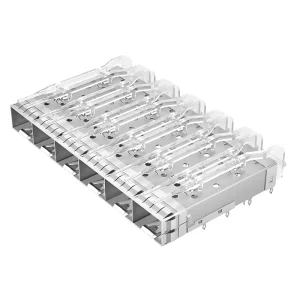
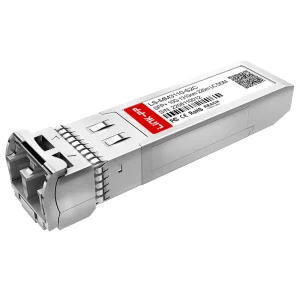
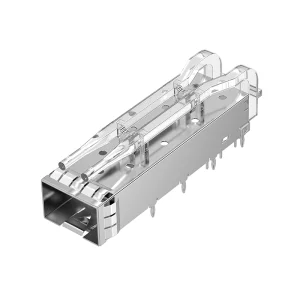
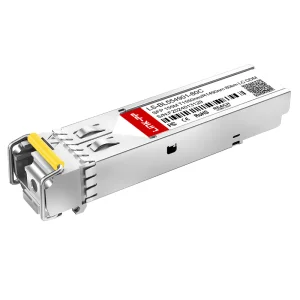
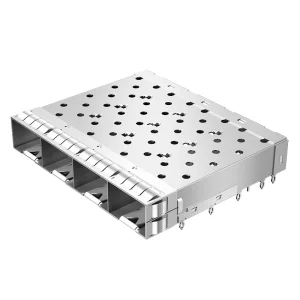
Ganged SFP+ cages and snap-in copper connectors often sit side-by-side in mixed-media switches. SFP+ cages provide high-speed fiber uplinks (10G/25G) over long distances, while copper RJ45 jacks route local connections (1G/10G) to server blades, combining the benefits of fiber and copper cabling.
Select from our range of surface-mount components, high-density magnetic modules, and press-fit SFP cages designed for robust connectivity.
Whether you are seeking custom-engineered SFP cages, specialized RJ45 connectors, or high-speed optical transceivers, Transolix provides verified manufacturing expertise and strict quality assurance.
 Transolix