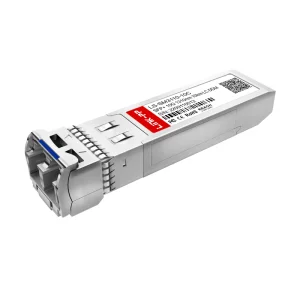
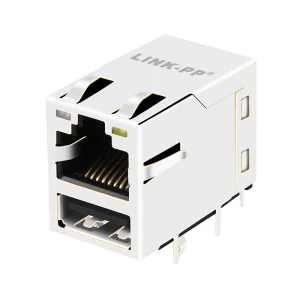
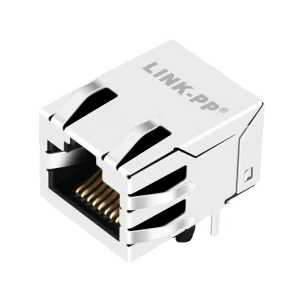
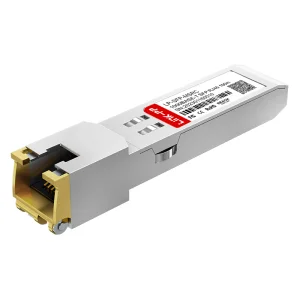
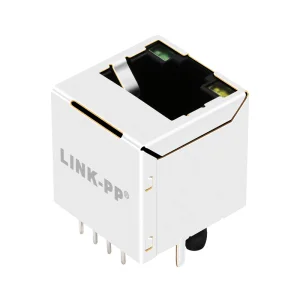
Explore our industrial-grade optical transceivers, shielded magnetic jacks, and low-profile PCB-mount connectors engineered for critical network pathways.
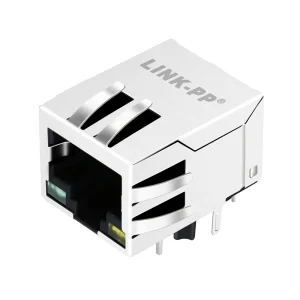
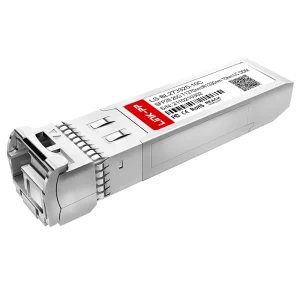
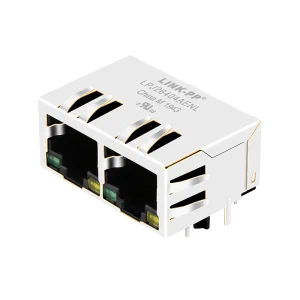
A comprehensive study on signal integrity, electromagnetic shielding, and global B2B procurement standards for inline RJ45 couplers and modular Ethernet systems.
In the telemetry design of modern enterprise intranets and high-performance computing (HPC) nodes, the physical layer acts as the foundation of data transmission efficiency. Despite the rapid deployment of optical fiber technologies, copper-based modular interfaces, specifically inline RJ45 connectors and integrated magnetic jacks (Magjacks), remain indispensable. This industry white paper details the mechanical, electrical, and materials engineering criteria that define high-reliability inline RJ45 connectors.
As processing loads scale due to machine learning workloads, cloud migration, and IoT edge distribution, networks demand reliable physical links. A single contact point failure or micro-arc in an RJ45 port can lead to system-wide packet loss, latency spikes, and costly downtime. For telecommunications operators and systems integrators, sourcing components that combine high structural integrity with cost efficiency is a major priority.
"System performance is limited by its weakest connector. At frequencies exceeding 250 MHz, the electrical parameters of inline connectors must be carefully matched to prevent signal degradation and maintain the integrity of the data stream."
For global procurement directors, network architects, and hardware designers, purchasing high-frequency modular connectors involves navigating several technical and financial challenges. Supply chain resilience, material traceabilities, and design adaptability are key factors.
Total Cost of Ownership (TCO) vs. Initial Unit Cost: Standard commercial off-the-shelf (COTS) connectors can lead to early oxidation of contacts, poor spring retention force, and lack of adequate shielding. This results in signal degradation, field maintenance expenses, and hardware replacement cycles that far outweigh the initial savings of low-cost components.
The Regulatory Compliance Challenge: Global markets impose strict requirements. Industrial infrastructure projects in Europe and North America demand adherence to RoHS (Restriction of Hazardous Substances), REACH, UL 94-V0 flammability ratings, and FCC Part 68 standards for subpart F connectors. Sourcing from factories that provide clear documentation and batch-tested certified compliance is crucial.
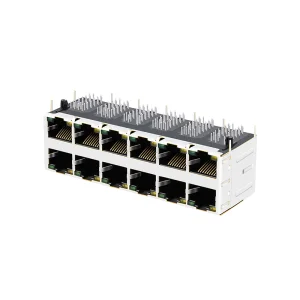
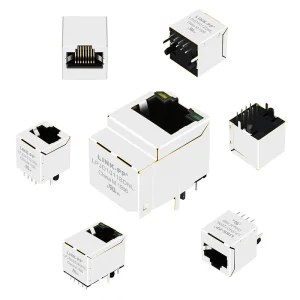
Optimum PCB layout space utilization. Our low-profile vertical and right-angle connectors allow for dense port groupings in modern switches.
360-degree brass shielding shells protect critical signal paths against electromagnetic interference in noisy factory and data center layouts.
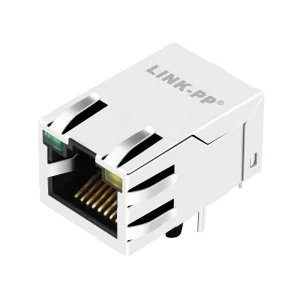
Visual status indicators integrated directly into the connector housing simplify physical layer troubleshooting and channel port diagnostics.
At high frequencies, an RJ45 connector behaves like a transmission line. System engineers focus on minimizing Near-End Crosstalk (NEXT), Far-End Crosstalk (FEXT), and Insertion Loss. The geometry of the 8P8C contact array naturally creates capacitive and inductive coupling between adjacent wire pairs.
To combat this, quality manufacturing employs precision-formed contacts with optimal spacing, premium phosphor bronze base metals, and specified gold plating thickness (typically 30u" to 50u"). This ensures minimal contact resistance (≤20mΩ) and stands up to hundreds of insertion cycles without degradation.
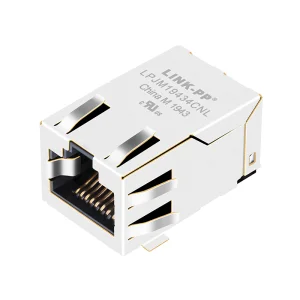
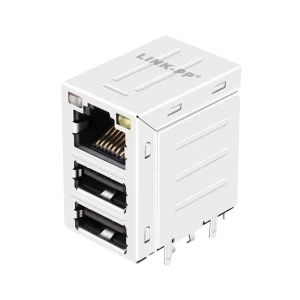
Furthermore, integrated magnetics (Magjacks) embed isolation transformers and common-mode chokes directly into the connector housing. This filters out common-mode noise and protects sensitive PHY transceiver silicon from voltage surges and electrostatic discharges.
| Parameters | Standard Modular Jacks | Integrated Magnetic Jacks (Magjacks) | High-Speed SFP+ Copper Modules |
|---|---|---|---|
| Bandwidth Support | 10 Mbps - 1 Gbps | 10 Mbps - 2.5 Gbps / 10 Gbps | 1 Gbps - 10 Gbps+ |
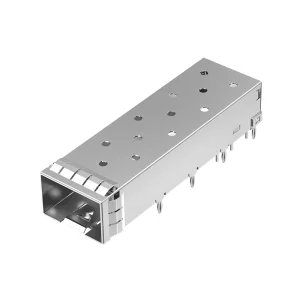
| EMI Filtering | None (Requires external filter) | Integrated Transformer & Choke | Full Metal Cage Enclosure Shielding |
| Footprint Area | Minimal PCB Area | Moderate PCB Area | High (Requires cage assembly) |
| Target Application | Consumer / IP Cameras / Simple IoT | Enterprise Switches / Industrial PC | Core Routers / Datacenter Servers |
Modern installations require connectors to perform in challenging environments. For outdoor installations, factory floors, and marine settings, waterproof RJ45 couplers rated IP67 or IP68 prevent dust and moisture ingress. Silicone seals and threaded lock nuts keep water out, ensuring reliable data flow even under spray or submersion.
When it comes to PCB assembly, engineers must choose between SMT (Surface Mount Technology) and Through-Hole mounting. SMT connectors streamline automated assembly for low-profile devices but lack the mechanical strength of Through-Hole connectors, which better resist stress from cable pulling.
Power over Ethernet (PoE) Considerations: As PoE standards evolve to PoE++ (IEEE 802.3bt, up to 90W), contacts must carry higher current (up to 960mA per pair) without overheating. Premium inline RJ45 connectors feature heat-dissipating housing materials and robust contact interfaces to prevent thermal degradation over time.
The expansion of data networks is pushing copper connections to their physical limits. Cat6a and Cat8 cabling standards extend copper performance to 10Gbps and 25Gbps over short distances. At these high frequencies, connector design plays a critical role in preventing signal attenuation.
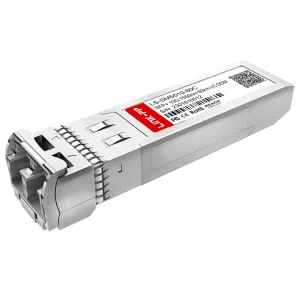
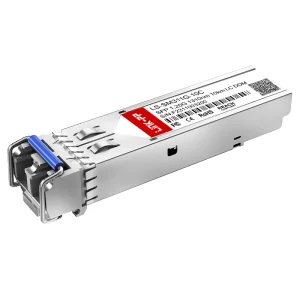
For longer distances, hardware systems rely on hybrid copper-optical architectures. Systems integrators use SFP+ copper modules for short rack runs and transition to optical fiber transceivers (such as SFP, SFP28, and QSFP-DD) for backhaul runs. Sourcing connectors from a manufacturer with expertise in both copper interfaces and optical transceivers simplifies design and ensures reliable system compatibility.
A trusted manufacturing and engineering partner for high-speed fiber optic and copper communication systems.
Transolix is a professional optical transceiver manufacturer specializing in high-performance fiber optic communication solutions for global data centers, telecom operators, and enterprise networks. With strong engineering capabilities and scalable production capacity, Transolix is committed to delivering reliable, high-speed, and cost-effective optical connectivity products worldwide.
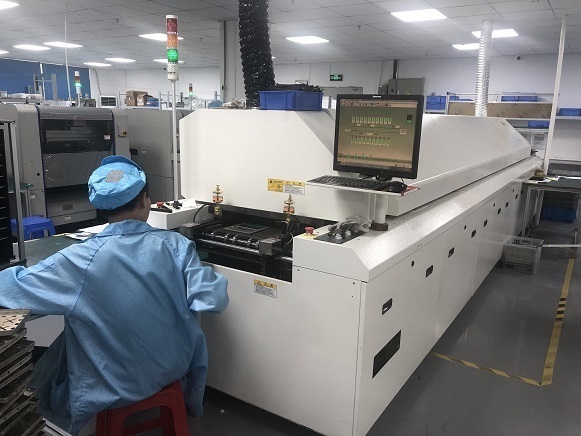
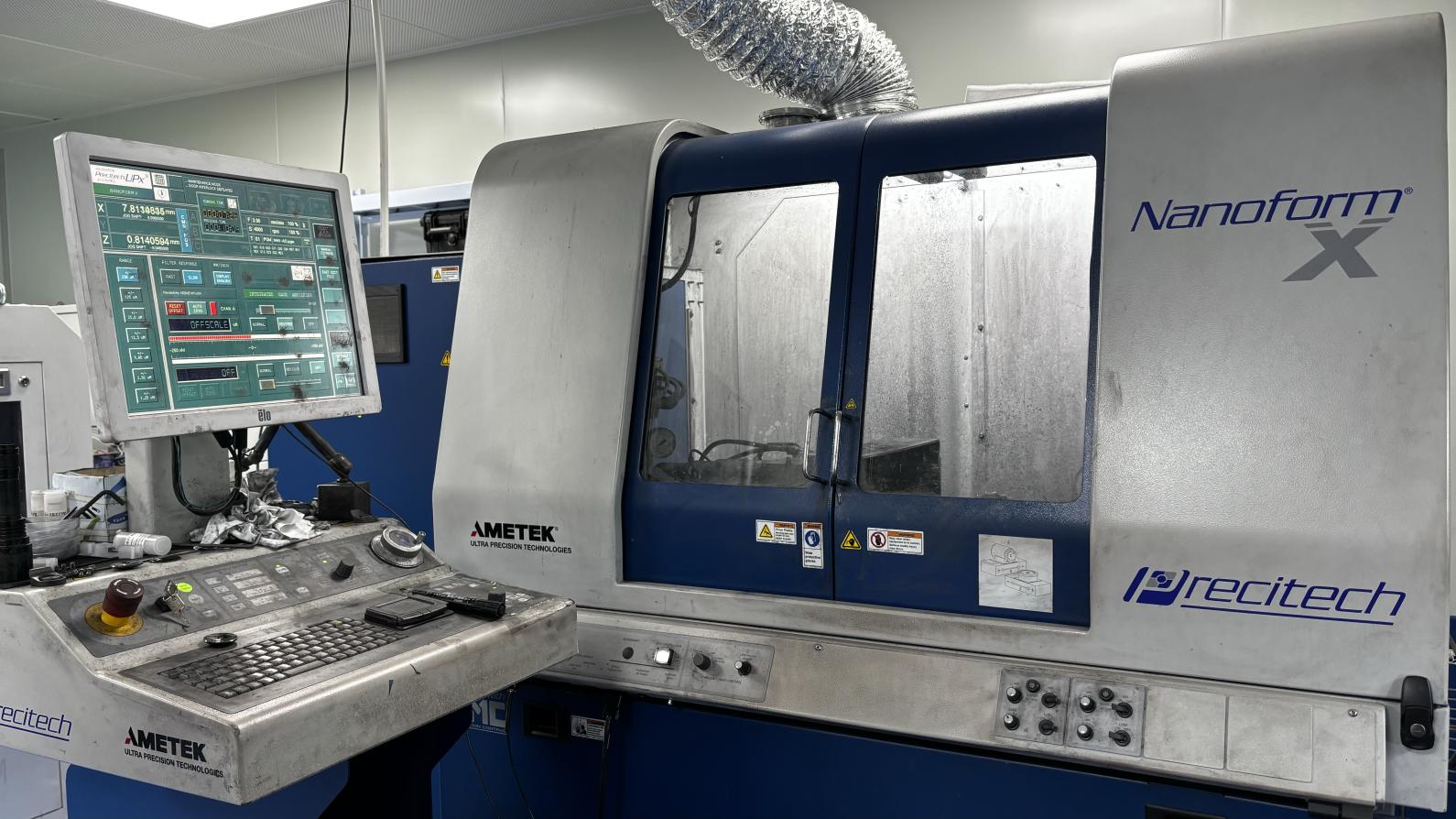
Operating out of our specialized R&D headquarters (Building Area: 320㎡) and supported by a robust network of 860 certified upstream suppliers, we control every step of the supply chain—from chipsets and optical sub-assemblies to final precision packaging. This vertical integration allows us to offer versatile customization options for wavelengths, distance, form factors, and firmware compatibility while maintaining fast, reliable delivery.
Our core markets span North America, Europe, Southeast Asia, and the Middle East. With six years of direct export experience, we understand international supply chain logistics and compliance. Our quality systems align with ISO 9001 and strict internal reliability standards. Products undergo automated optical testing, eye diagram analysis, aging tests, and 100% performance verification before shipment.




Get answers to common engineering questions regarding shielding, mechanical reliability, and sourcing standards for inline RJ45 connectors.
Complete your layout design with our high-speed optical transceivers, shielded SMT ports, and rugged waterproof modular couplers.
 Transolix