Explore our premium grade optical transceivers, integrated RJ45 modular jacks, and high-speed network components designed for high-density architectures.
As the telecommunications and data center industries push toward hyper-scale density and ultra-compact form factors, the physical network interface layer faces severe architectural constraints. Modern hardware design, characterized by 1U/0.5U rack servers, blade systems, and IoT edge gateways, demands components that minimize vertical board profile while maximizing signal processing bandwidth. The Low Profile Ethernet Connector has evolved from a niche specialty connector into a core engineering requirement for global networking infrastructure.
In standard application environments, a conventional RJ45 connector or optical transceiver module demands significant vertical clearance. This height footprint restricts airflow, impedes structural thermal cooling paths, and limits the packaging density of printed circuit board (PCB) layouts. Low profile and tab-down ethernet configurations reduce vertical height by up to 40% compared to standard form factors. This spatial optimization directly resolves critical thermal management issues inside high-performance computing (HPC) environments, facilitating unhindered horizontal airflow across high-wattage components like CPU and ASIC complexes.
Strategic Insight: Shrinking the physical connection envelope introduces serious challenges in electromagnetic interference (EMI) shielding and structural signal integrity. Achieving low profile architectures requires advanced precision engineering, high-temperature liquid crystal polymer (LCP) materials, and integrated micro-magnetics capable of filtering out high-frequency noise without compromising signal amplitude.
Global original equipment manufacturers (OEMs) and network system integrators prioritize specific electrical and mechanical criteria during vendor evaluation. These include low insertion and return losses, reliable cross-talk prevention up to 10G/25G line rates, and strict adherence to environmental compliance standards. Furthermore, when combining multi-channel configurations like stacked RJ45/USB structures or high-density SFP+ cages, mechanical coplanarity must be maintained to guarantee seamless automated surfacemount technology (SMT) or press-fit assembly on the production line.
Improves EMI suppression and isolation voltage (up to 1500V AC) within the connector shell, saving valuable PCB space.
Reduces overall structural height profiles, enabling thin client layouts, compact switch designs, and blade deployments.
Integrated metal cages and spring fingers optimize thermal dissipation and ground loop return paths.
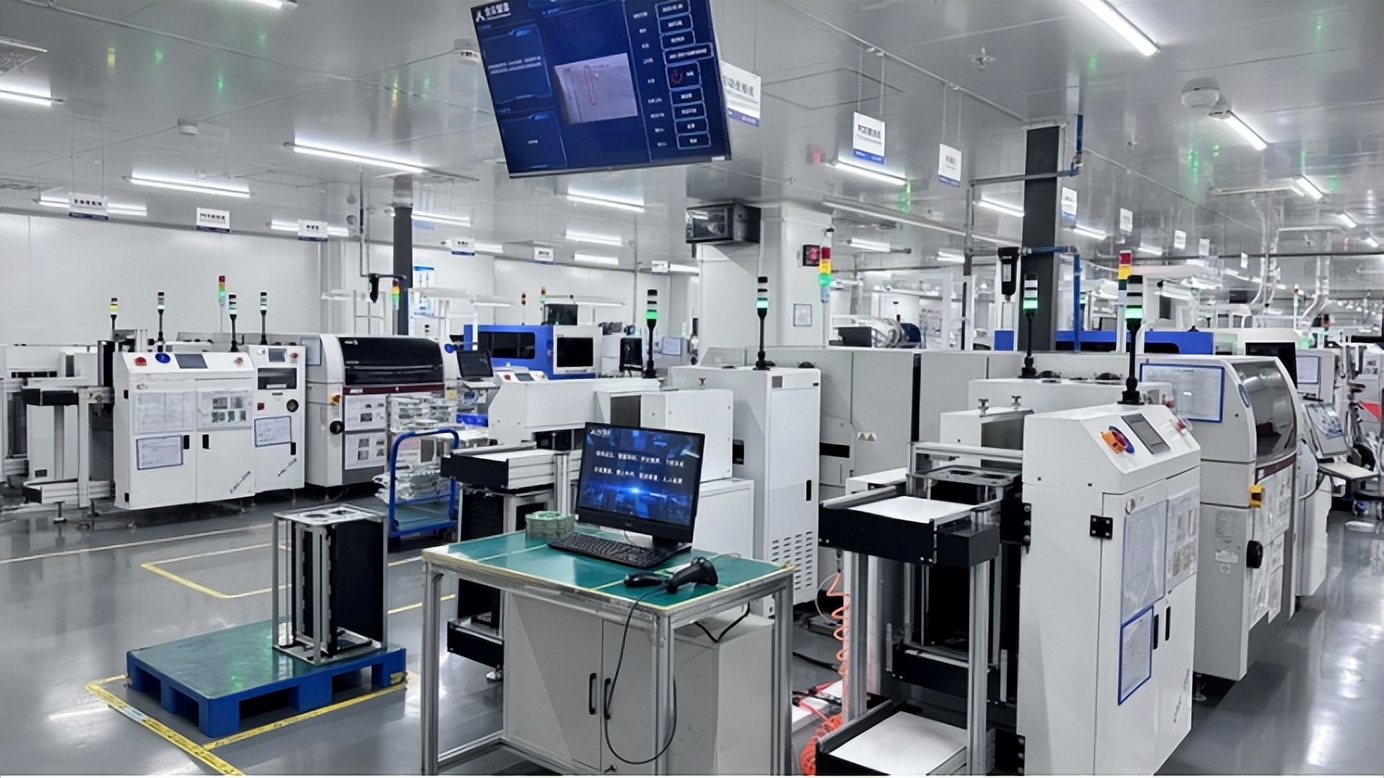
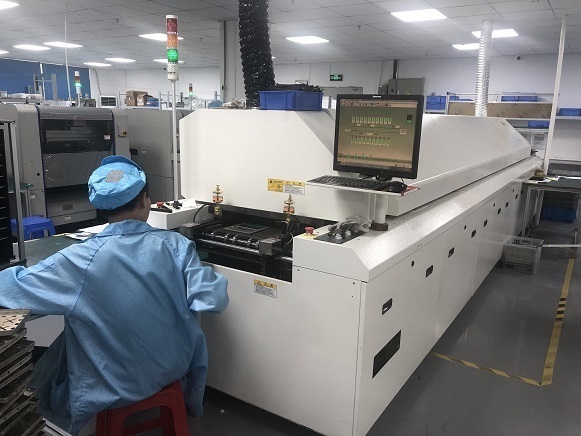
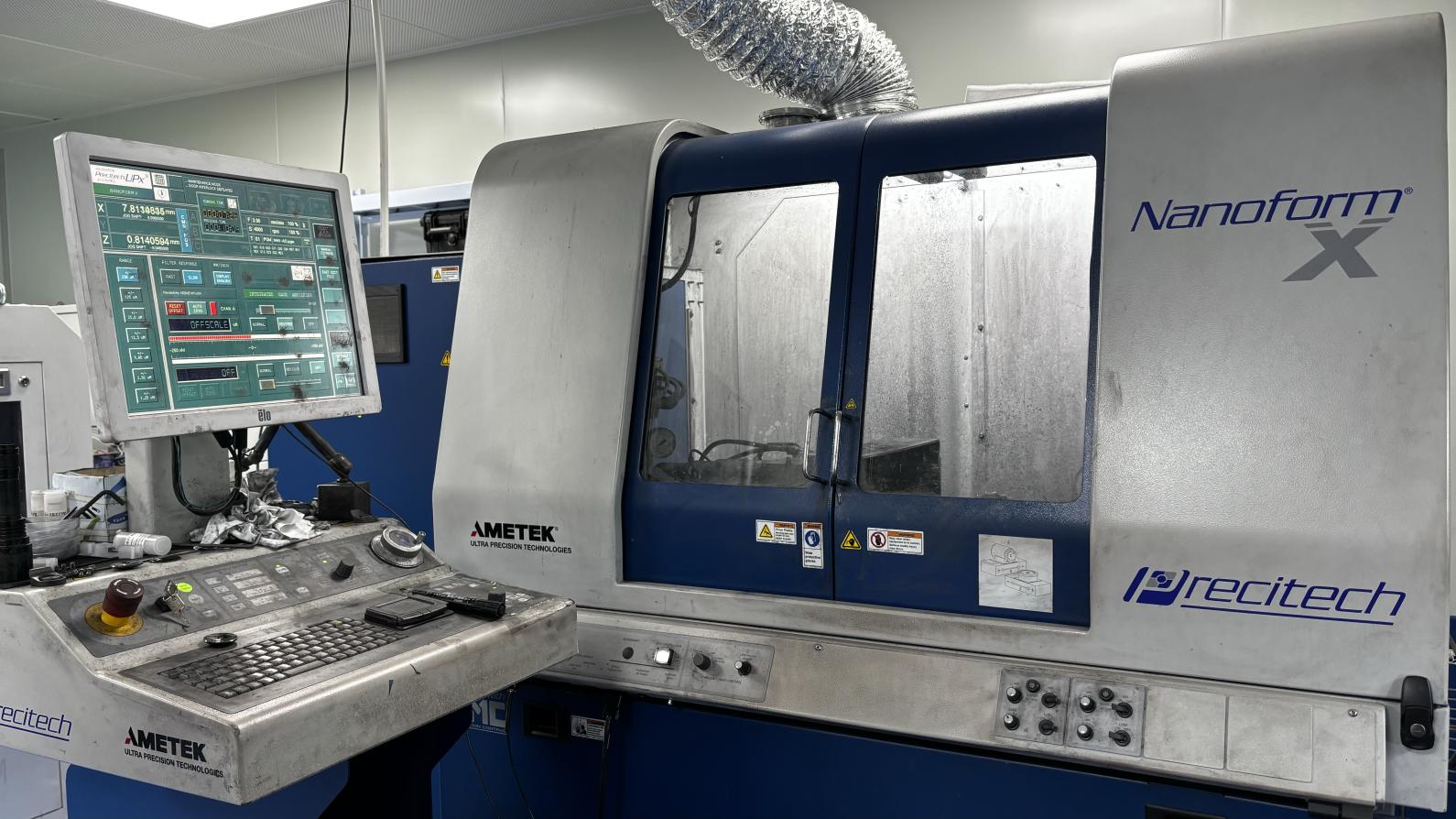
China's dominance in the global ethernet connector and optical transceiver supply chain is driven by deep vertical integration and continuous investment in advanced automation. Chinese factories, located primarily in high-tech manufacturing hubs like Guangdong, offer unparalleled efficiency by locating raw material refining, precision tooling, automatic coil winding, and final optoelectronic validation in close geographic proximity.
This localized supply density allows companies to respond rapidly to changing product specifications, firmware alterations, and custom electrical requirements. For instance, transitioning from a generic 10/100 Base-T pin configuration to a custom 10GBASE-T low profile magnetic module can take months in fragmented regional supply hubs. In contrast, Chinese factories leverage internal tooling teams and automated optical inspection systems to shorten development loops down to a few weeks, providing global enterprises with an invaluable speed-to-market advantage.
Moreover, the cost efficiency achieved by Chinese manufacturers is not merely a consequence of labor scale, but is increasingly the result of intelligent automation. Industrial processes, such as the automated winding of toroidal magnetics inside RJ45 sockets and laser-welding lead frames, ensure consistent electrical reliability and high production yields. This automation minimizes variations in parasitic capacitance and leakage inductance, guaranteeing that mass-produced components meet strict global standards like IEEE 802.3 and ANSI/TIA-568.
A professional optical transceiver and networking manufacturer delivering reliable, high-speed, and cost-effective optical connectivity products worldwide.
Established in 2016, Transolix is a forward-thinking manufacturing enterprise specializing in high-performance fiber optic communications. We provide premium solutions for global data centers, telecom operators, and enterprise networks. Our engineering depth covers high-speed optical design, signal integrity optimization, and complex module integration.
Registration Date
Annual Export Revenue
Industry Experience
R&D Engineers
QC Professionals
Operating a highly specialized 320㎡ precision cleanroom, assembly and verification facility, Transolix focuses on continuous innovation in optical interconnect technology, offering a full range of products including SFP, SFP+, QSFP28, QSFP-DD, and emerging high-speed optical transceiver solutions for next-generation networks.



Modern applications dictate the specific layout choices for low-profile interconnects. Depending on environmental demands, design engineers utilize different form factors to balance physical size, thermal load, and signaling speeds.
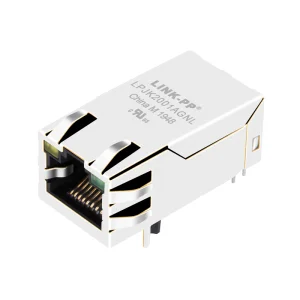
In factory automation, standard networking components are unacceptable due to intense vibrations, elevated operating temperatures, and structural space limitations inside DIN-rail housings. Here, tab-down magnetic RJ45 connectors featuring robust structural shields, reinforced mechanical solder pins, and extended temperature ranges (from -40°C to +85°C) are deployed. These connectors prevent physical mating fatigue while securing uninterrupted signal integrity for industrial fieldbus and real-time Ethernet protocols.
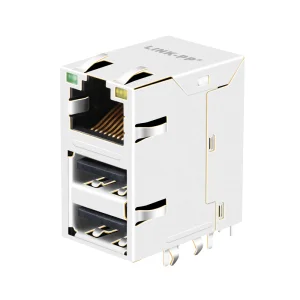
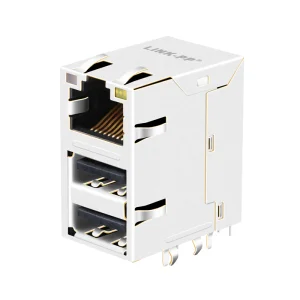
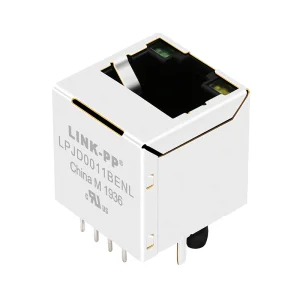
Smart home routers, set-top boxes, and compact enterprise security firewalls require low profiles to fit within slim enclosures. By using vertical top entry RJ45 jacks or low-profile stacked RJ45/USB configurations, hardware designers can mount components directly on the motherboard without exceeding clearance rules, maintaining high physical component density without compromising connectivity options.
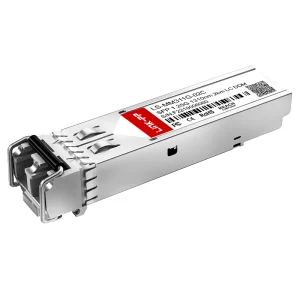
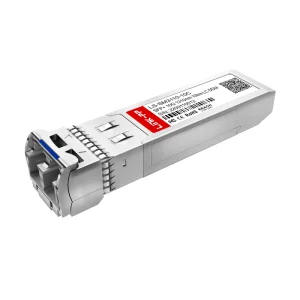
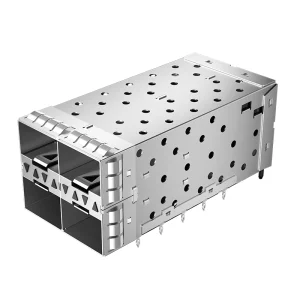
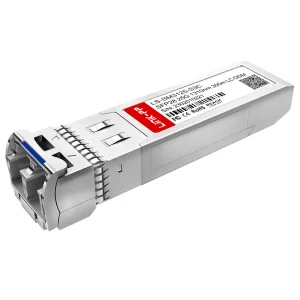
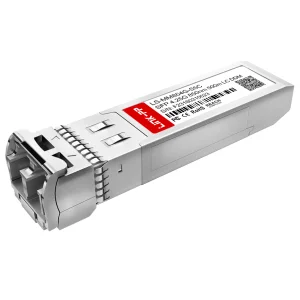
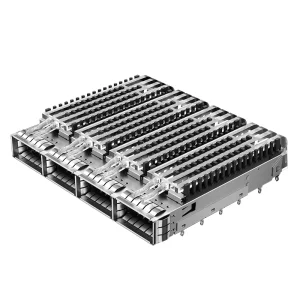
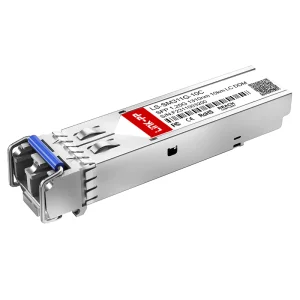
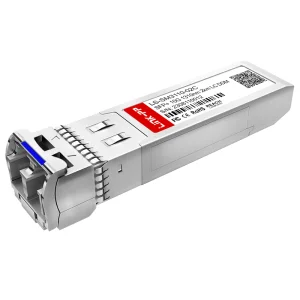
At the center of cloud infrastructure, space optimization translates directly into higher computing power per square foot. To achieve high density, modern networks employ compact single-mode and multi-mode SFP+/SFP28 optical transceivers alongside low-profile SFP+ cages. Equipped with integrated heat sinks and light pipes, these solutions optimize thermal profiles, prevent fiber signal degradation, and minimize electromagnetic emission leaks inside high-density blade servers.
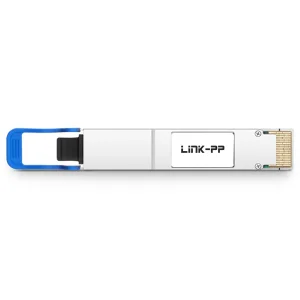
The continuous growth of AI training workloads, machine learning, and cloud-native databases is accelerating the transition from standard gigabit speeds to 400G and 800G optical links. This progression requires compact interfaces like the QSFP-DD, which features high-density contact layouts and advanced heat dissipation. Managing thermal output and signal degradation within these small dimensions remains a key engineering challenge for future transceiver designs.
Essential technical and procurement answers focused on mechanical limits, signal integrity, and supply chain logistics.
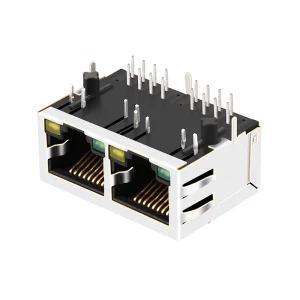
A standard RJ45 connector has an average height ranging from 13.5mm to 16.5mm off the board surface. In contrast, low-profile models, typically designed with "tab-down" or right-angle orientation, reduce this height to 11.5mm or less. This reduction is achieved by recessing the connector body into a cutout on the PCB or adjusting the internal contact structure and LED layouts.
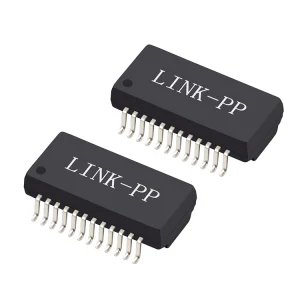
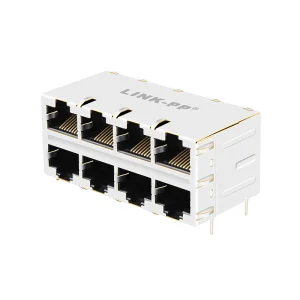
Integrated Connector Modules (ICMs) save valuable PCB real estate by housing the isolation transformers, common-mode chokes, and auto-transformers within the metal shield of the RJ45 jack. This layout reduces electromagnetic emissions (EMI) by shortening trace runs between the PHY chip and the jack, while also preventing external noise from corrupting high-frequency signals.
Transolix transceivers undergo firmware customization and active validation across diverse switches and network devices (such as HPE Aruba, Cisco, Juniper, and Dell). Our R&D department writes and tests target EEPROM code to ensure seamless handshake protocols, proper diagnostic monitoring (DDM/DOM), and the prevention of unrecognized port alarms.
We deploy automated optical testing, eye diagram analysis for bit error rate (BER) validation, thermal aging tests, and 100% final optical performance checks. This testing is overseen by our 42 quality control professionals to ensure compliance with ISO 9001 standards and to minimize field failures.
Leveraging our network of 860+ certified upstream vendors, standard customization takes 2 to 4 weeks depending on the configuration. Bulk orders are processed via our automated production lines, backed by 6 years of international B2B export experience to secure reliable shipping to North America, Europe, Southeast Asia, and the Middle East.
Complete your network build with our advanced SFP transceivers, rugged RJ45 modular jacks, and high-frequency EMI shielding cages.
 Transolix