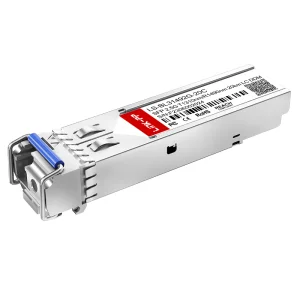
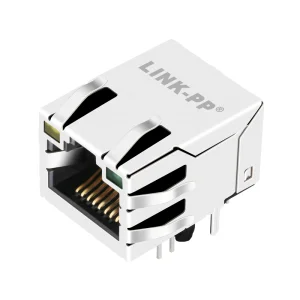
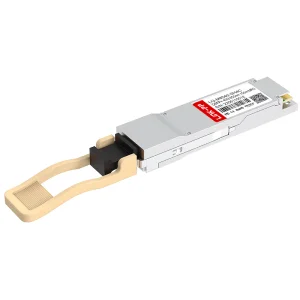
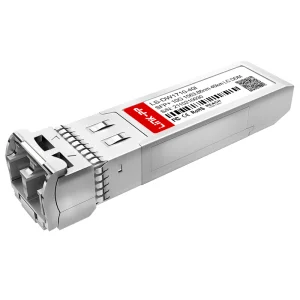
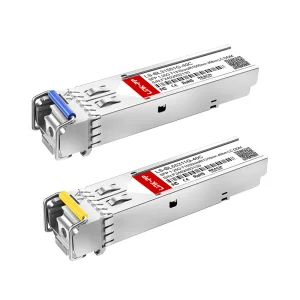
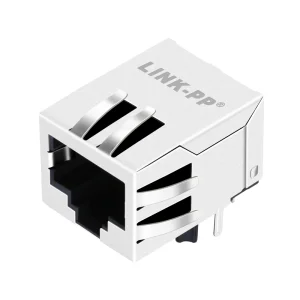
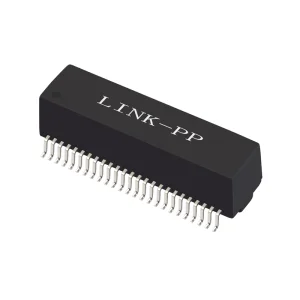
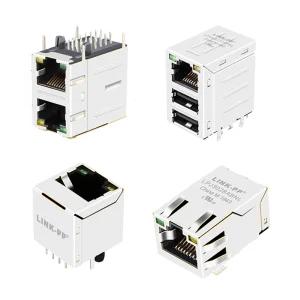
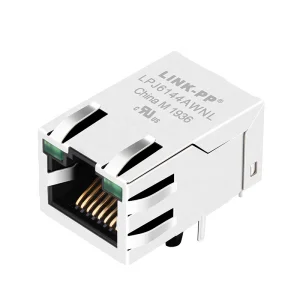
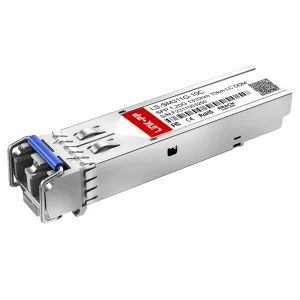
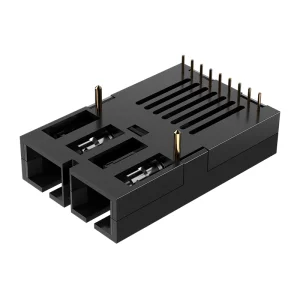
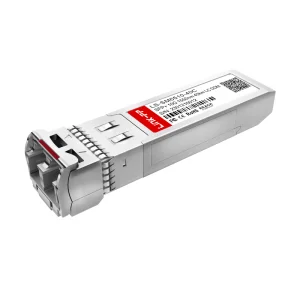
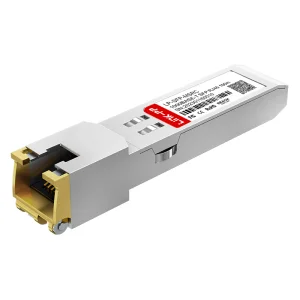
Explore our premium range of SFP bidirectional transceivers, standard RJ45 connectors, and high-frequency active networking solutions built to global technical requirements.
Empowering enterprise scalability with reliable, high-performance networking solutions, leveraging advanced engineering and localized supply chain superiority.
Transolix Company Profile
Transolix is a professional optical transceiver manufacturer specializing in high-performance fiber optic communication solutions for global data centers, telecom operators, and enterprise networks. With strong engineering capabilities and scalable production capacity, Transolix is committed to delivering reliable, high-speed, and cost-effective optical connectivity products worldwide.
Underpinned by high quality standards (ISO 9001 certification) and automated performance verification protocols, Transolix manages complex design requirements. Over the last year, our engineering teams launched 86 new customized models, supporting global custom configurations across multiple standard interfaces, wavelengths, and transceivers compatibility systems.


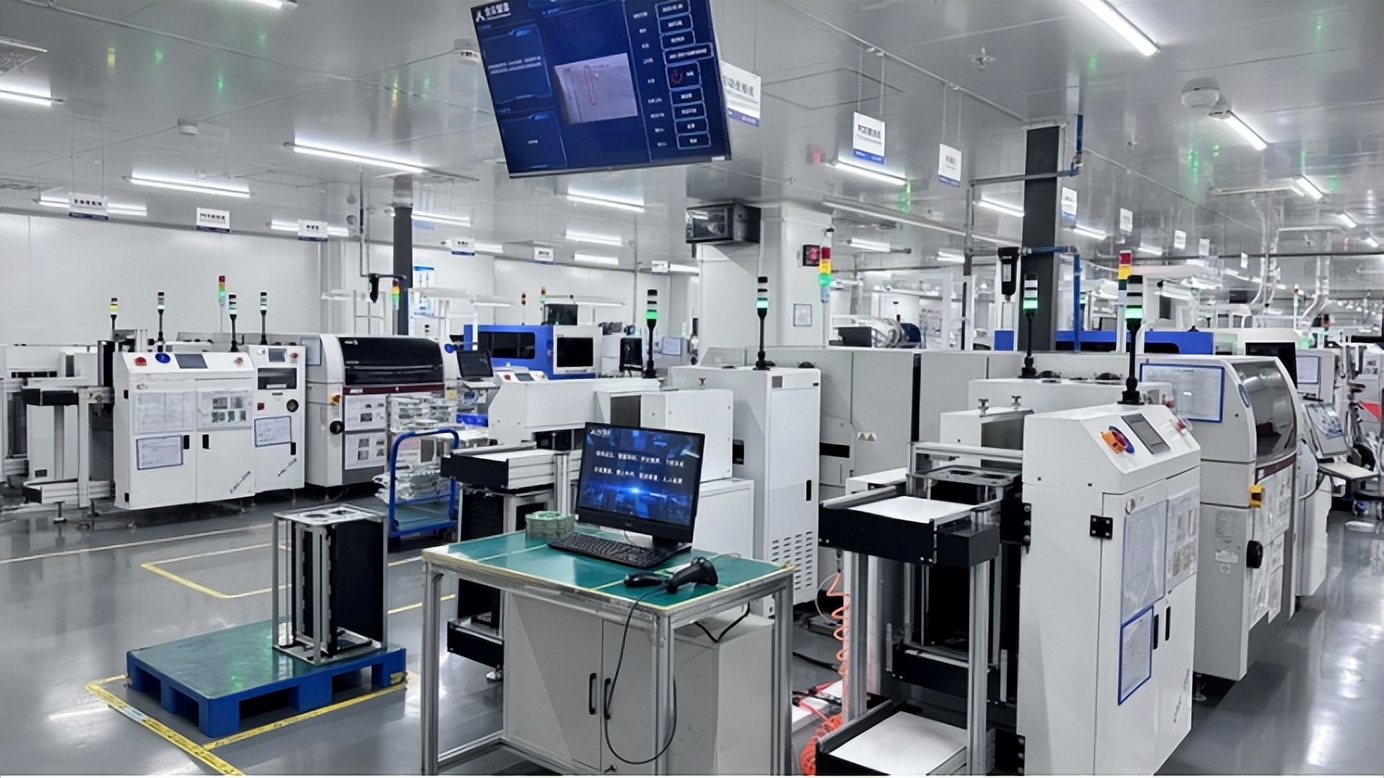
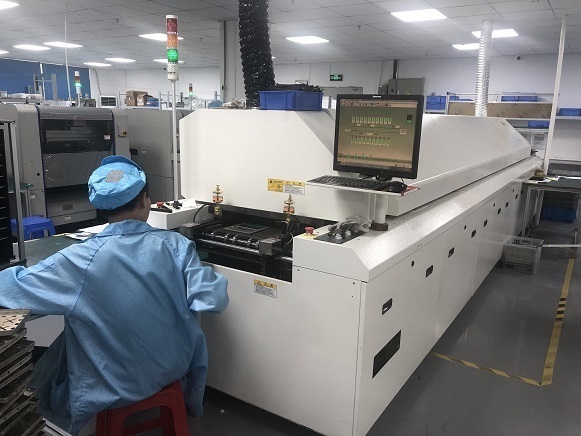

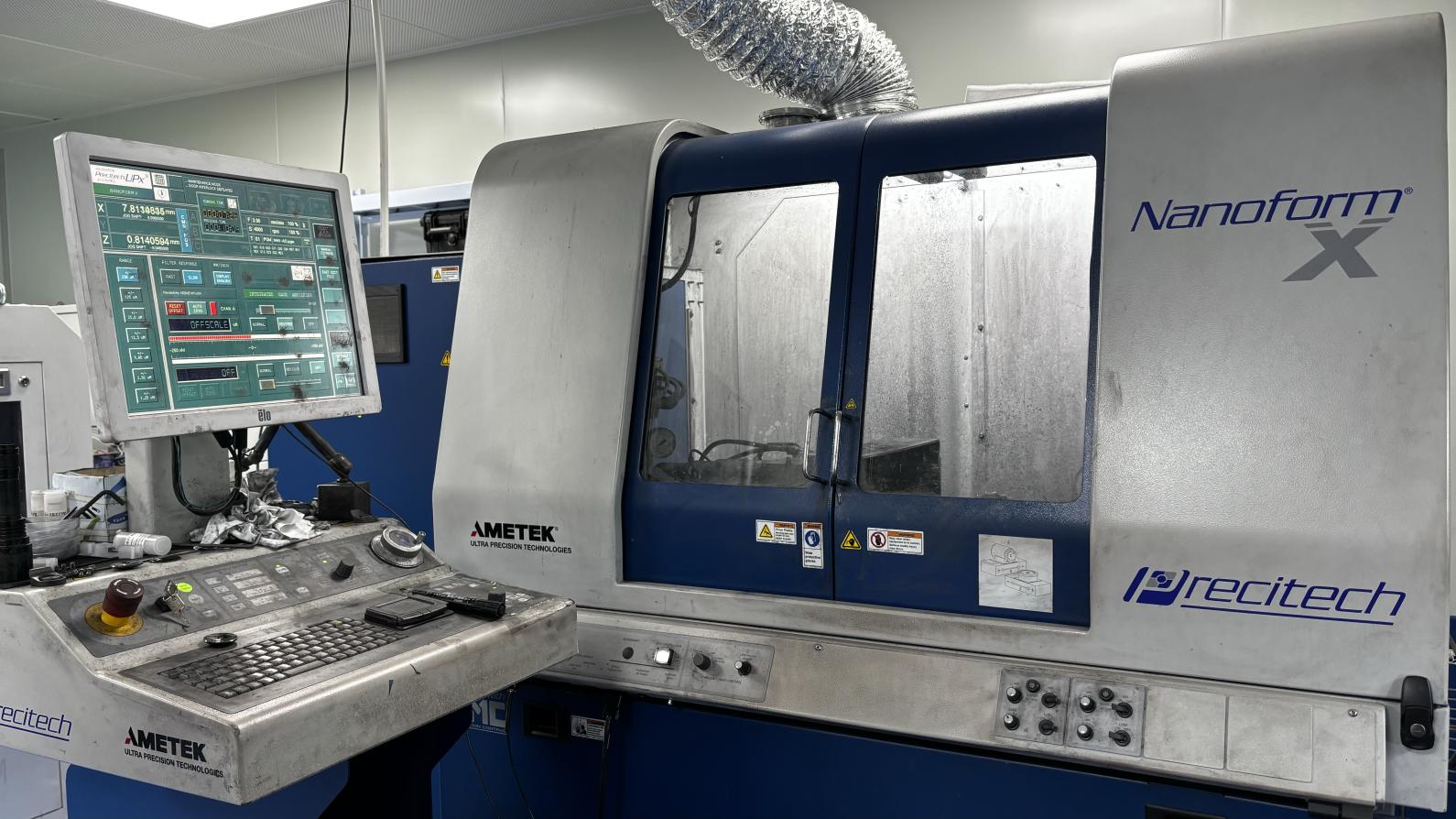
An in-depth review of the manufacturing framework, dynamic quality standards, and strategic upstream collaboration that guarantee continuous component delivery.
Transolix coordinates a network of 860 certified upstream partners spanning advanced semiconductor chipsets, high-grade photodiode arrays, and gold-plated copper elements. This depth guarantees consistent raw-material redundancy and pricing stability, preventing supply disruptions during global demand shifts.
Backed by 42 dedicated Quality Control professionals, our testing methodology ensures compliance with ISO 9001 and high internal standards. Our systems integrate automated optical testing, eye diagram analysis, mechanical mating cycles, and aging chamber tests to secure a 100% pass rate before shipment.
A specialized division of 128 R&D Engineers directs all firmware programming, signal integrity adjustments, and mechanical optimizations. This allows us to customize physical form factors, wavelengths, and interface standards to match client hardware matrices.
Bridging the gap between legacy copper layouts and ultra-fast fiber optics to enable sustained performance at high frequencies.
Standard RJ45 connectors face insertion loss and crosstalk challenges when frequencies cross 250 MHz (Cat6) and reach 500 MHz (Cat6A) or 2000 MHz (Cat8). To maintain transmission performance, Transolix focuses on:
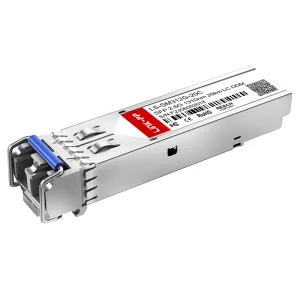
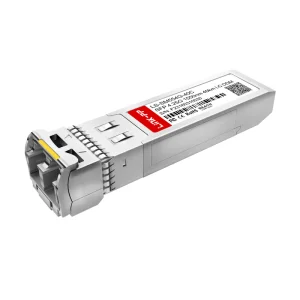
As enterprise networks scale beyond copper's 100-meter physical length limit, hybrid topologies become necessary. Transolix supports this shift with high-performance optical modules:
Tailored physical-layer hardware designs optimized for the operational demands of diverse enterprise environments.
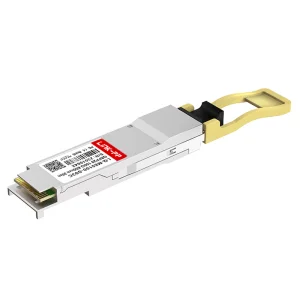
Supporting high-density spine-and-leaf architectures. Our 100G QSFP28 modules and shielded RJ45 keystones minimize power consumption and electromagnetic noise in dense server racks.
Industrial-grade transceivers and PCB RJ45 jacks designed to survive temperature fluctuations (-40°C to +85°C) in outdoor telecom enclosures and remote base stations.
Heavy-duty, vibration-resistant through-hole RJ45 jacks built for high mechanical stress. These components ensure continuous fieldbus connectivity in automated manufacturing environments.
Reducing supply-chain risk and accelerating product integration through global compliance structures and local technical support.
Navigating global electrical safety and hazardous materials regulations requires documented compliance. Transolix ensures all RJ45 sockets and SFP transceiver components meet or exceed these standards:
To reduce integration times for enterprise buyers, Transolix provides direct engineering services that bridge the gap between design and volume deployment:
In-depth answers to key technical questions from procurement departments and network design engineers.
Integrated magnetics (or Magjacks) combine the RJ45 connector, common mode chokes, and isolation transformers into a single component. This reduces PCB footprint and simplifies trace routing. Electrically, they provide critical galvanic isolation (typically up to 1500V AC), protect sensitive physical layer (PHY) silicon from voltage transients, and suppress EMI to help devices pass international electromagnetic emission regulations.
Contact plating thickness directly affects connection longevity. Industrial and enterprise designs typically require 50 micro-inches (50u") of gold plating over a nickel underlayer. This thickness protects the underlying copper alloy from oxidation and corrosion in humid or harsh environments. It also ensures the socket maintains low contact resistance (below 20mΩ) through 750 or more insertion cycles, securing high-frequency signal integrity.
Yes. Transolix modules feature customizable EEPROMs. Our engineers code compatibility profiles directly into the module firmware, allowing them to emulate native transceivers. We test modules in-house to verify connection compatibility with switches from major global enterprise networking manufacturers.
Category 6A operates at frequencies up to 500 MHz, making it highly susceptible to crosstalk. Transolix addresses this by using internally shielded contact paths to limit interference between adjacent pairs. We also optimize pin spacing and alignment within the plastic insert to reduce capacitive coupling between parallel wires.
We partner with 860 certified upstream material suppliers, allowing us to source key components from multiple pre-approved vendors. This dynamic sourcing strategy ensures production lines remain active, helping us maintain stable lead times and pricing even during supply constraints.
Explore our targeted selection of high-frequency PCB connectors, modular jacks, and optical adapters designed for high-density networking setups.
 Transolix