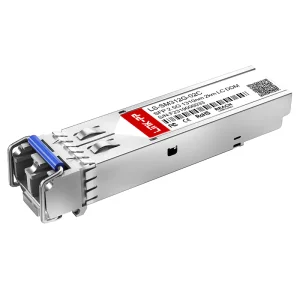
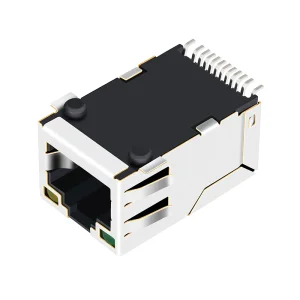
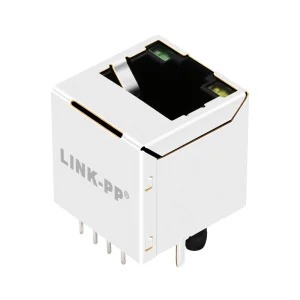
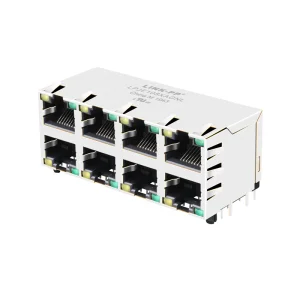
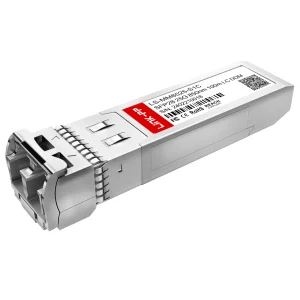
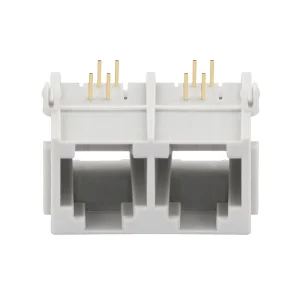
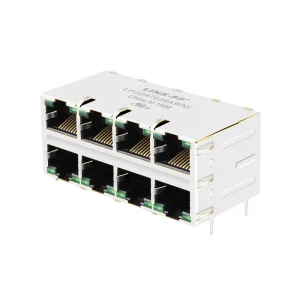
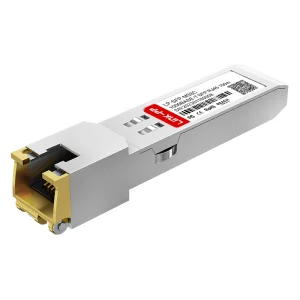
As modern networks transition toward higher integration and smaller footprints, the demand for high-performance Compact RJ45 Connectors has escalated dramatically. Once treated as simple mechanical interfaces, today's RJ45 modular jacks serve as critical endpoints in complex communication channels. From enterprise-grade edge computing devices and high-density industrial switches to AI-accelerated data centers, these components must support high frequency bandwidth while maintaining strict physical limitations.
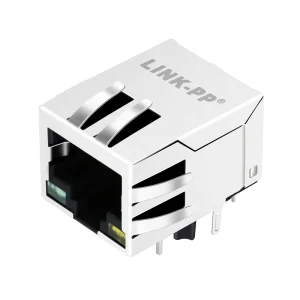
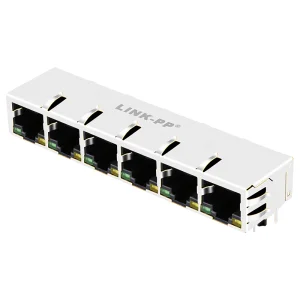
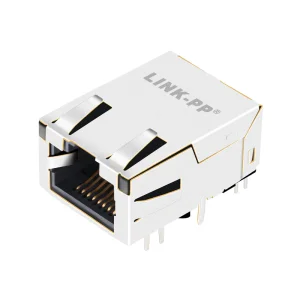
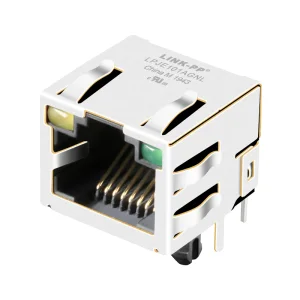
Globally, the push for Industry 4.0, 5G small cell deployments, and intelligent building automation systems has forced system designers to optimize PCB space. The physical layout of traditional RJ45 connectors is no longer viable for high-density architectures. Consequently, manufacturers are developing SMT (Surface Mount Technology), low-profile, and vertical top-entry configurations. These advanced models incorporate integrated magnetics (MagJacks), EMI shielding, and transient voltage suppression (TVS) systems directly within their miniature plastic housings. This approach saves PCB space, shields circuits from electromagnetic interference, and guarantees signal integrity under extreme conditions.
Utilizing low-profile and vertical entry layouts to maximize board-level density, allowing engineers to shrink physical device sizes without losing bandwidth.
Equipped with robust metal Faraday cages, integrated grounding tabs, and internal magnetics to suppress crosstalk and external noise in rugged environments.
Combines LAN transformers, resistors, and capacitors directly within the jack body, preventing signal attenuation and simplifying trace routing on multi-layer PCBs.
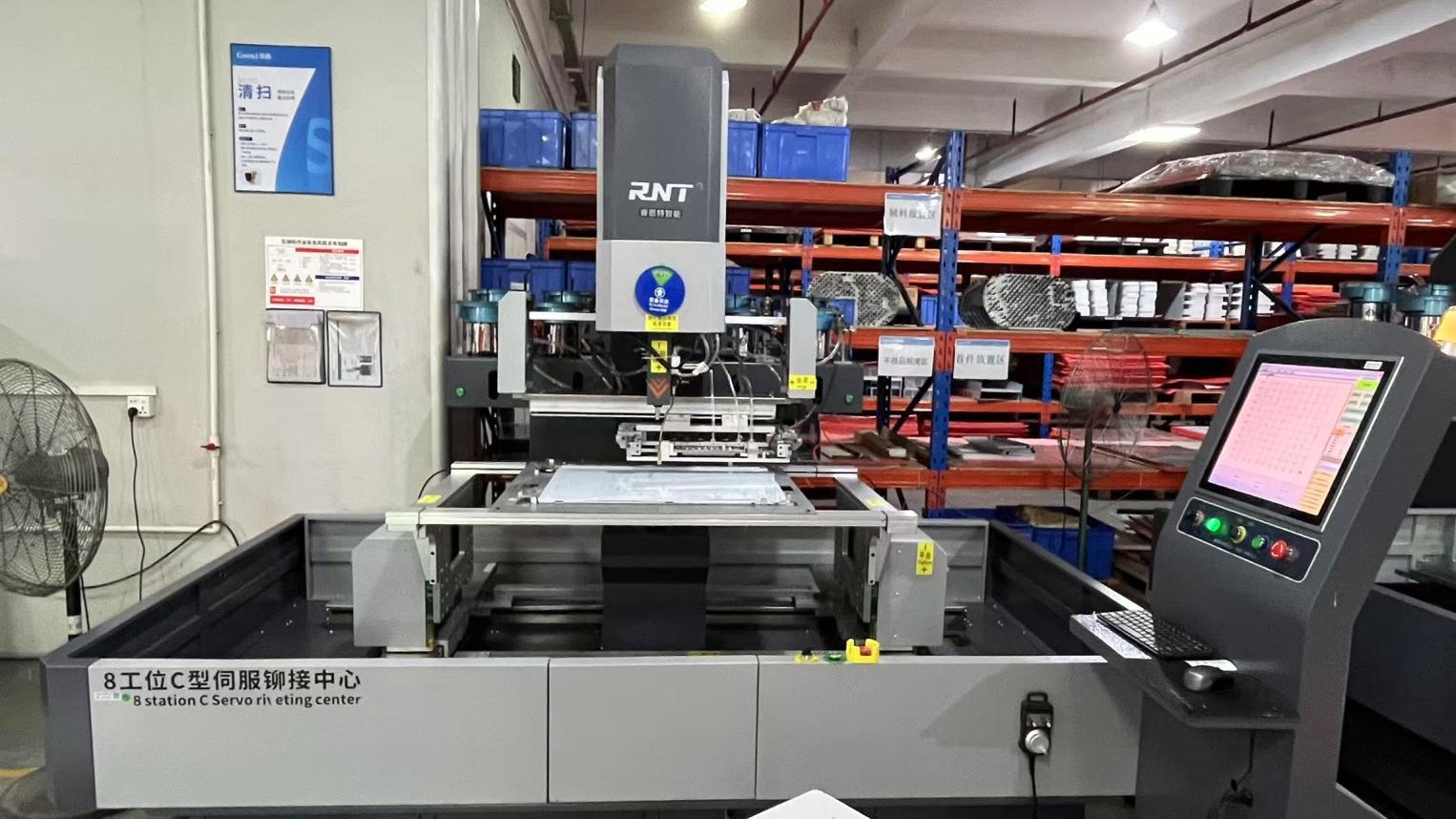
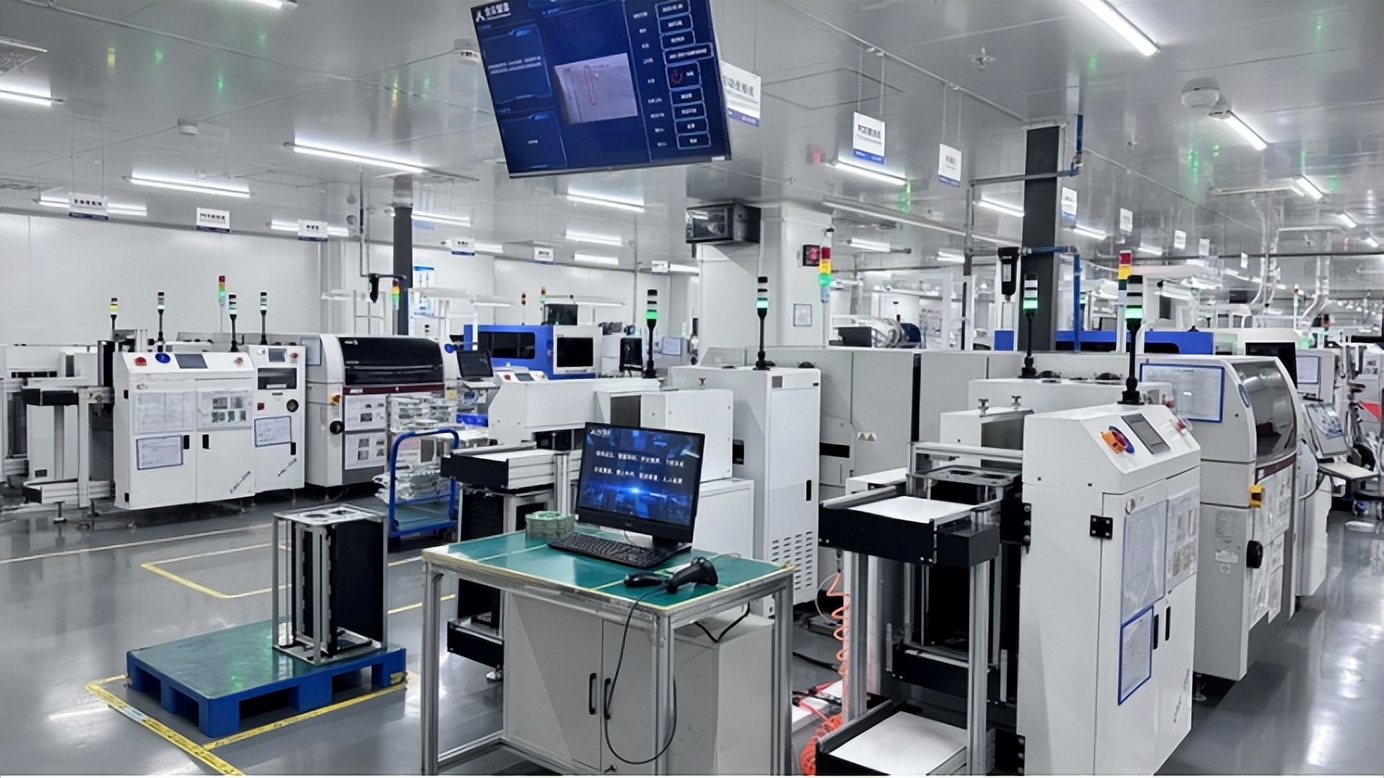
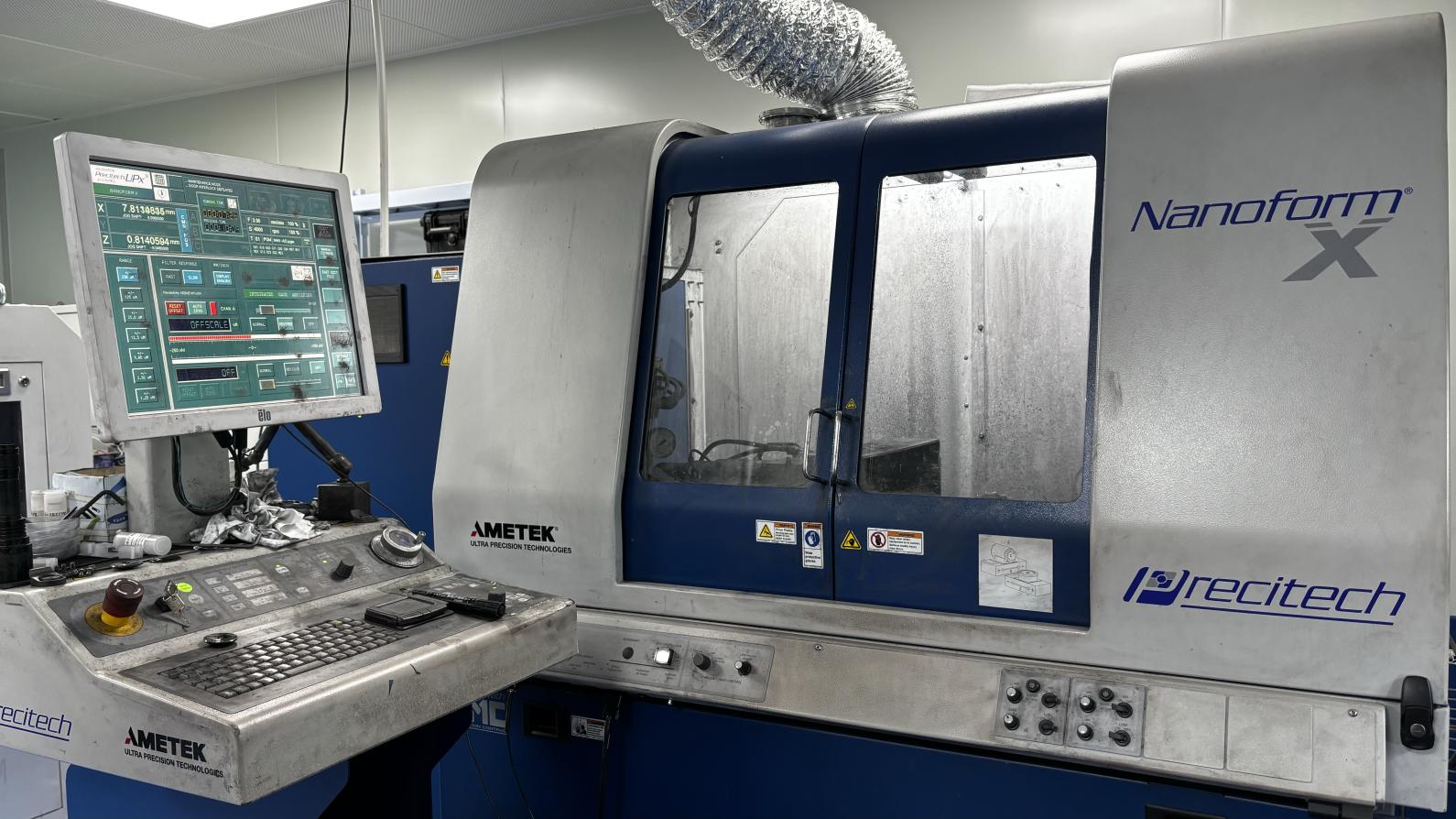
As a leading developer of high-speed interconnect solutions, Transolix leverages highly integrated manufacturing ecosystems to deliver premium reliability at competitive price points. While our specialized 320㎡ headquarter facility focuses on precision optical alignments, custom component configuration, and final product validation, our extensive network of 860 certified upstream raw material suppliers ensures consistent access to high-quality copper alloys, custom gold-plating chemistry, and heat-resistant LCP engineering plastics.
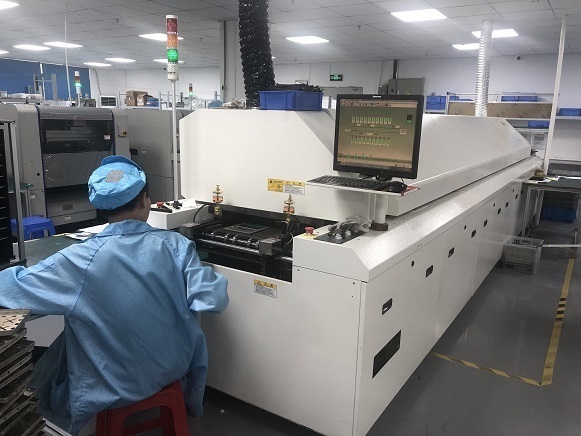
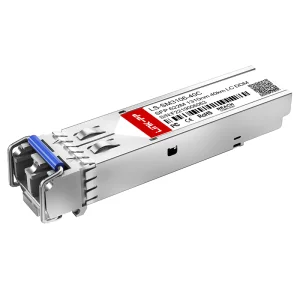
Our operation is built on high industrial efficiency and rigorous quality control. The technical staff consists of 128 skilled R&D engineers and 42 QC professionals. They manage automated production lines that perform high-precision stampings, contact pin insertions, automated plastic molding, and computerized solder-paste deposition. By implementing Automated Optical Testing (AOI), eye diagram analysis, thermal aging chambers, and 100% final performance validation, we ensure every RJ45 connector and optical transceiver module exceeds international standards. This balance of engineering expertise and quality control allows us to serve top-tier clients including telecom operators, enterprise integrators, and OEM/ODM partners worldwide.
Our manufacturing processes comply with ISO 9001 quality management guidelines. We use specialized automation for automated optical testing, eye diagram analysis, aging tests, and 100% final performance verification.


Compact RJ45 Connectors are used across a wide range of mission-critical applications where failure is not an option. Here is how they are applied in key industries:
The networking industry is moving away from traditional through-hole components in favor of reflow-compatible surface mount technology (SMT) and press-fit connectors. This shift simplifies manufacturing, reduces assembly steps, and improves signal performance at high frequencies by eliminating vertical pin stubs that cause reflections. Meanwhile, the rising use of Power over Ethernet (PoE, PoE+, and PoE++) requires connectors to handle higher currents (up to 1A per pair) without overheating. This makes selecting high-performance copper alloy contacts with 50-micro-inch gold plating essential for preventing contact degradation and maintaining low resistance over time.
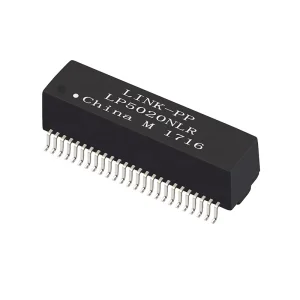
RJ45 connectors with integrated magnetics (known as MagJacks) contain internal isolation transformers, common-mode chokes, and conditioning capacitors inside the connector shell. These components isolate the physical cable from the PHY chip, suppress electromagnetic interference (EMI), and prevent damage from electrostatic discharge (ESD). Connectors without magnetics require these components to be laid out separately on the main PCB, which consumes valuable board space and complicates RF trace routing.
Yes. Modern SMT RJ45 connectors are designed with plastic locating pegs and robust metal shield tabs that solder into through-holes. These mechanical reinforcements absorb the mating and unmating forces, preventing the solder joints of the signal pins from cracking during frequent connections.
PoE+ (IEEE 802.3at) requires the connector to carry up to 30W of power over standard twisted pair cables, causing temperature rise in the contacts and internal magnetics. PoE+ compatible connectors use larger copper wire in their transformer windings and thicker gold plating (typically 50μ") to minimize electrical resistance and prevent oxidation at the contact points under electrical load.
Transolix maintains a strict quality control workflow. We carry out incoming raw material checks, in-process automated optical testing, eye diagram analysis for high-speed transmission, and dynamic thermal aging tests. Our team of 42 QC professionals ensures every batch matches design standards before leaving the factory.
 Transolix