Engineered to meet the stringent demands of high-frequency data transmission and extreme physical environments.
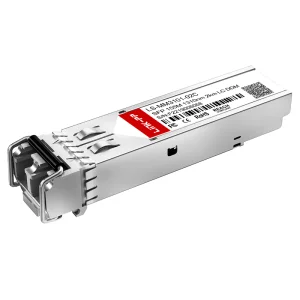
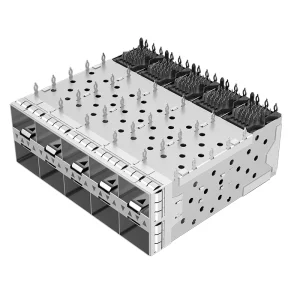
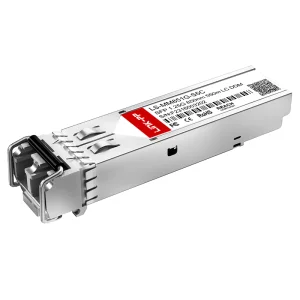
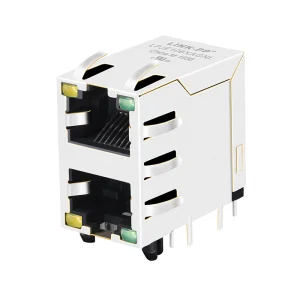
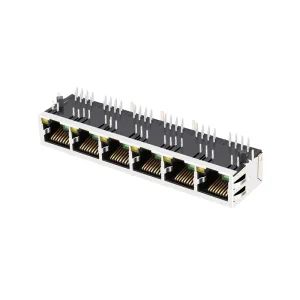
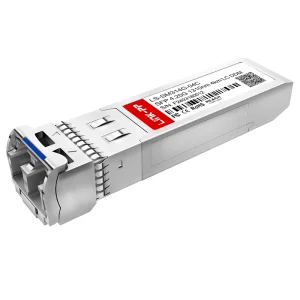
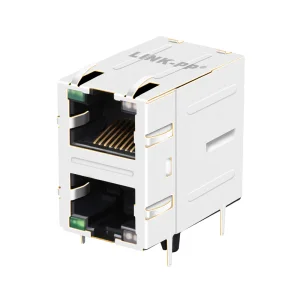
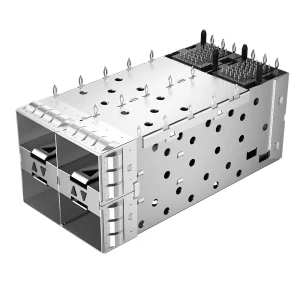
As the global data volume surges exponentially, driven by hyperscale cloud computing, edge networks, automated smart manufacturing, and the critical expansion of 5G infrastructure, the physical layer remains the absolute foundation of network integrity. Copper-based Gigabit Ethernet connectors (such as integrated RJ45 magnetic jacks) and modular optical transceivers (SFP, SFP+, QSFP28) are the vital physical links bridging high-frequency processing units with systemic network backplanes.
In modern industrial and commercial networks, raw throughput is no longer the sole engineering metric. Modern system architects design for signal integrity (SI), ultra-low insertion loss, minimal electromagnetic interference (EMI), and maximum thermal dissipation. System failures or packet dropouts in a high-frequency trading platform or an automated automotive assembly line are simply intolerable. Consequently, hardware procurement teams must align with factories that understand the microscopic tolerances required for electrical and optical manufacturing.
At Gigabit speeds and higher, copper cables act as antennas. Without proper engineering of the connector interface, crosstalk (both near-end and far-end) and EMI can corrupt data frames, forcing retransmissions and causing latent performance bottlenecks. This is where specialized engineering comes to play: utilizing integrated magnetic transformers inside RJ45 sockets or employing multi-point grounding tabs and press-fit EMI gaskets in SFP+ metallic cages. By isolating the data channels and matching impedance up to 100 ohms, trusted manufacturers ensure that data signals remain clean across varying distances and environments.
Transolix is a premier, professional optical transceiver and precision connector manufacturer specializing in high-performance fiber optic communication and high-density copper interface solutions for global data centers, telecom operators, and enterprise networks. With robust engineering capabilities, high-precision manufacturing, and highly scalable production capacity, Transolix is committed to delivering reliable, high-speed, and cost-effective optical connectivity products worldwide.
Since our registration in 2016, we have spent 11 years cultivating deep industry experience and 6 years driving international business across major economic corridors including North America, Europe, Southeast Asia, and the Middle East. Through strict adherence to ISO 9001 standards and by leveraging an extensive upstream supply chain of certified vendors, Transolix bridges the gap between customized product engineering and massive production scale.
Globally, telecom procurement managers face a dual challenge: ensuring uncompromising reliability while maintaining cost competitiveness. China’s manufacturing ecosystem, specifically specialized hubs like Transolix, offers unmatched logistical and technological synergy. Our manufacturing efficiency is not merely a product of labor optimization; it is the result of deep vertical integration, immediate component sourcing proximity, and heavily automated production lines.
While Transolix maintains a highly specialized 320㎡ R&D and precision micro-assembly facility, our operating strength is multiplied by our long-term supply chain partnerships with 860 certified upstream suppliers. This network allows for instant procurement of premium optical chipsets, lenses, high-density copper alloys, and advanced injection-molded plastics. As a result, Transolix can prototype customized configurations, perform high-frequency simulation testing, and transition to pilot runs far faster than Western counterparts. This rapid-turnaround workflow is vital for modern OEMs who must align their product development cycles with the fast-paced evolution of network hardware.
At Transolix, quality is not a post-production checkbox. We implement a systematic testing regimen utilizing industry-leading laboratory equipment to guarantee zero network latency and dropouts.
| Testing Protocol | Technical Parameters Measured | Equipment / Method Used | Operational Purpose |
|---|---|---|---|
| Automated Optical Testing | Laser emission power, wavelength accuracy, spectral width | Optical Spectrum Analyzers (OSA) | Ensures wavelength compliance for error-free multi-channel fiber routing. |
| Eye Diagram Analysis | Jitter, rise/fall times, signal-to-noise ratio (SNR) | High-bandwidth Digital Oscilloscopes | Validates signal integrity and verifies compliance with IEEE standards. |
| Reliability & Aging Tests | Continuous performance under thermal stress | Environmental Chambers (up to 85°C, 1000+ hours) | Prevents early component failure and ensures long service life in harsh environments. |
| 100% Performance Verification | Bit Error Rate (BER), package loss, transmission distance | SmartBits / Network Traffic Generators | Guarantees every module and connector performs at full rated speeds. |
The networking industry is on the verge of major structural transformations. While Gigabit Ethernet remains the workhorse of small-to-medium enterprise networks and edge networks, there is an accelerating migration toward Multi-Gigabit (2.5G, 5G, and 10G Base-T) interfaces. These interfaces run over existing copper infrastructure but demand much tighter control over high-frequency crosstalk and impedance mismatches. Consequently, legacy connectors must be replaced with advanced magnetic jacks and shielded assemblies engineered for high-frequency performance.
Simultaneously, the industry is embracing Single Pair Ethernet (SPE) for industrial automation. SPE enables thin, lightweight, and cost-effective wiring of sensors and field devices, providing Ethernet connectivity all the way to the edge of the industrial network. For datacenter environments, the focus is squarely on reducing power consumption per gigabit of data transmitted. This demand is driving the development of next-generation optical transceivers that utilize advanced silicon photonics, co-packaged optics (CPO), and lower-power DSP chips.
Transolix’s R&D division, backed by our 128 specialized engineers, is at the forefront of these transitions. By continuously launching new models (including 86 releases last year alone), we enable network engineers to seamlessly integrate advanced optical transceivers and high-performance copper connectors into their designs, ensuring long-term compatibility and future-proof performance.
Get direct, engineering-focused answers to the most common questions regarding product integration, customization, and supply chain logistics.
Each optical transceiver undergoes our proprietary multi-brand firmware programming process. We test our transceivers on original switches (including Cisco, Juniper, HPE Aruba, and Hirschmann) to confirm that the Digital Diagnostics Monitoring (DDM) and physical layer parameters are read correctly, eliminating vendor-lockout warnings.
Our SFP+ cages feature multi-point grounding spring fingers that contact the panel opening to block radiation paths. Our RJ45 sockets incorporate full-metal copper-alloy outer shells with multiple solder ground-pegs, ensuring that high-frequency noise is safely directed to the system chassis ground.
Yes. Our team of 128 R&D engineers specializes in custom solutions. We can modify housing footprints, adapt pin configurations, program customized EEPROM data, and optimize physical layouts to resolve design constraints for your specific PCB and chassis layouts.
We work exclusively with 860 certified upstream vendors. Each supplier undergoes an annual ISO audit. Critical components, such as optical chipsets and advanced magnetic transformers, are sourced from industry-leading manufacturers and pass rigorous incoming quality control (IQC) before assembly.
Yes. All Transolix products are manufactured using lead-free, halogen-free, and flame-retardant materials, meeting RoHS and REACH directives. Our products carry international certifications (CE, FCC, and UL) to ensure seamless integration into equipment exported worldwide.
Standard items are typically dispatched within 7–14 business days. For customized orders, prototyping, or high-volume orders, lead times range between 3–5 weeks depending on configuration complexity and volume, supported by our efficient logistical hub.
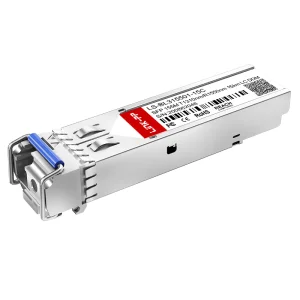
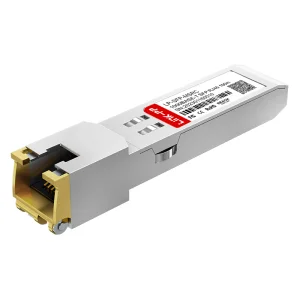
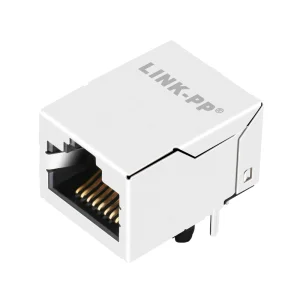
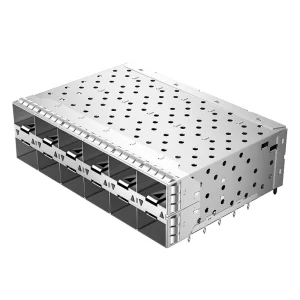
Explore our high-density optical and copper connectors designed for carrier-grade and enterprise networks.
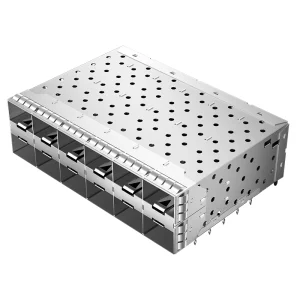
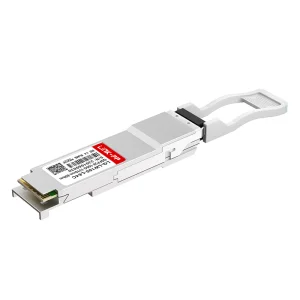
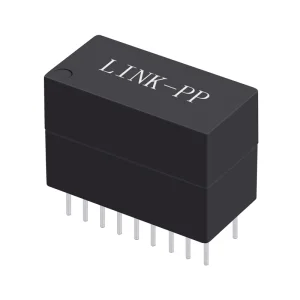
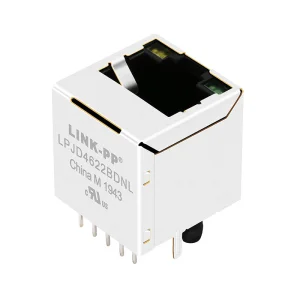
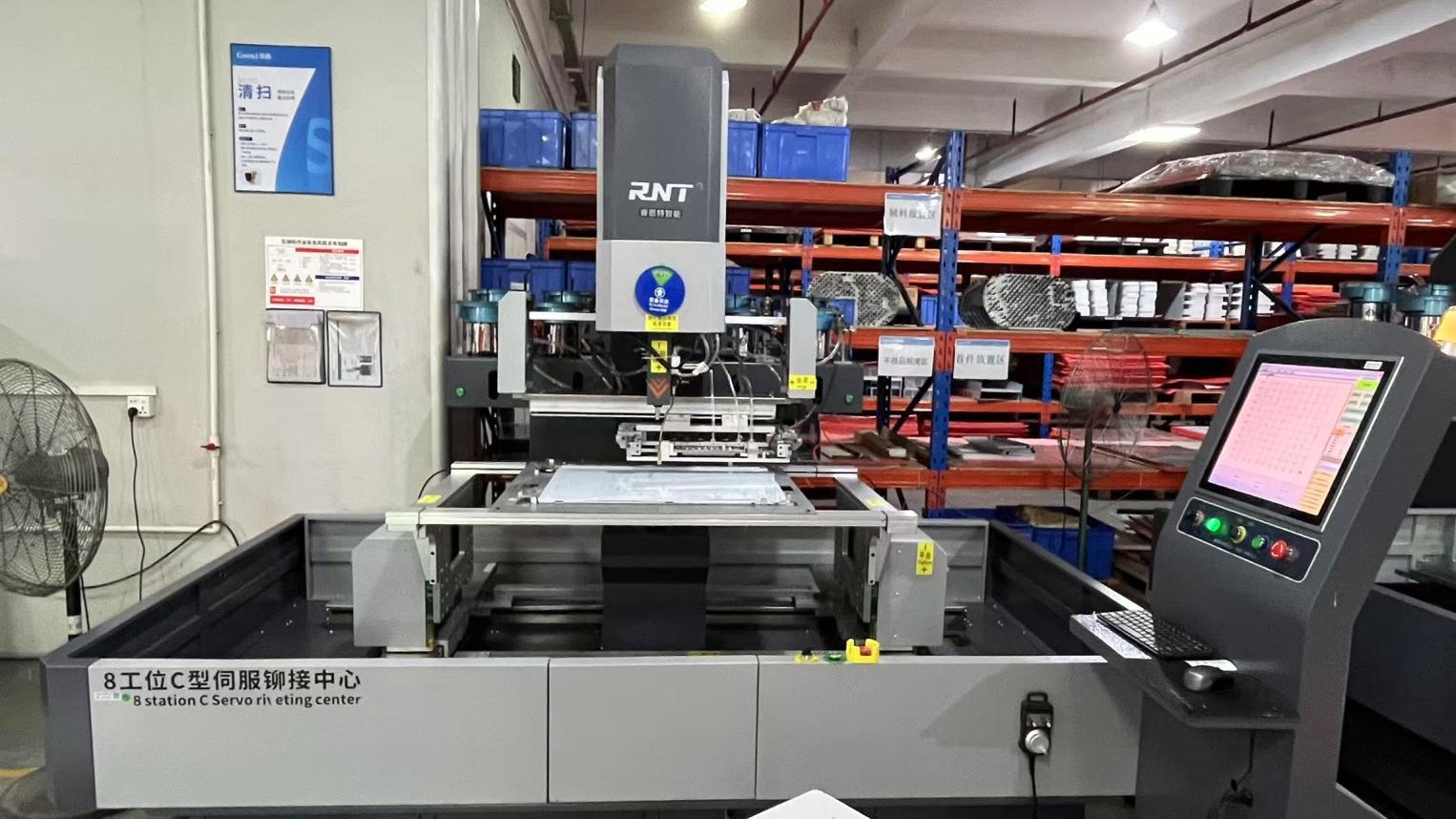
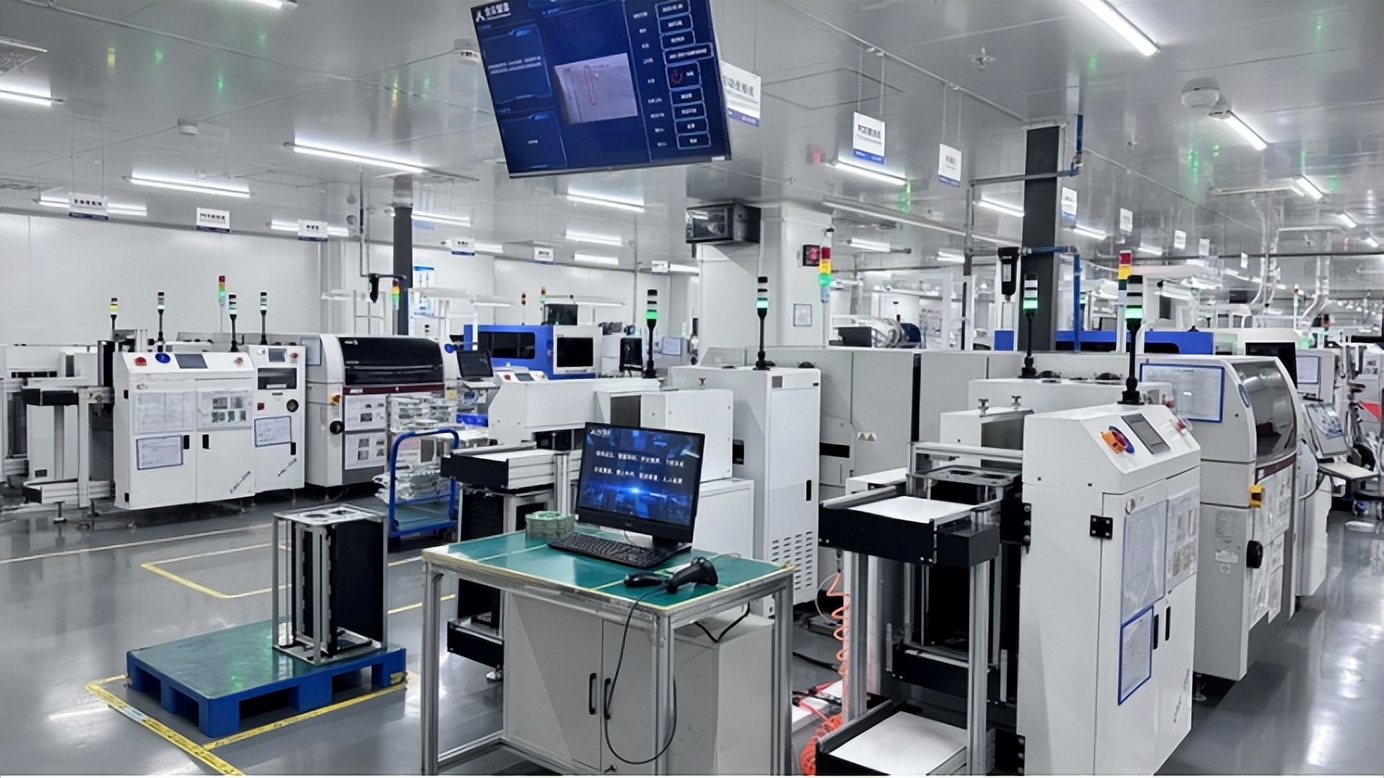
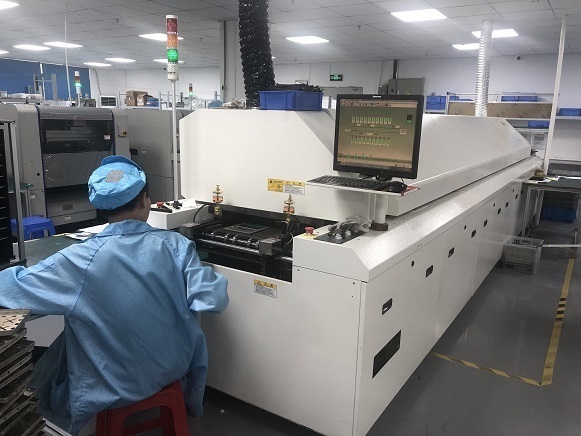
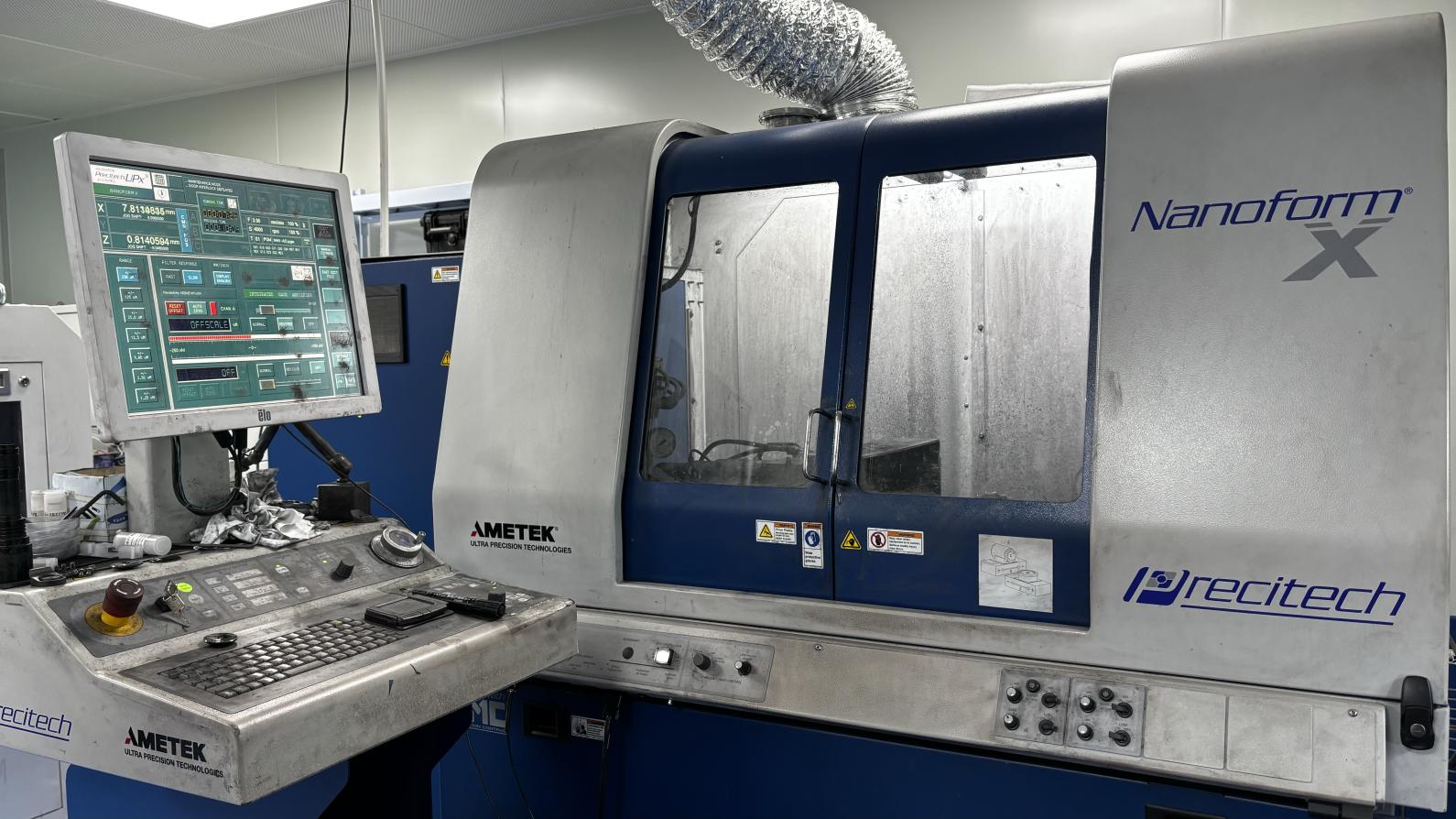
A pictorial walkthrough of our high-precision assembly facilities, testing environments, and specialized warehousing hubs.


 Transolix