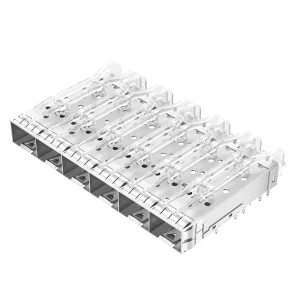
How the shift to Cat7 RJ45 connectivity and high-frequency network components is defining modern infrastructure reliability across data centers, industrial IoT, and enterprise deployments.
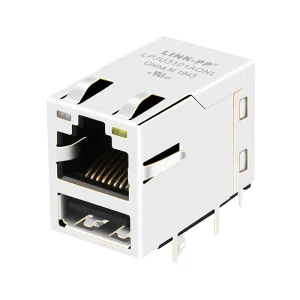
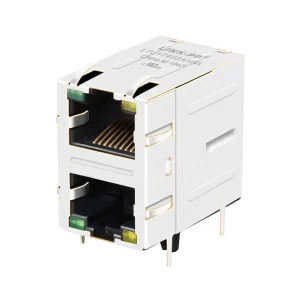
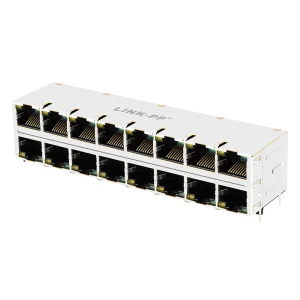
Modern smart factories and smart grids operate in extreme electromagnetic environments. The RJ45 Cat7 Connector is specifically designed to work in conjunction with Shielded Twisted Pair (S/FTP) cabling systems. Unlike legacy Cat5e or Cat6 variants, Cat7 connectivity implements individual pair shielding combined with an overall braided shield. This structural difference minimizes alien crosstalk and mitigates high-frequency noise induced by surrounding heavy industrial machinery, high-voltage lines, and variable frequency drives (VFDs).
As business organizations upgrade their internal network architecture to support high-definition video processing, Edge Computing AI nodes, and intensive storage-area network (SAN) backups, copper cabling remains the most cost-efficient choice for lengths up to 100 meters. The RJ45 Cat7 standard facilitates transmission speeds up to 10 Gbps at frequencies of 600 MHz. This ensures that global telecom operators and corporate enterprises can leverage high bandwidth without undergoing the expensive architectural modifications associated with converting to fiber optics.
An engineering-first manufacturing powerhouse specializing in high-speed optical transceivers, network transformers, and modular interconnect interfaces.
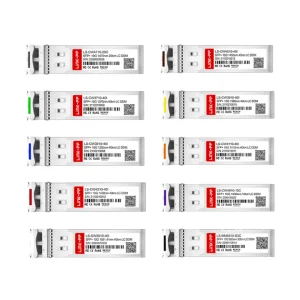
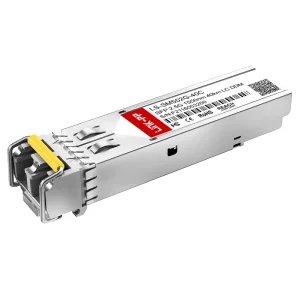
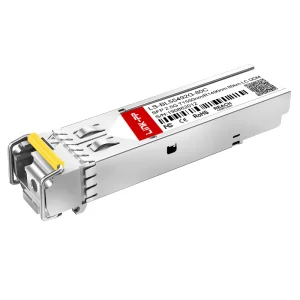
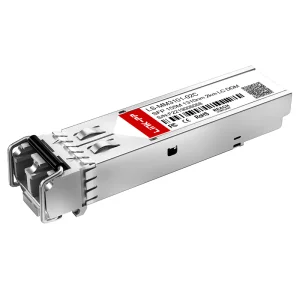
Transolix is a professional optical transceiver manufacturer specializing in high-performance fiber optic communication solutions for global data centers, telecom operators, and enterprise networks. With strong engineering capabilities and scalable production capacity, Transolix is committed to delivering reliable, high-speed, and cost-effective optical connectivity products worldwide. Leveraging a broad technology stack including SFP, SFP+, QSFP28, QSFP-DD, and emerging high-speed optical solutions, our products serve as the backbone of next-generation physical-layer networks.
Quality reliability is the defining criterion for high-frequency networking. At Transolix, our inspection process is governed by ISO 9001 and internal dependability guidelines. Products undergo comprehensive testing methodologies including:
Our manufacturing reliability is built on a structured framework consisting of over 860 certified upstream suppliers, including global industry chipset, optics, and metal fabrication partners. We provide customized solutions to meet client requirements:
Deep architectural evaluation of shielding mechanisms, signal integrity, and the physical parameters that separate premium Cat7 components from standard alternatives.
| Feature Parameter | Cat5e / Cat6 (Standard) | Cat7 RJ45 / S/FTP (High Performance) | Engineering Benefit |
|---|---|---|---|
| Transmission Frequency | 100 MHz - 250 MHz | 600 MHz - Up to 1000 MHz (Extended) | Enables wider signal bandwidth and faster data rates without degradation. |
| Shielding Configuration | Unshielded (UTP) or Single Shield (F/UTP) | Individual Pair Shield (S/FTP) + Full Copper Shell Grounding | Eliminates alien crosstalk (ANEXT) and reduces electromagnetic interference. |
| Contact Gold Plating | Flash plating or 15u" gold plating | 30u" to 50u" Pure Gold Plating | Prevents oxidization and ensures stable insertion performance over 750+ cycles. |
| Insertion Loss (at 600MHz) | N/A (Fails at high frequencies) | < 1.5 dB (Maximized Signal Amplitude) | Ensures signal strength remains within tolerance over longer runs. |
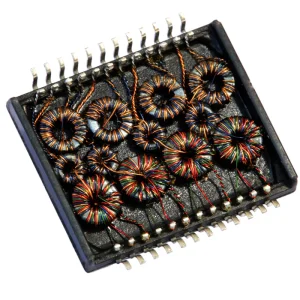
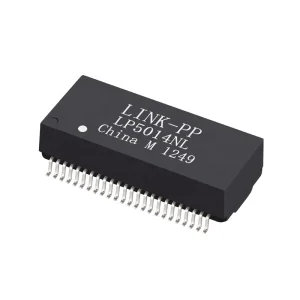
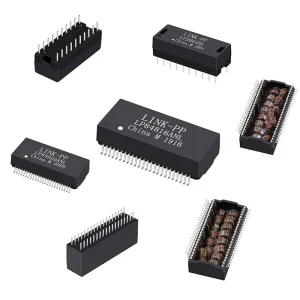
| Integrated Magnetics Compatibility | Simple discrete wire wrap | Precision-wound transformers with EMI chokes (e.g., HN24018G) | Protects network interfaces from voltage spikes and static discharge. |
Oxidized connector pins lead to signal dropouts and transmission errors. Premium manufacturers implement a thick 30u" or 50u" gold-plated contact layer over phosphor bronze pins. This ensures resistance to corrosion in high-humidity climates like coastal industrial parks.
True Cat7 connectors utilize a nickel-plated brass shell that forms a 360-degree connection with the cable shield. This path redirects electrostatic discharge and high-frequency noise away from sensitive network transceivers.
Maintaining a 100-ohm differential impedance throughout the connector interface is crucial. Small physical variations during assembly can create impedance anomalies, leading to signal reflection and return loss.
Understanding how environmental factors, regional regulatory rules, and infrastructure challenges affect real-world connector performance.
In high-density processing sites located in industrial hubs across Central Europe and China, Cat7 connectors link industrial controllers to Edge AI servers. They protect low-voltage data signals from electric motor interference, preventing packet retransmissions.
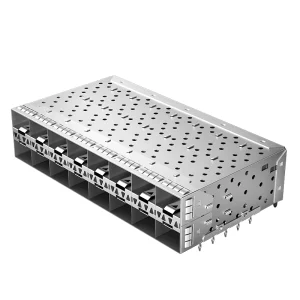
For cloud providers in North America operating modular or containerized data facilities, space is at a premium. Here, shielded RJ45 Cat7 systems and high-density SFP cages enable compact layouts with minimal cooling airflow disruption.
High-resolution imaging equipment in medical clinics and modern audio-visual studios requires low-latency media streaming. Using RJ45 Cat7 connectors maintains signal integrity to avoid packet loss during operations.
Ensuring product safety and environmental compliance for global markets including North America, Europe, and the Middle East.
For procurement officers and network design engineers, sourcing certified electronic parts is critical to complying with local building and environmental regulations. Transolix ensures that all connector housing polymers, metal shields, and internal solder joints comply with international safety standards:
Geopolitical challenges and shipping delays require a resilient supply chain strategy. Transolix addresses these concerns through:
Looking ahead at the development of high-speed copper networking, single-pair Ethernet, and the integration of optical and copper designs.
While Cat7 connectivity is well-suited for 10Gbps enterprise networks, future high-performance data centers will require higher speeds. The transition to Cat8 increases frequencies up to 2000 MHz, enabling 25 Gbps and 40 Gbps speeds over short distances (up to 30m). This technology relies on the design lessons learned from the manufacturing of Cat7 connectors.
For industrial automation, deploying standard 4-pair Ethernet can be bulky and expensive. Single Pair Ethernet (SPE) uses a single pair of copper wires to transmit both data and power (PoDL). Future factory interconnect systems will combine standard Cat7 shielding with compact, vibration-resistant SPE connector designs.
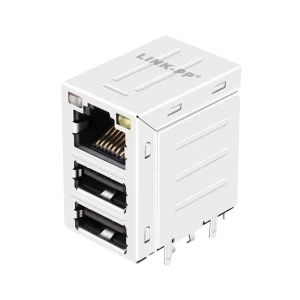
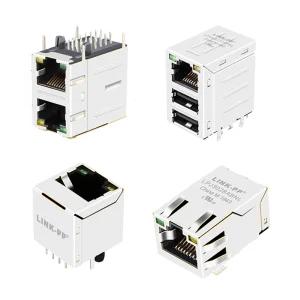
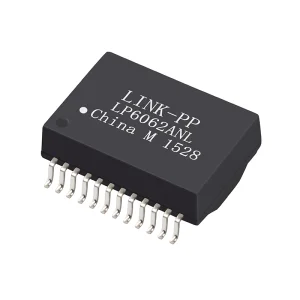
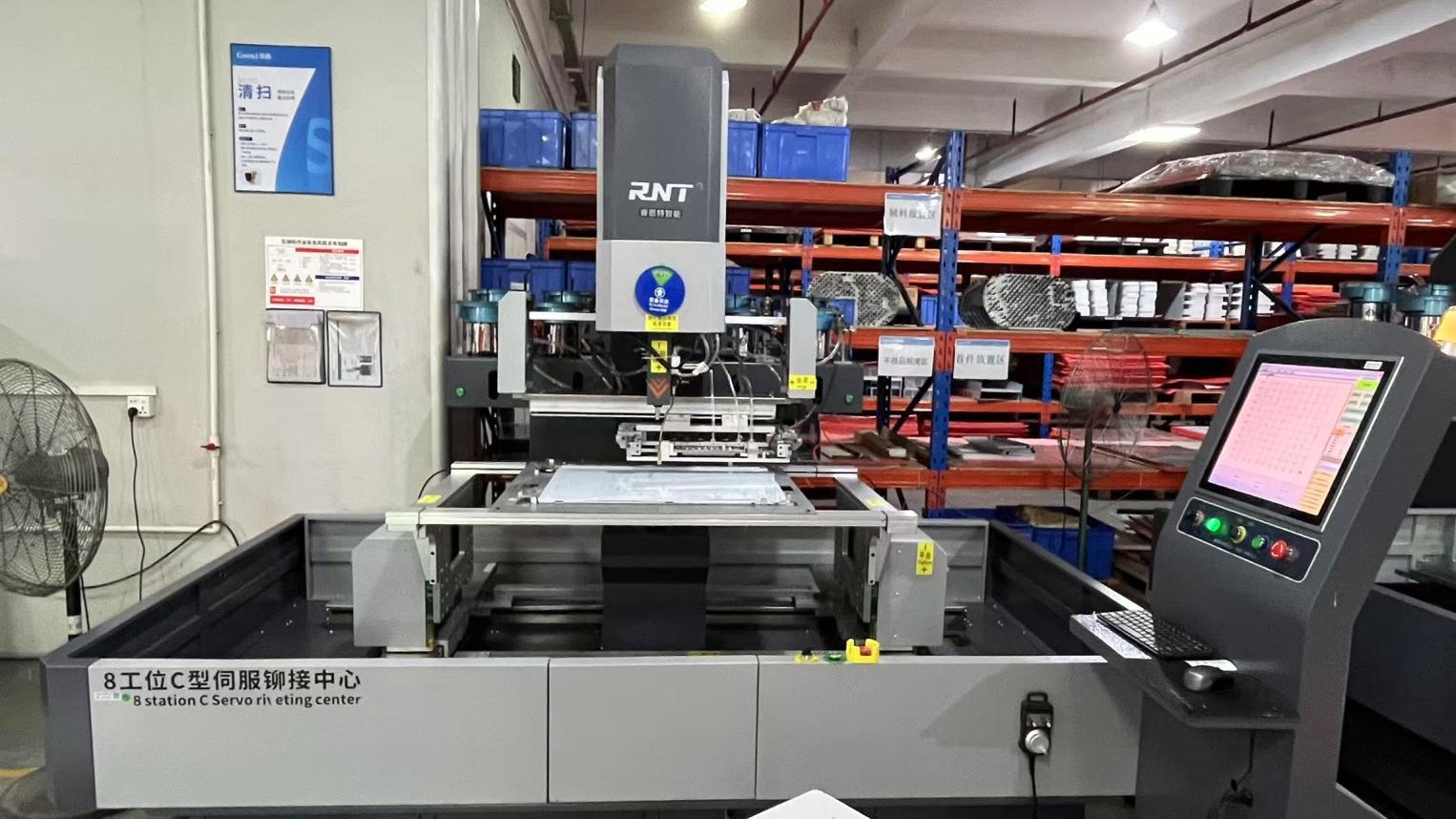
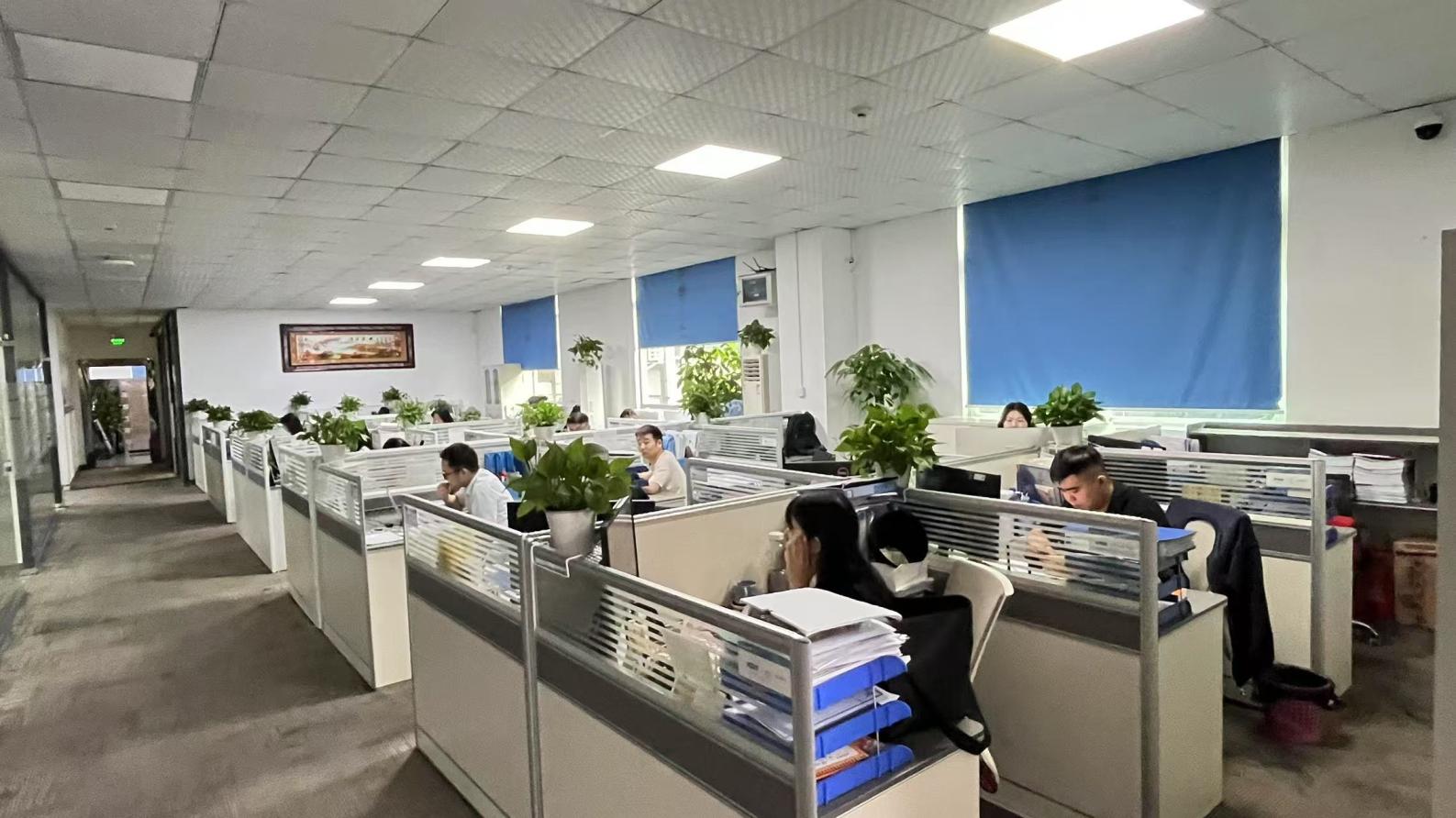
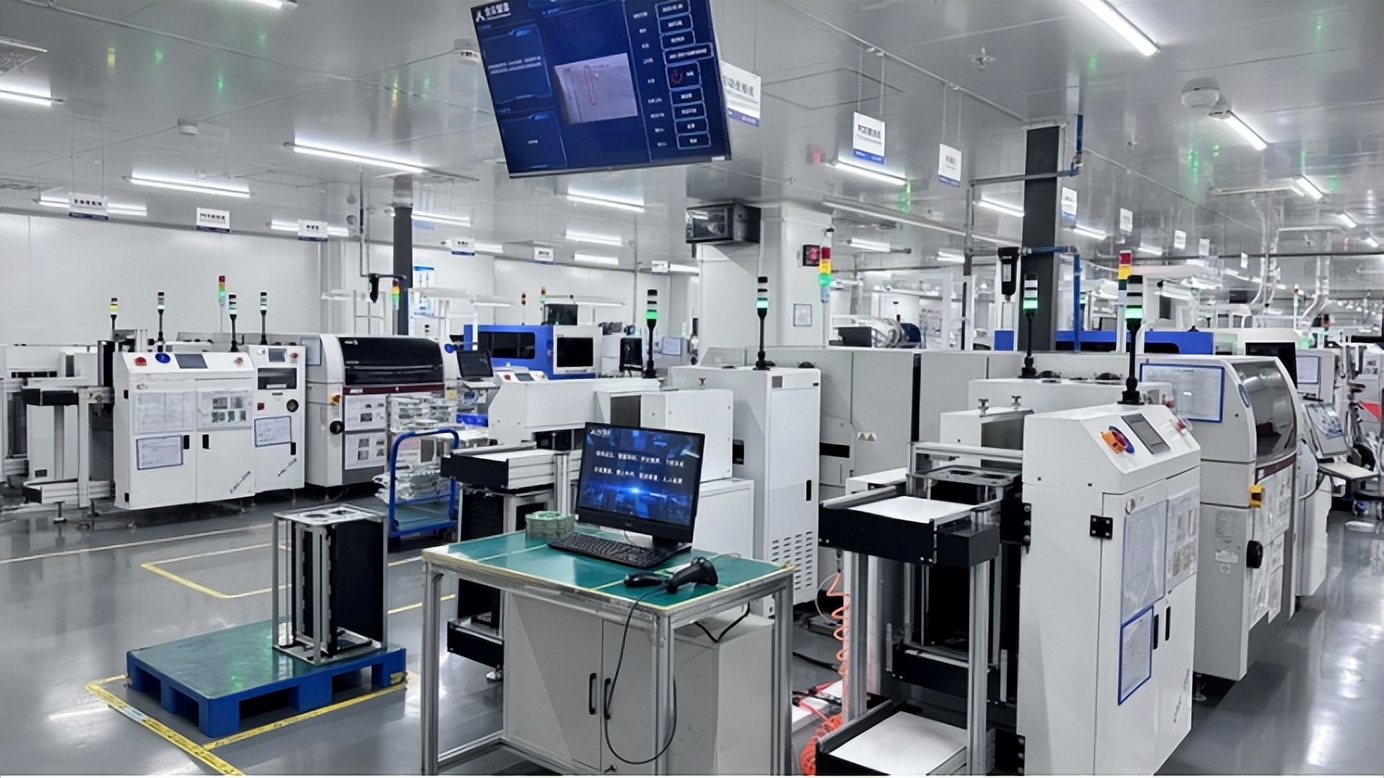
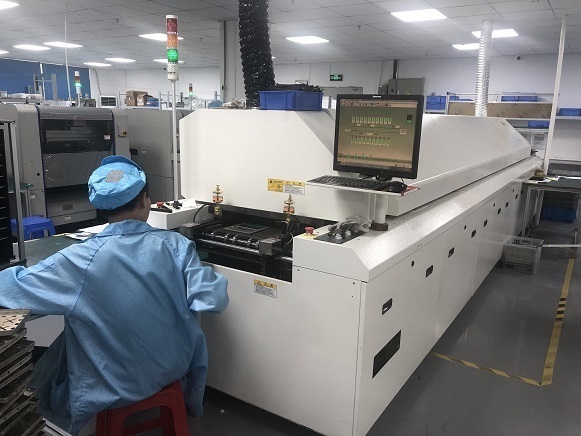
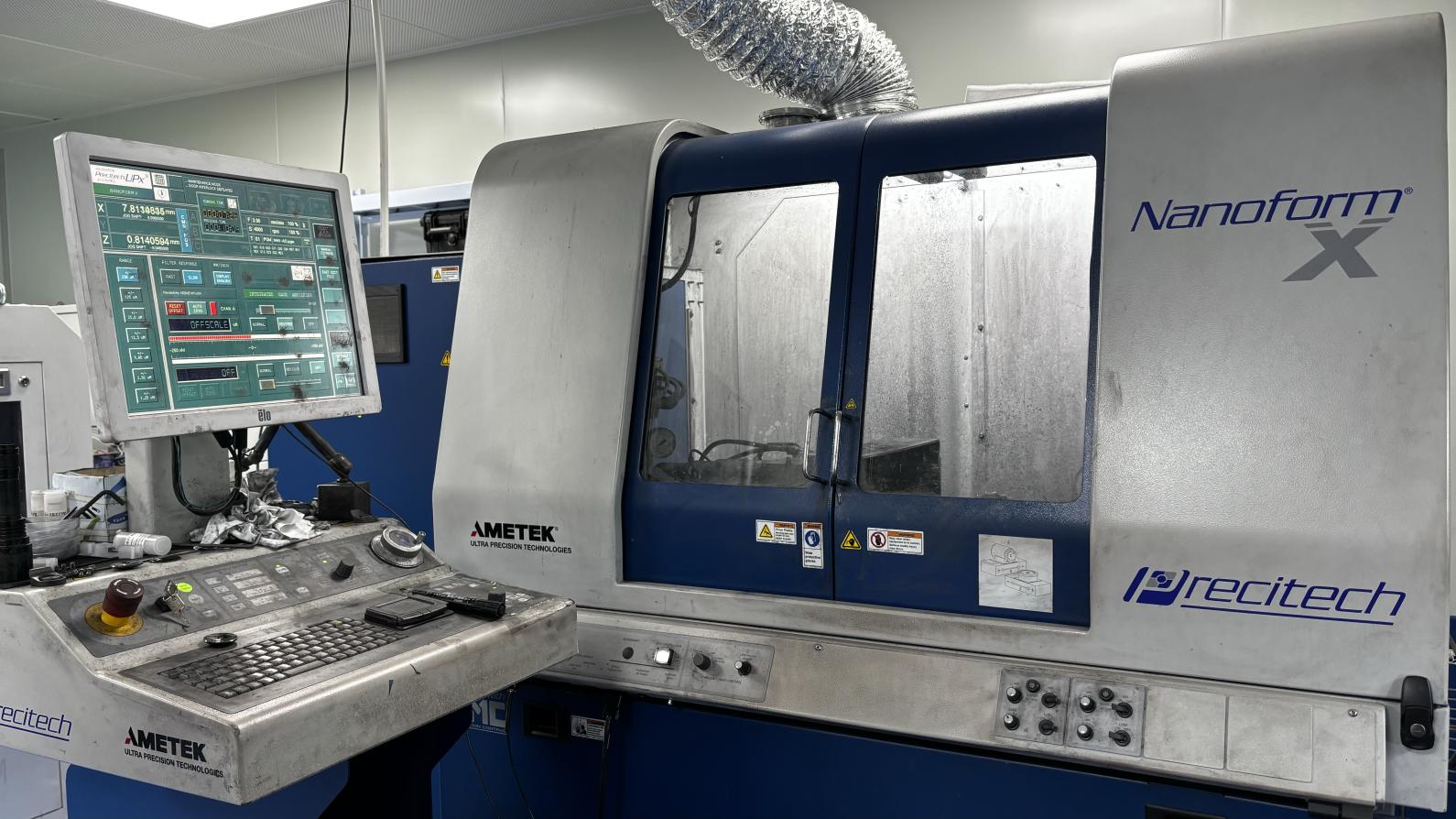
A visual overview of our manufacturing facilities, specialized production areas, cleanrooms, and testing setups. Transolix ensures reliable high-volume production under strict quality standards.

Detailed answers to common technical, design, and supply-related questions from engineers and procurement teams.
 Transolix