Optimized for low-latency data backhauls, automated terminal logistics, and extreme physical environments.
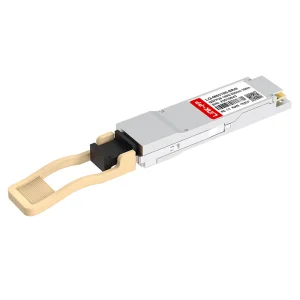
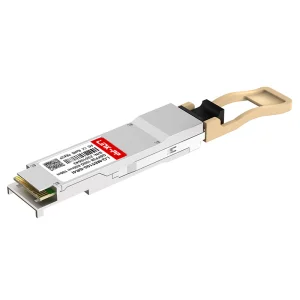
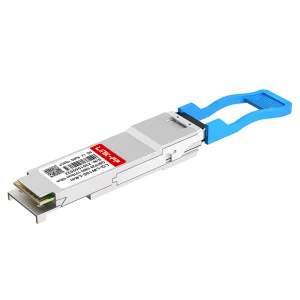
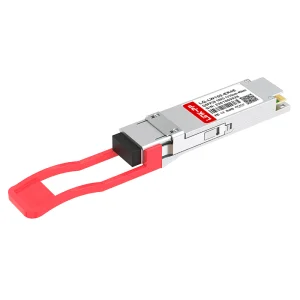
As the home of Europe’s second-largest seaport—the Port of Antwerp-Bruges—and a major global chemical cluster, Antwerp has transitioned rapidly into an automated, data-driven industrial powerhouse. This transformation relies heavily on reliable optical fiber backbones running 100G, 200G, and 400G optical architectures.
Antwerp’s strategic geographical location, adjacent to the FLAP-D (Frankfurt, London, Amsterdam, Paris, Dublin) data center zone, positions it as a critical low-latency hub. Industrial automation, chemical telemetry tracking, real-time cargo container recognition, and localized cloud nodes demand high-density fiber transceivers that function without packet loss under harsh environmental conditions.
1. Full Spectrum Compatibility: Custom-coded EEPROM configurations designed to interface natively with Cisco, Arista, Juniper, and Huawei architectures.
2. Harsh Environment Protection: High-grade internal components engineered for operating temperatures in dense dockside enclosures.
3. Immediate EU Compliance: Every module shipped to Belgium holds CE, RoHS, and FCC certifications, ensuring simple import processes.
How hyper-scale cloud demands and modular innovations are shaping modern optoelectronic designs.
In modern optical networking, scaling from 100G to 400G and eventually 800G requires a fundamental shift in modulation formats. While legacy 100G systems predominantly rely on NRZ (Non-Return-to-Zero) modulation, 200G (QSFP56) and 400G (QSFP-DD) transceivers utilize 4-level Pulse Amplitude Modulation (PAM4). PAM4 transmits two bits per clock cycle, doubling the data rate over the same optical bandwidth, albeit with a lower signal-to-noise ratio (SNR) that requires Forward Error Correction (FEC) algorithms built directly into the host or module DSP.
| Form Factor | Data Rate | Modulation Type | Connector Interface | Key Application |
|---|---|---|---|---|
| QSFP28 | 100G | NRZ / PAM4 (Single-Lambda) | MPO-12 or Duplex LC | Enterprise LAN, Port Gateways, Metros |
| QSFP56 | 200G | PAM4 (4x50G) | MPO-12 or Duplex LC | Intermediate High-Performance Compute Nodes |
| QSFP-DD | 400G | PAM4 (8x50G or 4x100G) | MPO-12 / MPO-16 / Duplex LC | Hyperscale Data Centers, AI Clusters, Core Exchanges |
For Antwerp-based enterprise operators, selecting between single-mode (SMF) and multi-mode (MMF) fiber interfaces depends entirely on local distance requirements. MMF (using 850nm VCSELs) remains the economic standard for internal rack connectivity within a 100-meter range. However, for metropolitan loops connecting dry ports to seaside terminals, single-mode configurations (CWDM or LR4/ER4/ZR4 over 1310nm) are necessary to overcome transmission attenuation over links spanning 10km to 80km.
Engineered for high density, thermal stability, and long-range connectivity across industrial nodes.
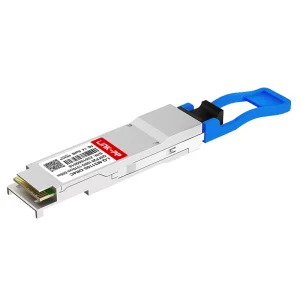
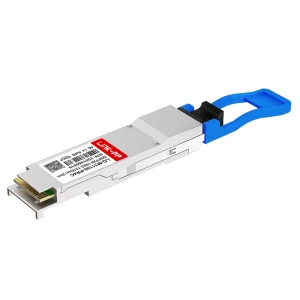
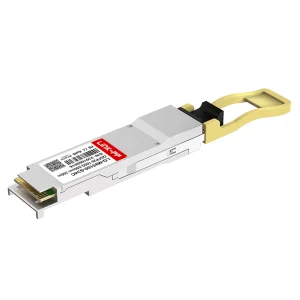
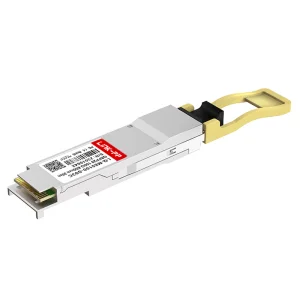
Founded in 2016, Transolix has grown to become a reliable B2B export-focused manufacturer of high-performance fiber optic components. Leveraging 11 years of industry experience, we specialize in high-speed optical module solutions tailored for telecom operators, cloud providers, and enterprise integrators globally.
Operating out of our 320㎡ specialized testing facility, Transolix generates between USD 8 million and USD 15 million in annual export revenue, shipping primarily to Europe, North America, and Southeast Asia. Our research and development center features 128 engineers specializing in high-speed optoelectronic designs, signal integrity, and firmware customization.
Quality control is managed by a team of 42 QC professionals utilizing automated testing equipment. Every module undergoes a strict inspection protocol, including automated optical testing, eye diagram analysis, thermal aging chambers, and 100% final performance verification on target network switches.
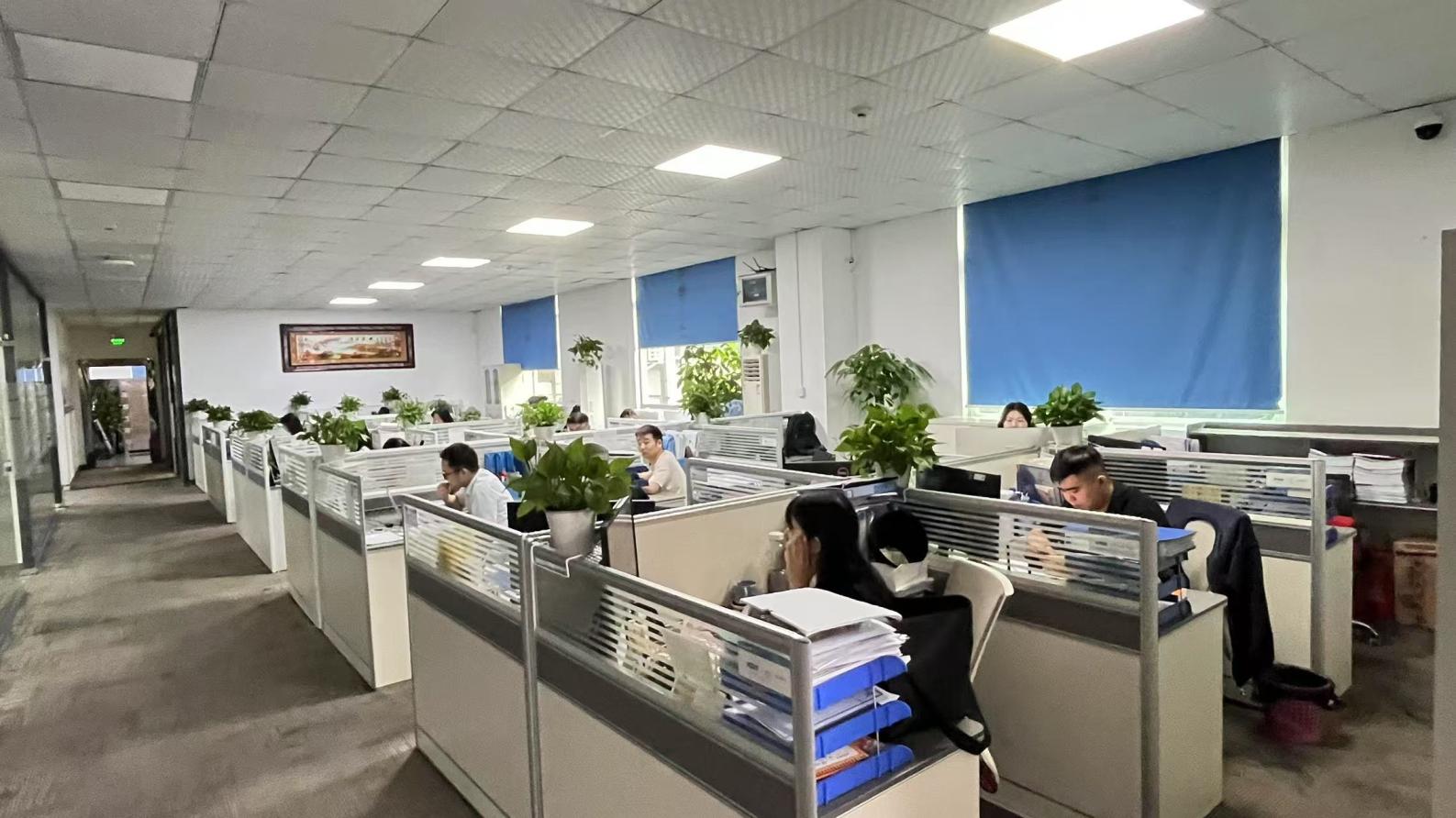
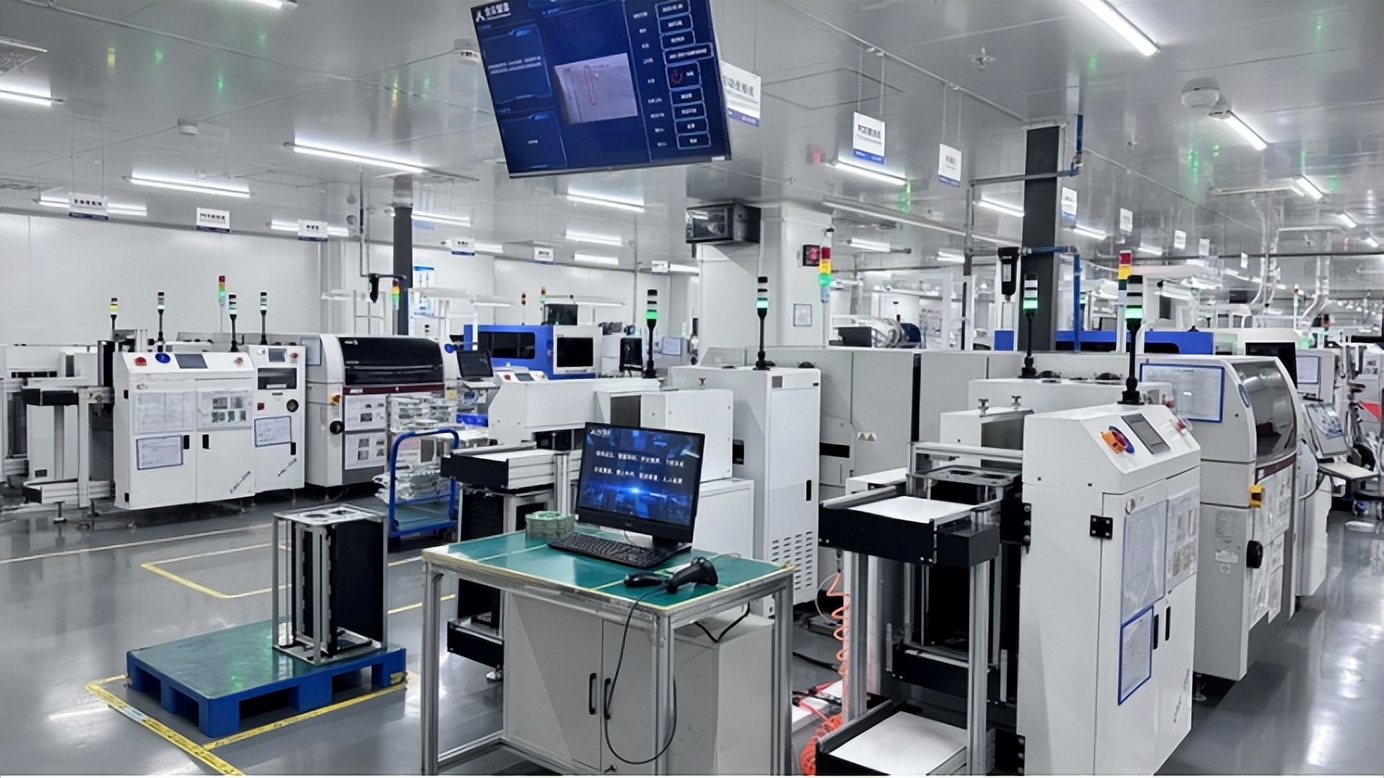
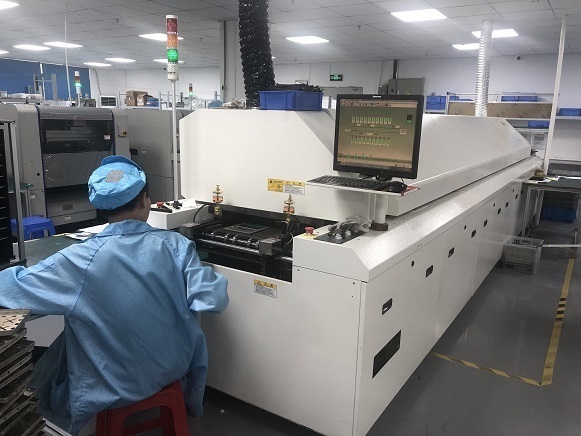
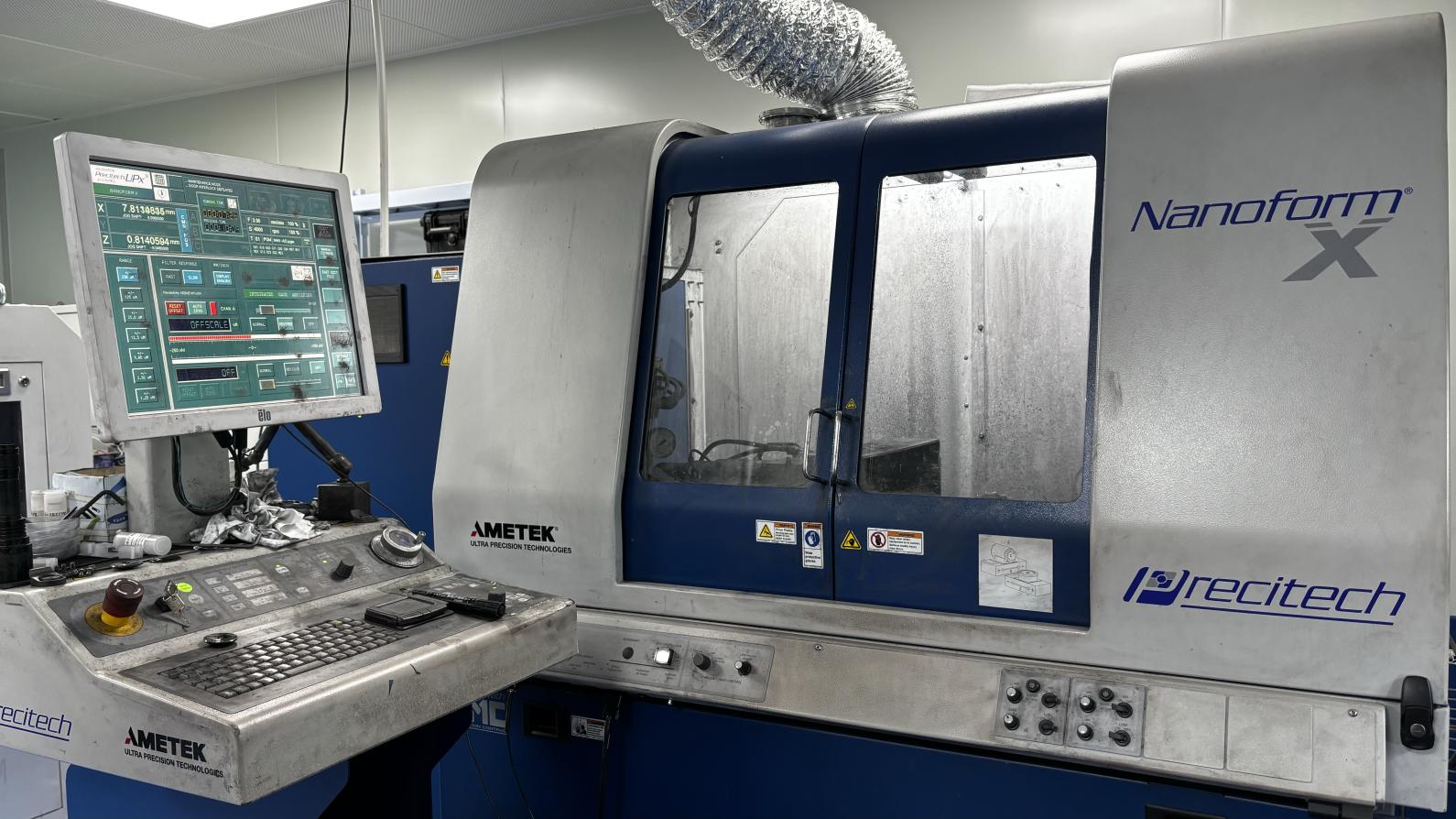
Inside our production facilities, showing active testing benches, automated optical alignment systems, and QC areas.


For Antwerp buyers, procuring technology from overseas requires reliable supply chains and full regulatory compliance. Transolix works with a network of 860 certified upstream vendors. This network secures our access to semiconductor wafers, optical sub-assemblies (TOSA/ROSA), and high-frequency PCBs, insulating our production schedules from component shortages.
We provide localized solutions that comply with European Union regulations, including:
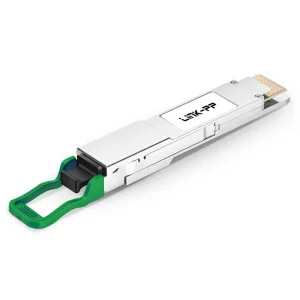
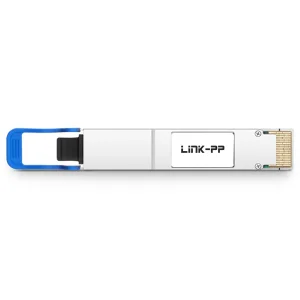
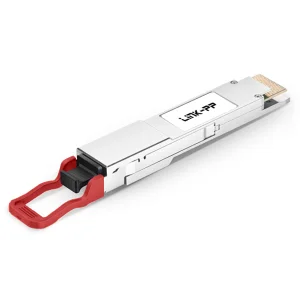
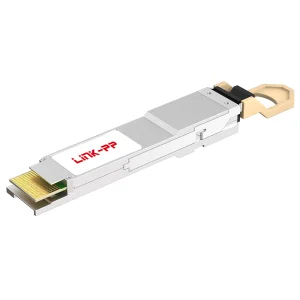
High-density optical interconnect solutions designed for modern enterprise networks in Antwerp.
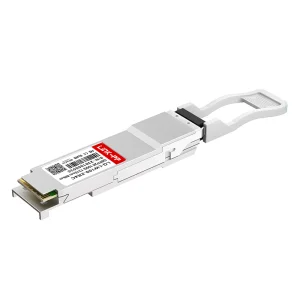
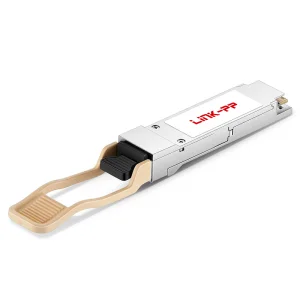
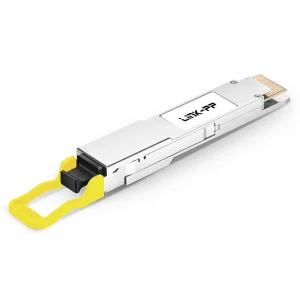
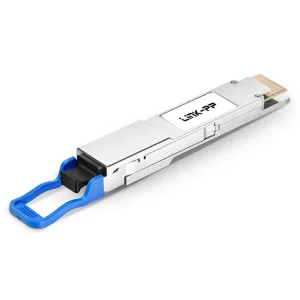
Common inquiries from procurement managers and network engineers deploying transceivers in Antwerp.
 Transolix