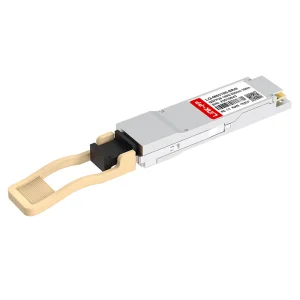
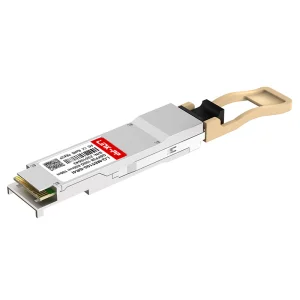
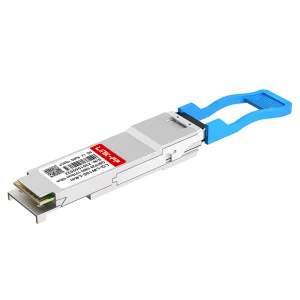
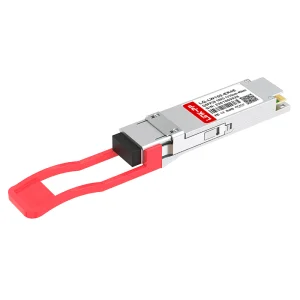
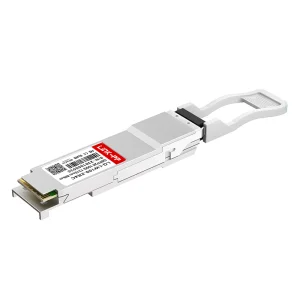
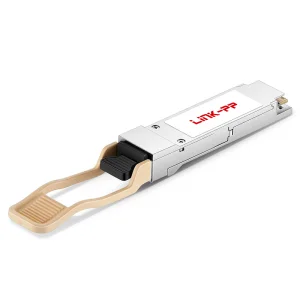
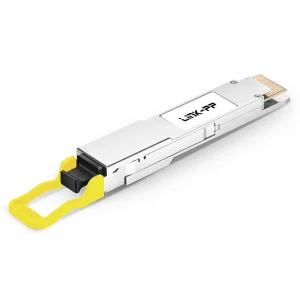
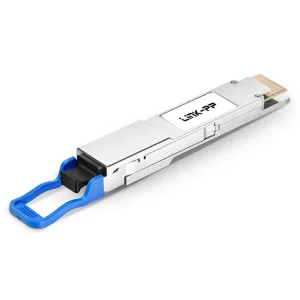
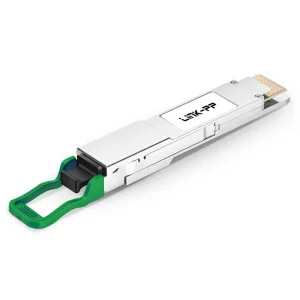
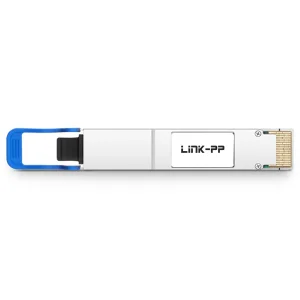
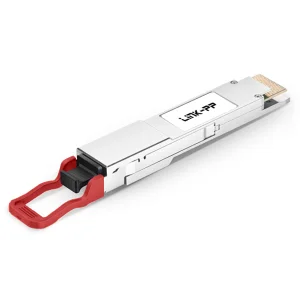
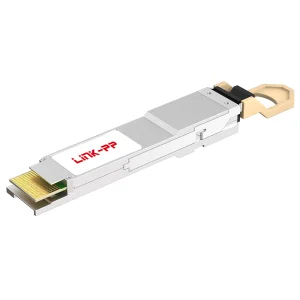
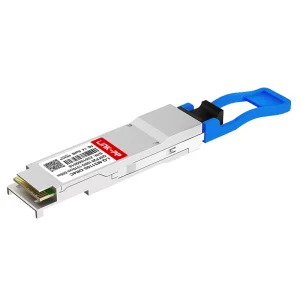
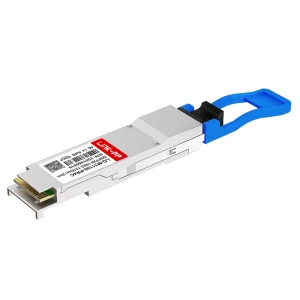
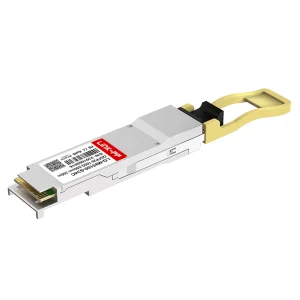
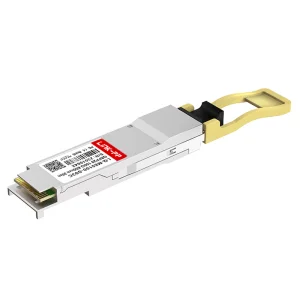
Engineered for direct deployment in Bangkok's hyper-scale data centers and telecommunications backbones. Delivering low latency and high thermal stability.
Thailand is actively transforming into a leading digital hub through the development of the Eastern Economic Corridor (EEC) and the comprehensive *Thailand 4.0* roadmap. Bangkok, as the geographic and economic epicenter of Southeast Asia, is experiencing an unprecedented surge in digital infrastructure development. Hyper-scale cloud operators, regional telecommunication giants, and multinational enterprise data centers are heavily investing in Bangkok's network architecture.
This infrastructure boom has shifted the demand curve for optical network interconnectivity from traditional 10G/40G products to advanced 100G, 200G, and 400G optical transceiver modules. The high density of industrial zones surrounding the Bangkok Metropolitan Area, coupled with streamlined import-export customs procedures, has established Bangkok as a critical logistical staging ground and supply terminal for optical network components across ASEAN.
Deploying transceiver technologies via Bangkok ensures rapid custom clearance, duty incentives under local Free Zone policies, and optimized maritime and air shipping routes directly linking East Asia to Western and regional networks.
Operating high-speed optical transceivers in tropical regions like Bangkok presents distinct engineering challenges. Elevated ambient humidity and temperatures require modules constructed with military-grade hermetic sealing and superior thermal dissipation properties. Our 100G/200G/400G transceivers are optimized with custom heatsinks and strict operational ranges to ensure continuous reliability in Southeast Asian data centers.
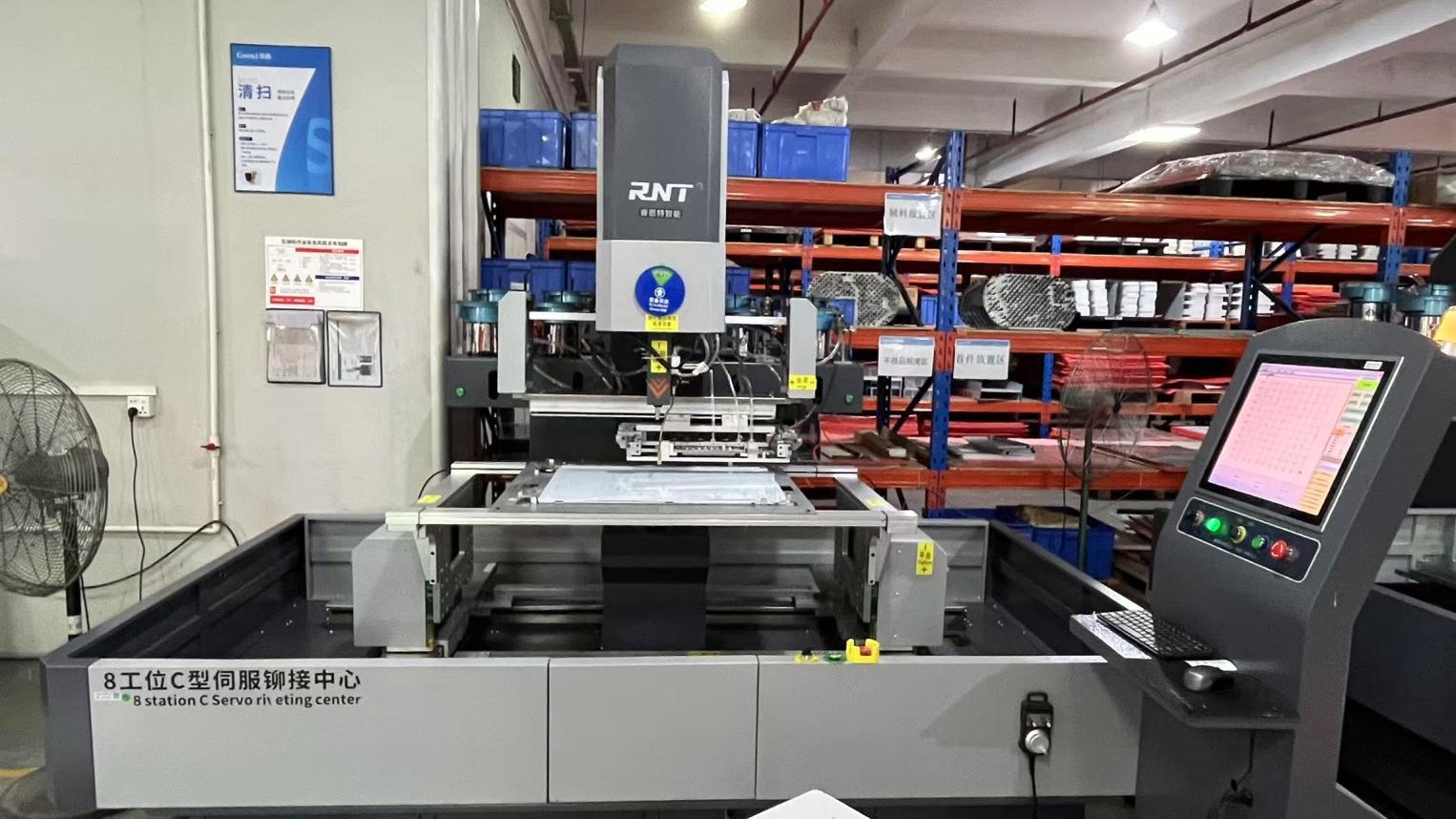
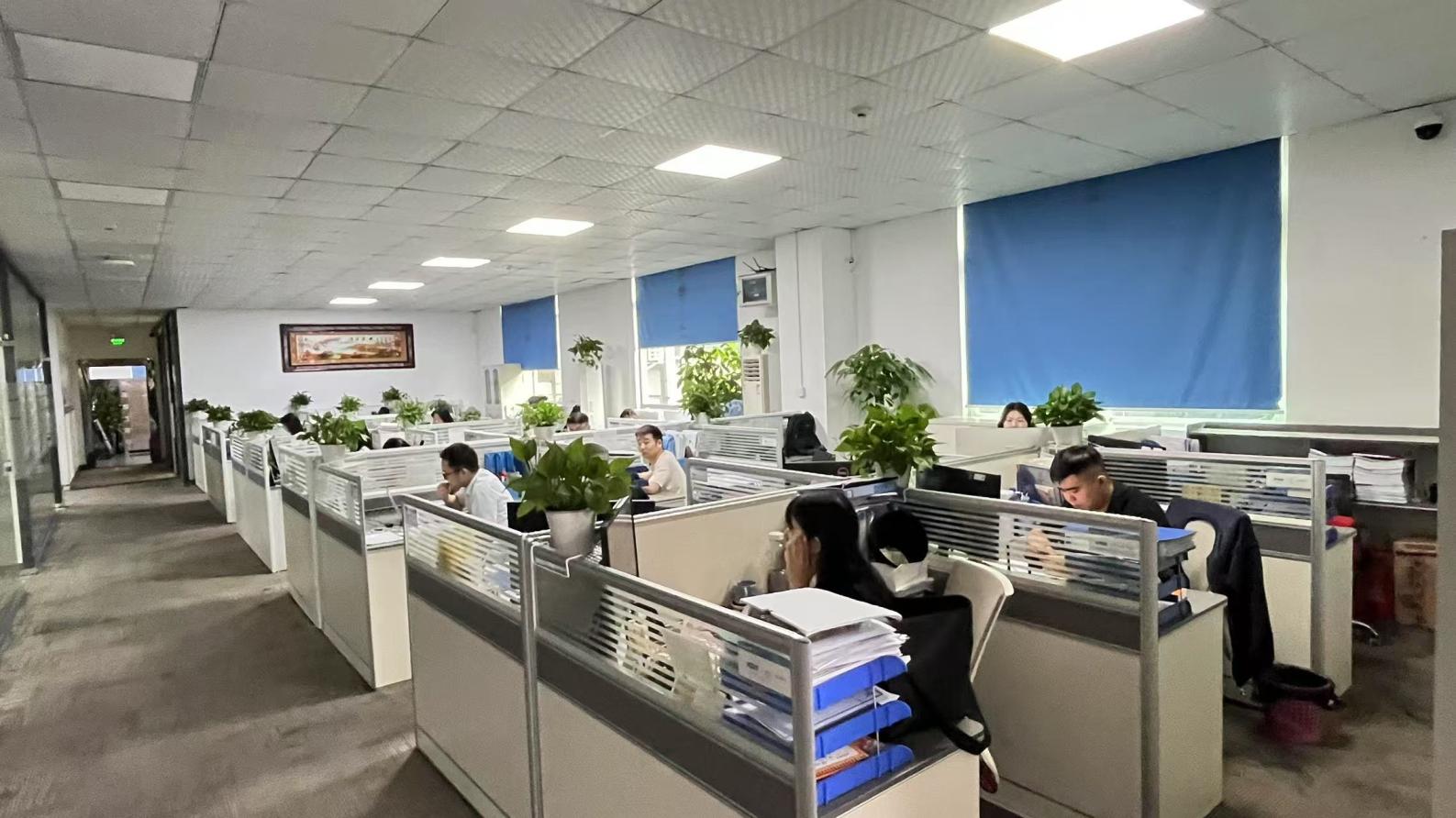
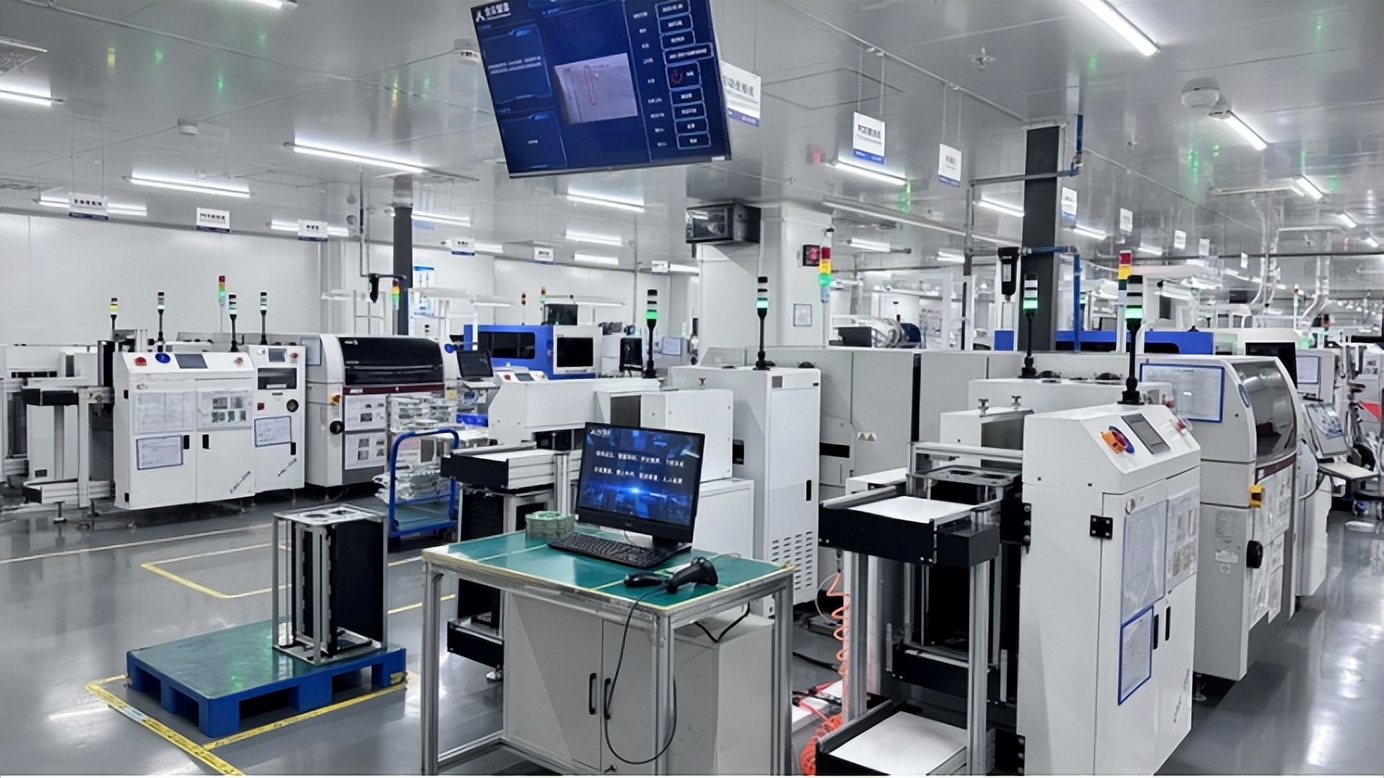
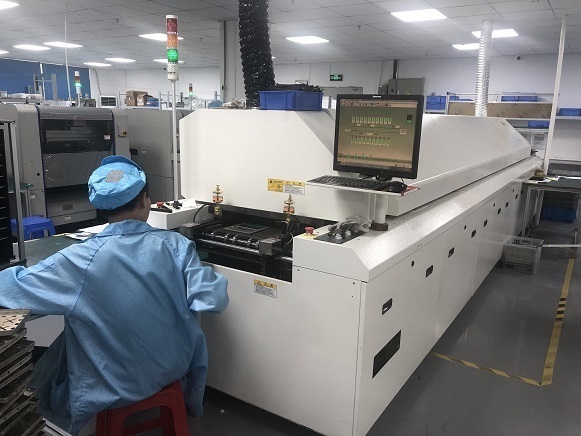
Transolix is a professional optical transceiver manufacturer specializing in high-performance fiber optic communication solutions for global data centers, telecom operators, and enterprise networks. With strong engineering capabilities and scalable production capacity, Transolix is committed to delivering reliable, high-speed, and cost-effective optical connectivity products worldwide.
Our capabilities enable the rapid prototyping and mass production of high-speed modules tailored to regional requirements. With a dedicated network of certified suppliers and internal R&D staff, we configure custom wavelengths, firmware protocols, and form factors to meet specific architecture requirements.
Our manufacturing workflow is certified to ISO 9001 standards. Every high-speed optical module (100G to 400G) undergoes automated optical characterization, including Eye Diagram analysis and bit-error-rate (BER) validation, prior to packaging and dispatch.
Testing Standards: Environmental aging tests at extreme limits, full spectrum wavelength calibration, and compatibility testing on major routing and switching platforms (Cisco, Juniper, Arista, Huawei, and HP).

Optimizing large-scale networks with standardized optical transceiver designs that reduce total cost of ownership (TCO).
By using 100G QSFP28 and 400G QSFP-DD links in spine-leaf topologies, modern operators in Bangkok can eliminate network bottlenecks. These transceivers offer high-density connections with minimal cabling complexity, lowering overall power footprints.
Connecting separate data centers in Thailand's industrial zones (such as Chonburi, Rayong, and Samut Prakan) requires robust long-distance optics. Our 100G ZR4 and 400G ER8 modules bridge distances up to 80km without external amplification, simplifying link engineering.
With Thailand leading ASEAN 5G deployments, mobile operators use our high-speed optics to connect Centralized Radio Access Networks (C-RAN). These modules ensure latency-sensitive synchronization and backhaul throughput.
Ensuring hardware imports meet all Thai and international technical, ecological, and trade compliance standards.
Exporting to Thailand and the broader ASEAN region requires strict adherence to regulatory standards. All Transolix optical modules conform to global multi-source agreements (MSA), CE, FCC, RoHS, and REACH criteria. Additionally, we assist local integration partners in preparing documentation for the National Broadcasting and Telecommunications Commission (NBTC) of Thailand.
By leveraging our streamlined logistic partners and Bangkok's Free Zone policies, customers can optimize import duties under regional free trade agreements, ensuring cost-efficient procurement cycles.
How our development paths support upcoming bandwidth demands for cloud service providers and enterprise structures.
As AI workloads and data-rich applications expand across Bangkok's computational facilities, standard architectures face bandwidth and thermal challenges. The optical transceiver industry is moving from traditional direct-modulated lasers (DML) to integrated Silicon Photonics (SiPh) and Co-Packaged Optics (CPO).
Transolix is aligning its product lines with these developments, focusing on 800G and 1.6T transceiver form factors. By integrating optical engines directly onto silicon dies, we aim to lower signal attenuation, reduce electrical power consumption, and increase port density in network switches.
A complete selection of optical solutions, covering short-reach multimode fiber configurations to long-haul single-mode transmission modules.
Resolving complex implementation queries related to 100G, 200G, and 400G deployments.
Our engineering division programs each EEPROM with custom vendor microcode matching target platforms (e.g. Cisco, Arista, Juniper, HP). This configuration bypasses vendor-lockout mechanisms, providing transparent diagnostic monitoring (DDM/DOM) capabilities.
Traditional 100G modules use Non-Return-to-Zero (NRZ) modulation, which transmits 1 bit per optical pulse. 400G modules employ Pulse Amplitude Modulation 4-Level (PAM4), sending 2 bits per baud. This doubling of density requires tighter signal-to-noise ratio (SNR) controls, which we test in our eye-diagram analysis.
Transolix modules are engineered with low-loss optical components and optimized PCB layouts. This limits power consumption to under 12W for 400G QSFP-DD modules, reducing heat generation in densely packed switch environments.
Yes. Our modules undergo automated moisture-intrusion testing and thermal-cycling validation. This helps prevent internal condensation and laser degradation, securing reliable operation in regions with high relative humidity.
With local warehousing and support infrastructure in Bangkok, regional orders can ship under ASEAN Free Trade Agreements. This expedites logistics and minimizes import duty overhead for regional integrators.
Connect with our regional engineering and sales support. Get detailed specifications, compatibility reports, and competitive factory-direct pricing.
Send Inquiry Now Transolix