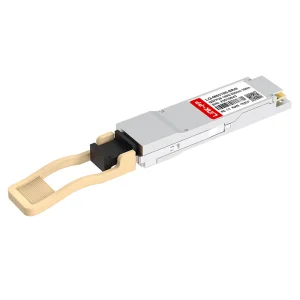
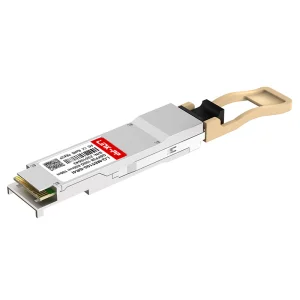
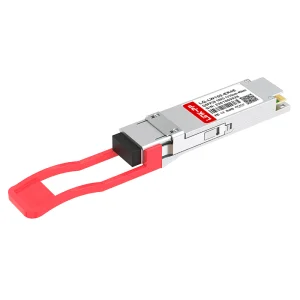
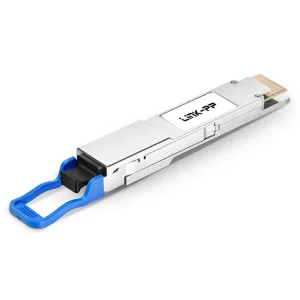
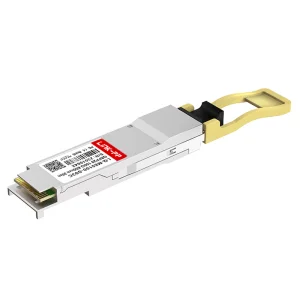
Engineered for high-reliability backbone networks, metropolitan rings, and local enterprise operations.
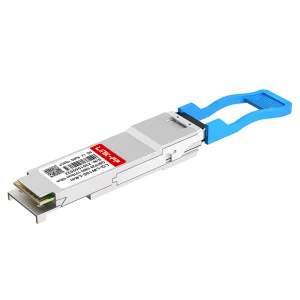
As Damascus continues its systematic recovery and modernization phase, telecommunications and network infrastructure serve as the backbone for municipal restoration, economic stabilization, and regional development. The Damascus Metropolitan Area, encompassing key government sectors, financial institutions, and academic centers like Damascus University, is witnessing an unprecedented demand for data bandwidth. Upgrading regional switching stations and interconnecting municipal facilities require high-speed optical transceivers capable of withstanding local operating conditions while delivering maximum throughput.
Historically, legacy infrastructure depended on copper cabling and lower-capacity active optics. However, the modernization plans led by the Syrian Telecommunications Company (ST) and national operators like Syriatel and MTN Syria have shifted focus entirely toward optical fiber networks. To future-proof their networks, Damascus-based system integrators and service providers are importing advanced 100G, 200G, and 400G optical modules. These modules facilitate the core transition towards dense wavelength division multiplexing (DWDM) and high-density Ethernet platforms.
"Building robust physical and optical layers is a prerequisite for smart city development in Damascus. The deployment of 100G and 400G transceiver architectures provides the baseline capacity needed to support local cloud nodes, unified public safety systems, and digital government administration."
Globally, the optical transceiver market is undergoing a rapid transition from legacy NRZ modulation schemes to advanced PAM4 (Pulse Amplitude Modulation 4-Level) and coherent optical technologies. As hyperscale data centers globally transition to 800G and 1.6T, established 100G, 200G, and 400G technologies have achieved a high level of mature manufacturing stability. This makes them highly cost-effective and reliable for developing markets like Syria, where performance-to-cost ratio and long-term operating life are the primary engineering metrics.
A trusted global supplier of fiber optic communication solutions with a legacy of quality, customization, and rigorous quality systems.
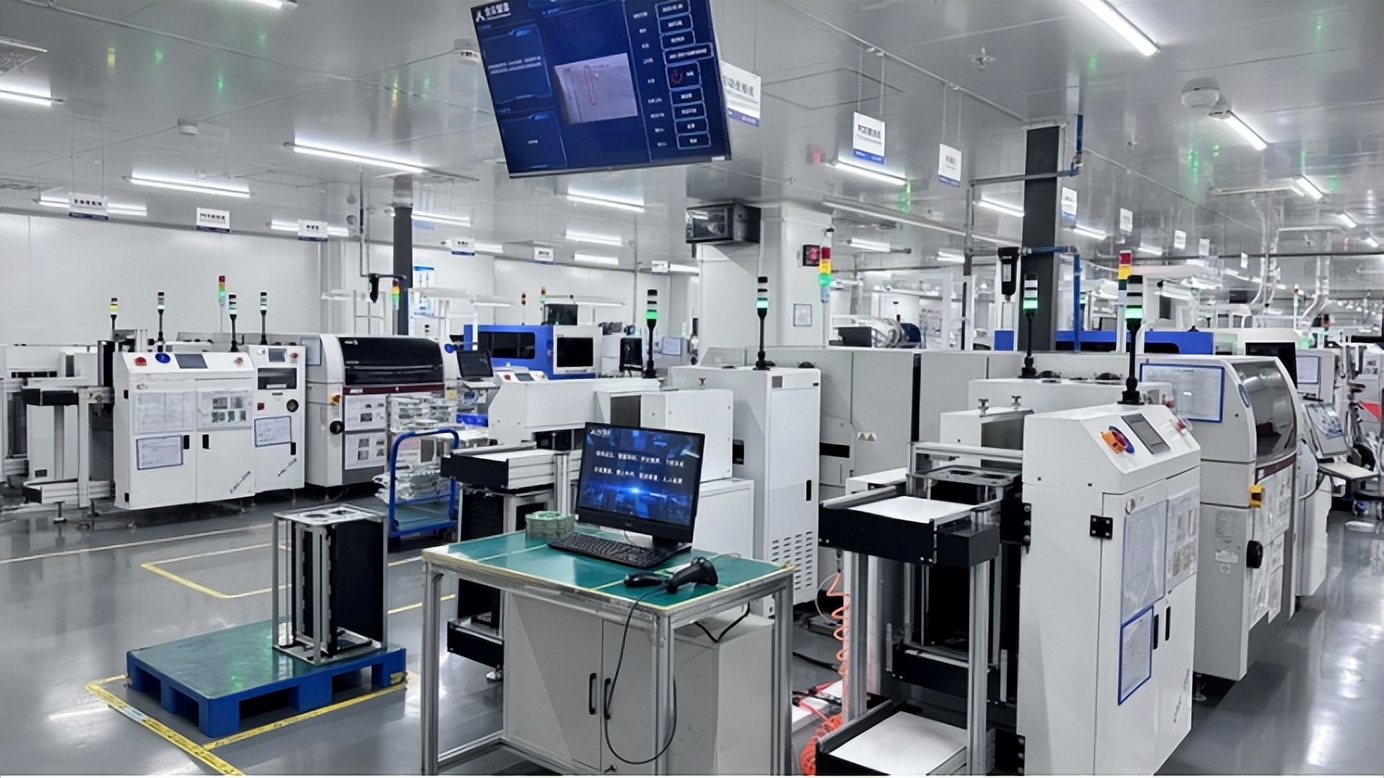
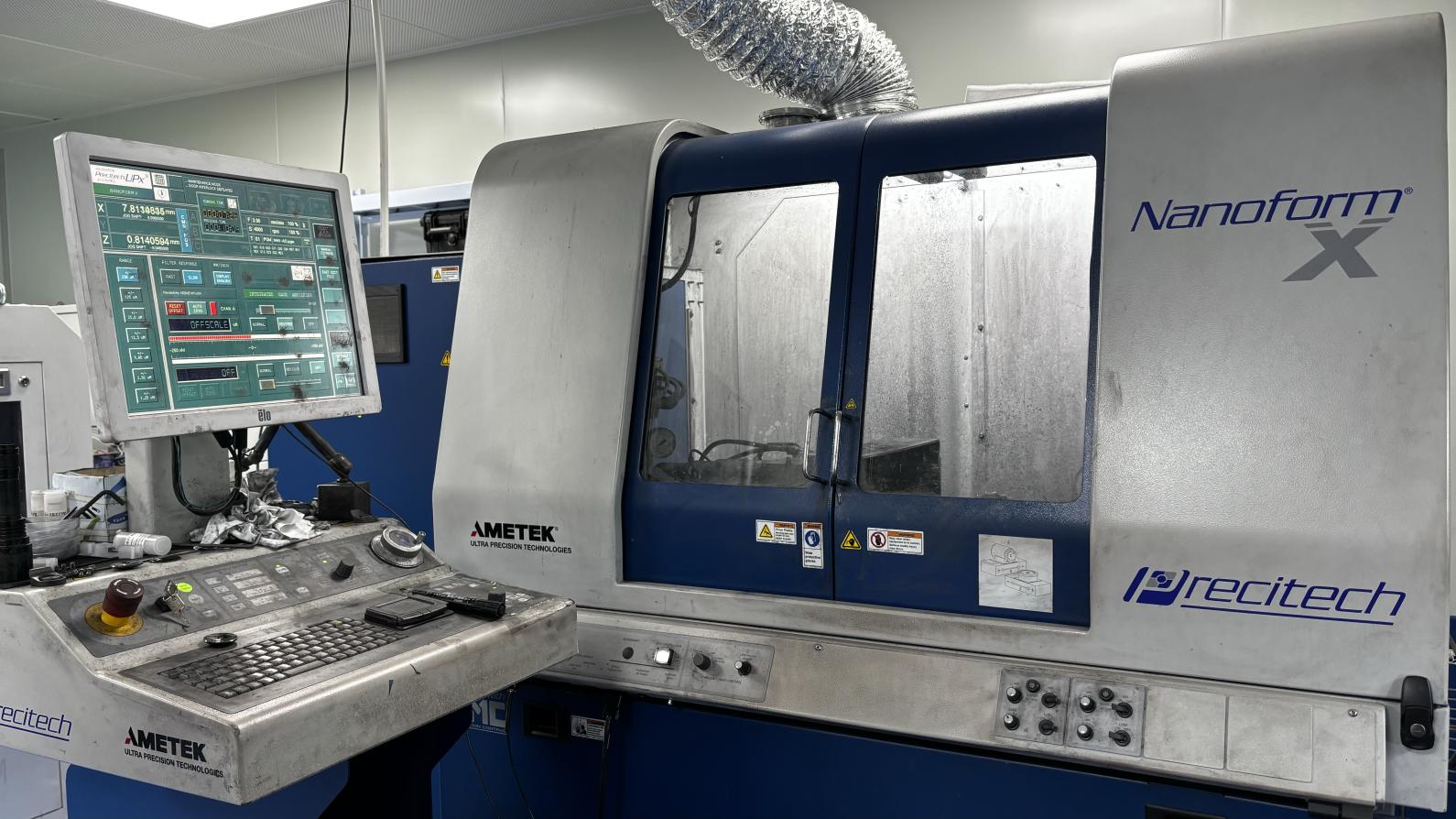
Operating a specialized 320㎡ cleanroom environment dedicated to final performance verification, automated optical validation, and component tuning.
Our quality control staff of 42 professionals enforces ISO 9001 and internal reliability standards using automated eye diagram analysis and thermal aging chambers.
Complete control over optical parameters. We support wavelength tuning, distance adjustments, vendor-specific firmware programming, and custom packaging designs.
Damascus features a dense urban core bordered by rapidly expanding municipal zones. High-speed transceivers are critical in several localized network layers:
Damascus experiences severe temperature variations, with summer temperatures often exceeding 40°C in outdoor enclosures. Under these conditions, standard commercial optical modules can experience thermal runaway, leading to laser degradation and high Bit Error Rates (BER).
Transolix addresses these environmental factors by engineering modules with industrial-grade operating temperatures (-40°C to +85°C) and implementing advanced heatsink casings and optimized power consumption designs. By lowering the average power dissipation (e.g., keeping 400G QSFP-DD modules under 12W and 100G QSFP28 modules under 3.5W), we minimize thermal strain on carrier switches, ensuring continuous operation even during local grid and cooling interruptions.
Our robust supply chain ecosystem leverages over 860 certified upstream suppliers. This ensures that critical components, such as distributed feedback (DFB) lasers, electro-absorption modulated lasers (EML), photodetectors, and digital signal processors (DSP), are sourced from tier-one manufacturers. Our automated optical validation process monitors key metrics including laser optical power, side-mode suppression ratio (SMSR), extinction ratio, and receiver sensitivity, certifying that every transceiver delivered to Damascus conforms to international standards.
Designed to support diverse configurations, distance criteria, and media types across Damascus infrastructure projects.
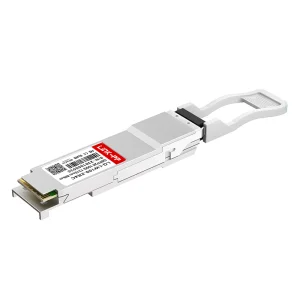
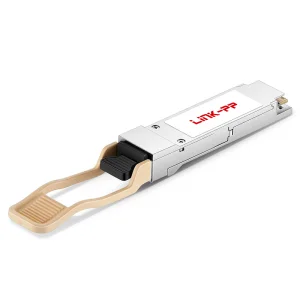
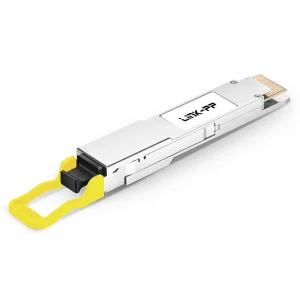
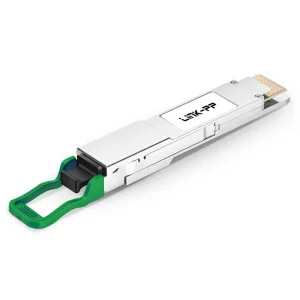
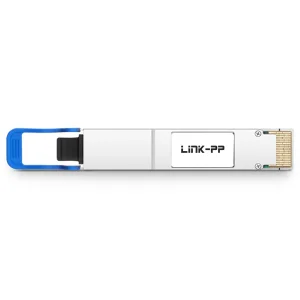
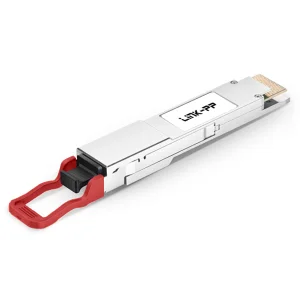
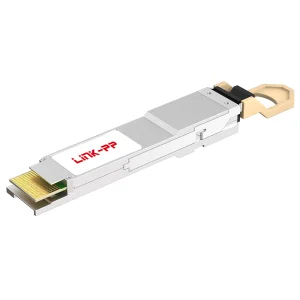
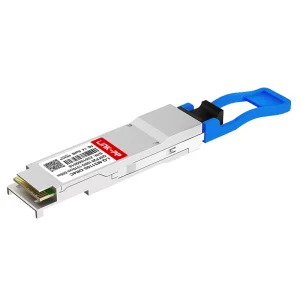
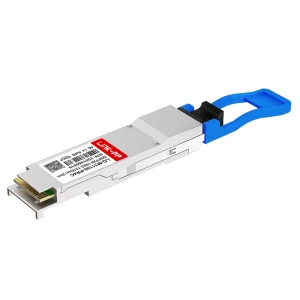
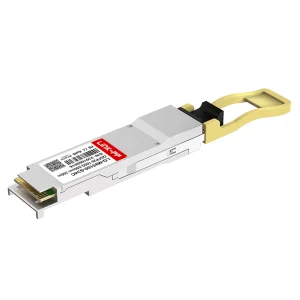
As network architectures scale, physical space inside central exchanges and thermal performance become critical limiters. Integrating transceivers based on different form factors (QSFP28, QSFP56, QSFP-DD) must be guided by clean technical roadmaps:
100G (QSFP28): Representing the current workhorse of municipal and regional networks, 100G modules are cost-optimized. For local connections under 100m, multi-mode fiber (MMF) solutions using MPO connectors are typical, whereas single-mode fibers (SMF) run LR4 (10km), ER4 (40km), or ZR4 (80km) protocols to bridge the geographic distance between urban Damascus and outlying agricultural or administrative centers.
200G (QSFP56) & 400G (QSFP-DD): These standards utilize PAM4 (Pulse Amplitude Modulation 4-Level) signal encoding rather than traditional NRZ (Non-Return-to-Zero). By encoding two bits per baud, PAM4 doubles the bandwidth over physical layouts without requiring double the optical fiber infrastructure. QSFP-DD (Quad Small Form-factor Pluggable Double Density) achieves 400G capacity by utilizing an 8-lane electrical interface.
Coherent Optics Migration: For long-haul links connecting Damascus to coastal ports (e.g., Latakia) or regional partners, traditional intensity-modulated direct detection (IM-DD) reaches its physical limits. Next-generation systems are transitioning to Coherent optics, leveraging phase modulation and polarization multiplexing alongside integrated DSPs to eliminate the need for chromatic dispersion compensation components.
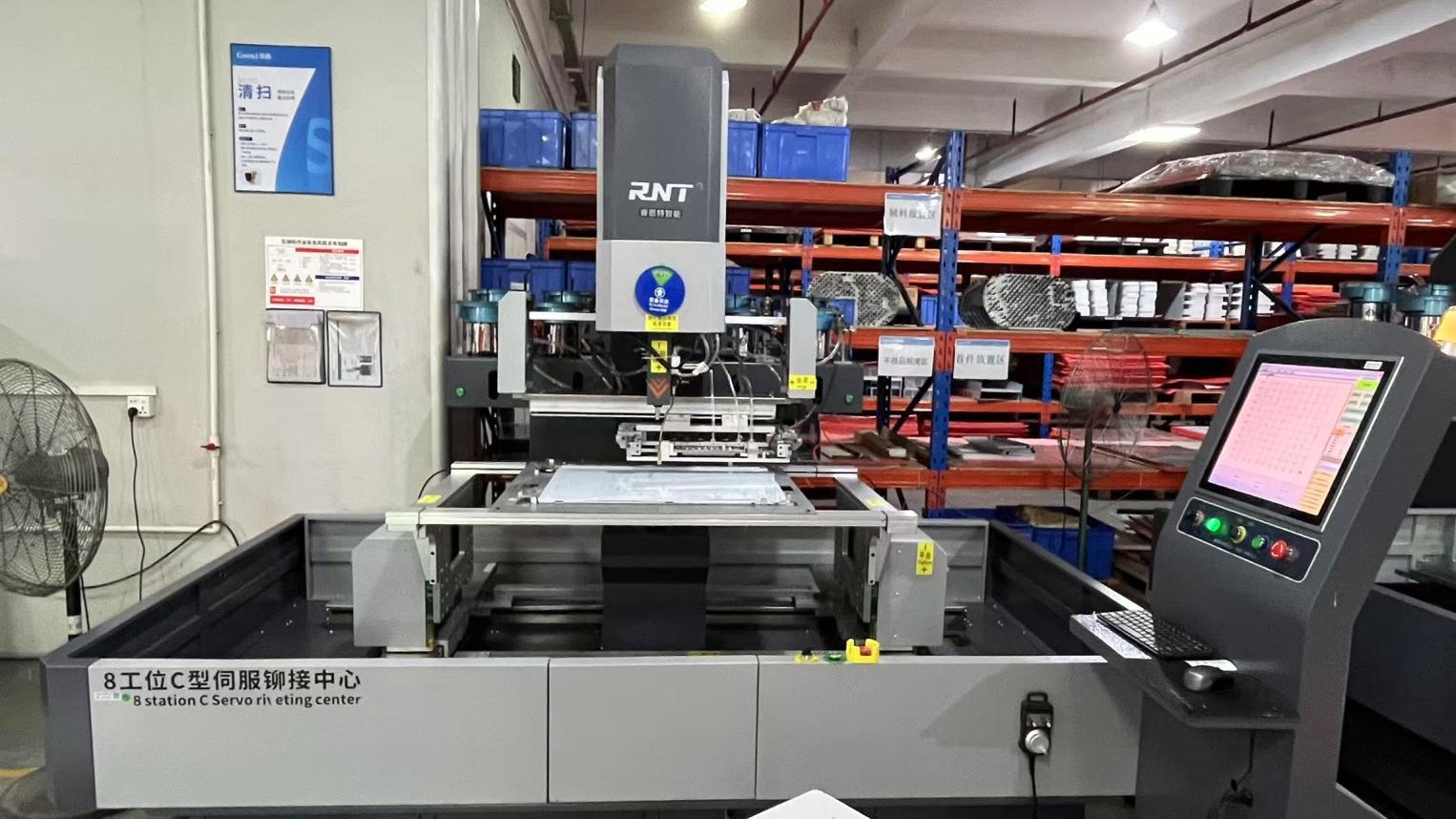
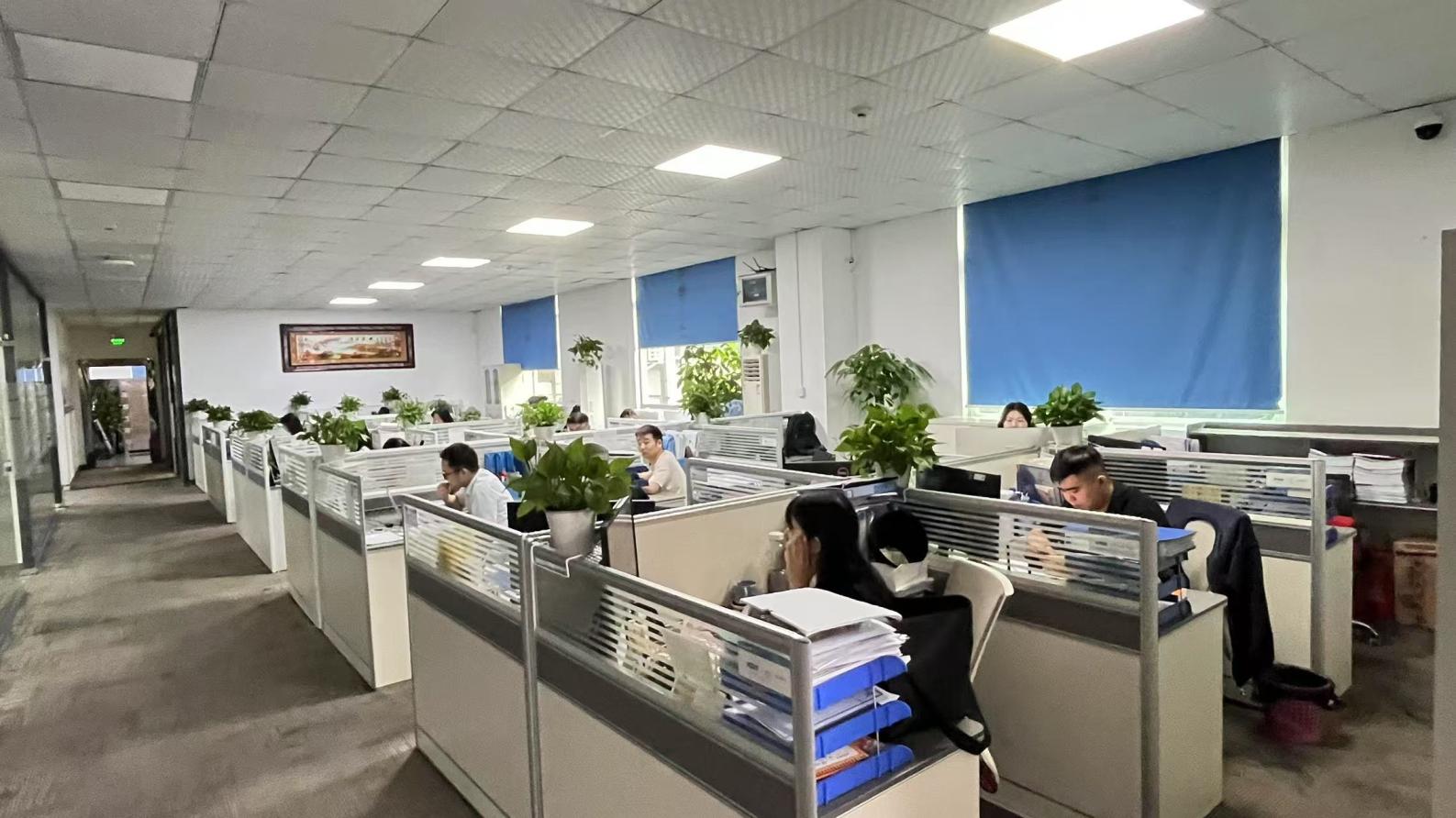
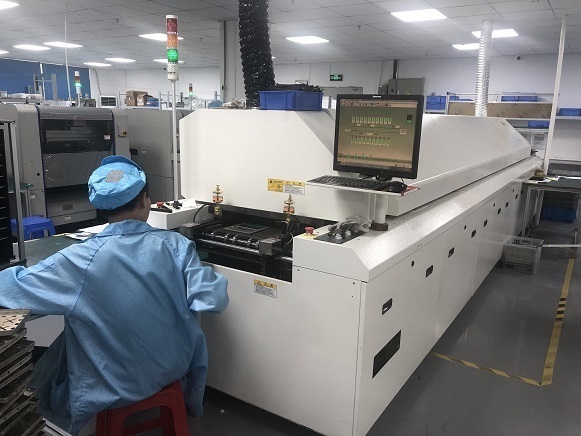
Inside Transolix’s manufacturing, quality testing, and reliability verification facilities.

Expert answers addressing deployment, specification customization, and compatibility for Damascus networks.
Get in touch with our engineering and sales teams to request a quotation, verify switch compatibility, or receive technical datasheets custom-tailored for Damascus deployments.
Send Inquiry Now Transolix