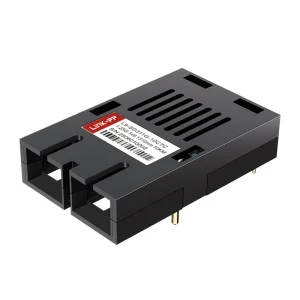
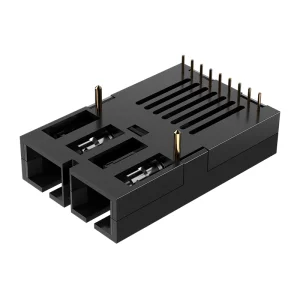
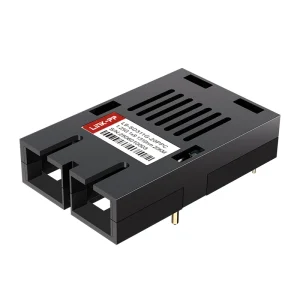
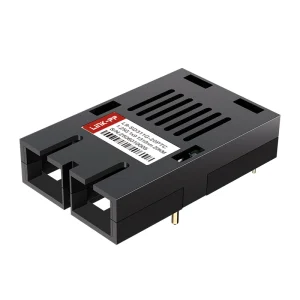
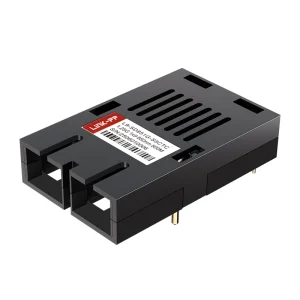
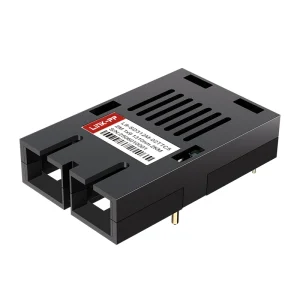
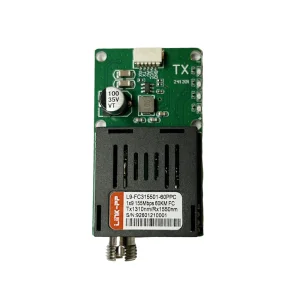
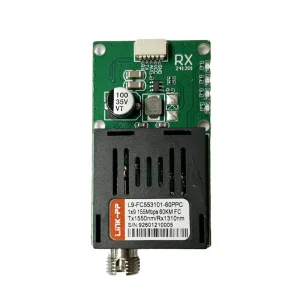
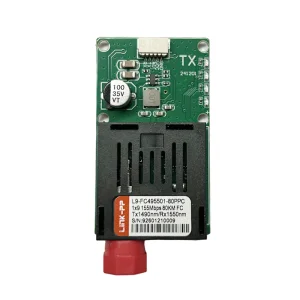
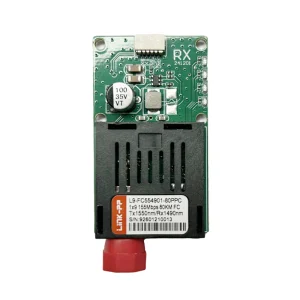
Highly durable, single-row 9-pin optical transceivers engineered for harsh electromagnetic conditions, transit signaling, and legacy terminal interfaces.
The Greater Boston area, stretching from the Kendall Square biotechnology cluster to the high-tech defense and industrial fabrication corridor along Route 128, represents a unique nexus of legacy infrastructure and cutting-edge automation. In this market, structural reliability is paramount. While modern data centers rely heavily on hot-pluggable form factors like SFP+ and QSFP28, critical industrial sectors—including municipal rail signaling (such as MBTA modernization projects), regional power substations, maritime monitoring arrays in Boston Harbor, and localized medical equipment manufacturing—continue to mandate the use of 1x9 optical transceivers.
Why does a form factor introduced decades ago remain irreplaceable in Boston’s industrial architecture? The answer lies in structural mechanics and electrical reliability. 1x9 transceivers utilize a single row of nine pins that are soldered directly to the host printed circuit board (PCB) via Through-Hole Technology (THT). Unlike pluggable cages (SFP) which are susceptible to vibration-induced contact degradation, thermal cycling strain, and oxidation in harsh coastal climates, a soldered 1x9 interface offers unrivaled physical resilience. In applications where system downtime could result in municipal transit halts or medical device failures, the 1x9 package stands as the gold standard of reliability.
Boston's high humidity, coastal saline mist, and severe seasonal temperature swings subject electronic hardware to intense physical stress. Transolix’s 1x9 optical modules feature conformal coating options and extended industrial temperature tolerances (-40°C to +85°C) to withstand the environmental challenges unique to New England installations.
Globally, the market for 1x9 optical transceivers is driven by two parallel trends: the maintenance of critical national infrastructure and the global expansion of industrial automation. While standard commercial transceivers evolve rapidly to satisfy bandwidth-hungry AI clusters, the global manufacturing, energy, and defense sectors require component stability. Upgrading a municipal transit grid or an electric utility substation is a multi-decade capital project. Re-laying entire backplane structures to fit pluggable SFP cages is cost-prohibitive. Consequently, the demand for high-reliability, long-lifecycle 1x9 transceivers remains robust.
Transolix bridges the gap between legacy form factors and modern fiber performance. By integrating advanced semiconductor lasers and modern optical sub-assemblies (OSA) into the legacy 1x9 pinning footprint, we enable system integrators to scale speeds up to 1.25Gbps (Gigabit Ethernet) while keeping their reliable, field-tested PCB baseboards. This prevents premature equipment obsolescence and offers massive capital savings to municipalities and enterprises alike.
Designing high-reliability 1x9 modules demands deep expertise in optoelectronics and RF board layout. Signal integrity must be preserved even within tight electrical footprints. Our 1.25G and 155M modules are engineered with high-sensitivity InGaAs PIN-PD (photodetectors) and high-performance FP or DFB lasers, ensuring optimal link margins across varying fiber lengths.
Our product line includes options for both Single Mode (SMF) and Multimode (MMF) fibers. Our BiDi (Bidirectional) transceivers utilize Wavelength Division Multiplexing (WDM) to transmit and receive signals over a single fiber strand (typically pairing 1310nm/1550nm or 1490nm/1550nm). This single-fiber duplexing reduces cable infrastructure overhead by 50%—an ideal solution for dense municipal conduits in historic cities like Boston, where routing new fiber cables through congested underground ducts is structurally difficult and expensive.
For defense contractors, federal installations, and municipal projects in Massachusetts, compliance is not negotiable. All Transolix 1x9 transceivers are subject to strict QA protocols designed to meet and exceed global reliability criteria.
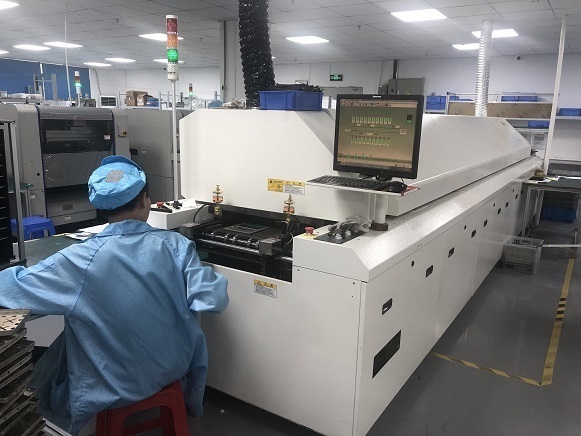
Every single batch produced at our ISO 9001-certified facility undergoes automated optical testing, eye diagram analysis, and thermal aging tests. Our manufacturing facilities implement a rigorous 100% final testing policy. We verify bit error rate margins and optical eye compliance across the entire operating temperature spectrum before shipment, mitigating the risk of field failures in critical public transit, utilities, and emergency communication systems.
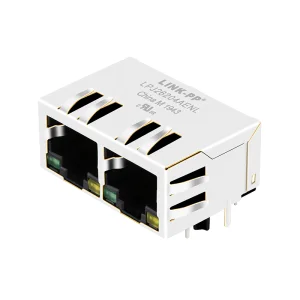
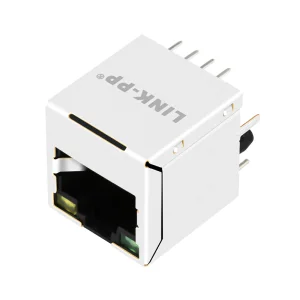
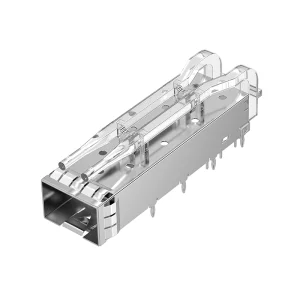
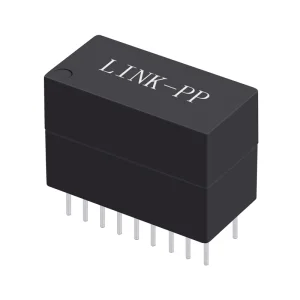
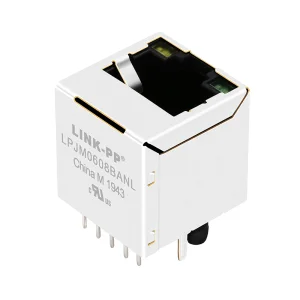
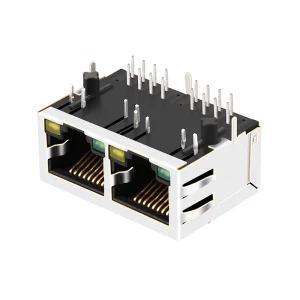
Essential magnetic components, structural cages, and high-performance network sockets to complete industrial communication architectures.
To understand the true utility of Transolix 1x9 transceivers, it is useful to look at practical deployment environments within the local New England ecosystem:
In historic transit networks like the MBTA (Massachusetts Bay Transportation Authority), signaling cabins located in underground tunnels are subject to continuous brake dust contamination, extreme humidity fluctuation, and violent physical vibrations from passing train sets. Under these conditions, typical hot-pluggable SFP transceivers tend to wiggle out of alignment or suffer contact erosion.
By utilizing Transolix’s Single Mode 155M BiDi 1310nm-Tx/1550nm-Rx 60km Air/Ground TTL 1x9 Optical Transceivers, engineers have successfully upgraded legacy copper lines to single-fiber optical loops. These modules are soldered directly to local PLC controller blocks, delivering vibration-immune, noise-free ethernet transport over long tunnels.
Oceanographic observation grids and harbor control sensors deployed by regional universities and marine authorities monitor water temperature, pollution, and wave heights. These buoy-based systems route data through solar-powered control nodes back to harbor hubs. Because space and power are highly limited, single-strand optical BiDi modules are crucial.
Our 80km-range BiDi 1x9 transceivers have been integrated into shore-facing terminal units. The low power consumption of the 1x9 module combined with long-distance transmission without intermediate repeaters makes these systems incredibly resilient, functioning reliably during severe winter storms.
Beyond municipal and research applications, modern medical systems manufactured in Greater Boston utilize 1x9 optical interfaces. Magnetic Resonance Imaging (MRI) and Computed Tomography (CT) systems generate intense electromagnetic fields. By utilizing our EMI-shielded 1x9 fiber optic interfaces rather than copper connections, manufacturers prevent high-frequency image artifacts, maintaining clean diagnostic telemetry.
The technology path of the 1x9 module continues to evolve. While newer high-speed, hot-pluggable modules dominate hyperscale cloud datacenters, the 1x9 transceiver is being enhanced with several modern features:
High-reliability, extended distance BiDi transceivers and high-performance network sockets to finish your deployments.
Read detailed responses from our senior RF and optoelectronics engineering staff about the implementation, design, and integration of 1x9 transceivers.
Connect with our Boston-area field application engineers and global supply chain coordinators. We support custom wavelengths, pinning configurations, and specialized housing options.
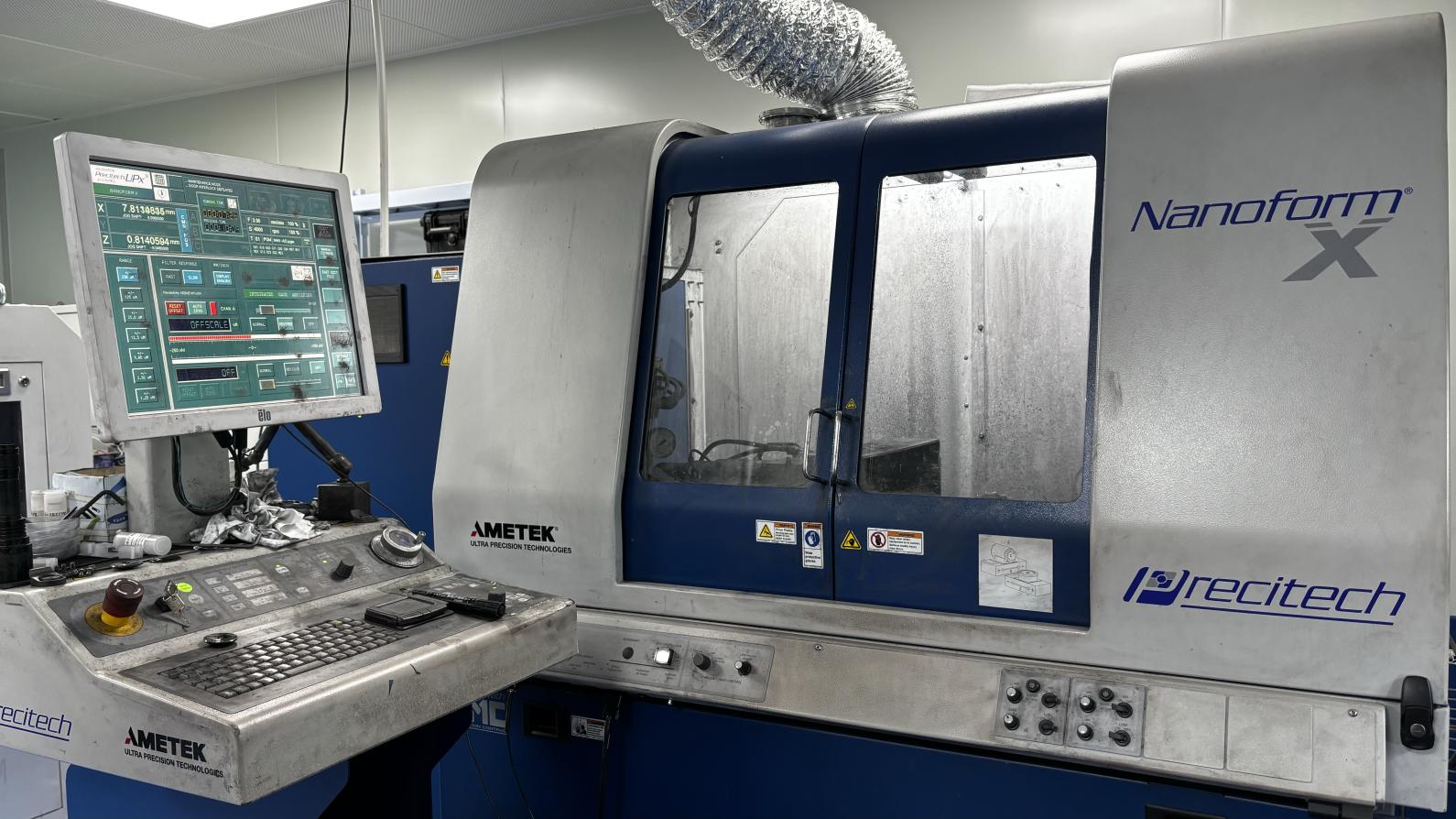
Send Inquiry NowOur micro-assembly facility features cleanrooms, automated optical testing labs, and environmental simulation chambers.




 Transolix