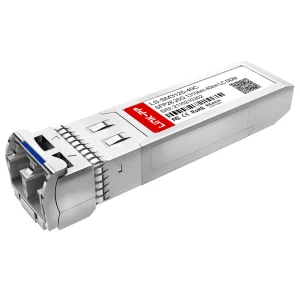
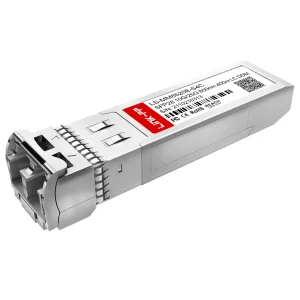
Optimized optical modules for ultra-low latency configurations, fully compatible with Ericsson, Cisco, and major Nordic telecom platforms.
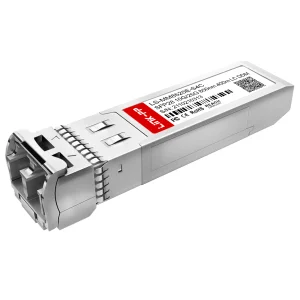
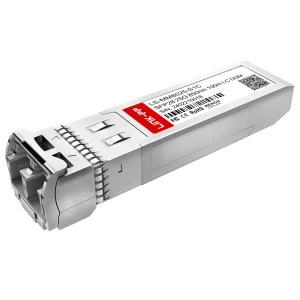
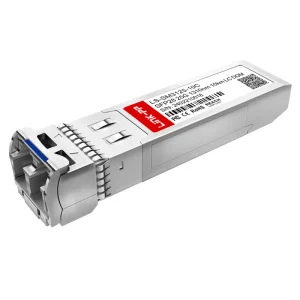
Sweden has firmly established itself as a world-leading hub for sustainable, hyper-scale digital infrastructure. Bolstered by low-cost, renewable hydroelectricity in the northern sub-Arctic regions (the "Node Pole") and highly advanced municipal fiber networks (Stadsnät), Swedish data centers demand optical interconnects of the highest energy efficiency and reliability. The transition from legacy 10G topologies to 25G Ethernet and 32G Fibre Channel (FC) is critical to support the explosive growth of local cloud platforms, IoT industrial applications, and the nationwide rolling out of 5G RAN networks spearheaded by Ericsson.
As the country strives toward carbon neutrality, the energy-to-throughput ratio of transceivers has become a key procurement parameter. Deploying 25G SFP28 interfaces provides a direct migration path to high-speed networks, leveraging existing fiber routing without increasing the heat signature or power footprint of traditional multi-fiber configurations. This alignment with eco-efficiency targets, combined with strict uptime SLAs, is shaping Sweden's purchasing criteria for high-precision components.
From Luleå to Boden, large-scale colocation centers host critical workloads for global enterprises. Under Sweden's strict climate disclosure laws, operators must calculate the exact PUE (Power Usage Effectiveness) down to the module level. Our 25G/32G SFP28 units employ advanced low-draw optoelectronic architectures that consume less than 1.0 Watt per module, offering Swedish system integrators a verifiable competitive advantage in sustainable network provisioning.
An engineering overview of performance parameters, modulation profiles, and optical interfaces for modern networking architectures.
The SFP28 (Small Form-Factor Pluggable 28) platform is the standardized housing mechanism for both 25G Ethernet and 32G Fibre Channel applications. Though they utilize the same mechanical dimensions, the underlying optical signaling, clock data recovery (CDR), and error-correction protocols differ to suit either standard package telecom requirements or high-throughput storage area networks (SANs).
| Parameters | 25G Ethernet SFP28 | 32G Fibre Channel (FC) SFP28 |
|---|---|---|
| Standard Line Rate | 25.78 Gbps | 28.05 Gbps |
| Encoding Format | 64b/66b (NRZ Modulation) | 256b/257b Transcoding (NRZ Modulation) |
| Typical Protocols | IEEE 802.3by, IEEE 802.3cc | FC-PI-6 (Fibre Channel Architecture) |
| FEC Support | Base-R FEC / RS-FEC (optional depending on distance) | Transmitter FEC mandatory internally |
| Optical Source Options | VCSEL (850nm), DFB (1310nm), EML (CWDM/DWDM) | VCSEL (850nm), DFB (1310nm) |
| Max Reach Capacity | Up to 40km (ER) / 80km (ZR custom configurations) | Typically up to 10km (SMF) for SAN fabrics |
Laser Source Optimization: For shorter runs (typically up to 100 meters on OM4 multimode fiber), a vertical-cavity surface-emitting laser (VCSEL) provides a highly cost-efficient solution. For metro networks and inter-site replication in municipal zones, Distributed Feedback (DFB) and Electro-absorption Modulated Lasers (EML) are utilized to handle dispersion over distances spanning 10km to 40km with high spectral purity.
How vertical integration, precision manufacturing systems, and rigorous quality inspection insulate Swedish operations from supply chain delays.
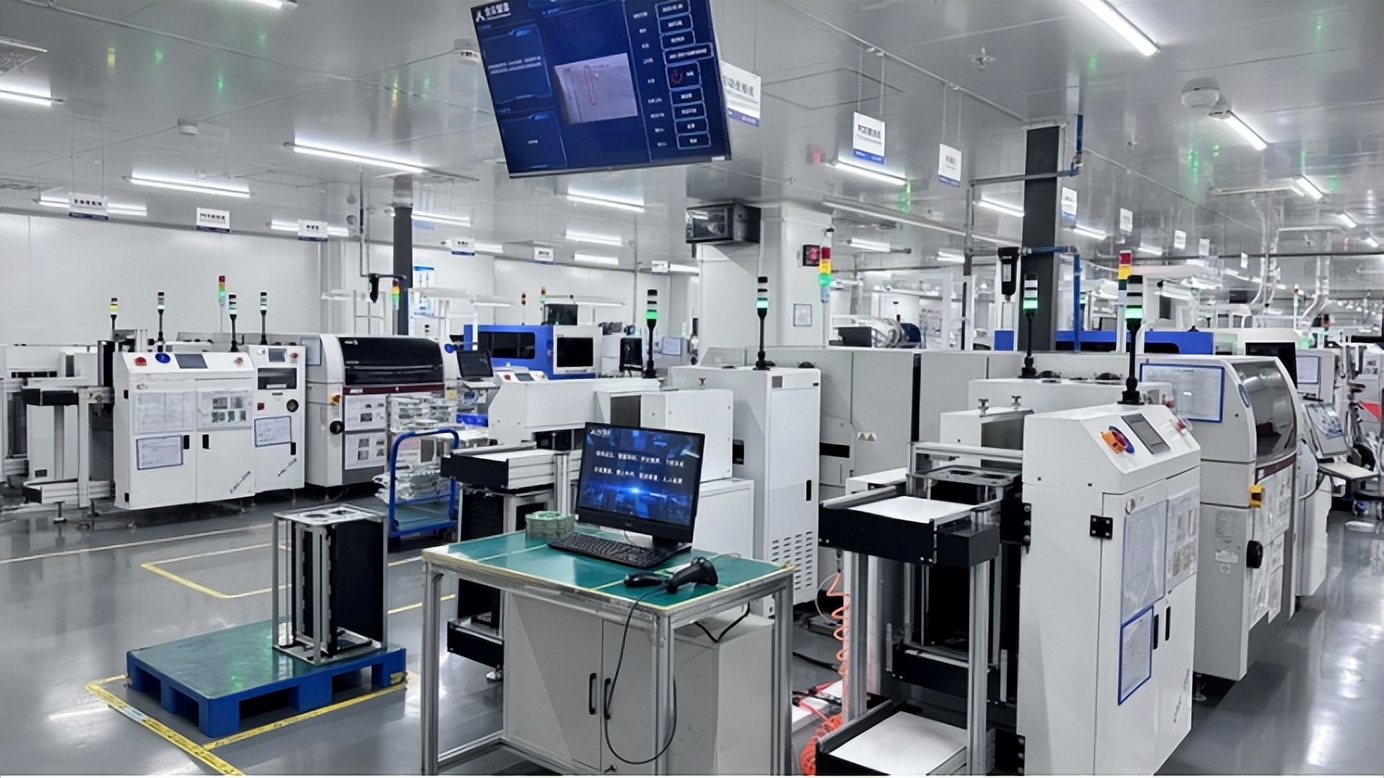
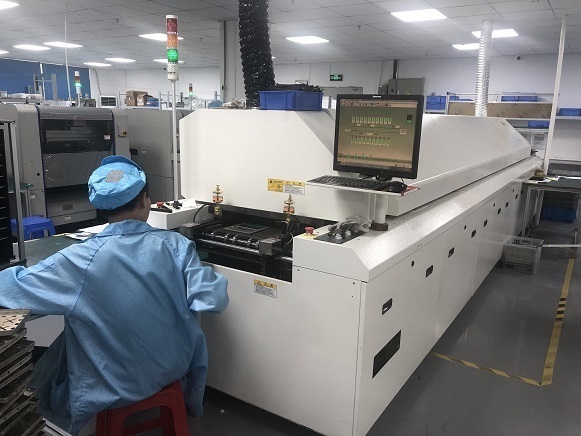
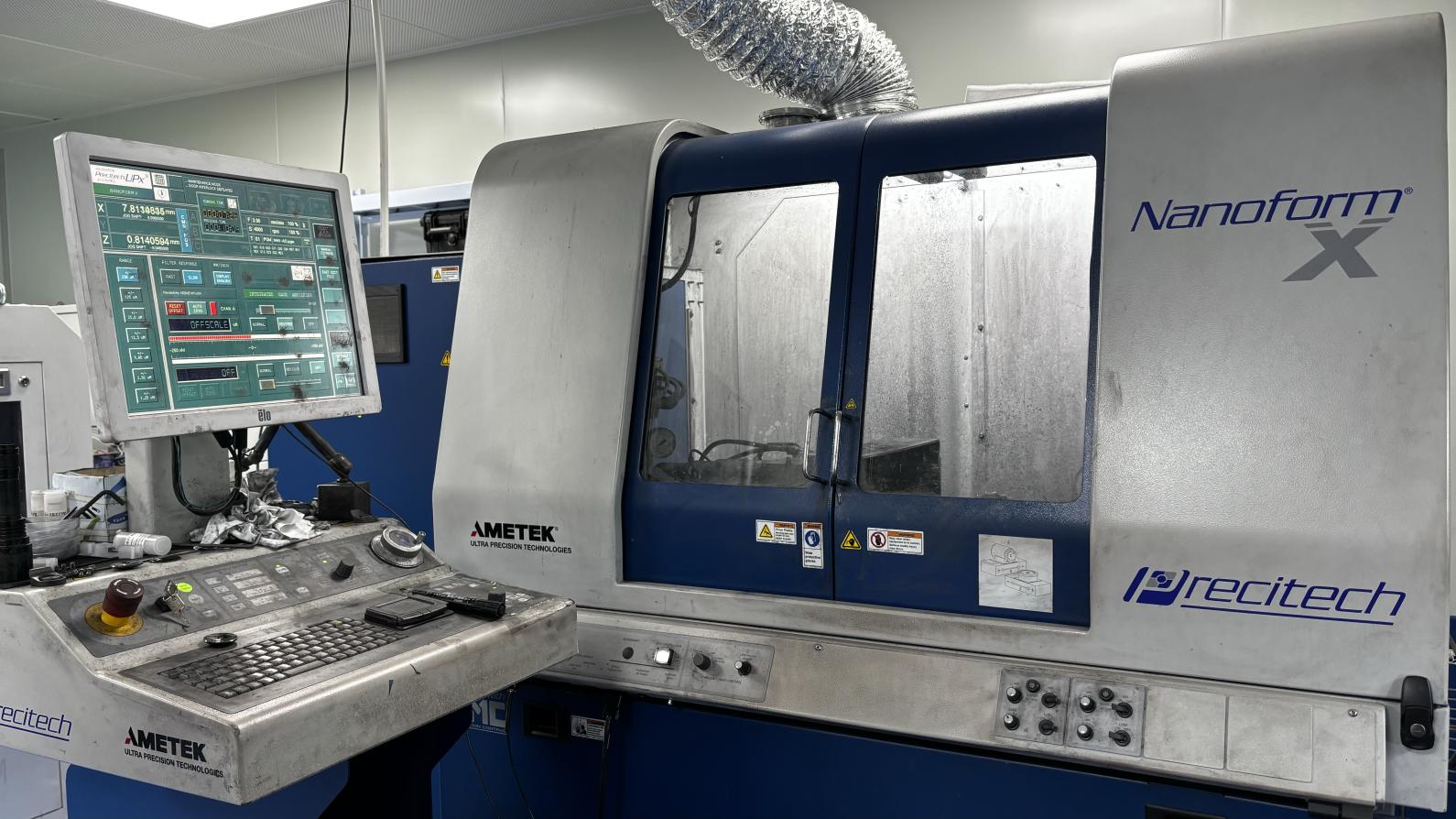
Operating a high-yield optical transceiver manufacturing facility requires deep control over the entire component assembly ecosystem. Transolix utilizes Factory 4.0 smart manufacturing principles to orchestrate complex optical-to-electrical calibration steps. Our production lines feature automated optical alignment stations, real-time eye-diagram telemetry acquisition, and multi-stage environmental stress screening to guarantee long-term field stability.
By cultivating strategic relationships with 860 certified upstream raw material suppliers, Transolix maintains a secure reserve of high-speed semiconductor lasers, photodiode arrays, and advanced clock-and-data recovery (CDR) chipsets. This structural resilience allows us to mitigate macro-economic disruptions, offering consistent lead times and cost efficiency directly to Swedish importers, telecom sub-contractors, and enterprise procurement divisions.
Comprehensive Qualification Infrastructure:
Translating technology to actual deployment environments across Sweden's infrastructure landscape.
Northern Swedish cities like Luleå and Skellefteå leverage hydro-generated energy to power massive server farms. In these layouts, 25G SFP28 SR/LR transceivers act as the high-speed workhorse connecting core switches to Top-of-Rack (ToR) frameworks. Minimizing thermal output and power consumption is paramount here to maintain optimal energy-saving credentials.
Sweden's decentralized local fiber infrastructure relies on long-reach transport networks connecting regional municipal regions. 25G BiDi (Bidirectional) SFP28 modules and 25G DWDM/CWDM wavelength-multiplexed optics double bandwidth potential over single-strand fiber setups, avoiding costly fiber recabling projects between municipalities.
Swedish telecommunication infrastructure operators utilize 25G SFP28 transceivers for eCPRI (Enhanced Common Public Radio Interface) data transmission between Baseband Units (BBUs) and Remote Radio Heads (RRHs). This architecture enables the low latency and high bandwidth profiles required by 5G applications.
Essential insights covering compatibility, custom compliance standards, shipping logistics, and tax setups for Swedish buyers.
Browse our wide-ranging portfolio of long-reach single mode, multi-channel wavelength, and dual-rate transceivers compatible with Swedish networks.
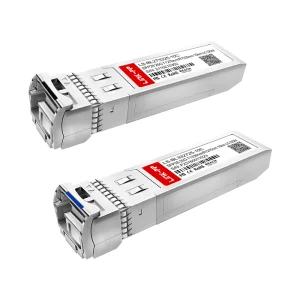
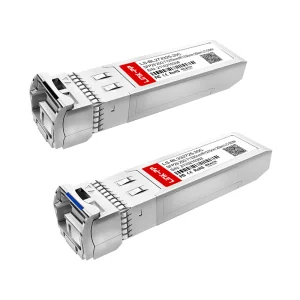
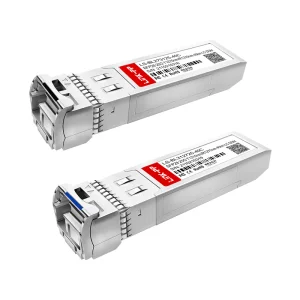
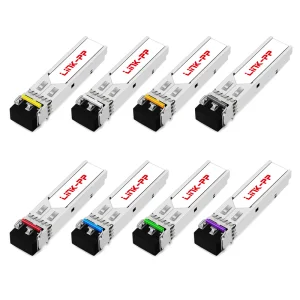
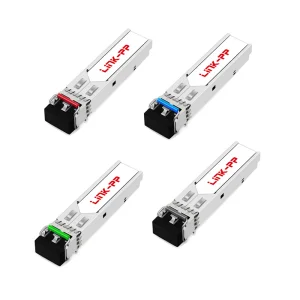
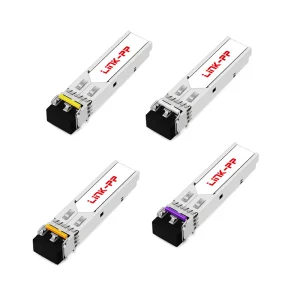
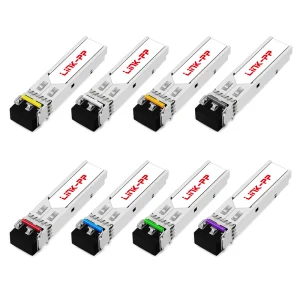
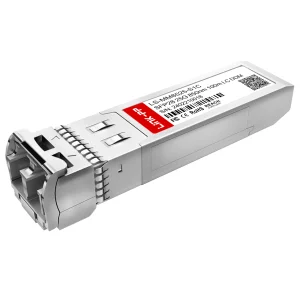
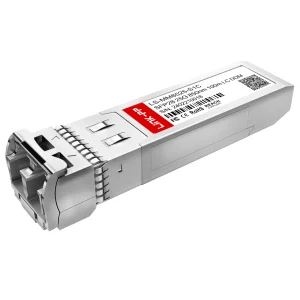
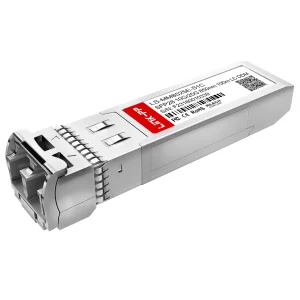
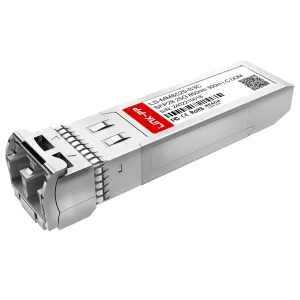
Transolix is a professional optical transceiver manufacturer specializing in high-performance fiber optic communication solutions for global data centers, telecom operators, and enterprise networks. With strong engineering capabilities and scalable production capacity, Transolix is committed to delivering reliable, high-speed, and cost-effective optical connectivity products worldwide.
We focus on continuous innovation in optical interconnect technology, offering a full range of products including SFP, SFP+, QSFP28, QSFP-DD, and emerging high-speed optical transceiver solutions for next-generation networks.
| Registration Date | 2016 |
| Industrial Building Area | 320㎡ |
| Annual Export Revenue | USD 8–15 million |
| Export Experience | 6 Years |
| Industry Seniority | 11 Years |
| Quality Inspection Standards | ISO 9001 & internal reliability standards |
| Traceability Methods | Automated optical testing, eye diagram analysis, aging tests, 100% performance verification |
| Principal Customer Segments | Telecom operators, cloud service providers, data center integrators, OEM/ODM partners |
A glimpse into Transolix's quality control, automated calibration systems, and cleanroom environments.



Seeking custom wavelength configurations, specific vendor compatibility, or special price structures for Swedish infrastructure deployment?
Send Inquiry Now Transolix