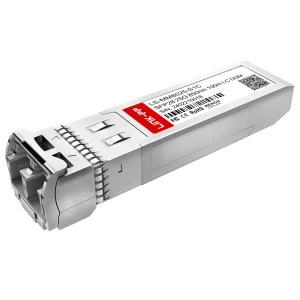
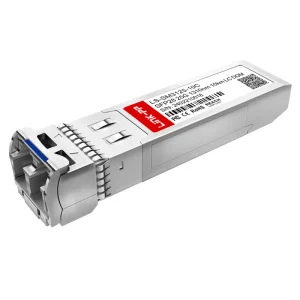
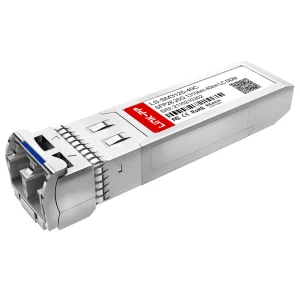
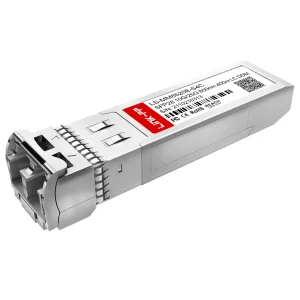
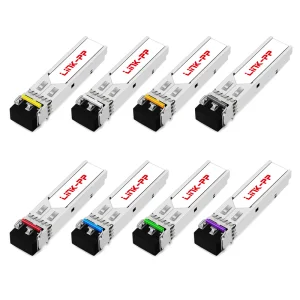
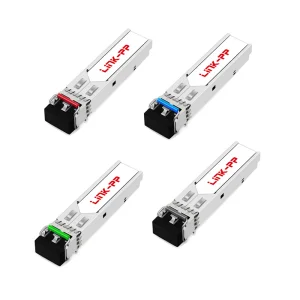
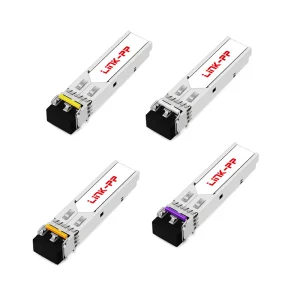
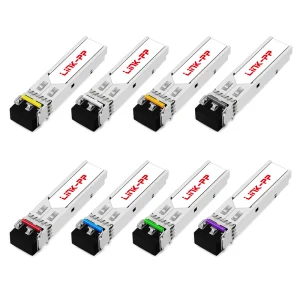
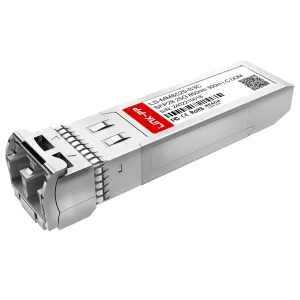
Highly compatible, rigorously validated, and optimized for immediate deployment in the Greater Toronto Area (GTA).
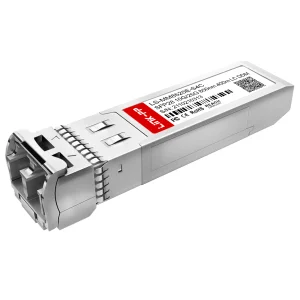
As North America’s third-largest technology hub, the Greater Toronto Area (GTA)—comprising downtown carrier hotels like 151 Front Street West alongside primary hyperscale sub-markets in Vaughan, Markham, and Mississauga—presents an insatiable demand for network bandwidth. Upgrading from legacy 10G infrastructures to 25G SFP28 and 32G Fibre Channel modules has transitioned from a future-proofing decision to an immediate operational necessity.
Modern clouds, regional financial networks on Bay Street, and growing artificial intelligence compute farms require low-latency transmission channels. The 25G SFP28 form factor provides an optimal, cost-efficient intermediate pathway. It uses the exact physical footprint of legacy SFP+ while delivering 2.5 times the data throughput, saving enterprises from expensive chassis overhauls and massive rack layout re-configurations.
Whether routing critical data through Metro Ethernet rings or linking multi-tenant data centers, locating a manufacturing partner with a resilient supply chain and high-quality optical testing is essential for telecom procurement managers in Canada.
Ensure long-term reliability and compatibility with major switch architectures using our core optical standards checklist:
| Parameter | 25G SFP28 Spec | 32G FC Spec |
|---|---|---|
| Line Rate | 25.78 Gbps | 28.05 Gbps |
| Encoding | NRZ | NRZ |
| Interface | Electrical SFI | Fibre Channel |
| Power Draft | < 1.0W to 1.5W | < 1.5W |
A deep look into the transmitter and receiver design of high-reliability SFP28 components.
Our optical modules leverage premium transmitter designs to guarantee a low Bit Error Rate (BER) and a wide margin on optical eye diagrams. For short distances, Vertical-Cavity Surface-Emitting Lasers (VCSEL) operating at 850nm are deployed to ensure reliable multimode fiber propagation. For metro and long-haul links, Distributed Feedback (DFB) lasers and Electro-Absorption Modulated Lasers (EML) operating at 1310nm or within CWDM/DWDM spectral grids are utilized to mitigate chromatic dispersion across single-mode fiber links.
Operating a network in Toronto's variable climate conditions requires component reliability. All transceivers in our lineup feature standard-compliant Digital Diagnostics Monitoring interfaces (SFF-8472). System engineers can monitor optical transmit power, optical receive power, internal module temperature, laser bias current, and module supply voltage in real time. This capability enables remote engineers to predict link degradation before a packet-loss failure occurs.
A common friction point in telecom deployment is vendor lock-in. Our specialized EEPROM coding and compatibility testing verify that every module carries the exact target system handshake code. Our transceivers are validated for seamless deployment alongside equipment from major vendors: Cisco (IOS-XR, Nexus), Arista (EOS), Juniper (Junos), Dell, HPE, and Intel. This eliminates port lockout errors and ensures "plug-and-play" operation across heterogeneous networks.
Rigorously tested transceivers offering seamless integration with Cisco switches and routers in Toronto's corporate networks.
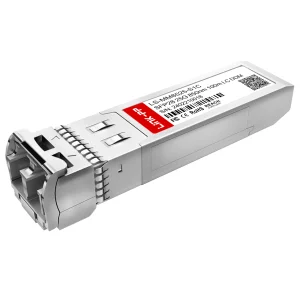
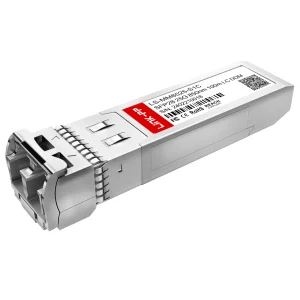
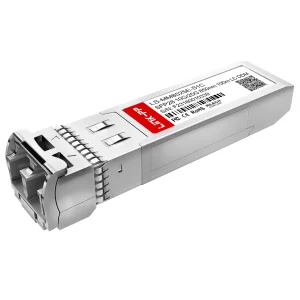
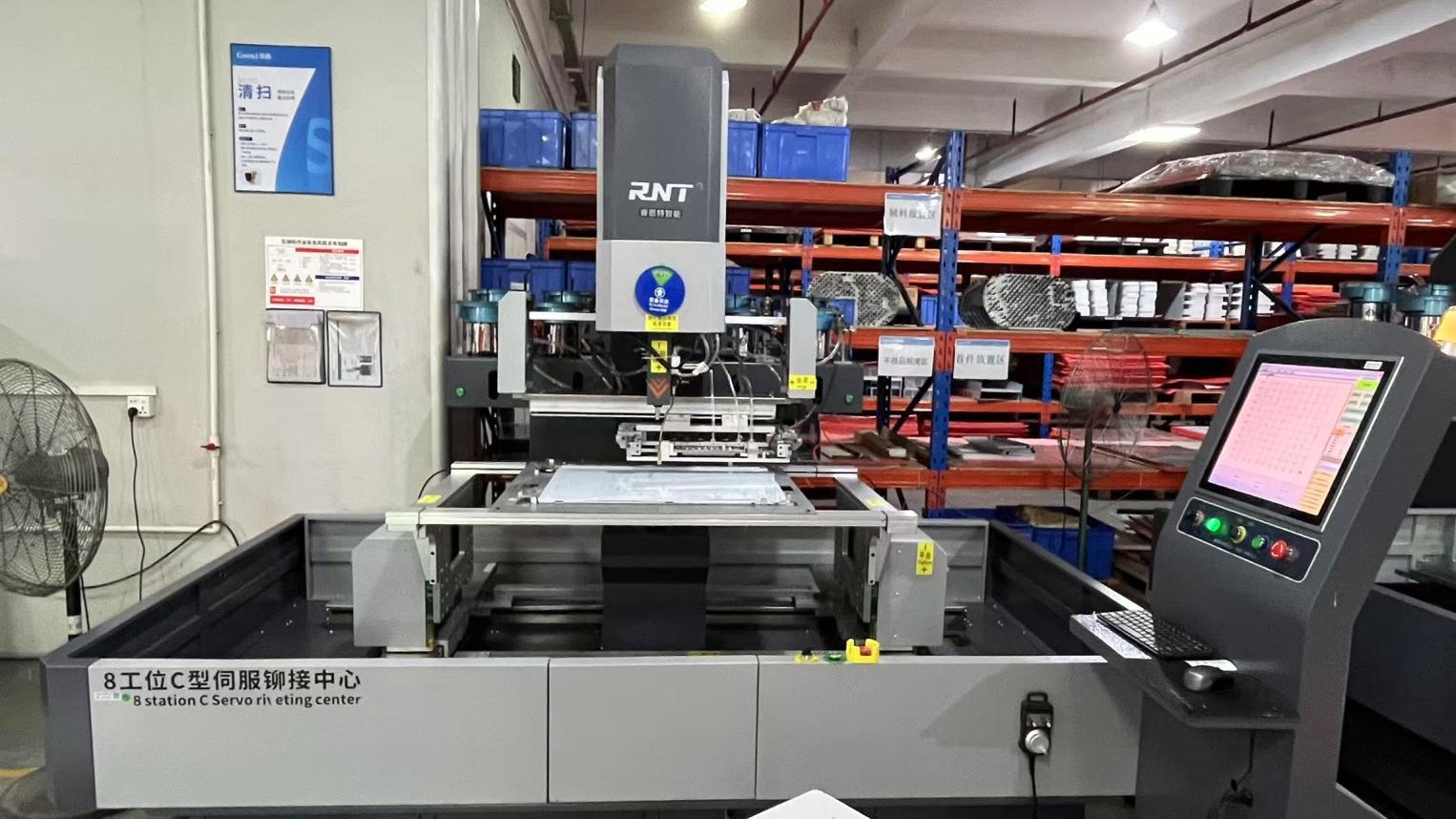
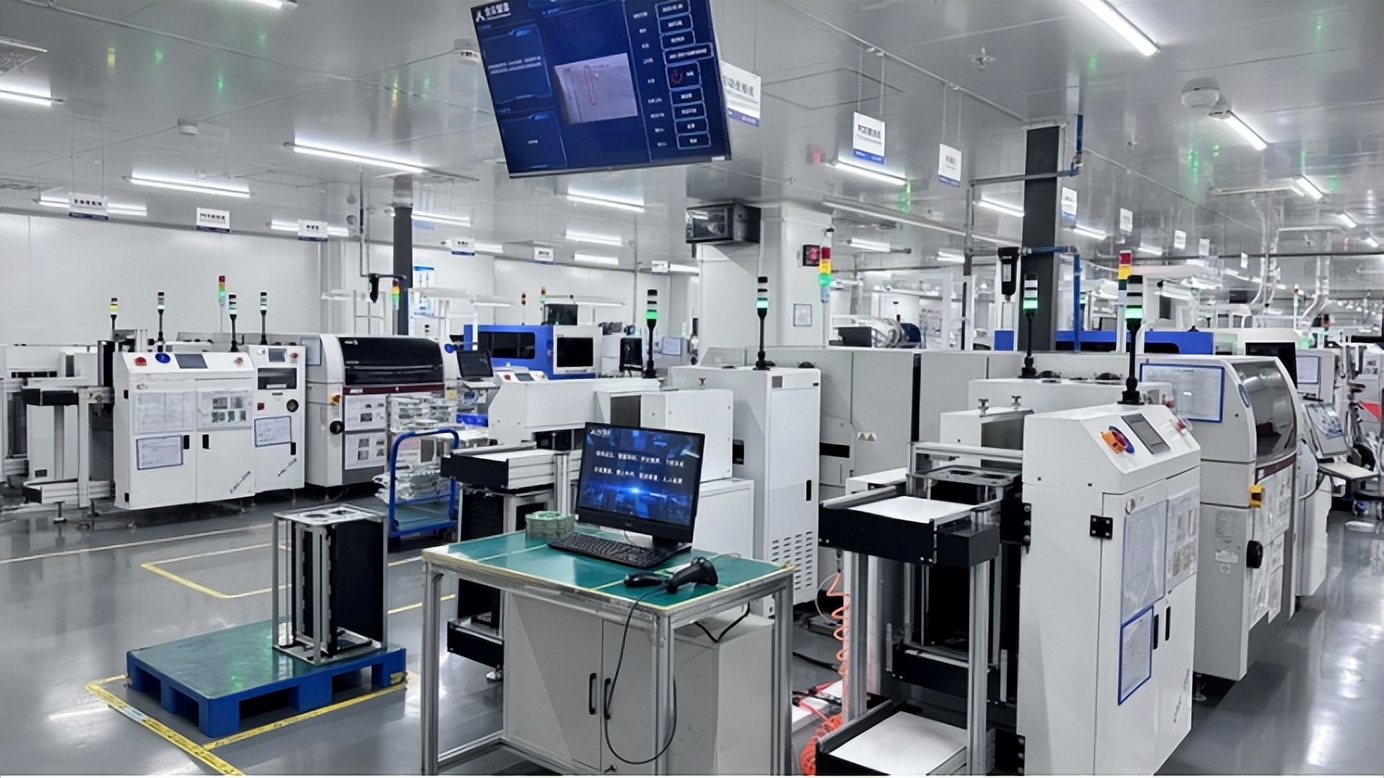
To support global network operators and Canadian IT departments, our manufacturing processes utilize advanced Factory 4.0 automation architectures. Our production facility integrates automated sub-micron optical alignment stations, robotic pick-and-place component systems, and computer-vision quality inspections. By eliminating manual manufacturing variation, we ensure consistent optical yields and lower cost structures.
Our supply chain strategy leverages a verified network of 860+ upstream component suppliers. We secure critical raw materials—ranging from high-speed optical sub-assemblies (TOSA/ROSA) to microcontroller ICs—ensuring predictable production lead times and mitigating chip shortages. This systematic supply control shields buyers from global supply disruptions, keeping project timelines secure.
For Canadian network integrators, this translates to stable component pricing, reliable delivery, and compliance with rigorous international performance standards.
Thermal chamber testing spanning commercial (0°C to 70°C) and industrial (-40°C to 85°C) limits.
Sub-micron automation structures align light paths to minimize return loss and maximize optical output margins.
Every unit undergoes verification in host switches to confirm DOM reporting and complete register compatibility.
A trusted global partner for high-speed fiber connectivity and scalable transceiver production.
Established in 2016, Transolix specializes in engineering and manufacturing high-performance optical transceivers for data centers, telecommunications networks, and enterprise networks worldwide. Operating a dedicated 320㎡ cleanroom testing and R&D lab, we align engineering expertise with flexible production structures to deliver reliable network interfaces. We manage the entire lifecycle of optical module development: from optoelectronic layout design to firmware customization and final compatibility testing.
ISO 9001 quality management standards combined with automated optical testing, eye diagram analysis, aging tests, and 100% final performance verification.
860 certified upstream suppliers covering core chipsets, laser diodes, photodetectors, optical lenses, and printed circuit board assemblies.
Broad physical and firmware customization options including target operating wavelengths, transmission distances, protocol encodings, and EEPROM hardware keys.
How Canadian network operators utilize 25G/32G SFP28 components to power regional services.
Providing low-latency storage area network (SAN) and compute-cluster connectivity for financial service operations and high-frequency trading sites located in Toronto's Downtown Financial District.
Supporting multi-gigabit expansion projects in key data center hubs in Vaughan and Markham, optimizing rack space and thermal profiles for large cloud deployments.
Supporting municipal infrastructure and edge fiber deployments. Providing reliable 25G BiDi (Bidirectional) connections across long distances using single-fiber configurations.
Select from our widely deployed optical transceivers. Click any model to view specifications and request a quote.
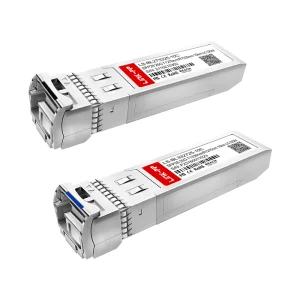
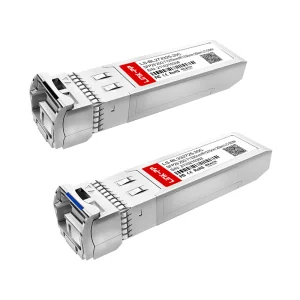
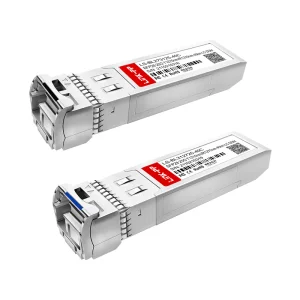
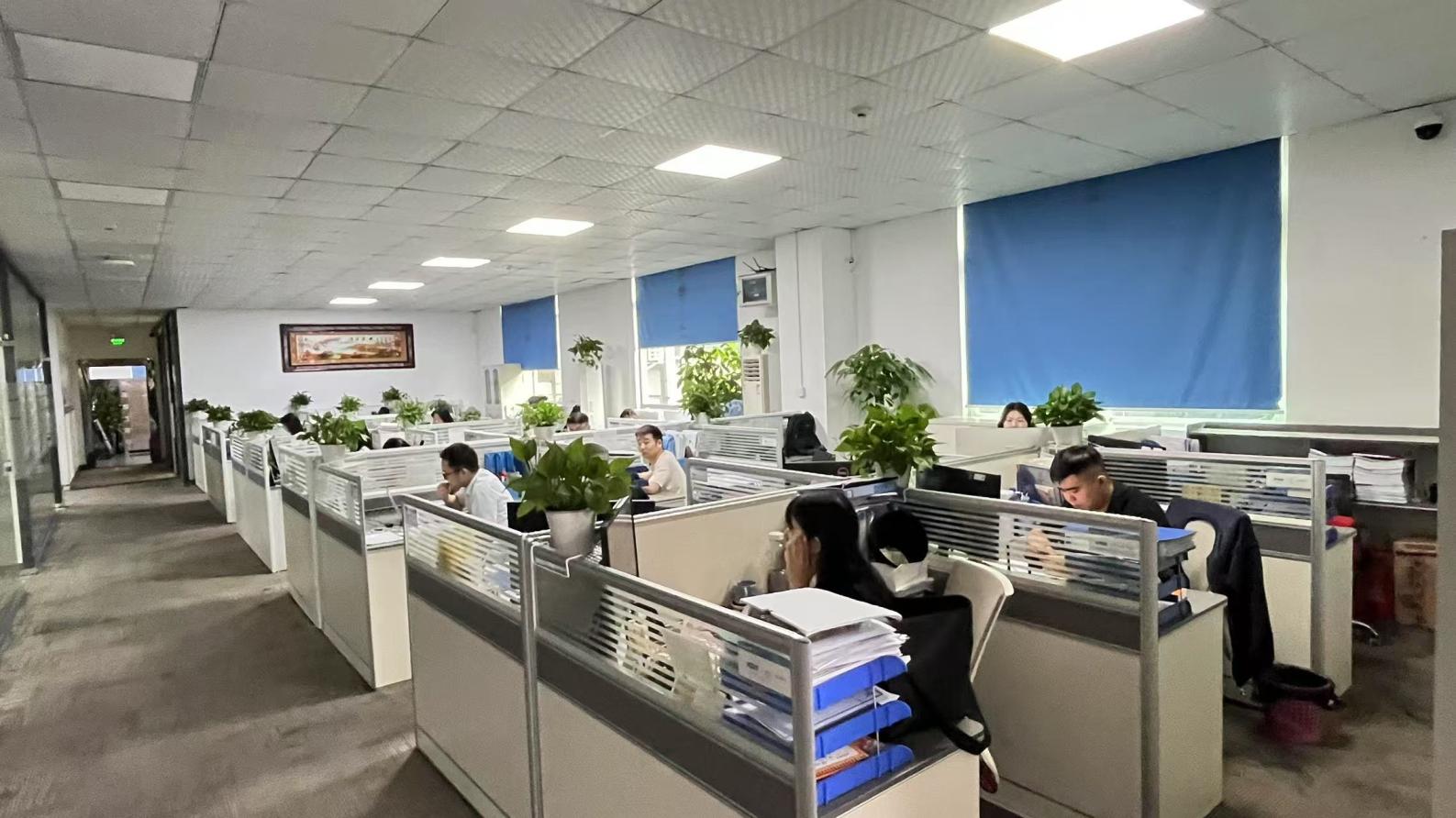
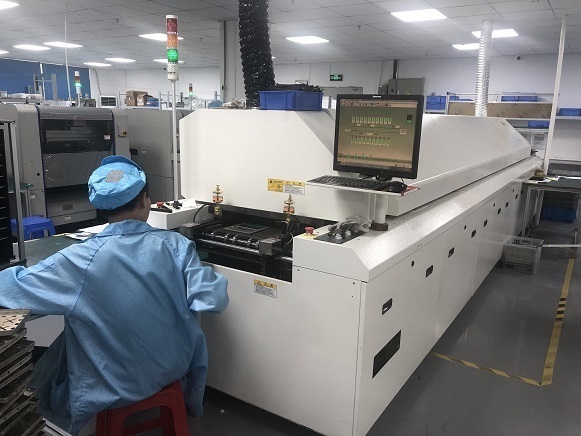
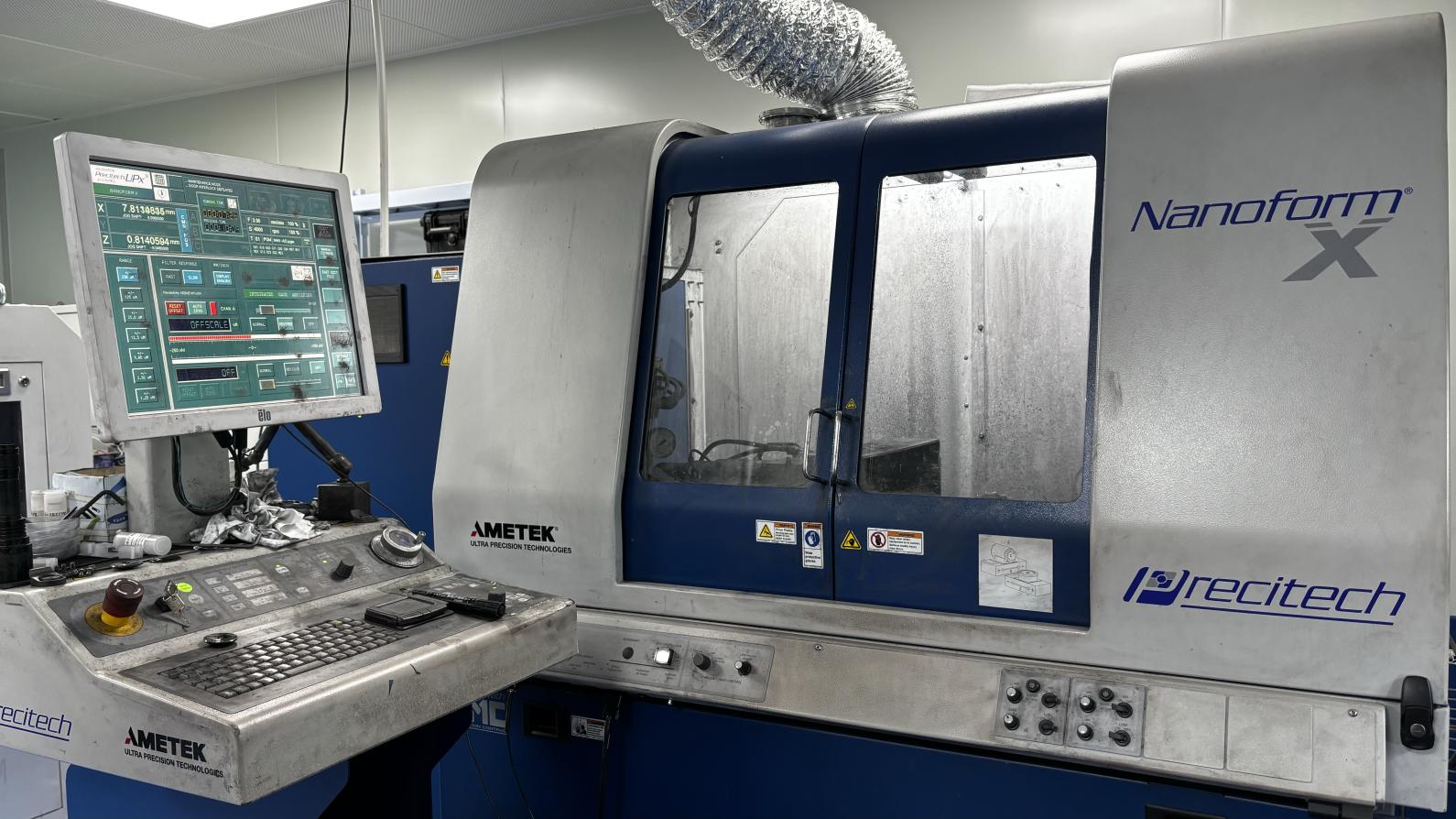
A tour of our modern engineering labs and optical validation floors.

Essential answers to technical and compatibility questions regarding 25G and 32G SFP28 deployments.
 Transolix