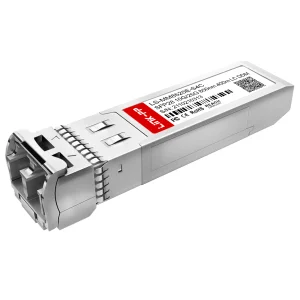
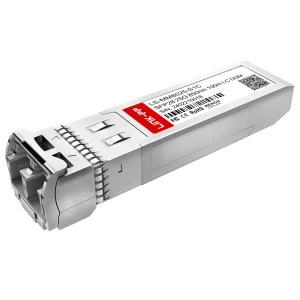
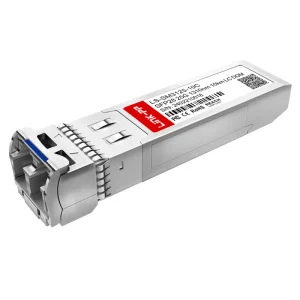
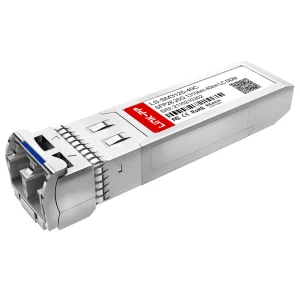
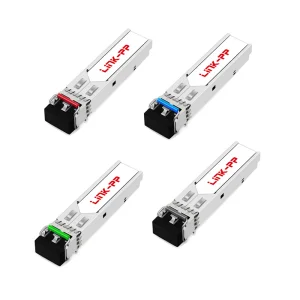
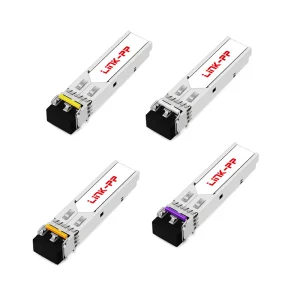
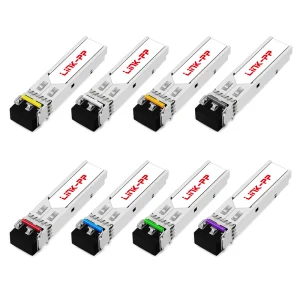
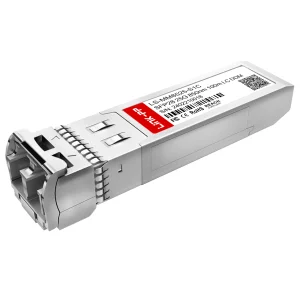
Engineered for immediate deployment across leading Tokyo telecommunication nodes and hyperscale infrastructure.
Tokyo is home to one of the world's most dense concentrations of hyper-scale and edge data centers. Key hubs such as Inzai (Chiba Prefecture), Otemachi, and Mitaka require high-capacity, low-latency interconnection solutions to support real-time finance, artificial intelligence (AI) compute engines, and 5G central units (CUs).
The traditional 10G SFP+ architecture is rapidly hitting structural bottlenecks under modern throughput demands. The migration to 25G SFP28 and 32G SFP28 Fibre Channel (FC) offers Tokyo enterprises and telecom carriers a seamless, backward-compatible pathway to increase network capacity by 2.5 times without replacing existing optical fiber plant layouts. This physical architecture is crucial for dense Tokyo metropolitan rings where dark fiber leasing rates are high.
Rapid deployment of massive AI training centers requires high-density switches utilizing SFP28 for leaf-to-spine and server-to-TOR connections.
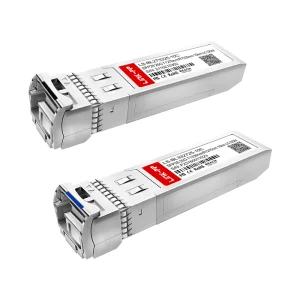
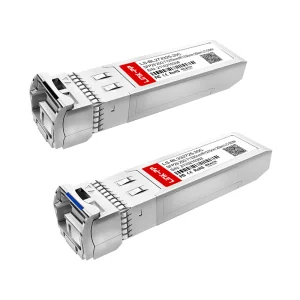
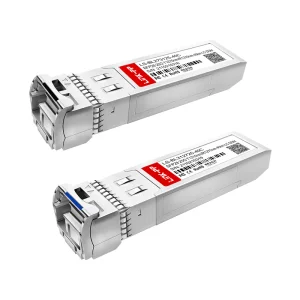
Tokyo-based telecom operators deploy 25G BiDi (Bidirectional) single-fiber modules to optimize physical link architectures in dense metro zones.
High-frequency trading networks rely on low-dispersion 25G SR/LR transceivers to shave microseconds off latency figures.
Understanding structural characteristics, protocol support, and the future transition roadmap of optical transceivers.
The SFP28 (Small Form-factor Pluggable 28) standard represents the definitive evolutionary step from the legacy SFP+ interface. By modifying the electrical and optical signaling to support 25 Gbps per channel natively, SFP28 avoids the power consumption and cost overheads of multi-channel architectures like QSFP. In storage networks, the same electrical footprint operates at 28.05 Gbps to satisfy 32G Fibre Channel (32GFC) specifications, making it a critical interface for SAN storage arrays widely deployed in enterprise Tokyo banks and cloud data lakes.
| Interface Type | Typical Protocol Support | Laser Type / Wavelength | Max Transmission Distance | Typical Fiber Type |
|---|---|---|---|---|
| 25G SFP28 SR | 25G Ethernet, CPRI Option 10 | VCSEL 850nm | 100m (OM4) / 70m (OM3) | Multi-mode Fiber (MMF) |
| 25G SFP28 LR | 25G Ethernet, OTN OTU4 | DFB 1310nm | 10km | Single Mode Fiber (SMF) |
| 25G SFP28 ER | 25G Ethernet, Carrier backhaul | EML 1310nm / APD Receiver | 40km | Single Mode Fiber (SMF) |
| 25G SFP28 BiDi | 5G Fronthaul, Metro Access | Tx1270/Rx1330 (or vice versa) | 10km / 20km / 40km | Simplex SMF (Single Strand) |
| 32G SFP28 FC | 32G Fibre Channel, 16GFC, 8GFC | VCSEL 850nm / DFB 1310nm | 100m (MMF) / 10km (SMF) | MMF / SMF |
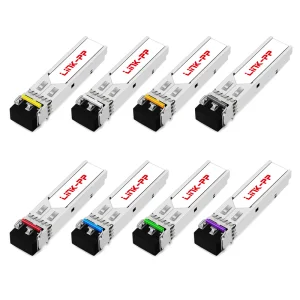
| 25G CWDM/DWDM | WDM Metro Aggregation | DFB/EML Grid wavelengths | 10km to 40km | Single Mode Fiber (SMF) |
Transolix modules integrate low-latency internal CDR ICs on both Tx and Rx lanes, compensating for electrical distortions over backplanes and high-density line cards.
We execute customized EEPROM firmware coding targeting switches from Cisco, Arista, Juniper, and Huawei. Every module matches vendor-specific checksums perfectly.
Operating at less than 1.0W typical power consumption (and under 1.5W for extended 40km ER links), our transceivers significantly drop cooling overheads in dense Tokyo systems.
Transolix is a professional optical transceiver manufacturer specializing in high-performance fiber optic communication solutions for global data centers, telecom operators, and enterprise networks. With strong engineering capabilities and scalable production capacity, Transolix is committed to delivering reliable, high-speed, and cost-effective optical connectivity products worldwide.
Every optical transceiver leaving our facility undergoes automated optical testing, eye diagram analysis, environmental thermal aging tests, and 100% vendor compatibility verification. Backed by 42 dedicated quality assurance professionals and a state-of-the-art testing lab, we ensure an industry-leading return rate of less than 0.05%.
How infrastructure integrators leverage Transolix's optical solutions across metropolitan systems.
High-frequency trading architectures in Tokyo’s Kabutocho finance hub utilize our 25G SFP28 SR and LR modules to minimize network serialization delays. With ultra-low dispersion rates and high-precision laser drivers, these modules maintain error-free transmission paths directly reducing latency overheads on core transaction loops.
In the massive data center parks of Chiba/Inzai, operators run 25G/100G configurations. Transolix Cisco-compatible modules are deployed directly into Tor switches, connecting upward to QSFP28 aggregation links using breakouts. This design permits thermal optimization and ensures maximum uplink uptime.
With limited fiber pathways under the streets of Shinjuku and Shibuya, telecom integrators leverage Transolix 25G CWDM and DWDM SFP28 transceivers. These products combine multiple optical channels onto a single fiber pair, avoiding the cost of renting additional dark fiber lines while expanding core backhaul pipelines.
From single-mode long haul to advanced bidirectional modules, choose the exact physical layer standard your switch architecture demands.
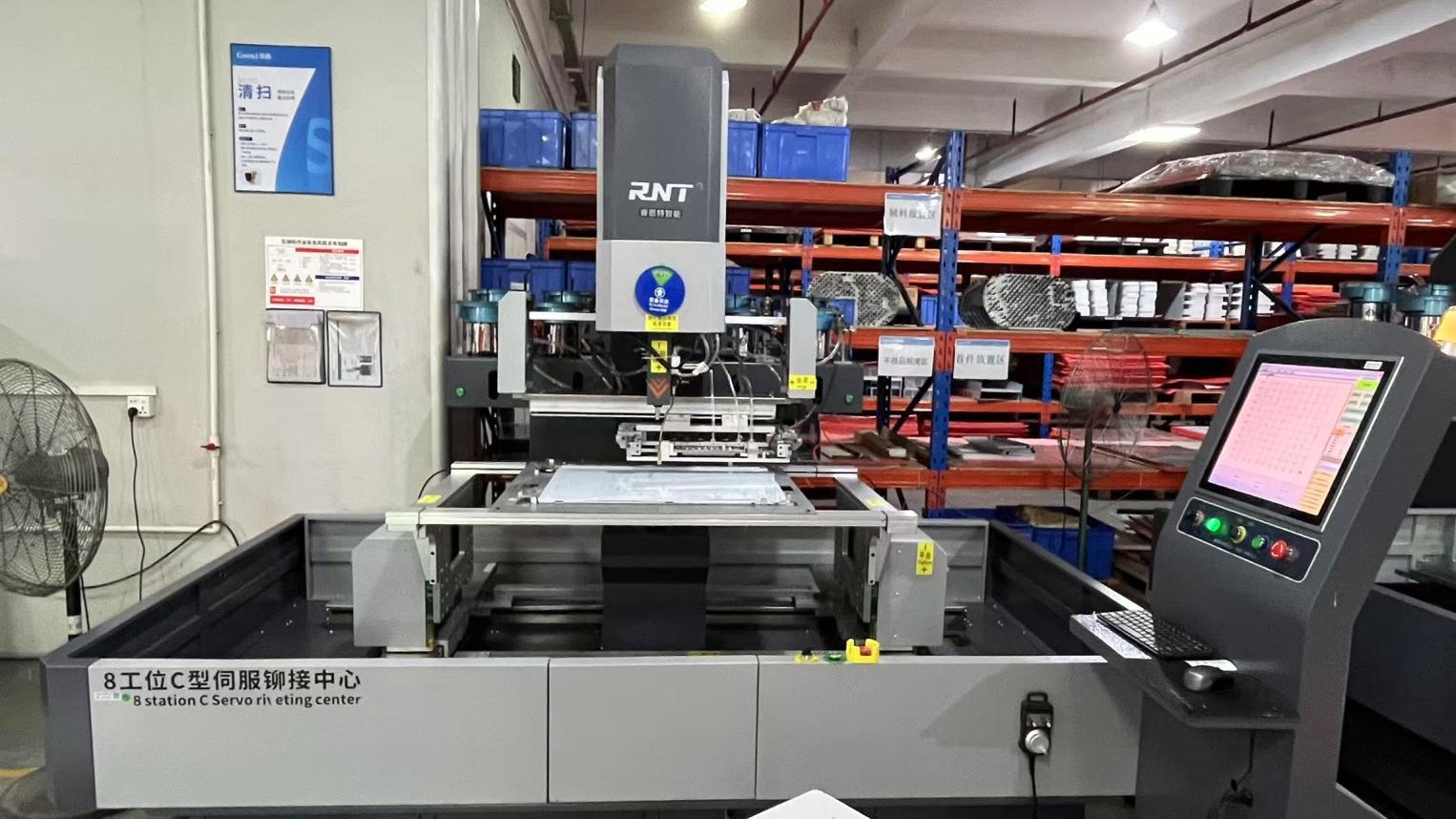
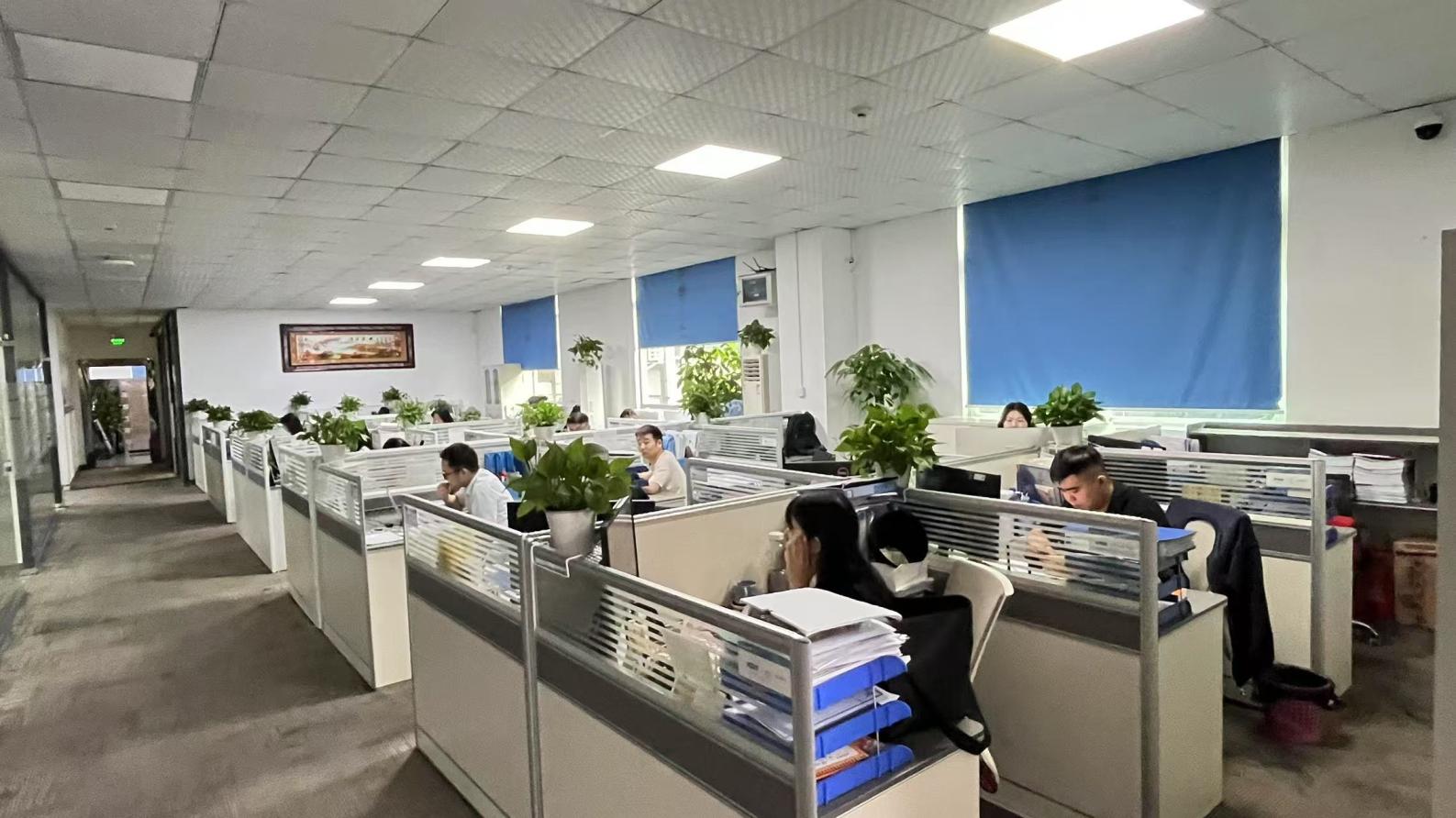
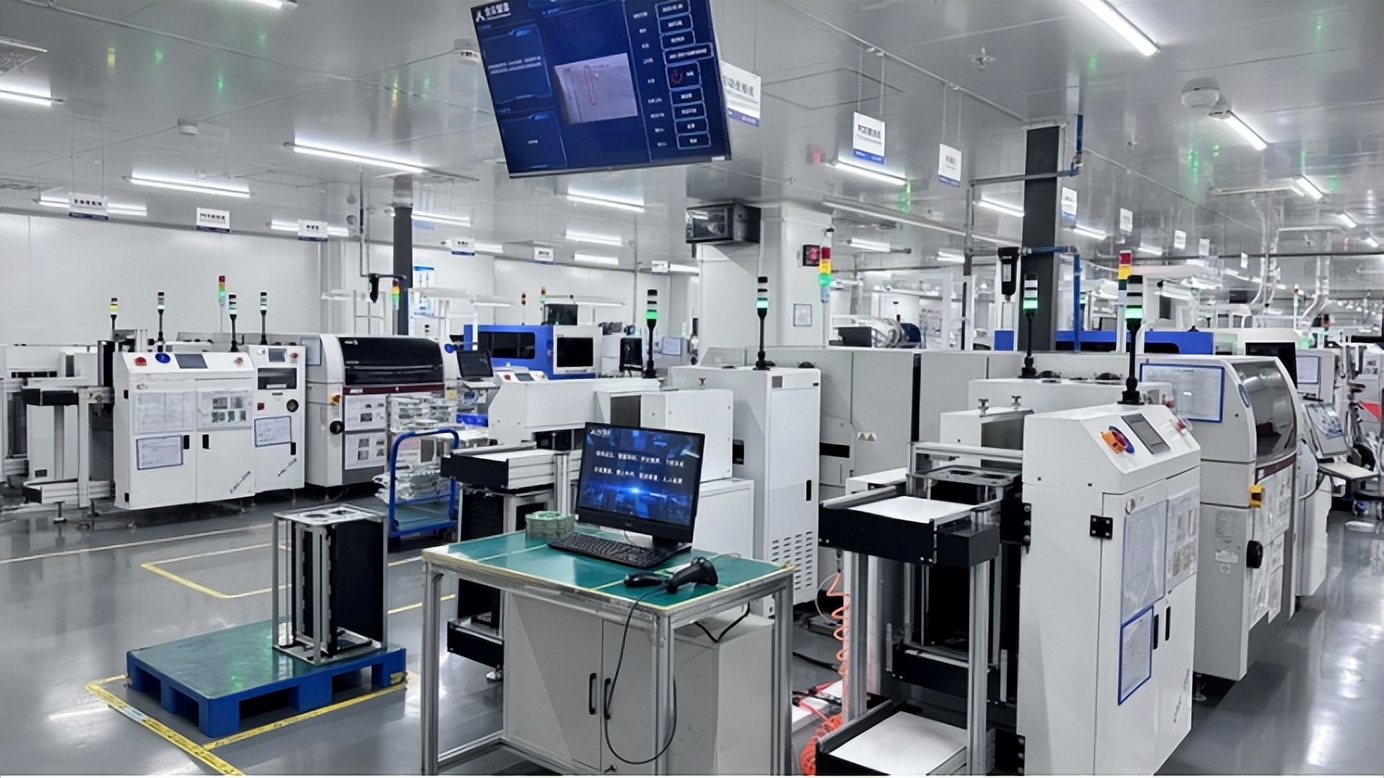
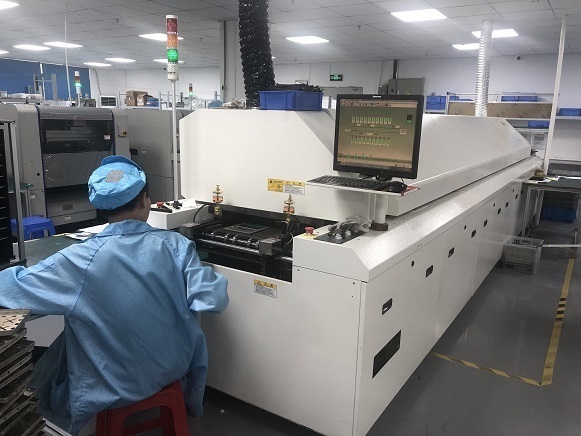
Take an inside look at our high-standard dust-free workshops, optical testing cleanrooms, and testing instruments.
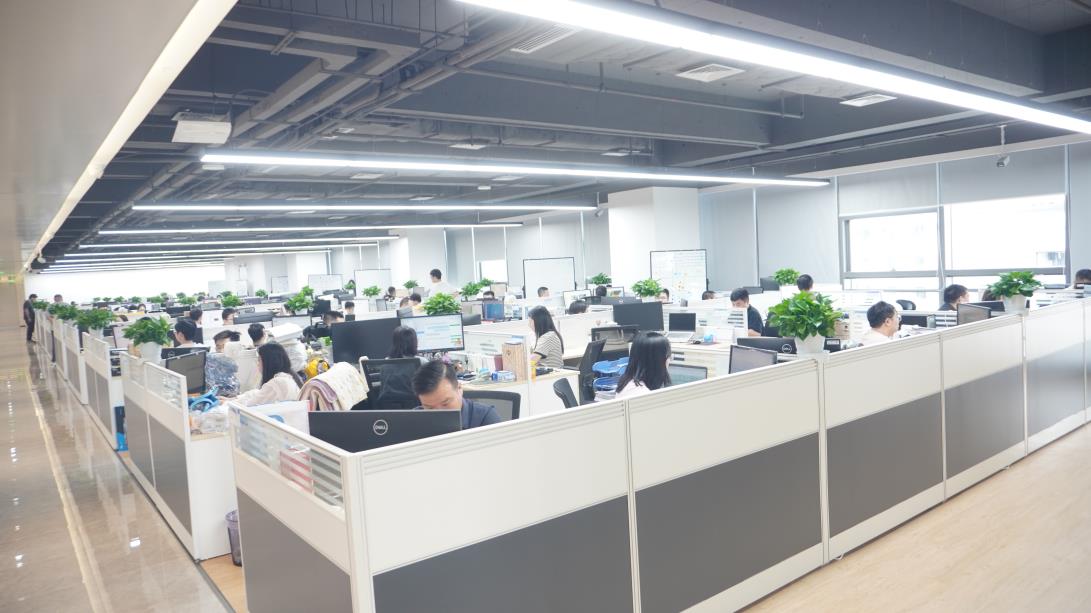
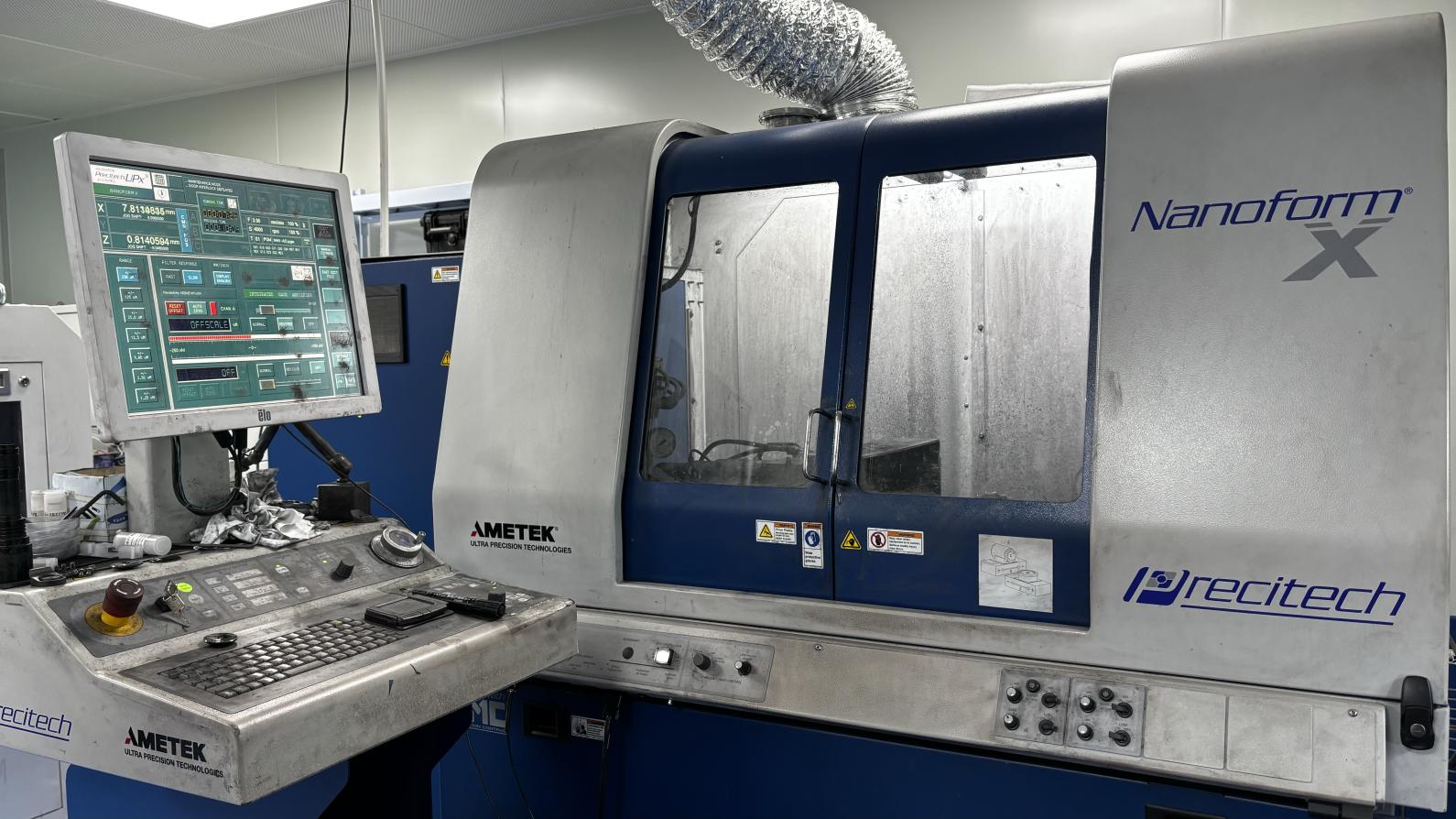
In-depth answers to hardware compatibility, structural routing, and network migration questions.
Yes, depending on switch firmware support. Most Transolix 25G SFP28 modules support dual-rate configuration (10G/25G) and can drop back to 10 Gbps speeds if the switch host port configuration is set manually. However, port-side hardware limits must be matched, and FEC (Forward Error Correction) might need to be disabled on the host device.
While physically using the same module design and LC duplex/simplex interface, the internal clock rates are configured differently. 25G Ethernet operates at 25.78 Gbps utilizing IEEE 802.3by protocols. 32G Fibre Channel (32GFC) operates at 28.05 Gbps utilizing Fibre Channel physical layer protocols. Transolix manufactures modules optimized for both Ethernet and high-speed Storage Area Network (SAN) applications.
In dense areas like Shinjuku, Roppongi, and Akihabara, renting or routing new single-mode fiber lines is highly expensive. BiDi modules utilize two different wavelengths (e.g., 1270nm Tx and 1330nm Rx) on a single strand of fiber, doubling the capacity of existing fiber infrastructure and cutting dark fiber lease costs in half for local operators.
Every batch of Transolix modules is loaded with custom EEPROM coding targeting vendor-specific device identification standards. We run automated host simulation checks using identical original switch models in our 320㎡ R&D verification laboratory, verifying domestic compliance and optical eye diagram margin characteristics before packing.
Get reliable hardware compatibility, 100% factory verification testing, and optimized logistics support directly to Tokyo metropolitan warehouses and server installations.
 Transolix