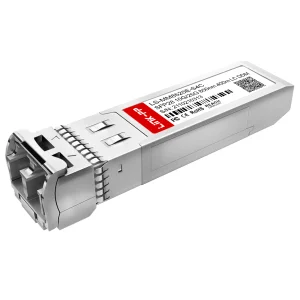
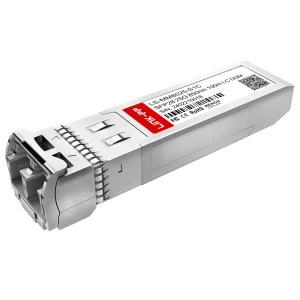
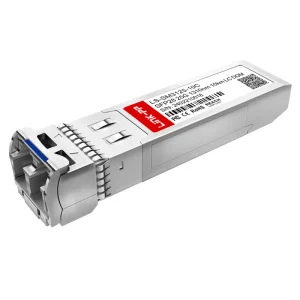
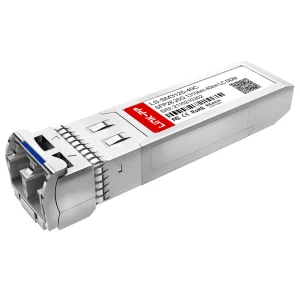
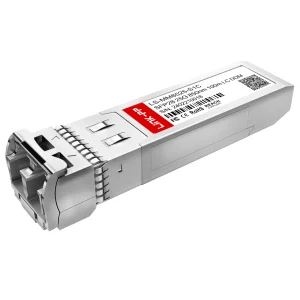
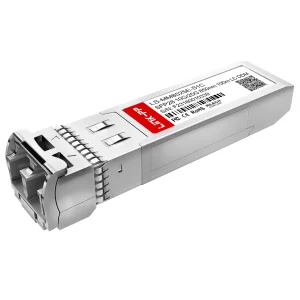
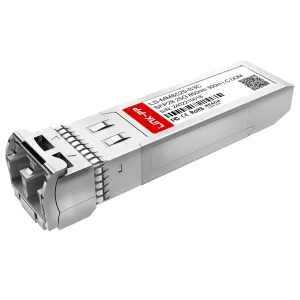
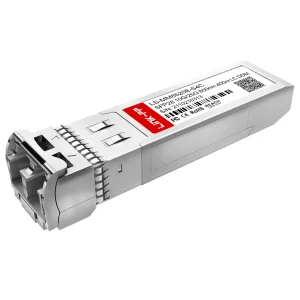
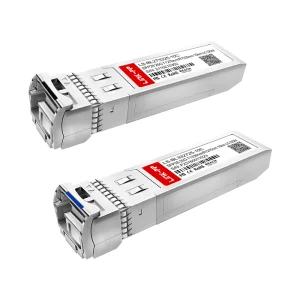
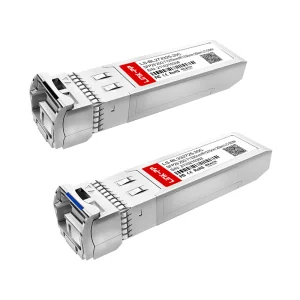
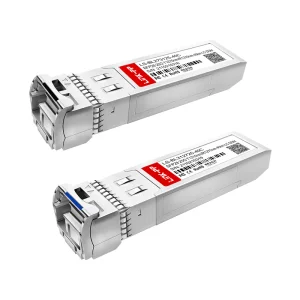
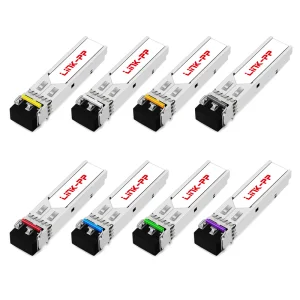
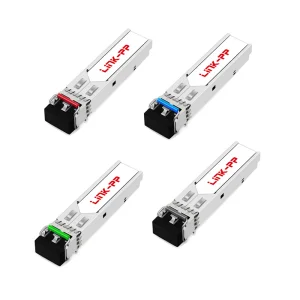
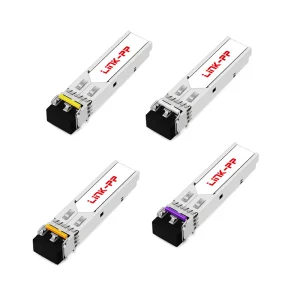
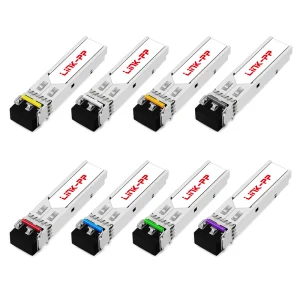
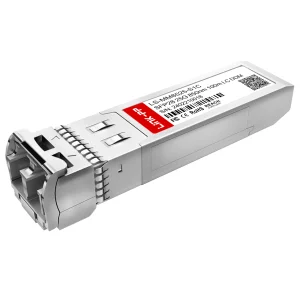
Premium selection of 25G SFP28 modules programmed specifically for local Bulgarian enterprise network platforms and core switches.
Strategic insights on South-East Europe's emerging connectivity hub and its transit corridors.
Bulgaria’s strategic geographic position makes it a natural gateway connecting Central Europe with the Balkans, the Middle East, and Asia. As one of the early adopters of high-penetration fiber-to-the-home (FTTH) networks, the country is currently facing an exponential surge in data traffic. Telecom operators such as Vivacom (United Group), A1 Bulgaria, and Yettel, together with regional Internet Exchange Points (like Sofia-IX and BIX.BG), are actively modernizing their core architectures to sustain high-bandwidth density.
The rise of regional Tier-3 data centers in the Sofia Valley—such as Equinix SO1 & SO2, Telepoint, and 3Gora—demands robust, energy-efficient optical infrastructure. Transitioning to 25G Ethernet (SFP28) and 32G Fibre Channel (FC) serves as a critical evolutionary step. SFP28 optics optimize network performance by avoiding the prohibitive capital expenditures associated with jumping directly to 100G client ports, while simultaneously utilizing existing LC-terminated single-mode and multi-mode fiber runs.
High-integrity manufacturing processes backed by over a decade of optoelectronics R&D experience.
A reference guide for network engineers optimizing physical layers in Sofia, Plovdiv, and Varna regional grids.
SFP28 transceivers predominantly utilize NRZ (Non-Return-to-Zero) modulation to transmit data at 25.78 Gbps. In high-loss fiber scenarios, the implementation of FEC (specifically Clause 74 RS-FEC or Clause 91 Firecode FEC) is indispensable. Our transceivers support digital diagnostics monitoring (DDM / DOM) according to SFF-8472, providing real-time telemetry on parameters such as optical output power, receiver sensitivity, laser bias current, and operating temperature.
| Transceiver Type | Form Factor | Modulation Type | Max Link Distance | Wavelength (nm) | Typical Power (W) |
|---|---|---|---|---|---|
| 25G Base-SR MMF | SFP28 | NRZ | 100m (OM4) | 850nm | < 1.0W |
| 25G Base-LR SMF | SFP28 | NRZ | 10km | 1310nm | < 1.2W |
| 25G Base-ER SMF | SFP28 | NRZ | 40km | 1310nm / LWDM | < 1.5W |
| 32G Fibre Channel | SFP28 | NRZ | 100m / 10km | 850nm / 1310nm | < 1.2W |
Exporting to the European Union market requires strict compliance protocols. Transolix ensures that all optical transceiver modules delivered to our Bulgarian system integration partners satisfy the necessary European norms:
Field-tested compatibility profiles customized for Cisco IOS, Juniper Junos, and regional networking protocols.
How SFP28 optics unlock potential across modern telecommunications, data centers, and specialized industrial sectors.
As Vivacom and A1 expand 5G standalone (SA) deployments, 25G BiDi (Bi-directional) transceivers become vital. By using single-strand fiber via WDM technology, operators double fiber capacity between Remote Radio Heads (RRH) and Baseband Units (BBU) across rugged geographic areas like the Balkan Mountains.
Sofia hosts over 50,000 workers in the Business Process Outsourcing (BPO) and fintech fields. High-frequency enterprise networks utilize 32G Fibre Channel SFP28 modules within SAN environments to enable ultra-low-latency database syncs and secure financial transaction processing.
To connect Varna on the Black Sea coast with Inland Sofia, CWDM and DWDM SFP28 modules operating over 10km to 40km enable multi-channel aggregation. This eliminates the necessity of active repeaters along transit rings, reducing system points-of-failure.
Take a virtual tour of our 320㎡ cleanroom facilities and automated performance verification chambers.
Transolix, registered in 2016, is a premier designer and manufacturer of custom optical transceivers. We address the expanding global demand for speed and scale by implementing advanced automated optical testing and eye-diagram calibration. Under strict ISO 9001 governance, our facility ensures that each transceiver sent to European distributors has undergone comprehensive thermal cycling, stability tests, and protocol emulation on original host hardware platforms.
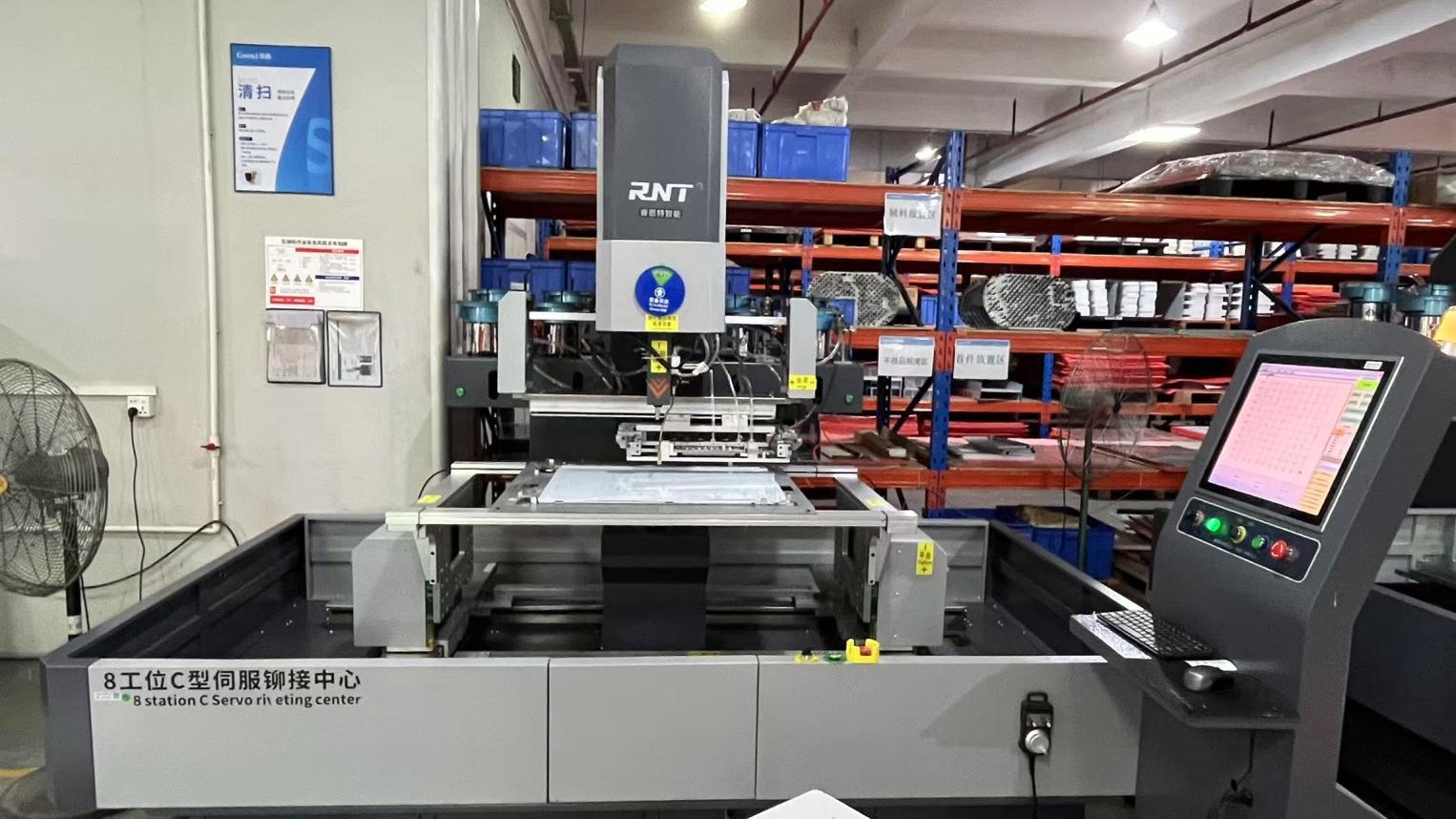


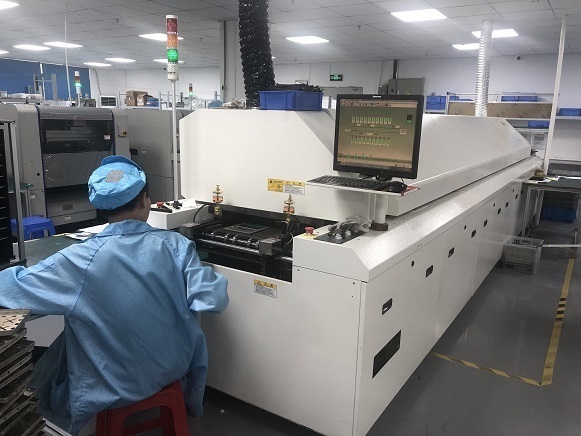

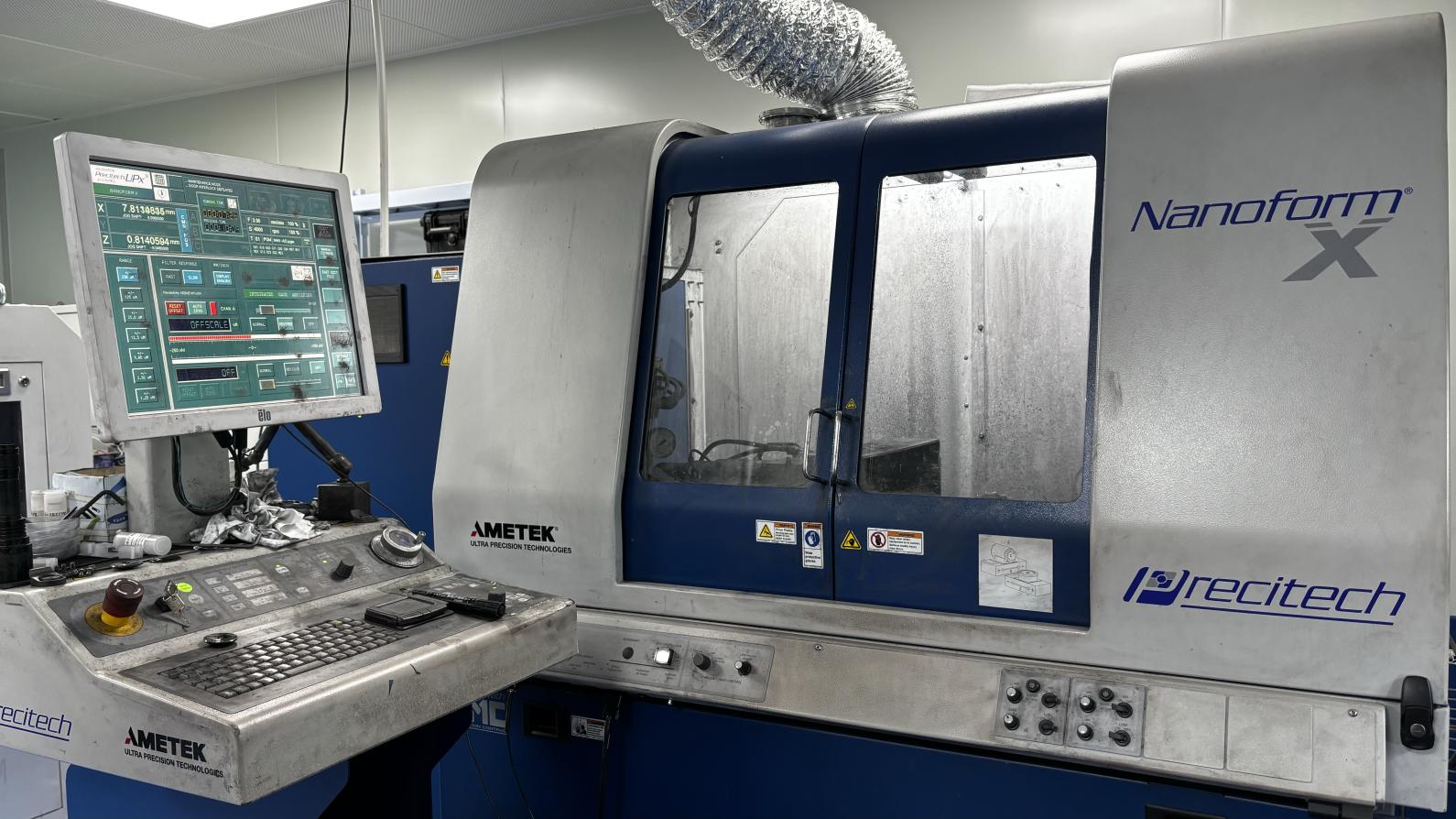
Complete series of single-fiber, multi-wavelength, and high-density optical transceivers in stock and ready for delivery.
Aligning capital acquisition cycles with emerging network standards in South-East Europe.
As bandwidth demand escalates, the industry must transition from 25G/32G towards next-generation speeds. Transolix supports this transition by engineering back-compatible solutions. Our technical roadmap incorporates PAM4 (Pulse Amplitude Modulation) technology, enabling 50G and 100G bandwidth formats within small SFP form-factors.
For network operators in Bulgaria, implementing SFP28 switches today protects infrastructure investments. Upgrading from 10G SFP+ to 25G SFP28 maintains the same fiber routing density while increasing capability by 250% per port. Our engineering team provides custom firmware options to guarantee compatibility with older switches and routers, reducing integration risks.
Expert answers addressing compatibility, customs processing, and physical-layer requirements.
Yes. All Transolix optical transceivers can be custom-coded to ensure compatibility with major vendor platforms including Cisco (e.g., SFP-25G-SR-S, SFP-10/25G-CSR-S), Juniper, Arista, and Huawei. Every module undergoes verification on matching physical host devices to confirm that internal EEPROM parameters match requirements.
As Bulgaria is an EU member state, all imports must meet RoHS 2.0 requirements for hazardous substances. Transolix modules are CE-certified and RoHS-compliant. We supply all compliance certificates along with import documents, ensuring seamless processing through Customs Agency offices at Sofia, Varna, or Burgas ports of entry.
Standard 25G LR transceivers use a fixed 1310nm wavelength, requiring dedicated fiber strands for each connection. CWDM and DWDM multiplex channels across single-mode fiber infrastructure by using distinct optical wavelengths. This allows network administrators to scale bandwidth up to 40 channels over existing fiber trunks without laying new cables, presenting a cost-effective option for metropolitan rings.
Yes. For outdoor cabinet installations, such as mobile fronthaul stations in rural regions, we offer industrial-grade temperature transceivers designed to operate reliably between -40°C and +85°C. These feature enhanced thermal shielding and high-reliability lasers to prevent packet loss under extreme weather conditions.
 Transolix