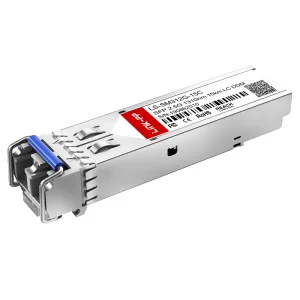
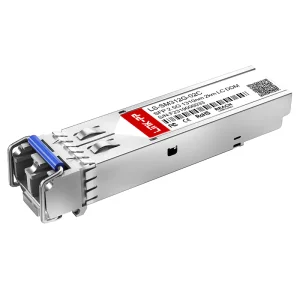
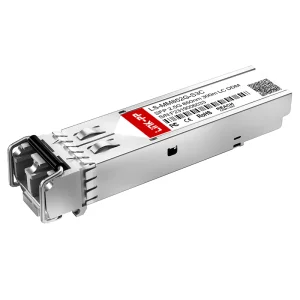
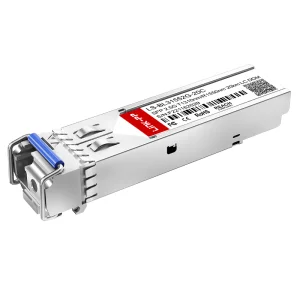
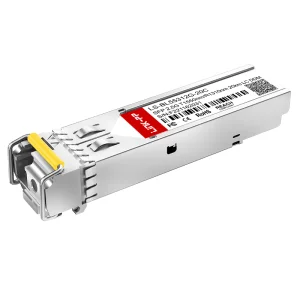
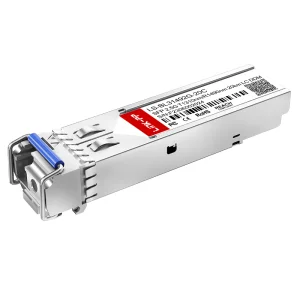
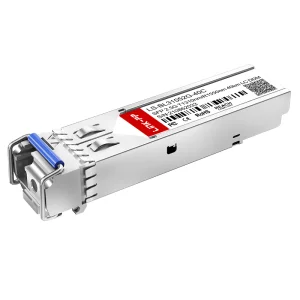
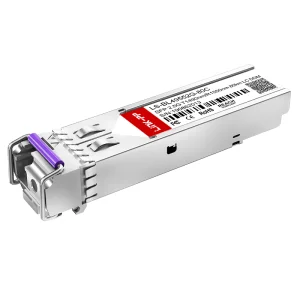
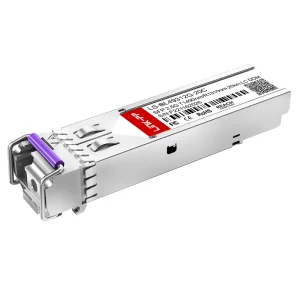
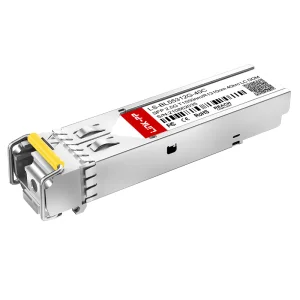
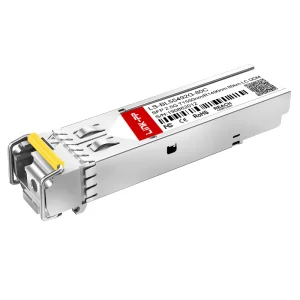
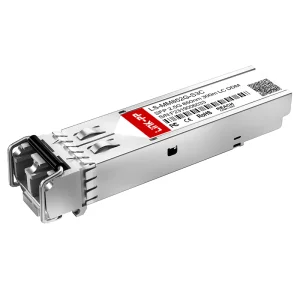
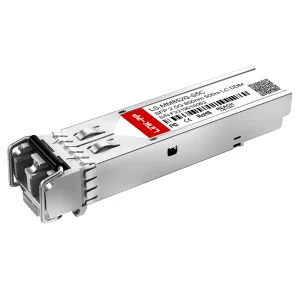
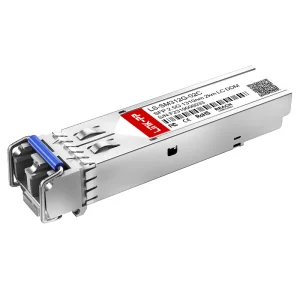
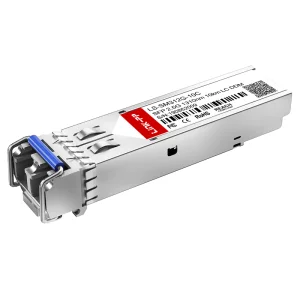
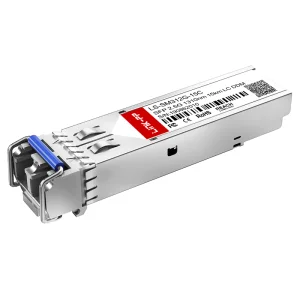
Immediate access to our flagship 2.5G optical interfaces configured for Norwegian optical grid architectures.
Understanding the unique industrial constraints and bandwidth demands of the Nordic optical frontier.
Norway's unique geography—dominated by deep fjords and mountainous terrain—places immense importance on maritime and offshore communication networks. Our 2.5G to 6G SFP optical transceivers are heavily utilized in connecting subsea sensor grids, remote drilling rigs, and marine telemetry installations. These setups require strict signal integrity and operational resistance to extreme moisture and rapid thermal fluctuations. Standard optical interfaces fail under such rugged scenarios; hence, our transceivers feature enhanced optical power margins and optimized industrial-grade operating temperatures (-40°C to 85°C).
As Norwegian telecom operators (such as Telenor and Telia) aggressively expand 5G and research potential 6G trial layers, backhauling demands have surged. Intermediate bandwidth solutions like 2.5G, 5G, and 6G SFP protocols are critical to bridging the gap between legacy Gigabit Ethernet and dense 10G/25G architectures. Utilizing eCPRI (Enhanced Common Public Radio Interface) protocols, our custom 2.5G to 6G SFP transceivers offer optimal low-latency transmission profiles, crucial for real-time edge computing networks located in Northern Norway and Oslo metropolitan areas.
Engineered to double fiber utilization and extend transport spans over rural and rugged terrain.
How next-generation physical layer parameters impact bandwidth scaling, latency, and dispersion limits.
For rates between 2.5G and 6G, the industry depends on optical components like DFB (Distributed Feedback) and FP (Fabry-Perot) lasers. Our modules utilize high-stability DFB lasers for distances up to 80km, preventing signal degradation caused by chromatic dispersion. When upgrading to 6G options (such as CPRI / 5G midhaul layers), we incorporate electro-absorption modulated lasers (EML) to achieve lower jitter and higher optical extinction ratios.
Maintaining a network in remote parts of Norway requires automated, real-time diagnostics. All Transolix 2.5G to 6G SFP modules feature built-in Digital Diagnostic Monitoring (DDM / DOM) compliant with SFF-8472. This allows network administrators in Oslo or Bergen to remotely track optical output power, receiver sensitivity, laser bias current, module temperature, and supply voltage fluctuations.
To operate smoothly on existing networks, SFP transceivers must be fully compatible with major host platforms. Transolix modules are pre-coded and tested for compatibility with Cisco, Juniper, Huawei, Nokia, HP, and specifically configured ISP platforms in Europe. Our advanced firmware customization ensures the EEPROM registers respond correctly to diverse host interfaces.
Providing reliable optical transceivers for data centers, telecom operators, and enterprise networks globally.
To ensure zero-failure operation, Transolix operates on rigorous internal reliability parameters exceeding general regulatory expectations.
Transolix works as a cross-border B2B export-focused manufacturing company, distributing highly reliable optical interfaces globally.



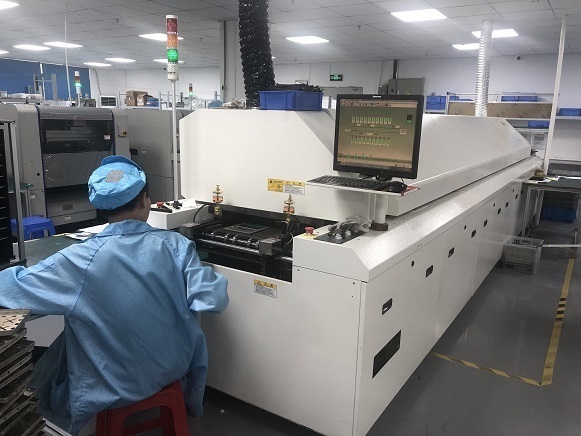


How our localized component ecosystems benefit Nordic network expansions.
Our manufacturing facility in China leverages the world's most dense optoelectronics supply chain. With 860+ certified upstream partners, we secure lasers, photodetectors, optical sub-assemblies (TOSA/ROSA), and microcontrollers at scale. This integration protects our production timelines from global component shortages and keeps pricing highly competitive compared to localized assembly in Scandinavia.
With 128 R&D engineers, we design, test, and release custom transceivers faster than traditional OEMs. The release of 86 new product models last year demonstrates our agility in modifying firmware configurations, upgrading to newer form factors, and customizing optical specifications. This flexibility allows us to quickly meet the unique requirements of our customers in Norway.
Our 42 quality control professionals verify that every module meets or exceeds MSA (Multi-Source Agreement) requirements. By combining automated optical test suites with 100% real-world compatibility testing, we achieve a field defect rate of under 0.03%. This reliability is essential for modules deployed in offshore installations where maintenance costs are high.
Ensuring our SFP transceivers meet the environmental and trade standards of the Norwegian market.
Norway maintains high environmental standards. Transolix SFP modules are fully certified for CE and conform with the RoHS directive to eliminate hazardous substances. Our packaging materials and component designs align with WEEE (Waste Electrical and Electronic Equipment) requirements, facilitating recycling and disposal protocols for telecom operators within the European Economic Area (EEA).
With 6 years of export experience, we manage international shipping pathways to major Norwegian logistics hubs, including Oslo, Bergen, and Stavanger. We handle custom documentation, trade declarations, and supplychain paperwork to ensure clean clearance through Norwegian Customs (Tolletaten), preventing operational delays for our partners.
Answering technical and purchasing questions about our 2.5G~6G SFP transceivers.
Our comprehensive selection of optical modules supporting standard configurations, BiDi setups, and extended reaches.
Get in touch with our engineering team for customized wavelengths, compatibility profiles, and volume quotes.
Send Inquiry Now Transolix