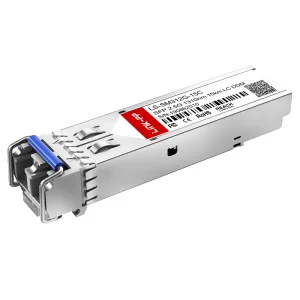
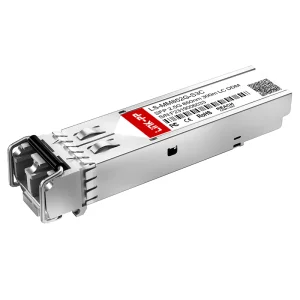
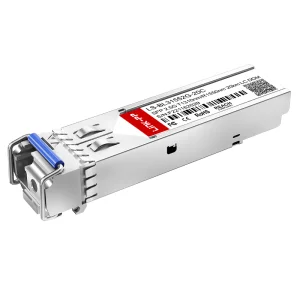
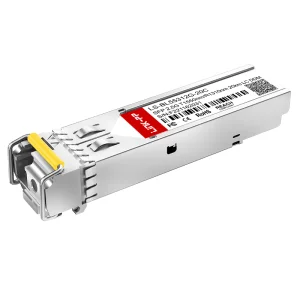
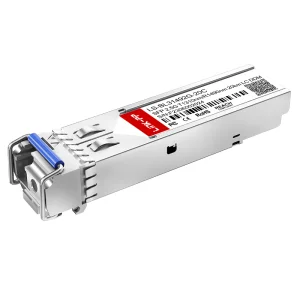
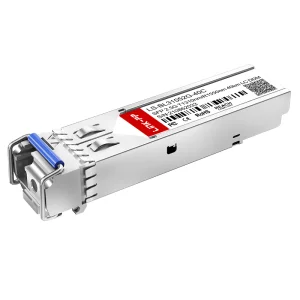
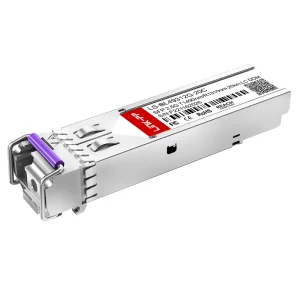
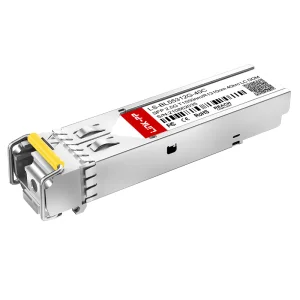
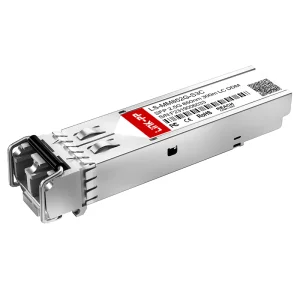
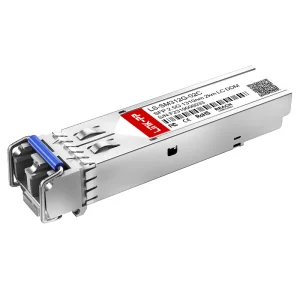
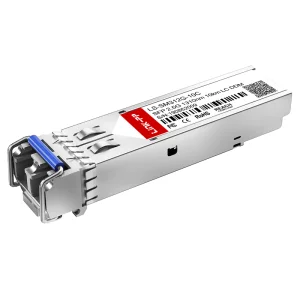
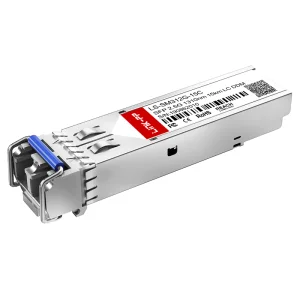
Optimized fiber transceivers designed for high-density metropolitan routing, municipal data nodes, and reliable industrial automation links within the Moscow Oblast.
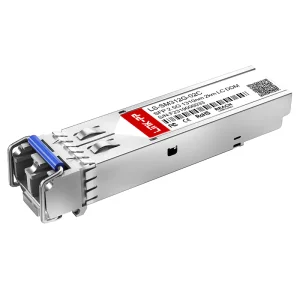
Moscow remains the nerve center of Eastern Europe's telecommunications infrastructure, hosting complex fiber-optic transport networks, industrial processing zones, and large cloud-computing data nodes.
As network demands shift from basic Gigabit connectivity, local operators, utility providers, and metropolitan surveillance networks are standardizing on intermediate data rates (2.5G, 5G, and 6G). This bandwidth is ideal for base-station front-haul applications utilizing CPRI protocols, industrial telemetry, and local GPON (Gigabit Passive Optical Network) backhaul scaling. Finding reliable, high-performance, and compliant transceivers is key to keeping latency low and data integrity intact.
Local network integrations in Moscow require strict hardware compatibility validation against domestic hardware brands such as Eltex, Qtech, and Nateks, alongside legacy deployments from global brands. The ability to supply pre-coded, EAC-ready (Eurasian Conformity) optical components directly impacts project timelines, avoiding localized firmware mismatches and system-wide optical link dropouts.
Designed for Moscow metro signaling, traffic automation, and low-latency municipal surveillance backhaul over extended geographic distances.
Ensured compliance with Eurasian Economic Union requirements, offering seamless customs routing, verified certificates, and hardware compatibility.
Why specialized bandwidth configurations are taking precedence over basic legacy optical connections.
Supporting mobile operator backhaul networks across Russia. The 2.5G to 6.144G data rates are engineered for high-frequency telecom baseband and remote radio unit links.
Using Bidirectional (BiDi) SFP transceivers, operators double existing fiber infrastructure density by transmitting and receiving signals over a single strand of fiber via WDM.
Digital Diagnostic Monitoring provides real-time telemetry on laser bias current, optical output power, receiver input power, transceiver temperature, and voltage.
Networks in Moscow must operate through significant seasonal temperature swings. Transolix offers industrial-grade operating temperatures (-40°C to +85°C) alongside standard commercial grade (0°C to +70°C). Combined with high-stability TOSA and ROSA assemblies, our optical modules guarantee stable bit error rates (BER < 10^-12) and mitigate fiber link degradation in exposed outdoor cabinets.
How our advanced manufacturing facility and robust logistics network deliver key advantages to partners in Moscow and surrounding EAEU regions.
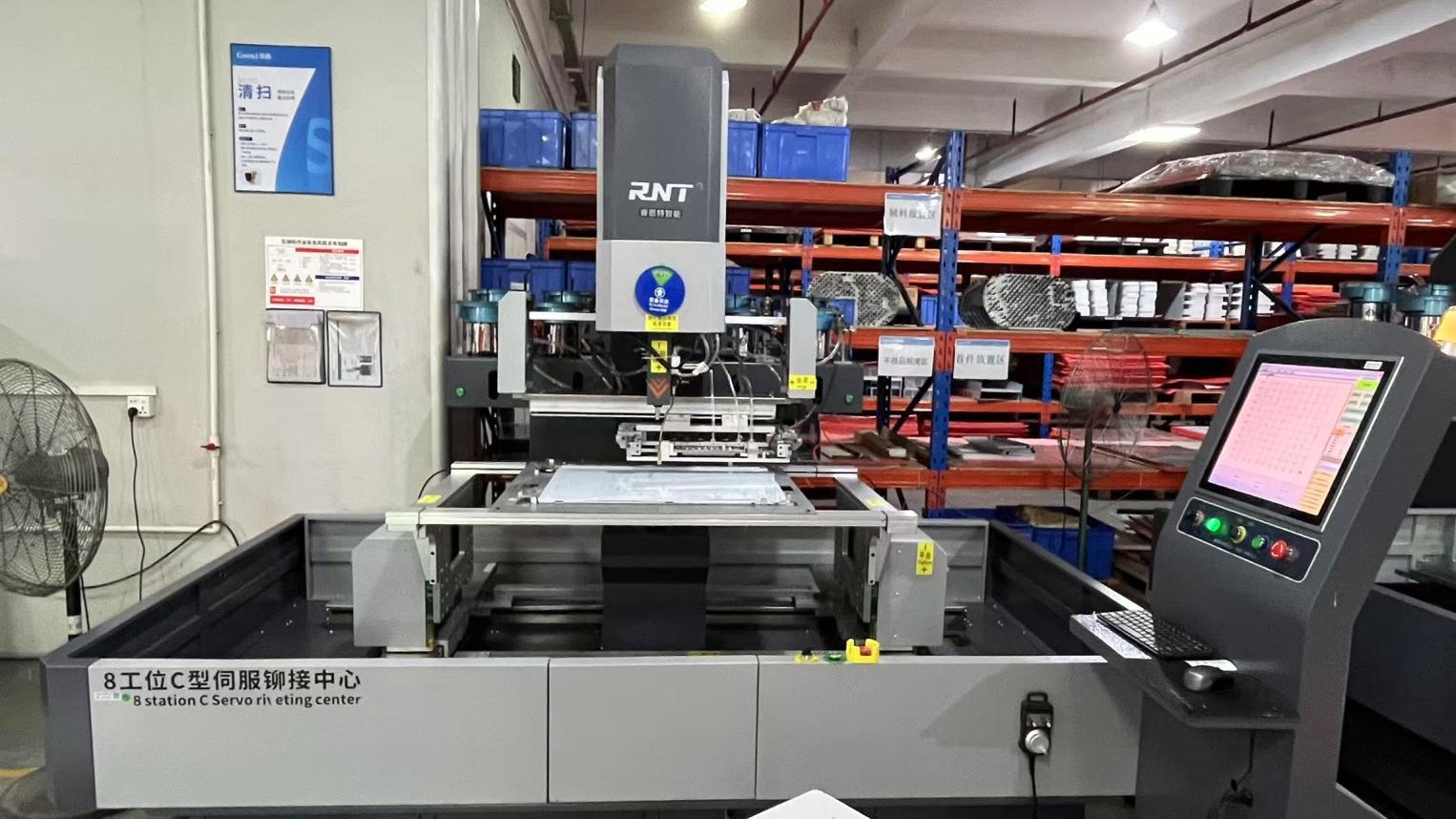
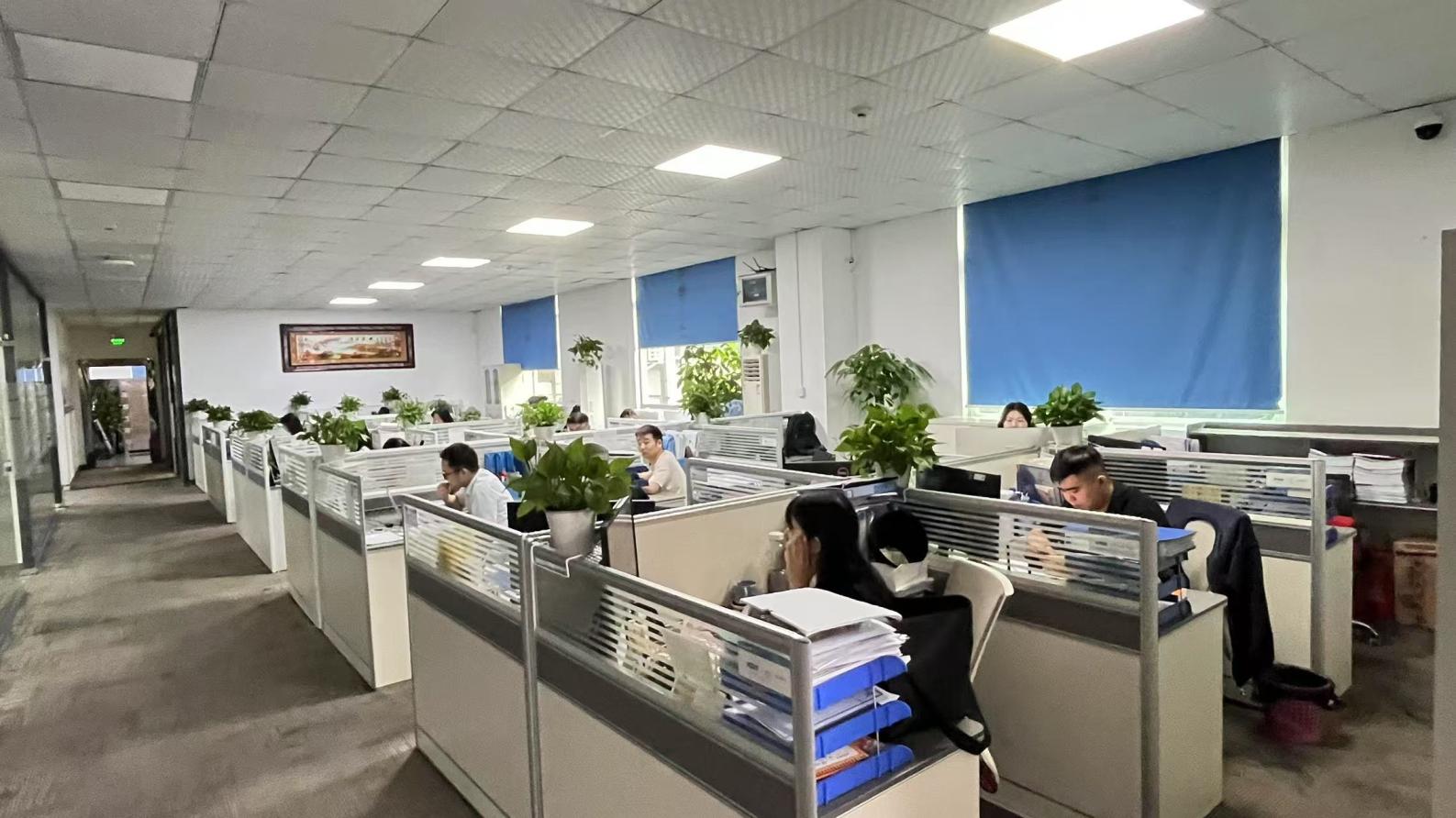
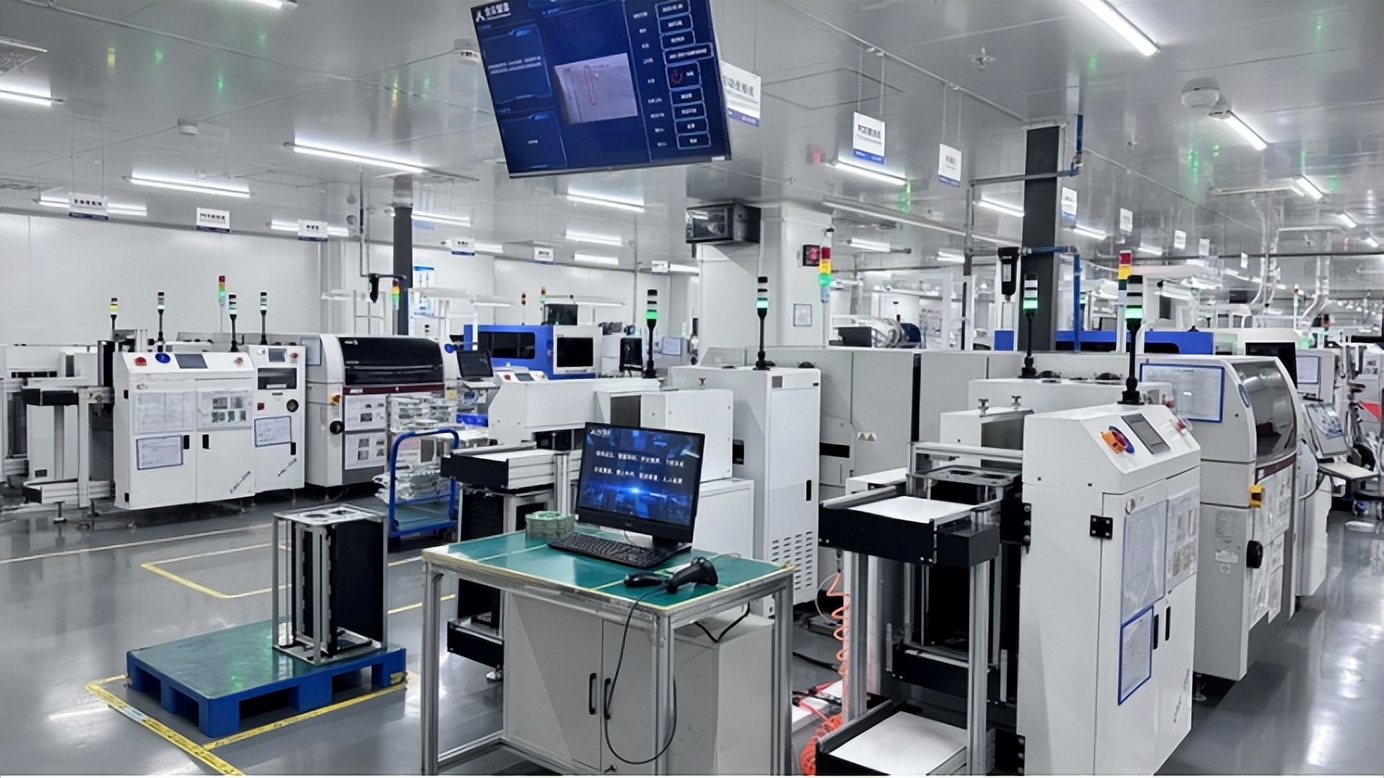
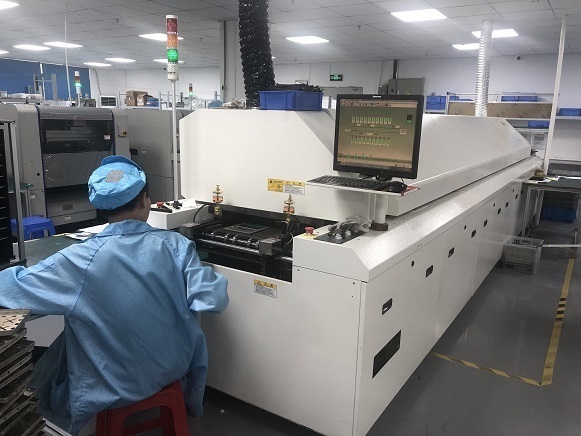
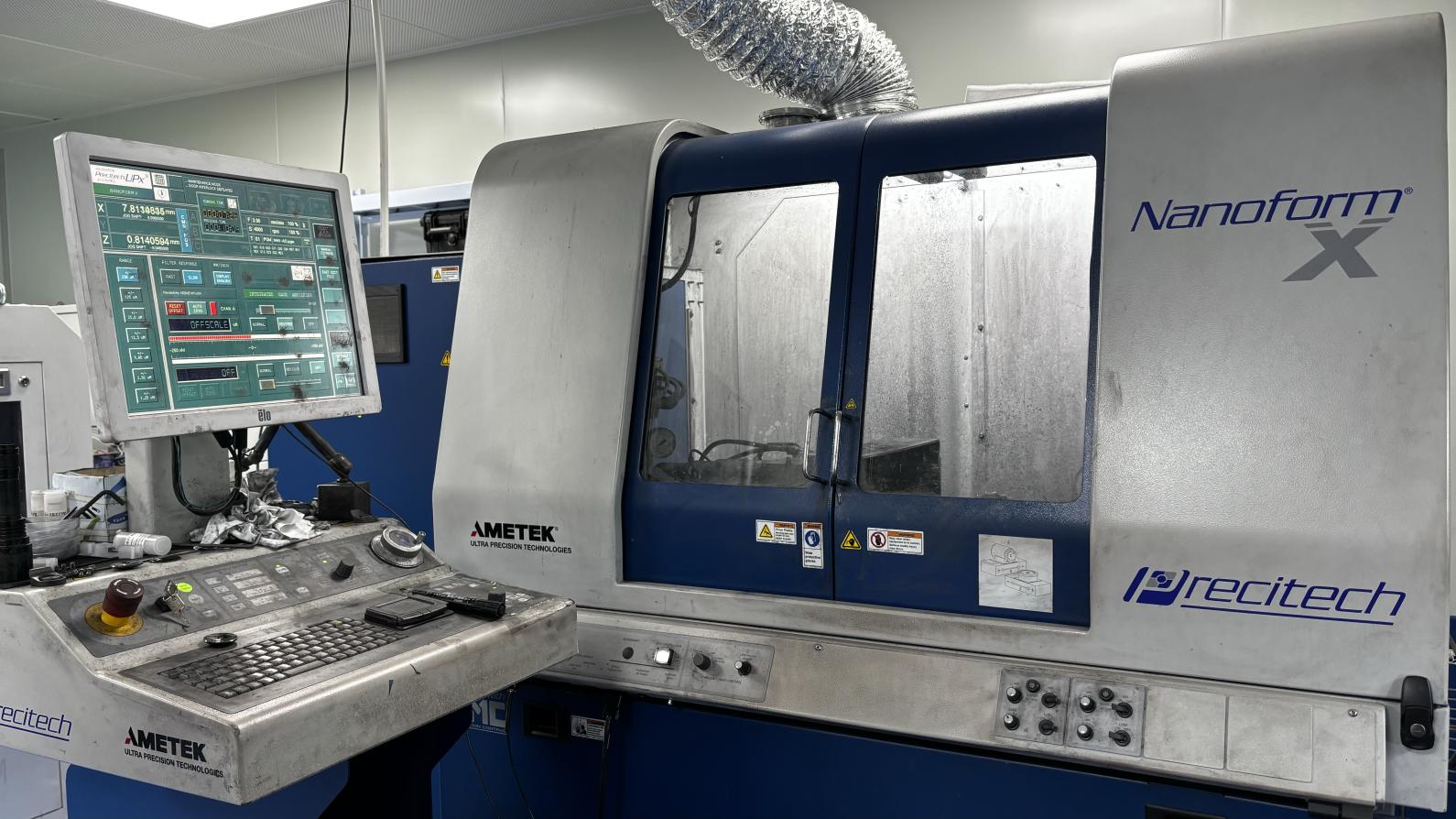
Transolix operates an optical transceiver manufacturing facility specializing in low-latency, high-bandwidth communication interfaces. Established in 2016, we maintain a 320m² cleanroom facility alongside automated testing suites. By leveraging our deep relationships with over 860 certified upstream raw material suppliers (from optoelectronic chips to high-precision components), we ensure raw-material stability and fast production turnaround times.
Our 128 R&D engineers specialize in high-speed optical design, signal integrity, and multi-platform firmware compatibility. Whether your network switches are running legacy configurations or next-generation proprietary software, we offer custom firmware encoding to match your destination hardware, mitigating interoperability challenges on the ground in Moscow.
With an export volume of USD 8–15 million annually and 6+ years of specialized B2B export experience, our logistics team simplifies the clearance process, minimizing transit delays to Moscow and other Russian cities.
Reliable deployments of 2.5G to 6G optical SFP modules in localized applications.
With Moscow operators upgrading wireless services, 6.144G CPRI modules transmit signals between baseband units and remote radio units over distances of up to 20km.
High-definition CCTV and traffic monitoring networks utilize 2.5G BiDi modules to deliver multi-gigabit video streams back to central storage arrays while using half the fiber cores.
Helps regional businesses and logistics centers integrate legacy switches with upgraded 2.5G and 5G connections without needing to invest in 10G infrastructure.
Technical and purchase intent answers compiled by our senior engineering support team.
Our engineering department maintains database configurations for regional network brands including Eltex, Nateks, and Qtech, alongside Cisco, HP, and Juniper. We pre-program the EEPROM of every module with verified firmware configurations prior to packaging and shipment.
Standard production batch orders are processed within 7 to 15 working days. Air freight transit times to Moscow typically require an additional 5 to 7 days, depending on customs processing speeds and cargo flights.
Yes. We offer industrial-grade (-40°C to +85°C) versions of all our 2.5G and 6G SFP transceivers. These are equipped with robust optical sub-assemblies (TOSA/ROSA) designed for outdoor fiber cabinets exposed to harsh winter conditions.
Every module undergoes automated optical testing, eye diagram analysis to verify transmitter signal characteristics, bit error rate (BER) checks, temperature verification, and compatibility checks using local partner configurations.
Yes, our transceivers can be ordered with optical power budgets matching link profiles of 2km, 10km, 15km, 20km, 40km, and up to 80km.
Explore our high-performance single-mode and multi-mode options designed to maximize fiber density and network performance.
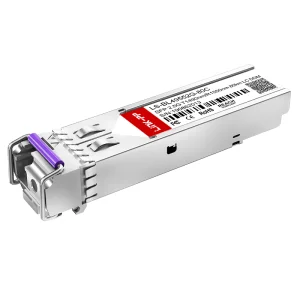
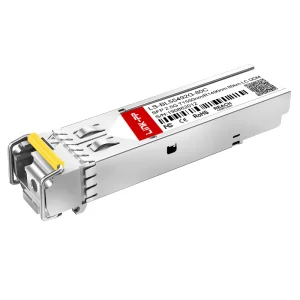
Additional wavelengths and fiber distances configured for Moscow metro and backbone legacy equipment.
Providing reliable optical transceivers for data centers, telecommunications, and enterprise architectures worldwide.
Transolix is a specialized optical transceiver manufacturer focused on high-performance fiber optic communication solutions. By managing everything from initial optoelectronic layout design to final code validation and burn-in testing, we help telecom operators and data centers deploy reliable, high-speed, and cost-effective fiber links.
Our manufacturing workflows comply with ISO 9001 quality management parameters. Transolix modules are subjected to automated visual inspection, critical eye-diagram margin verification, and cyclic thermal testing. This ensures that every transceiver maintains standard parameters over its operating lifespan, keeping network downtime to a minimum.
No two fiber networks are identical. We provide custom engineering services covering wavelengths (850nm, 1310nm, 1490nm, 1550nm), connector designs, reach limits, protocol variants (CPRI, Ethernet, Fiber Channel), and direct firmware optimization for legacy switches.

Speak directly to our technical sales team for engineering support, customized programming, volume pricing discounts, and expedited delivery to Moscow and EAEU countries.
 Transolix