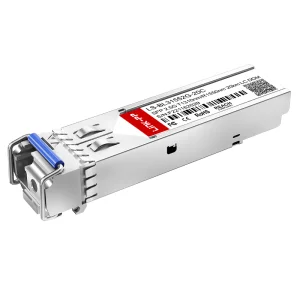
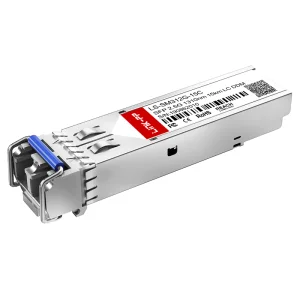
Designed for ultra-broadband access deployments and regional edge installations across Milan, Rome, Turin, and the wider Italian peninsula.
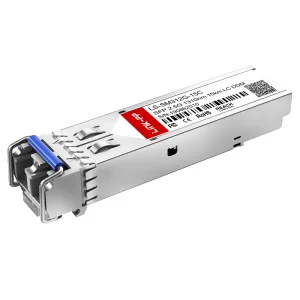
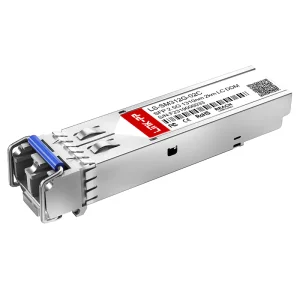
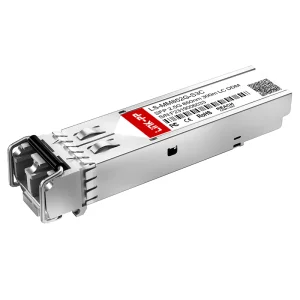
Navigating the transitions within Southern and Central European networking environments.
The Italian telecommunications sector is undergoing a profound infrastructure overhaul. Driven by the national digital transformation plan, "Piano Italia a 1 Giga" (funded by the PNRR - National Recovery and Resilience Plan), telecom giants and regional altnets like Open Fiber, TIM (Telecom Italia), and Fastweb are aggressively pushing fiber deeper into municipal, industrial, and rural zones. This creates an immediate requirement for robust, intermediate optical speeds—notably 2.5G and 6G SFP transceivers.
These speeds bridges the legacy gigabit connections and next-generation 10G networks. By utilizing 2.5G and 6G SFP modules, Italian system integrators and service providers can scale bandwidth capacity without requiring immediate, costly equipment replacements of passive optical network (PON) systems, optimizing capital expenditures (CAPEX) while satisfying the surging demand for symmetrical broadband access.
Northern Italy’s manufacturing hub is an early adopter of Industry 4.0 paradigms. In factories across Milan, Brescia, Bergamo, and Verona, heavy electromagnetic interference (EMI) makes traditional copper ethernet cabling unreliable. Industrial optical networks, powered by robust 2.5G SFP transceivers, provide complete electrical isolation, ensuring interference-free data streams from automated CNC systems, industrial robotic arms, and SCADA monitoring nodes.
Furthermore, 5G private micro-cells deployed in modern smart factories utilize 6G CPRI (Common Public Radio Interface) or eCPRI links to connect baseband units (BBUs) with Remote Radio Heads (RRHs). This architecture guarantees sub-millisecond latencies and high determinism required for closed-loop machine-to-machine communications.
We specialize in flashing customized EEPROM configurations that are compatible with leading European telecom equipment, including Nokia, Ericsson, Cisco, Juniper, Huawei, and MikroTik. This eliminates the "third-party transceiver lock" commonly encountered by regional Italian ISPs during deployment phases.
How we engineer transceivers to survive extreme micro-climates and legacy duct layouts across the Apennine Peninsula.
From sub-zero conditions in alpine telecoms infrastructure in Trentino-Alto Adige to scorching summer temperatures inside uncooled roadside cabinets in Sicily, standard commercial transceivers will suffer laser degradation. Our industrial-grade (-40°C to +85°C) 2.5G/6G SFP line utilizes uncooled DFB and highly stable FP lasers to withstand these thermal environments without signal drift.
Italy’s complex regional topography means optical pathways are often routed through old ducts with high bend-induced attenuation. Our single-mode transceivers (LX/IX/Bidi) feature high-extinction-ratio transmitters and high-sensitivity PIN-TIA or APD receivers. This guarantees consistent, low-BER transmission even when routing through legacy, high-loss optical fiber spans.
To reduce field maintenance costs, all Transolix 2.5G~6G SFP transceivers support Digital Diagnostic Monitoring (DDM) in compliance with SFF-8472. This enables network administrators in Rome or Milan to monitor laser temperature, bias current, TX power, RX power, and supply voltage in real-time, predicting link failures before they happen.
Demonstrating our field performance in critical municipal and private infrastructures across Italy.
A regional carrier in Lombardy required 2.5G SFP transceivers to upgrade optical line terminals (OLTs) in central offices. Our Bidi 20km and 40km 2.5G SFP modules enabled them to double capacity using existing single-fiber connections, avoiding the cost of installing new physical cables.
A multi-gigabit campus ring deployment for port perimeter monitoring utilized our 2.5GBASE-SX multimode modules. By combining high-speed links with fiber's electromagnetic immunity, the network supports real-time, high-definition thermal imaging cameras along the harbor checkpoints.
A robotic assembly line utilized our 6G SFP modules to link local distribution switches and local micro-cells. The low-latency profile of our 6G CPRI optical transceivers met the millisecond-range latency requirements for automated robot coordination.
Combining professional optical engineering capabilities with reliable and scalable production processes.
Transolix is a specialized optical transceiver manufacturer offering fiber optic communication solutions for data centers, telecommunications operators, and enterprise networks worldwide. With engineering support and scalable production capacity, we provide reliable, high-speed, and cost-effective optical connectivity products.



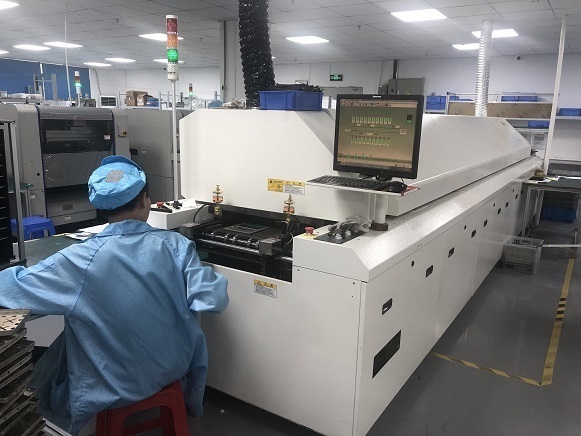

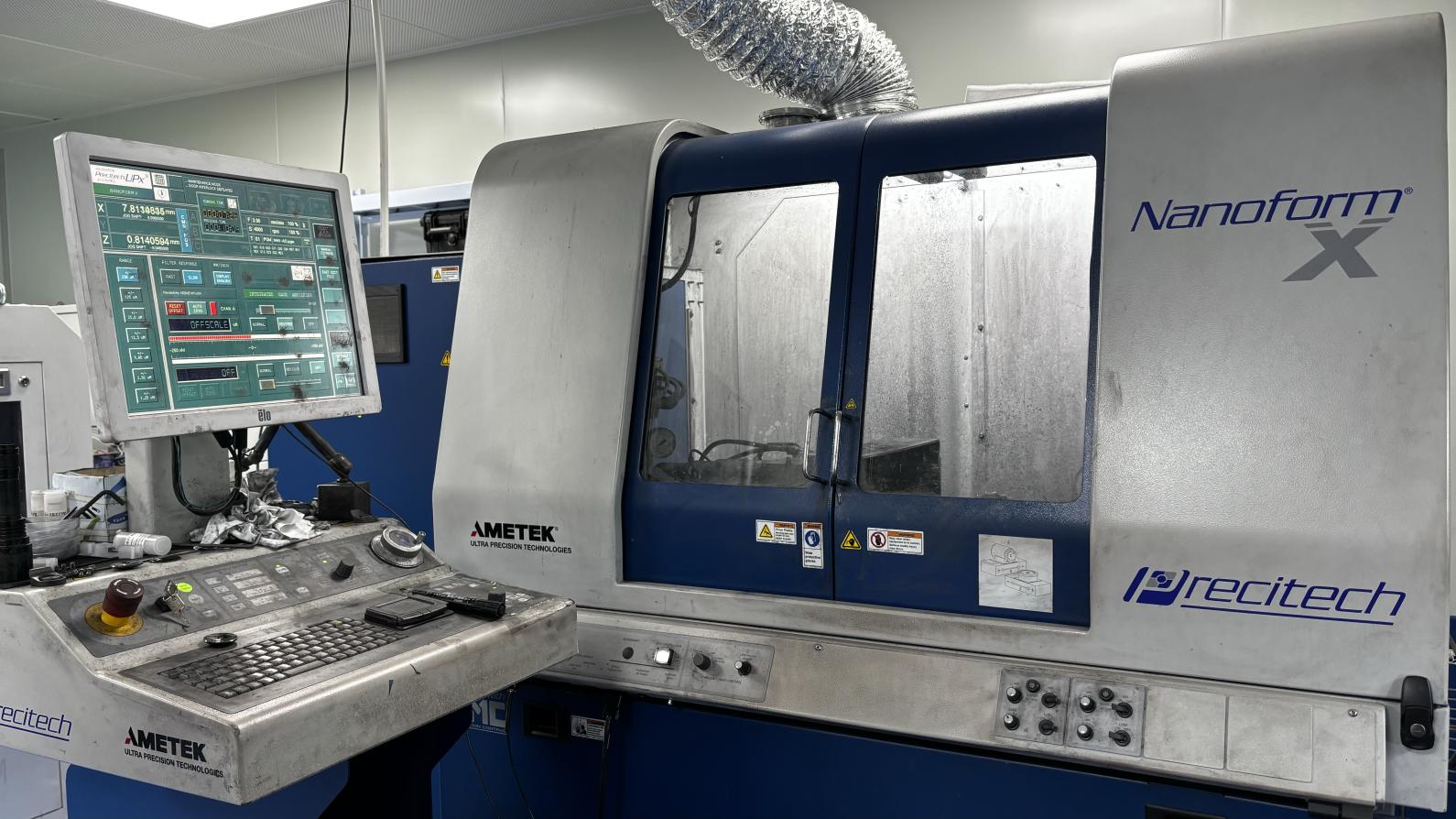
By utilizing the manufacturing ecosystem of China’s optoelectronics hub, we secure raw material pricing and chip access. Our relationships with 860 certified upstream vendors ensure steady delivery times for lasers, photodiode detectors, and micro-controllers, protecting your projects from supply chain interruptions.
For Italian system integrators and distributors, we guarantee complete regulatory alignment:
Our quality control department consists of 42 dedicated QA specialists. Each transceiver undergoes structured verification stages, including clean-room fiber inspection, automated optical testing (eye-diagram mask testing to verify signal integrity), dynamic temperature cycle testing, and host compatibility checks on major networking platforms.
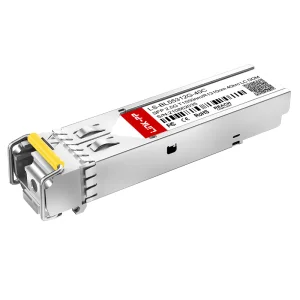
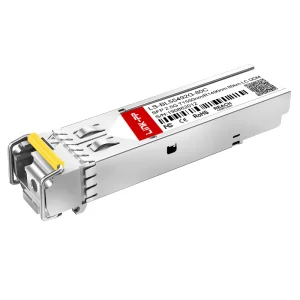
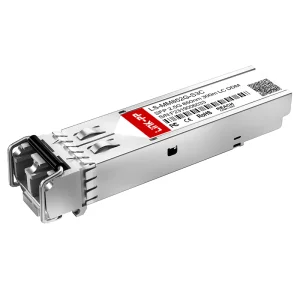
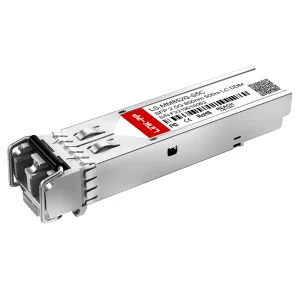
Available in different formats, wavelengths, and distances to support enterprise, metro, and long-haul connections in Italy.
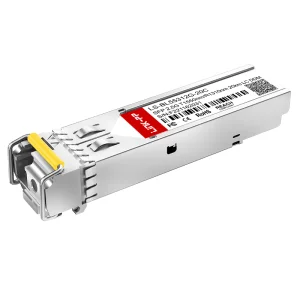
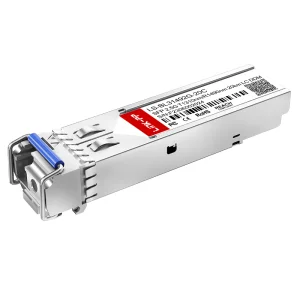
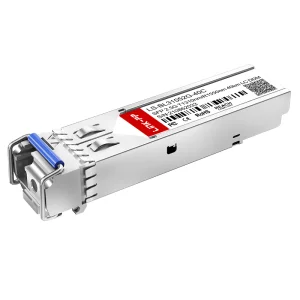
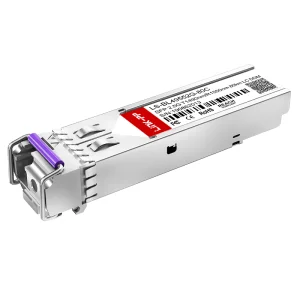
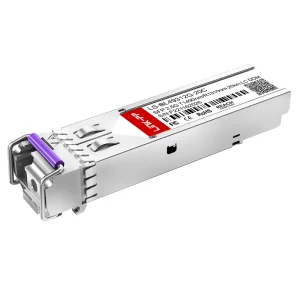
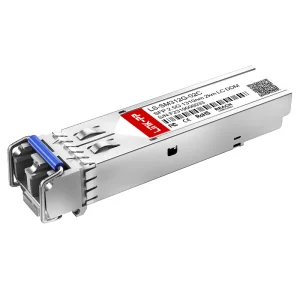
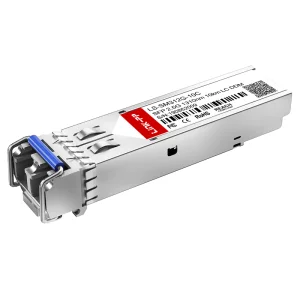
Answers to key technical, compatibility, and logistical questions regarding 2.5G~6G SFP modules.
Whether you require customized wavelength configurations, specialized EEPROM programming for carrier networks, or bulk volume quotes, our engineering support team is ready to assist.
Send Inquiry Now Transolix