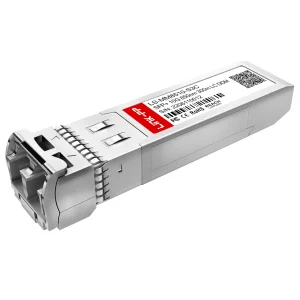
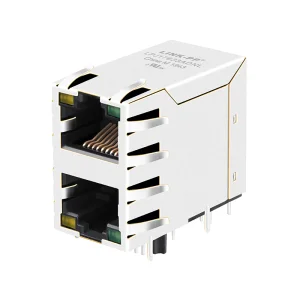
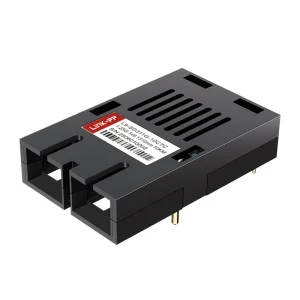
Deploy ready-to-integrate transceivers and modular components engineered to meet the stringent latency and throughput metrics of modern Mexican networks.
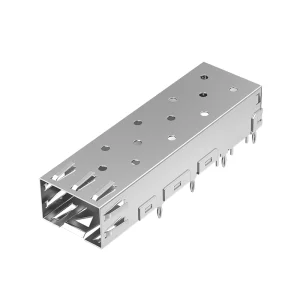
An Analysis of Nearshoring, Cloud Computing, and Telco Growth Constraints
Mexico is experiencing an unprecedented digital transformation. Driven by the massive wave of industrial nearshoring—particularly in northern regions such as Nuevo León, Coahuila, and Chihuahua—and the strategic establishment of Queretaro as the leading hyperscale data center hub in Latin America, reliable high-speed data transmission is critical. The regional ecosystem demands high-density, low-latency interconnection solutions capable of maintaining signal integrity under variable operational conditions.
Global cloud providers and telecommunication carriers (including Telmex, Totalplay, Megacable, and Altan Redes) are building complex backhauls and metro networks. This rapid expansion creates a high volume requirement for optical transceivers—ranging from legacy 1.25G SFPs to advanced 100G QSFP28, 400G QSFP-DD, and emerging 800G modules. As factories and industrial parks modernize to integrate Industry 4.0 automation, IoT, and high-frequency data pipelines, standard network configurations are shifting toward fiber-to-the-edge architectures.
However, importing and deploying optical devices in Mexico presents operational challenges. Network engineers must navigate regional certification requirements, custom clearances, and technical demands tailored to the country's diverse physical topography. From high-altitude deployments in Mexico City to the extreme desert heat of Sonora, hardware must be chosen carefully to prevent thermal-induced failure and optical degradation.
Providing high-reliability, EMI-shielded optical connection modules optimized for automated production lines in Monterrey, Saltillo, and Tijuana.
Supplying high-density 100G and 400G QSFP28/QSFP-DD transceivers to support high-throughput configurations in local hyperscale data centers.
Designed and pre-tested to streamline alignment with Mexico's NOM-001-SCFI-2018 and IFT-012-2019 telecom regulations.
Addressing Heat, Vibration, and Grid Stabilities in Local Deployments
Deploying fiber optic communication systems in Mexico requires careful consideration of local environmental and electrical factors. Standard commercial-grade modules (designed for operational environments of 0°C to 70°C) often experience shortened operational life when deployed in unconditioned outdoor cabinets in northern Mexico, where ambient temperatures can reach 45°C. Transolix specializes in supplying Industrial-Grade Temperature (-40°C to 85°C) optical transceivers, ensuring stable laser performance and preventing wavelength drift under extreme thermal stress.
Furthermore, electromagnetic interference (EMI) is a common issue in heavy manufacturing hubs like Querétaro, Guanajuato, and Coahuila. To address this, our cages and connectors are engineered with advanced EMI-shielding spring fingers, which reduce electromagnetic noise and maintain signal purity at high data rates. Electrical grid variations in remote industrial locations also demand modules with robust built-in Digital Diagnostics Monitoring (DDM) / Digital Optical Monitoring (DOM). This allows network operators to monitor real-time laser bias currents, temperature, voltage, and optical power parameters remotely, enabling predictive maintenance and reducing unexpected downtime.
| Parameter | Standard Optical Module | Transolix Mexico Custom Series | Deployment Advantage |
|---|---|---|---|
| Operating Temp Range | Commercial: 0°C to 70°C | Industrial: -40°C to 85°C / Extended: -20°C to 75°C | Prevents thermal runaway in non-climate-controlled cabinets in northern Mexico. |
| Laser Type | Standard DFB / VCSEL | Hermetically sealed DFB / EML (cooled options) | Maintains precise wavelength center in high-humidity coastal zones (Veracruz/Cancun). |
| EMI Shielding | Standard plastic/metal interface | 360° press-fit metal cage with stainless steel grounding tabs | Reduces packet loss caused by industrial machinery and high-voltage power lines. |
| DDM/DOM Diagnostics | Optional or basic registers | Real-time SFF-8472 compliant monitoring over I2C interface | Enables proactive monitoring from central NOCs in CDMX or Monterrey. |
A Trusted Global OEM/ODM Partner for Telecom Operators and Infrastructure Integrators
Transolix is a professional optical transceiver manufacturer specializing in high-performance fiber optic communication solutions for global data centers, telecom operators, and enterprise networks. With strong engineering capabilities and scalable production capacity, Transolix is committed to delivering reliable, high-speed, and cost-effective optical connectivity products worldwide.
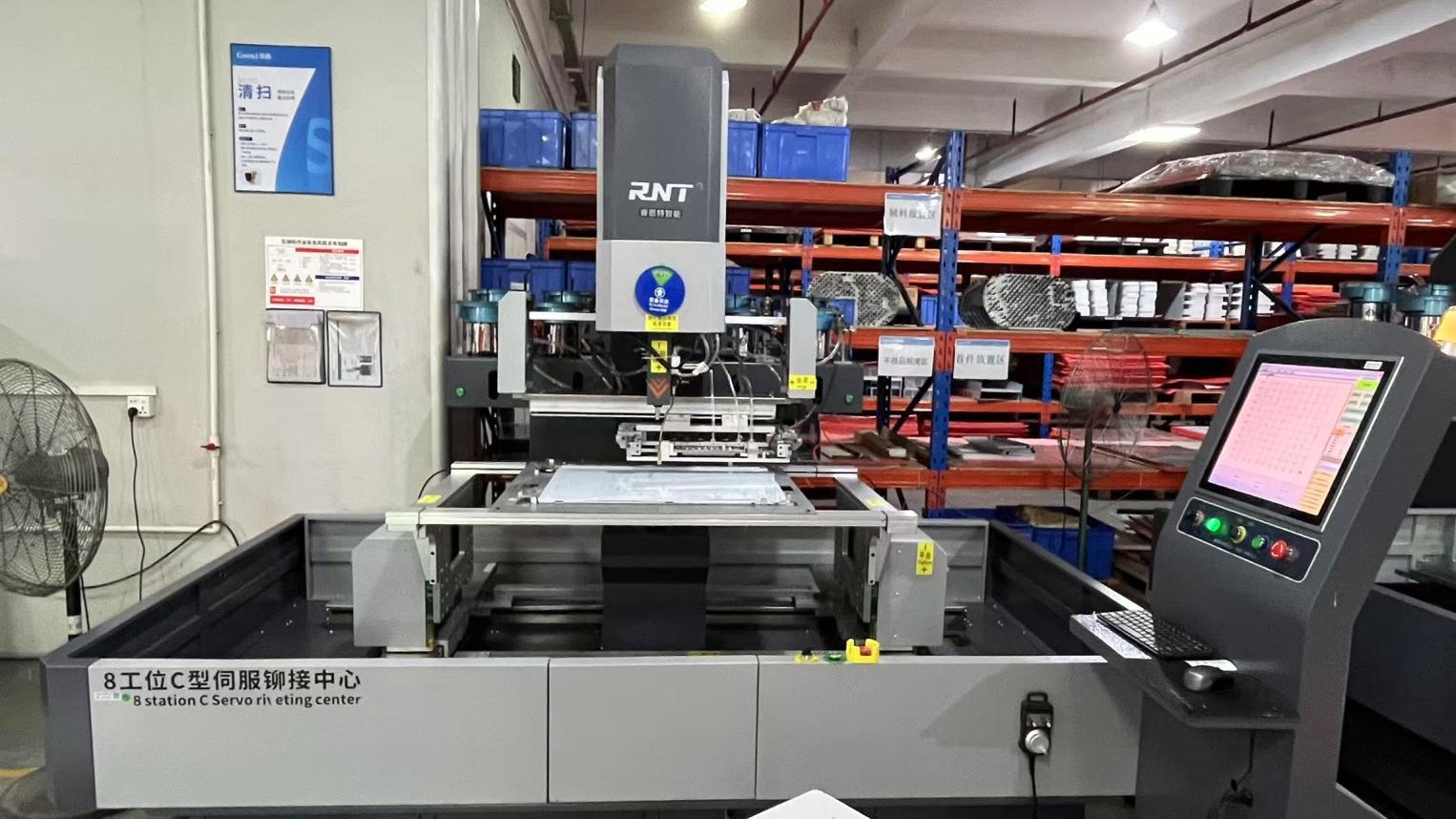
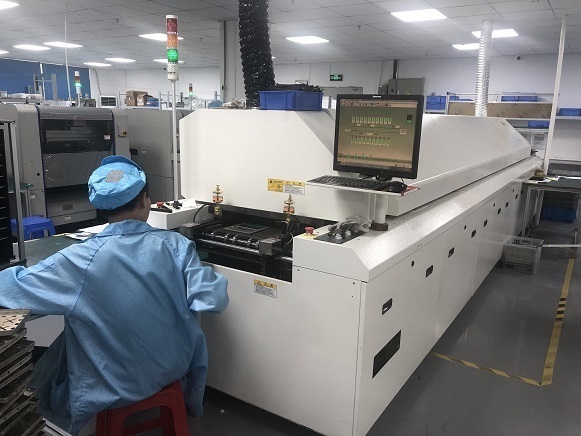
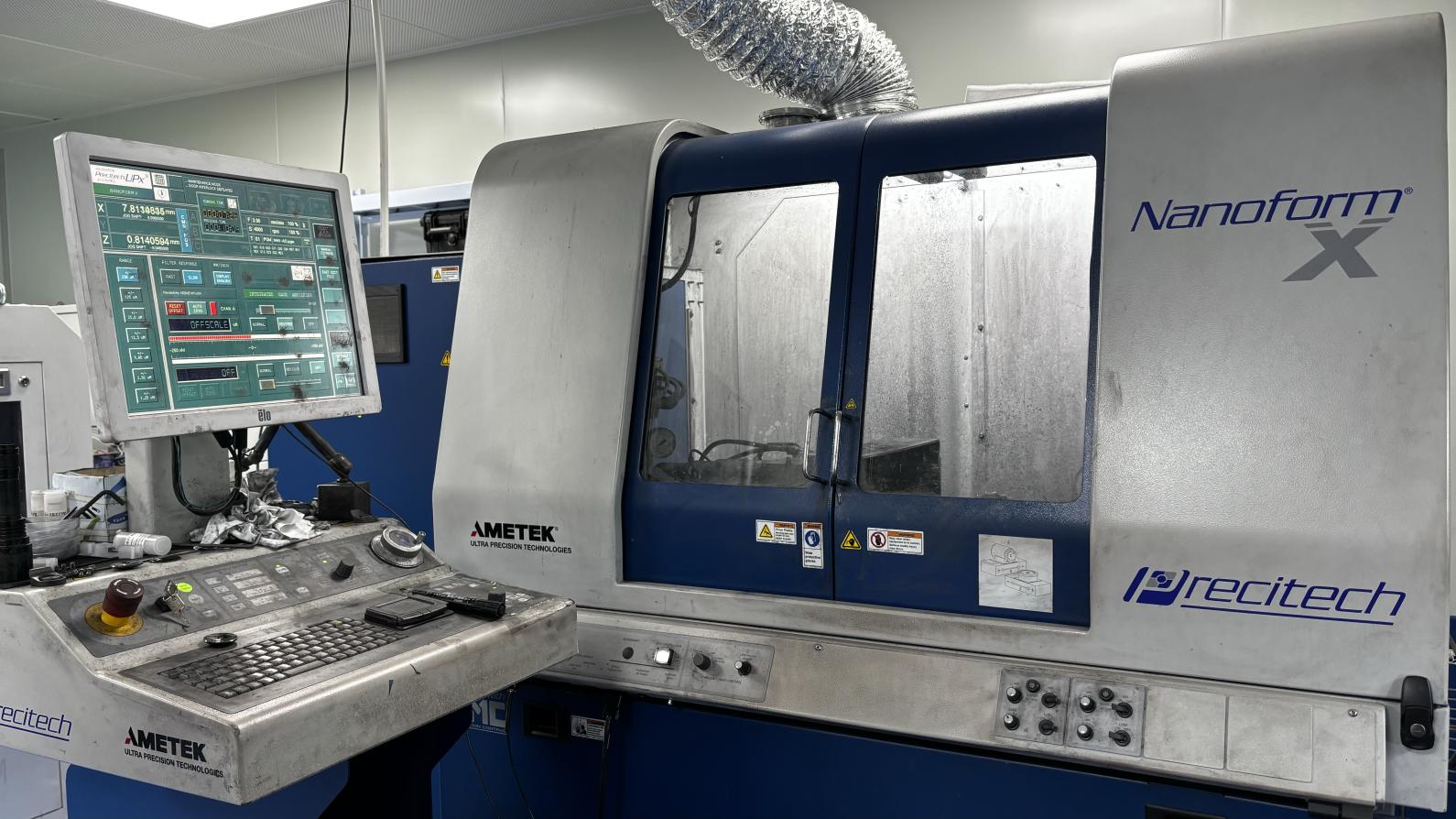
Our production facilities utilize advanced automated optoelectronic assembly, high-precision active alignment systems, and rigorous automated testing systems. This setup ensures that every module matches original equipment manufacturer specs. We maintain 100% interoperability testing on switches and routers from leading manufacturers including Cisco, Juniper, Huawei, Nokia, HP, and Arista, ensuring smooth deployment in mixed-vendor environments.
Ensuring Secure Customs Clearance, IFT Permits, and Technical Compliance
Importing active telecommunication hardware into Mexico requires careful planning. Transolix supports buyers in managing local compliance regulations, helping to prevent costly delays at customs hubs in Mexico City (AICM), Laredo/Nuevo Laredo, or Manzanillo. We provide comprehensive documentation packages to assist in meeting the following requirements:
We work with trusted global logistics partners (DHL, FedEx, UPS, and specialized air freight forwarders) to offer DDP (Delivered Duty Paid) or FCA services, streamlining transit and customs clearance.



Preparing Mexican Networks for the 400G, 800G, and Coherent Optical Era
As internet exchange points (IXPs) in Mexico City, Querétaro, and Monterrey experience growing traffic loads, legacy 10G and 25G channels are approaching capacity limits. Over the next five years, national backbone providers and data center operators are transitioning toward 400G and 800G systems to support AI model training, HD content distribution, and IoT applications. Transolix is positioning itself as a technology partner for this transition.
Our research and development program focuses on Silicon Photonics (SiPh) and Co-Packaged Optics (CPO) architectures. Silicon Photonics integrates optical components onto a silicon substrate, reducing power consumption per gigabit and lowering manufacturing costs. Additionally, for long-haul transmission over 80km, we are expanding our range of coherent optical transceivers (such as 400G ZR/ZR+), which allow for high-speed data transfer over existing single-mode fiber links without requiring expensive dispersion compensation hardware.
Contact our technical support team to evaluate your current network and design a migration plan from 10G/25G to 100G/400G configurations.
Consult with an EngineerAnswers to Common Queries from Optical Network Engineers and Purchasing Departments in Mexico
Yes. Every transceiver shipped is programmed and verified with host-specific firmware using original network equipment switches in our compatibility labs. We support multi-vendor environments by providing customized EEPROM programming, enabling compatibility with brands like Cisco, Huawei, Nokia, HP, Juniper, and Arista.
We offer flexible shipping terms including FOB, FCA, and DAP. We supply complete commercial invoices, detailed packing lists, and certifiable HS codes (typically 8517.62.99 or 8517.70.99) to support your customs broker in securing clearance through hubs like Laredo, Mexico City Airport, or Manzanillo.
Yes. We supply industrial-grade transceivers rated for operating temperatures from -40°C to +85°C. These modules are built with industrial-grade lasers and components, making them suitable for unconditioned outdoor telecom cabinets in high-temperature regions like Sonora, Chihuahua, and Nuevo León.
Our manufacturing process is ISO 9001 certified. We employ a dedicated team of 42 QC professionals who perform automated optical inspection, optical eye diagram analysis, bit error rate (BER) verification, and high-temperature burn-in tests on every batch to ensure performance consistency.
Yes. Through our 128 R&D engineers, we support customizations including specific CWDM/DWDM wavelengths, extended transmission distances (up to 80km or 100km), custom optical connectors, and tailored DOM/DDM interfaces.
Review our range of active transceivers, cages, and high-speed connectors for Mexican infrastructure projects.
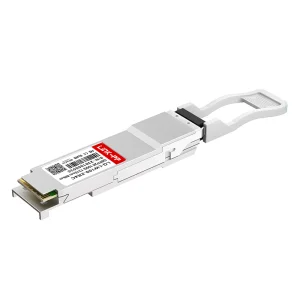
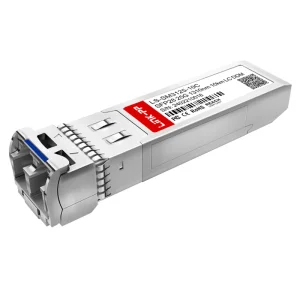
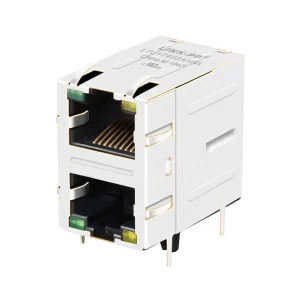
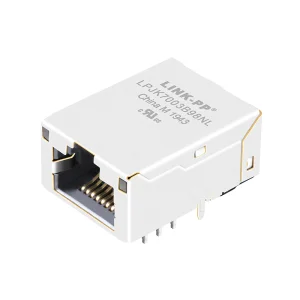
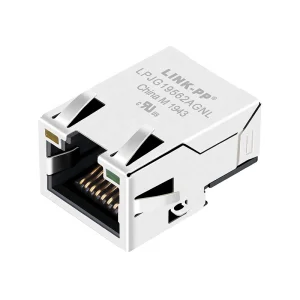
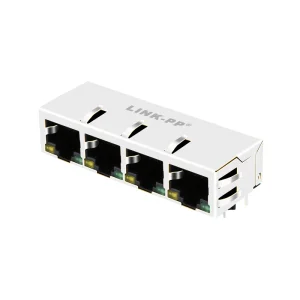
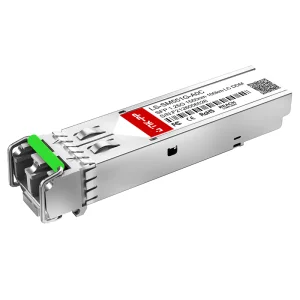
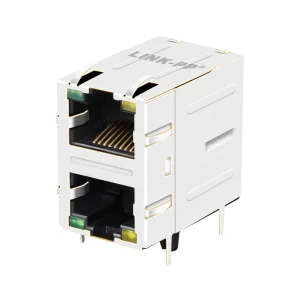
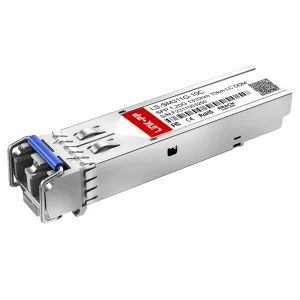
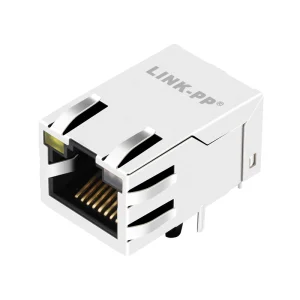
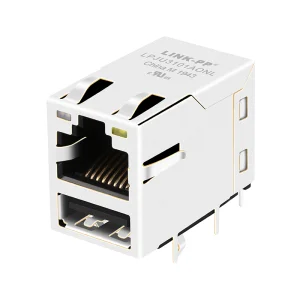
Get reliable, high-performance transceivers tailored to the Mexican market. Connect directly with our engineering team for customized configurations, compliance documentation, and volume quotes.
 Transolix