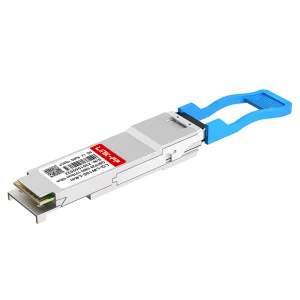
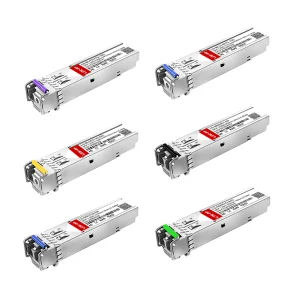
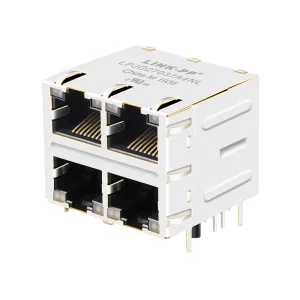
Egypt is uniquely positioned as one of the most critical digital choke points globally. Acting as the bridge between Asia, Africa, and Europe, the Suez Canal transit paths carry over 90% of all data traffic transitioning between Europe and Asia. The Egyptian Ministry of Communications and Information Technology (MCIT) is leveraging this geographic advantage through the Digital Egypt Strategy, catalyzing a massive shift towards fiber-to-the-home (FTTH), 5G standalone networks, and regional cloud infrastructure.
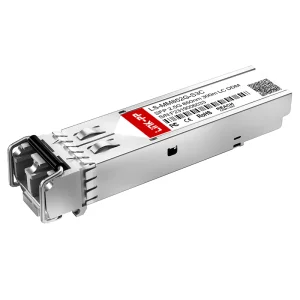
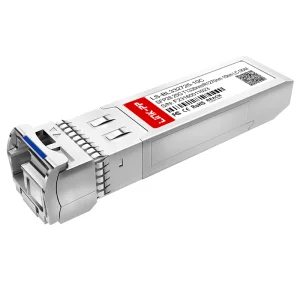
This localized network expansion requires massive deployments of optical transceivers and interconnect systems. Regional data centers in Cairo, Giza, and the New Administrative Capital (NAC) are shifting rapidly from legacy 10G/25G architectures to 100G, 200G, and 400G high-density configurations. This expansion demands optical transceivers that can withstand extreme environmental conditions, deliver low latency, and maintain compliance with Egypt's strict regulatory guidelines.
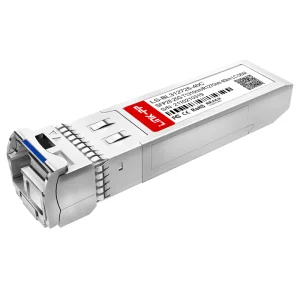
Transolix is an industry-leading optical transceiver manufacturer specializing in designing, testing, and scaling high-performance fiber optic communications products. We supply telecom operators, system integrators, and equipment distributors in North America, Europe, the Middle East, and APAC with reliable components designed to lower total cost of ownership (TCO).
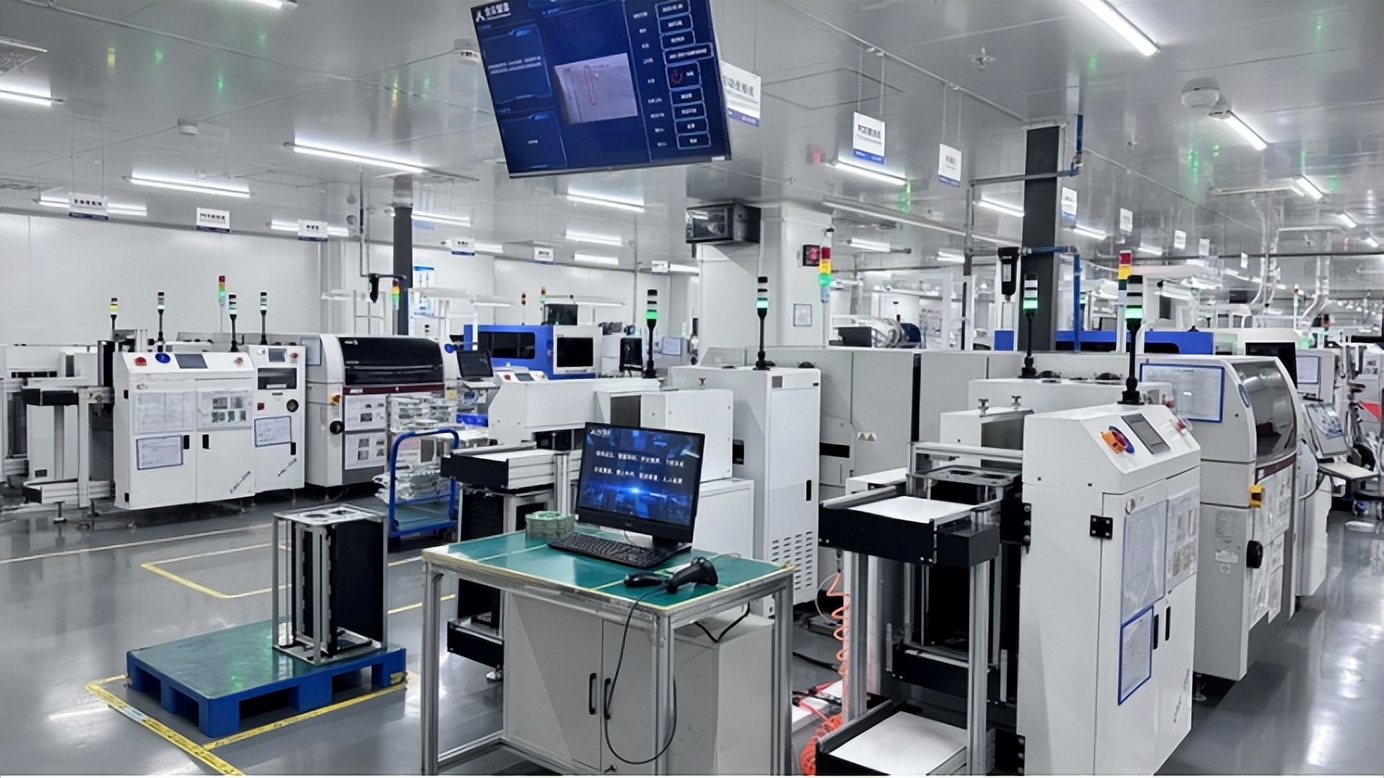
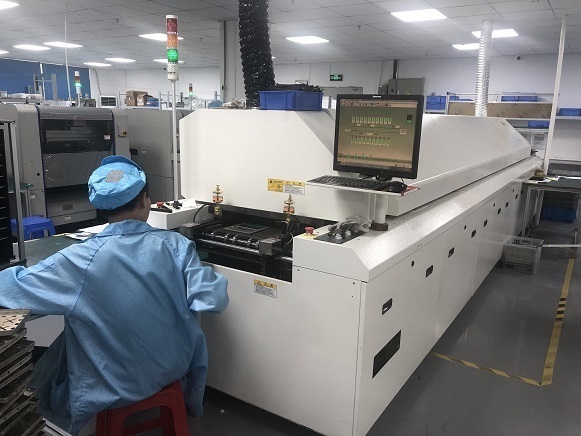
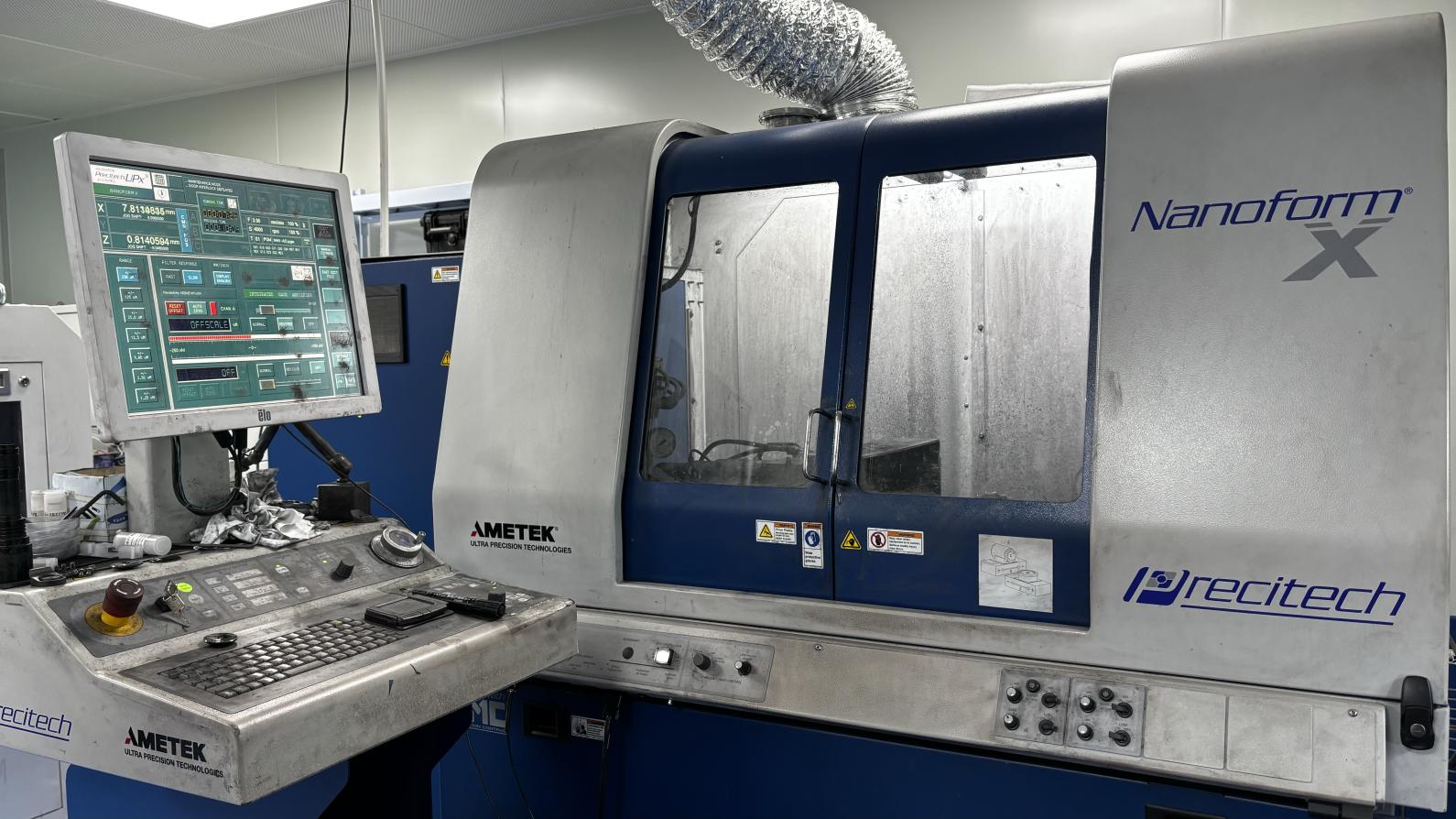
At Transolix, our testing procedures go beyond baseline standards. Operating under strict ISO 9001 certified protocols, we utilize cutting-edge automated optical test systems (AOTS) to evaluate every module under real-world simulations. Our quality inspection method includes:
Deploying fiber network gear in North Africa presents unique environmental and operational challenges. Extreme ambient temperatures, localized dust infiltration, and high cooling power costs in data centers require optical hardware with resilient thermal management and dust-proof connector systems.
Optical transceivers generate heat, particularly at higher transmission speeds (100G, 200G, and 400G architectures). Transolix engineering addresses this with custom heat sink designs and specialized firmware. This allows our transceivers to maintain optimal performance at lower power consumption rates, directly reducing cooling demands in regional data center setups.
| Factor | Standard Module Specs | Transolix Egypt-Optimized Specs | Deployment Benefit |
|---|---|---|---|
| Operating Temp Range | 0°C to 70°C (Commercial) | -40°C to 85°C (Industrial Grade) | Stable performance in uncooled outdoor cabinets. |
| Power Dissipation | ~3.5W - 4.5W (100G LR4) | < 3.2W (Low-Power Optoelectronic ICs) | Reduces regional datacenter thermal output and operational costs. |
| EMI Shielding | Standard mechanical fit | Premium finger-strips & metal enclosures | Prevents signal interference in high-density rack environments. |
| Dust Protection | Basic dust caps | Hermetically sealed components & tight seals | Protects optical pathways from fine dust and sand particles. |
To support telecom upgrades involving legacy and multi-vendor systems, our components adhere to MSA standards. Each transceiver is programmed with hardware-specific code, verifying seamless compatibility with Cisco, Juniper, HW, Ciena, and other switch platforms deployed across Egypt.
Navigating regulatory standards is essential for smooth hardware deployment. Telecom equipment imported into Egypt must comply with standards set by the National Telecommunications Regulatory Authority (NTRA). Transolix supports buyers through each step of the compliance and customs process to help prevent clearance delays.
We provide full technical documentation, certificates of conformity, and test reports to support NTRA Type Approval for telecommunication imports.
Our strong supply chain partners help us maintain consistent delivery schedules to Egypt ports (Alexandria, Port Said, Sokhna) through key air and sea corridors.
Our engineering team assists with remote diagnostics, configuration scripting, and firmware updates to help you integrate modules into your networks.
As networks expand, transceivers must evolve to support higher bandwidth demands. Transolix continues to invest in advanced technology pathways to help network operators scale efficiently and sustainably.
Traditional discrete optics can be complex to assemble and scale. Transolix is transitioning to Silicon Photonics, integrating optical modulators, detectors, and wave multiplexers onto a single silicon chip. This approach improves signal density, lowers manufacturing complexity, and reduces power consumption.
As 800G and 1.6T systems enter development, signal loss between host switches and pluggable transceivers becomes a bottleneck. We are engineering Co-Packaged Optics (CPO) solutions that position the optical engine close to the switch ASIC. This configuration helps maintain signal integrity and reduces energy consumption by up to 30% compared to standard pluggable systems.
To support Egypt's expanded metro links, we are increasing production of coherent optical modules. By using advanced phase modulation and digital signal processing (DSP), coherent modules can send hundreds of gigabits of data over thousands of kilometers without costly inline regeneration stations.



Get in touch with our engineering and logistics specialists for product configurations, pricing, and NTRA import documentation support.
Contact Our Export Team Now Transolix