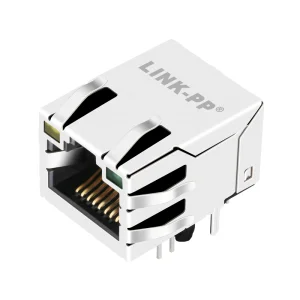
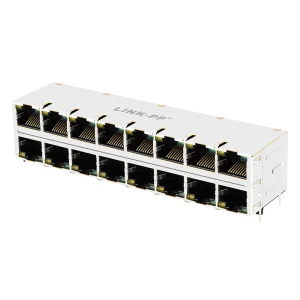
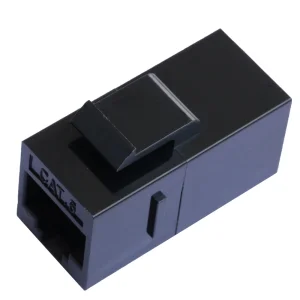
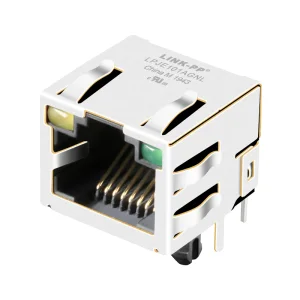
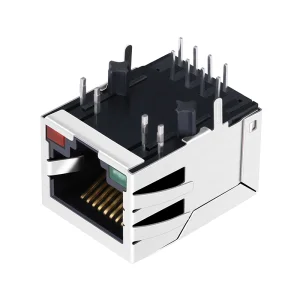
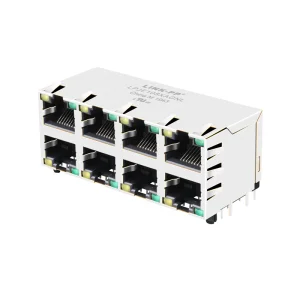
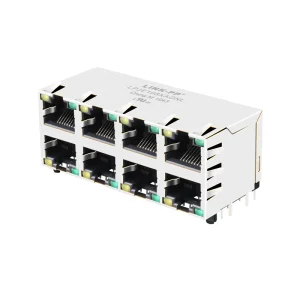
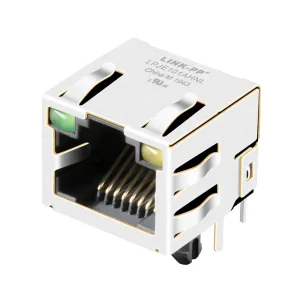
Primary selections featuring pure copper interfaces without internal magnetic isolation, allowing optimal physical-layer routing flexibility on local PCB designs.
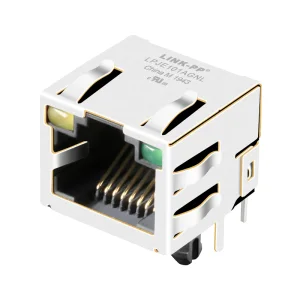
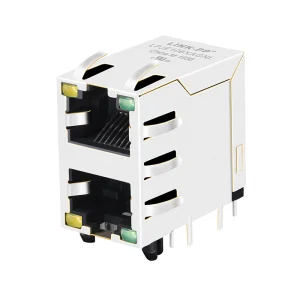
Within high-performance network engineering, the choice of physical layer interface architecture represents a pivotal system design compromise. Standard Ethernet jacks rely on Integrated Connector Modules (ICMs) that bundle magnetic isolation transformers. However, high-speed layout designers serving advanced computing paradigms in Seattle and Bellevue increasingly specify RJ45 without magnetics configurations.
Omiting internal magnetics allows system developers to locate physical layer (PHY) isolation components directly on the primary circuit card. This separation significantly limits inter-pair crosstalk and permits the insertion of bespoke component arrays designed to address specific electromagnetic interference (EMI) problems. Crucially, the omission of magnetic windings inside the metal housing enhances thermal headroom, mitigating failure vectors in elevated ambient temperature designs typical of dense compute clusters.
“Decoupling the physical jack housing from active coupling magnetics gives PCB layout engineers complete control over path impedance and power transmission paths, yielding superior signal integrity for specialized non-standard applications.”
Transolix provides robust physical layer components to bridge the gap between complex network backplanes and structural cabling assemblies. Our custom solutions serve critical local industries in Washington, aligning closely with strict electrical characteristics and physical profile demands.
| Feature Parameter | Standard ICM Jack | RJ45 Without Magnetics |
|---|---|---|
| Thermal Performance | Limited by internal coils | High (Board dissipation) |
| EMI Customization | Fixed internal filtering | Fully configurable layout |
| Vertical Stack Height | Bulky assembly profiles | Ultra-low profile options |
| Physical Cost | Premium unit cost | Cost-optimized connector |
Empowering the unique ecosystem of software pioneers, aerospace fabricators, and marine automation clusters in Washington State.
Seattle's tech corridors host the world's most dense virtual server parks. Our interfaces provide clean paths for proprietary backplanes using out-of-band management links.
Industrial platforms near Renton and Everett demand ruggedized physical interfaces. The lack of sensitive internal magnetic windings optimizes physical shock and temperature tolerance.
From maritime monitoring on Puget Sound to automated agricultural grids, non-magnetic modular jacks facilitate clean PoE integration over custom remote PCB designs.
Specifically engineered modular interfaces designed to minimize port footprint while sustaining high signal compliance metrics.
Established in 2016, Transolix has grown to become a leading optical transceiver and structural interface component manufacturer. Serving complex telecom configurations, hyperscale data parks, and mission-critical embedded computing arrays globally, we deliver robust solutions bridging physical copper and fiber domains.
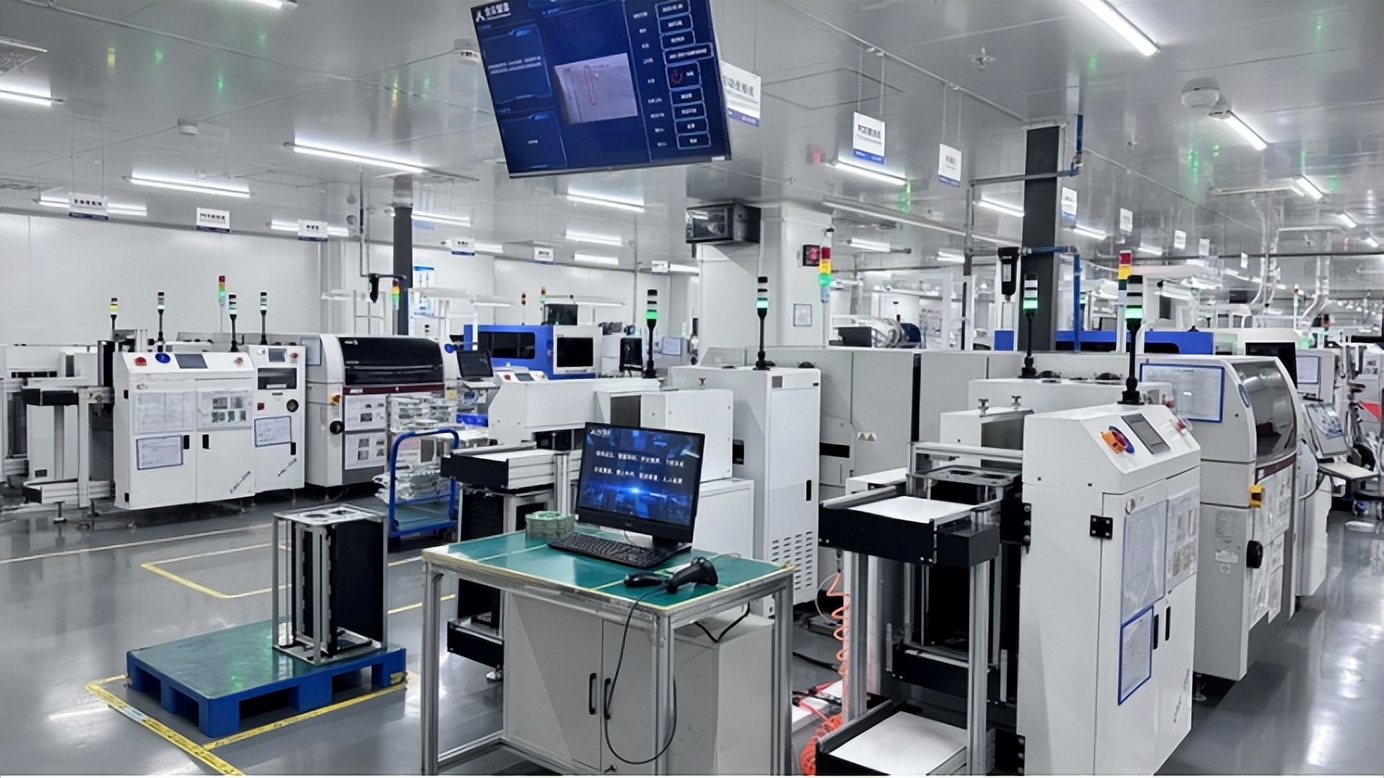
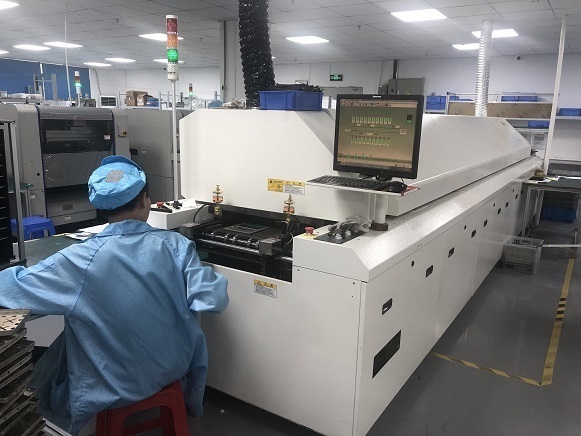
Operating out of a 320m² state-of-the-art facility, our engineering capability is highlighted by the release of 86 new product designs annually. Backed by 128 R&D engineers, we customize physical interfaces to meet challenging layouts and noise profiles.
Our quality management division utilizes 42 professional specialists ensuring 100% testing. Our quality control encompasses automated optical testing, precise eye diagram verification, thermal stress testing, and physical electrical impedance analysis. This rigor guarantees that every shipment arriving in Seattle exhibits unmatched long-term reliability.



We support regional developers through seamless product compliance, technical design validation, and optimized global logistics channels.
Whether integrating standard networking structures or engineering custom optical systems, our Seattle-focused technical representatives are ready to support your timeline. We assist with mechanical models (STEP format), custom footprint layouts, and crosstalk simulation analyses.
Transolix components undergo testing to ensure long-term stability and compliance. We guarantee our RJ45 interfaces meet major industry and environmental standards.
Explore our comprehensive catalog of shielded, LED-equipped, single-port, and high-density multi-port interfaces.
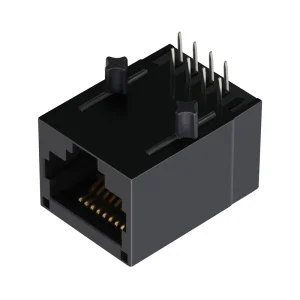
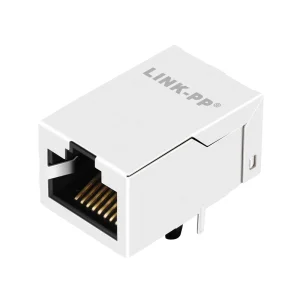
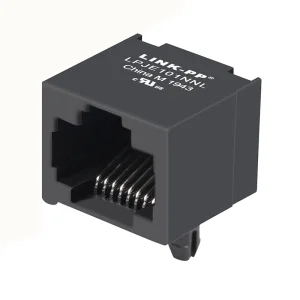
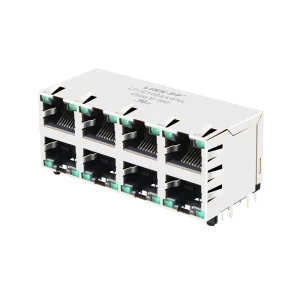
How physical RJ45 structures are evolving to adapt to Multi-Gigabit architectures and co-packaged hardware modules.
As Seattle's tech centers advance toward 2.5G, 5G, and 10G copper nodes, maintaining a standard 100-ohm impedance match is critical. Our non-magnetic series isolates trace parameters to improve high-frequency transmission headroom.
Transolix leverages its expertise in fiber transceivers to optimize physical interfaces where copper and fiber reside on the same board, helping to reduce electromagnetic cross-talk near optical modules.
Standard modular networks generate localized heat inside the jack casing. Moving active magnetics to open areas of the PCB board improves thermal dissipation, making it ideal for continuous, high-load systems.
Clear, definitive technical clarifications directly from our R&D engineering desk.
Contact our technical support desk to receive physical engineering samples, 3D STEP models, or review custom layout specifications with our engineers.
Send Inquiry Now Transolix