Transolix
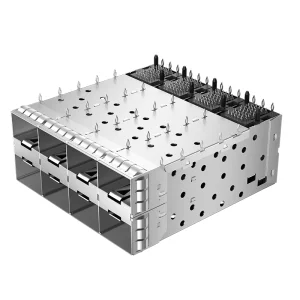
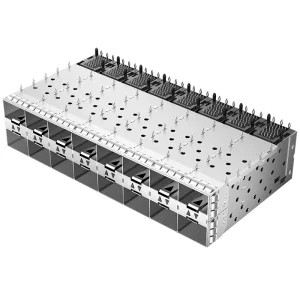
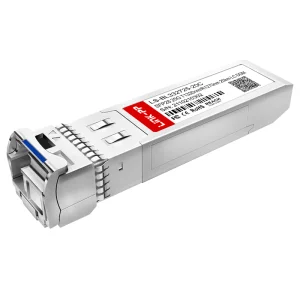
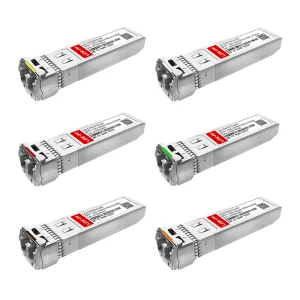
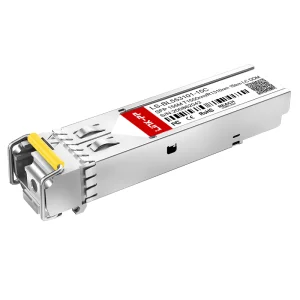
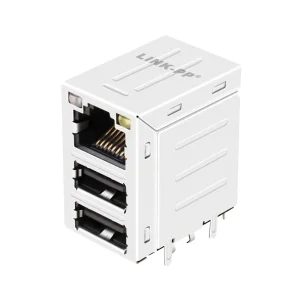
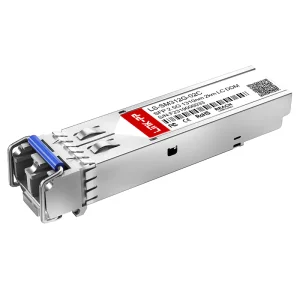
Azerbaijan is undergoing a major digital transformation, serving as a critical communication bridge between East and West. Driven by the government's strategic focus on establishing the country as a regional digital hub, major investments are flowing into fiber-to-the-home (FTTH) expansion, high-speed regional transport networks, and municipal data centers in Baku, Ganja, and Sumgait. Key operators such as Azertelecom, Azercell, and Bakcell are heavily upgrading their core routing infrastructure, creating an unprecedented demand for reliable network interconnect components. Central to these high-speed systems are Small Form-Factor Pluggable (SFP) cages and modular jacks, which dictate the physical integrity, signal reliability, and electromagnetic compatibility (EMI) of modern switching platforms.
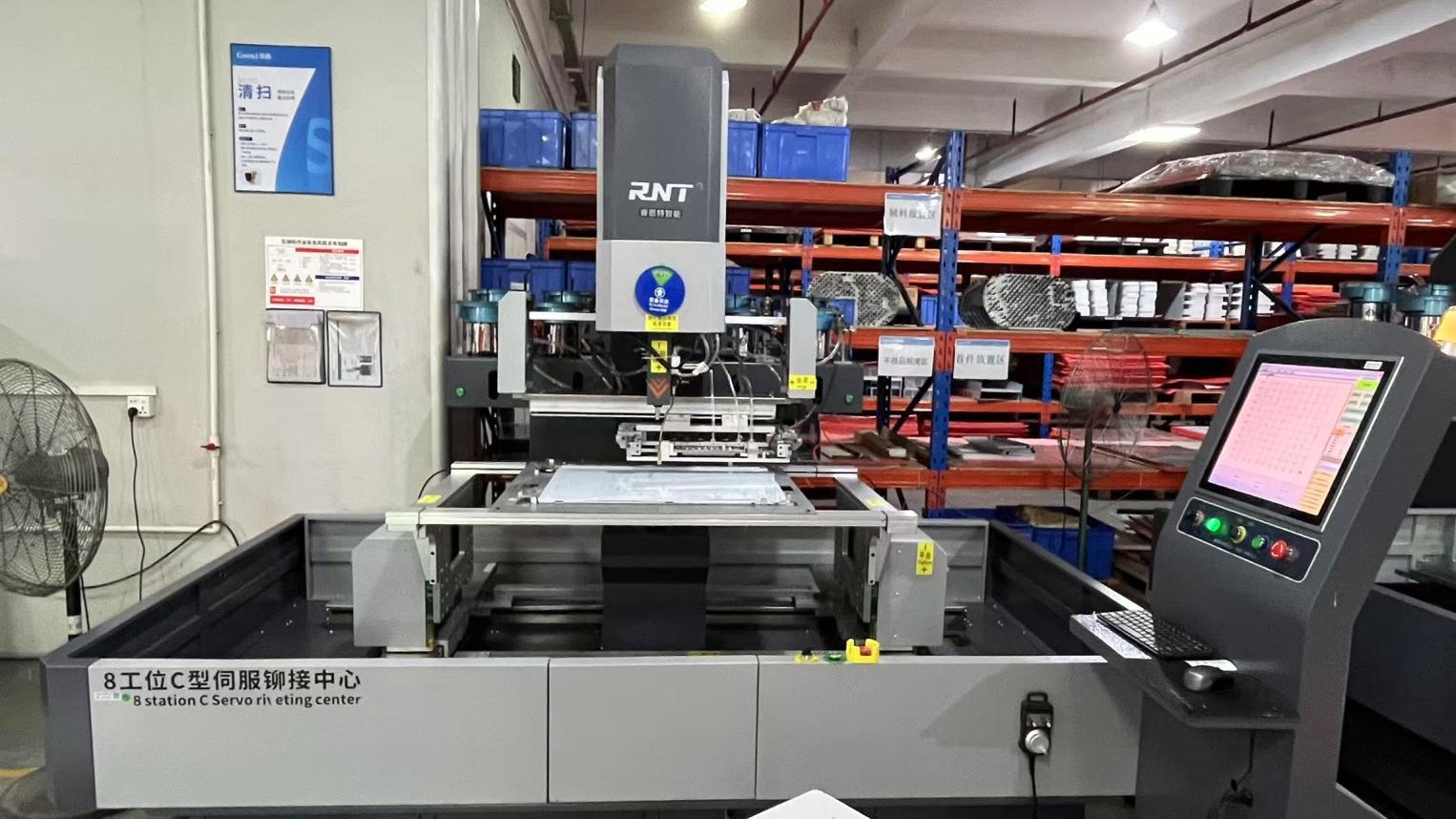
As transmission speeds scale toward 10G, 25G, and 400G, the electrical margins for signal degradation contract sharply. In the high-humidity coastal environment of Baku and the arid inland regions of Azerbaijan, thermal management and corrosion resistance are paramount. Standard components often fall short, leading to signal loss, thermal throttling, and EMI leakage. To meet these harsh parameters, telecommunication infrastructure developers in Azerbaijan require a dependable, direct-factory SFP cage exporter that guarantees compliance with MSA standards, robust mechanical construction, and optimized EMI containment.