Industrial-grade modular connectors optimized for subsea landing stations, metro fiber backbones, and telecom hubs across Accra, Kumasi, and Takoradi.
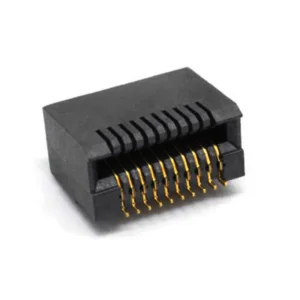
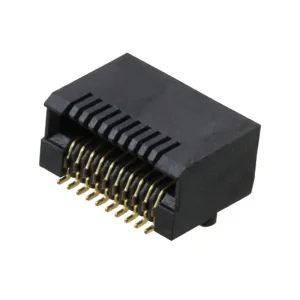
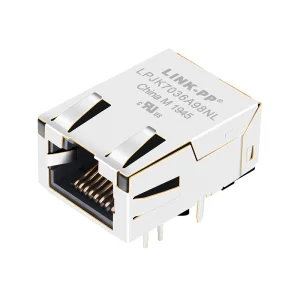
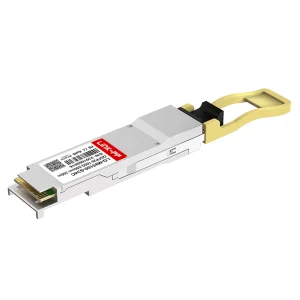
Ghana is rapidly evolving into a pivotal technology and digital services hub for West Africa. Driven by the Government of Ghana's digitalization agenda, the deployment of 4G/5G networks, and the expansion of metropolitan fiber rings, the demand for highly reliable physical-layer interconnect components has surged. Major carrier networks, internet service providers (ISPs), and data center operators in Accra and Kumasi require robust optical components capable of supporting high throughput under harsh environmental conditions.
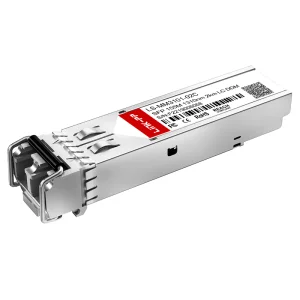
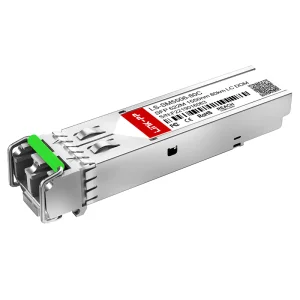
The landing of multiple international subsea fiber optic cables in Accra—including MainOne, SAT-3, WACS, GLO-1, and Google's Equiano cable—has established Ghana as a critical gatekeeper for transcontinental data traffic. To link these high-capacity international landing stations with terrestrial backhaul networks, network engineers utilize Small Form-Factor Pluggable (SFP) transceiver modules and SFP connectors. The reliability of these localized networks depends heavily on the physical connections inside terminal switches, routers, and optical transport systems.
Additionally, Ghana's humid tropical climate, characterized by high ambient moisture and coastal salinity near Tema and Accra, creates challenges for copper and copper-alloy interfaces. SFP connectors designed with advanced gold plating (such as 30u") and robust EMI fingers are essential to prevent surface oxidation, minimize signal degradation, and resist corrosion over decades of operations.
Key highlights of the local infrastructure landscape requiring advanced SFP interconnect systems:
Connecting WACS, Equiano, MainOne, and SAT-3 networks to local metropolitan fiber rings.
Requires high-frequency SFP+ and QSFP connectors to support massive MIMO and high-bandwidth fronthaul/backhaul links.
Industrial grade RJ45 and SFP combinations for banking, mineral extraction, and logistics networks.
How next-generation networking standards and high-speed data requirements are reshaping SFP manufacturing technologies.
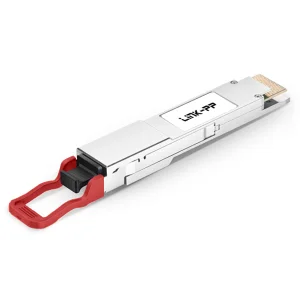
Transitioning from 10G/25G SFP models to QSFP-DD and OSFP configurations to support hyperscale cloud deployments.
Advanced physical layer engineering maintains low signal attenuation across long-haul optical runs.
Ensures seamless operation across third-party switches, routers, and firewalls including Cisco, Huawei, and Juniper.
In the global market, high-speed optical transceivers and SFP cages/connectors are experiencing rapid transformations driven by AI, cloud computing, and massive data pipelines. Let us evaluate the dominant global industrial trends that also directly impact the procurement decisions of network planners in Ghana:
Historically, NRZ (Non-Return-to-Zero) was the standard modulation for SFP. Today, PAM4 (Pulse Amplitude Modulation 4-Level) enables double the data transmission rate at the same physical baud rate, pushing optical lines to 50Gbps and 100Gbps per lane.
As transmission frequencies increase, power density spikes. Newer SFP connectors incorporate integrated heat sinks and advanced EMI elastomer gaskets to maintain structural and electrical integrity at temperatures up to 85°C.
Integrating optical waveguides on silicon substrates simplifies manufacturing, reduces packaging overhead, and enables modular connectors to interfaces directly with high-performance silicon platforms.
For future terabit deployments, switching ICs and SFP-style modules are brought directly onto the same host substrate, drastically shortening copper traces to eliminate high-speed signal losses.
Transolix is a specialized optical transceiver manufacturer offering high-performance fiber optic communication solutions to global data centers, telecom operators, and enterprise networks. With deep engineering capabilities and scalable production capacity, Transolix delivers reliable, high-speed, and cost-effective optical connectivity products worldwide.
Our commitment to rigorous testing and technological excellence ensures that our SFP connectors and transceiver modules conform to strict international Multi-Source Agreements (MSAs) and industry standards, providing worry-free operation across diverse network configurations in West Africa.
| Transolix At A Glance | |
|---|---|
| Year Established | 2016 |
| Manufacturing Footprint | 320㎡ Clean Room Assembly Facility |
| Annual Export Revenue | USD 8 – 15 Million |
| Export & Industry History | 6 Years Export, 11 Years Industry Focus |
| R&D Team | 128 Experienced Engineers (86 models released last year) |
| Quality Assurance Force | 42 QC Professionals |
| Supply Chain Network | 860 Certified Upstream Suppliers |
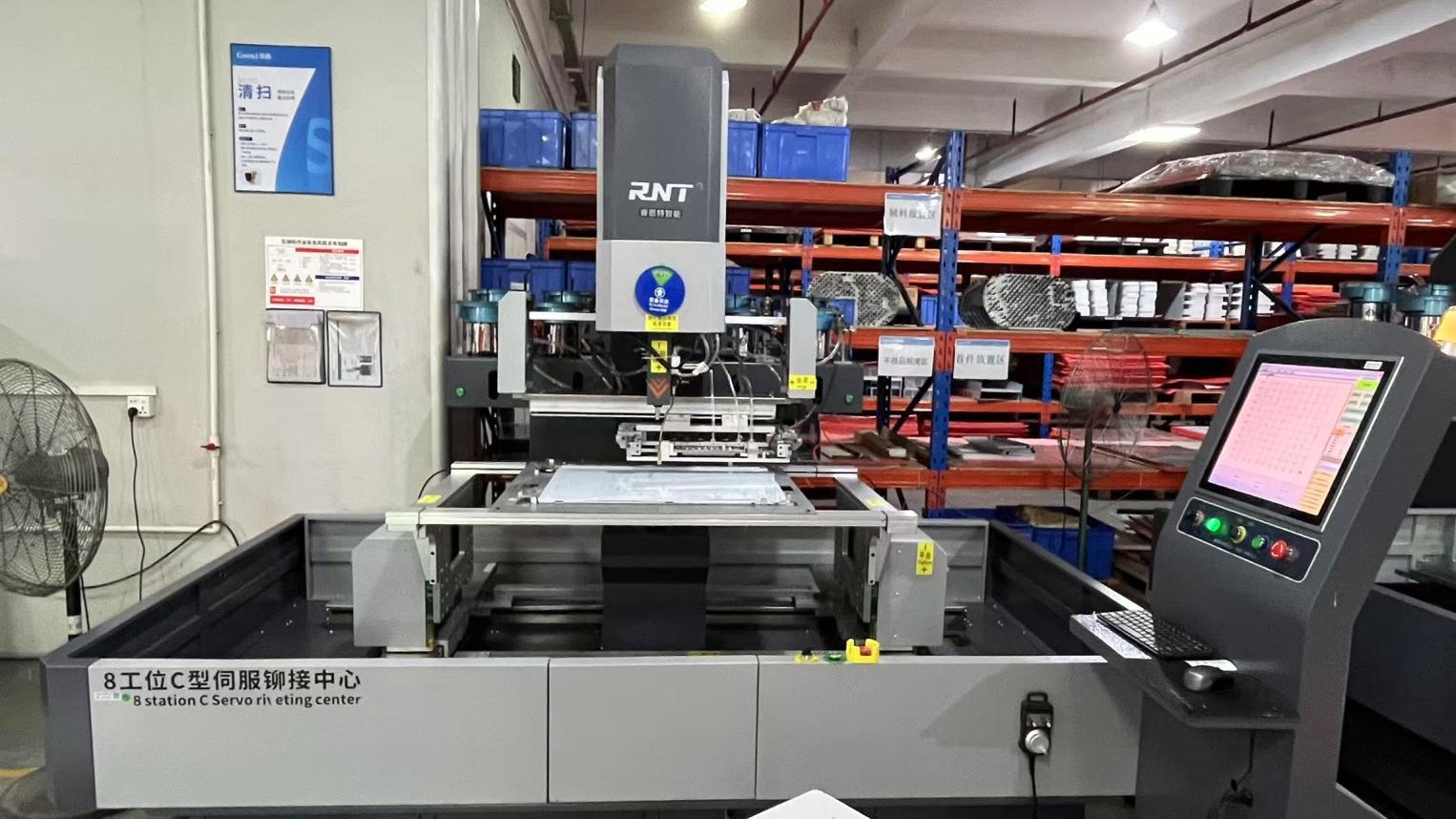
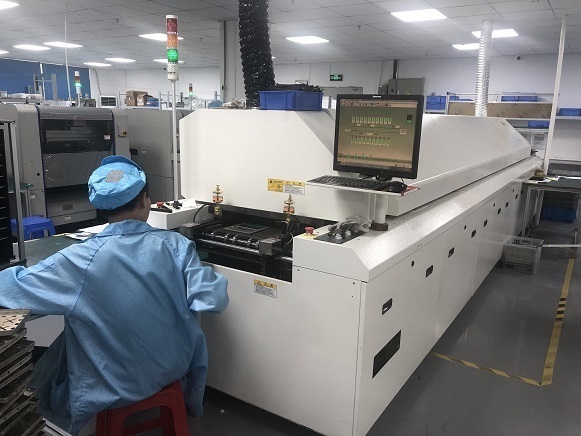
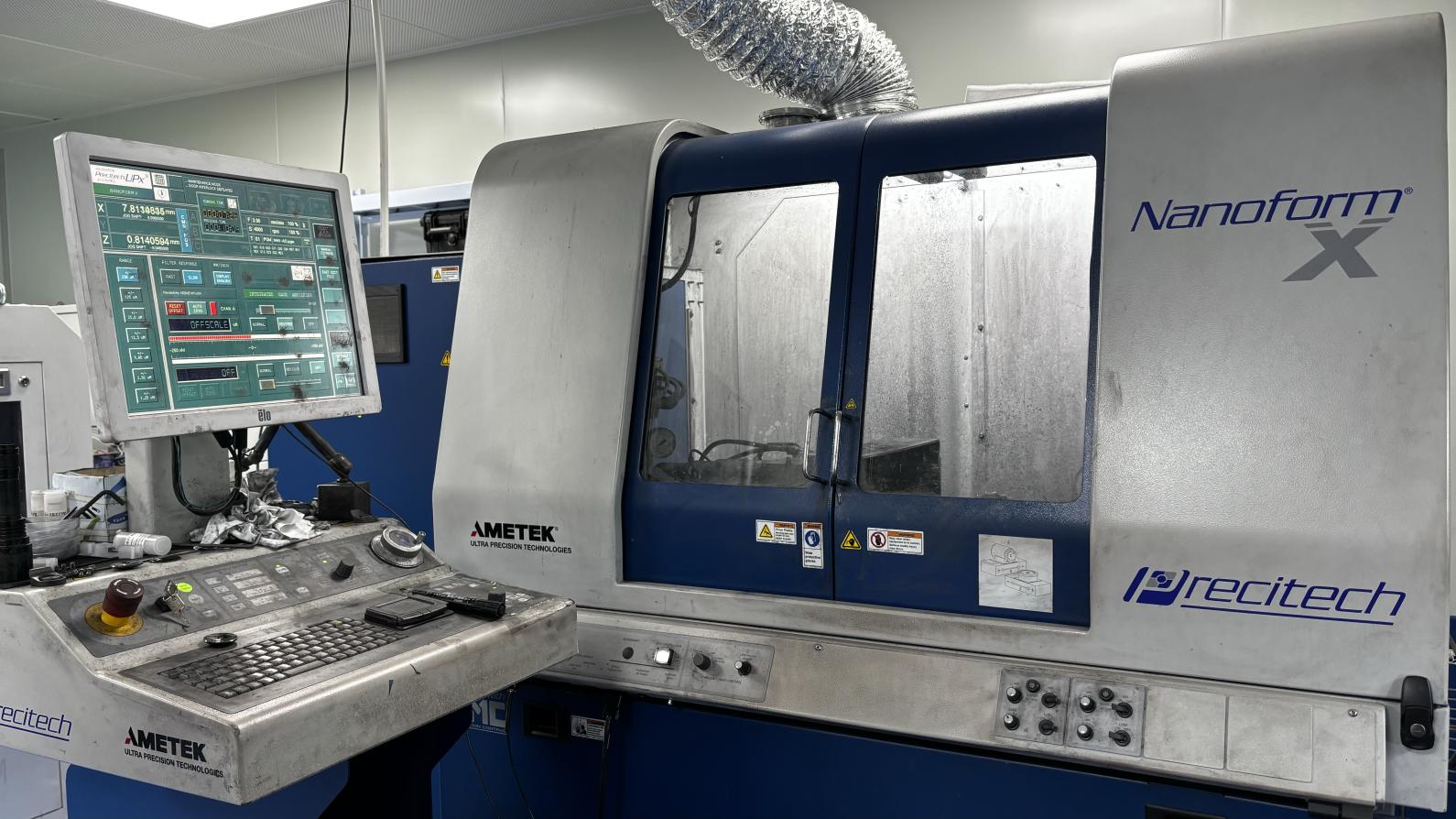
At Transolix, quality is not a secondary checkbox; it is the cornerstone of our manufacturing philosophy. We implement strict ISO 9001 quality systems alongside proprietary reliability standards to verify every sub-component. Our verification procedures include:



Deploying tailored optical connectivity to solve critical real-world infrastructure problems in Ghana.
Accra is home to modern, Tier-III certified data centers housing critical financial core banking systems, government records, and cloud application platforms. These systems demand zero-downtime performance. Using Transolix gold-pleated 30u" SFP SMT connectors prevents terminal oxidation from humidity, ensuring constant data replication, low latency, and high-speed data exchanges.
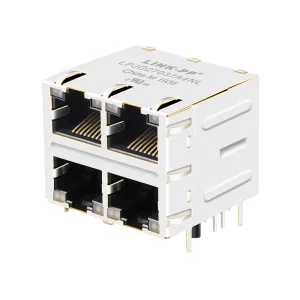
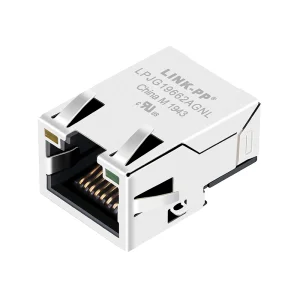
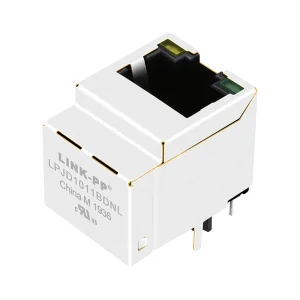
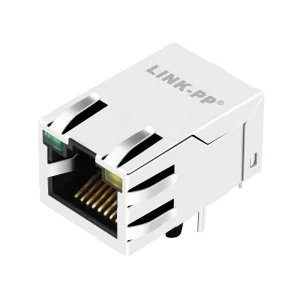
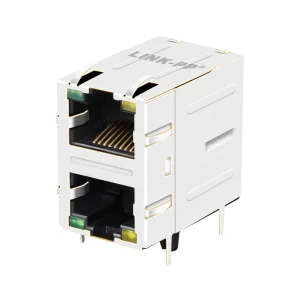
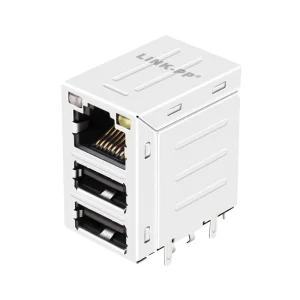
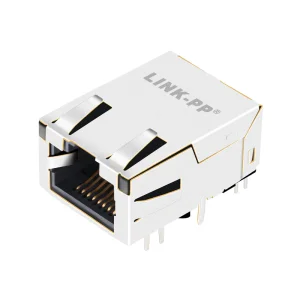
The Port of Tema uses modern container terminals that rely on automated scheduling and fiber optic command loops. The high levels of salinity and industrial pollutants in maritime environments require shielded RJ45 MagJack and SFP connectors with superior EMI fingers and robust housings to protect data links from corrosion and electro-magnetic noise.
Telecom operators in Ghana are expanding broadband connectivity to rural towns and mining districts in Obuasi and Tarkwa. Optical transceiver modules designed for extended operating temperatures (such as 1310nm/1550nm single-mode modules running up to 40km-80km) link remote cell sites back to central networks, bypassing terrain challenges.
Expert answers to the most common design, installation, and physical-layer compatibility questions raised by telecom engineers in Ghana.
Gold plating serves as an anti-corrosion barrier for the underlying copper-alloy contacts. In coastal environments like Accra and Tema, elevated humidity and airborne salt compounds accelerate galvanic corrosion. Using 30u" gold plating provides a thicker, more durable protective layer that withstands repetitive insertion cycles and minimizes contact resistance over time, preventing signal attenuation and link failure.
Yes. Transolix supports full firmware customization. We can encode the EEPROM memory of SFP, SFP+, and QSFP28 modules to match the vendor codes of leading hardware companies. This ensures that when the module is inserted into a router or switch, it is recognized as native hardware, preventing configuration errors and boot issues.
High-speed network lines operate at high frequencies, which can generate electromagnetic interference (EMI). Integrated EMI fingers contact the module casing to direct static and high-frequency emissions to ground, shielding nearby components and preserving signal integrity.
Single Mode Fiber (SMF) uses a narrow core (typically 9μm) to transmit a single light pathway, making it ideal for long-distance runs (up to 40km-80km) in metro network backbones. Multimode Fiber (MMF) has a larger core (50μm or 62.5μm) that supports multiple light angles, which is cost-effective for short distances (up to 300m) inside enterprise server rooms and data centers.
We provide full technical support, OEM/ODM customization services, and customized production planning. With our extensive certified supply chain of over 860 partners, we can manage bulk orders efficiently, reduce delivery lead times, and maintain consistent quality for municipal and enterprise projects across West Africa.
Explore our high-performance fiber optic and copper cabling solutions engineered for networks across Ghana.
Contact our system engineering team today for technical details, product compatibility reports, or custom production quotes for SFP, SFP+, and optical transceivers.
Send Inquiry Now Transolix