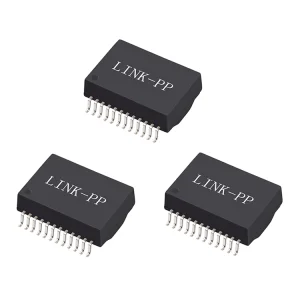
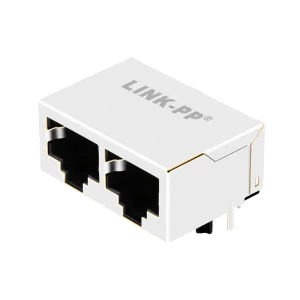
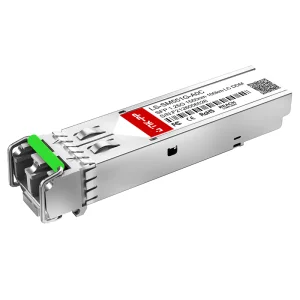
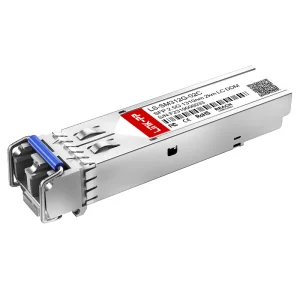
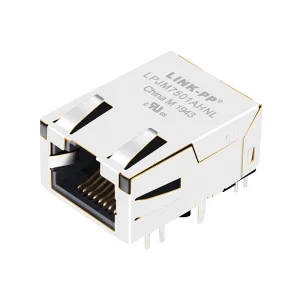
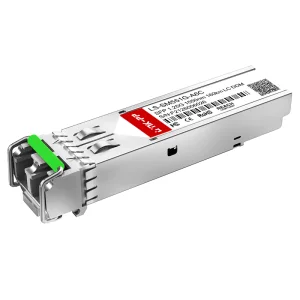
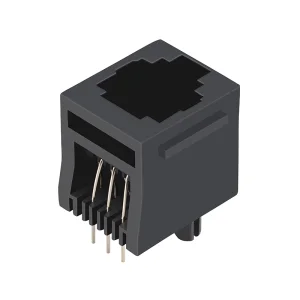
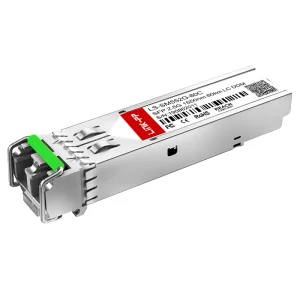
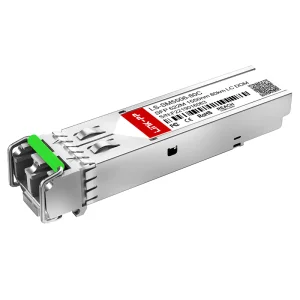
Explore our baseline selection of high-frequency telecom modules, integrated magnetic connectors, and long-range optical transceivers engineered for enterprise infrastructure.
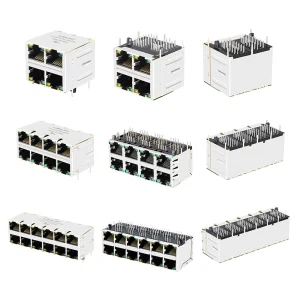
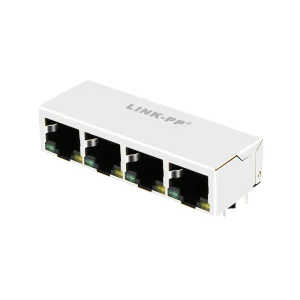
In the rapidly advancing landscape of high-speed copper interconnects, the Flex RJ45 Connector represents a critical evolutionary leap from traditional rigid termination systems. Designed to facilitate multi-angle routing within cramped enclosures, high-density server rack spaces, and dynamic mechanical environments, the flex-configured RJ45 provides engineers with structural versatility without compromising electrical performance. As networks scale from Gigabit Ethernet to 10G Base-T and beyond, handling physical strain while maintaining strict signal integrity standards has become a paramount challenge.
Standard RJ45 connectors force data cables to bend sharply at the boot termination, creating physical stress and causing microscopic displacement of copper conductors. This displacement changes the characteristic impedance of the transmission line, causing return loss and signal attenuation. Flex RJ45 connectors, through their articulated multi-angle housing and structural strain relief systems, allow cables to bend smoothly at angles ranging from 90 to 180 degrees. This design ensures that the internal pair geometry is maintained, preventing mechanical stress on the PCB solder joints and contacts.
Operating at frequencies up to 500 MHz (Cat6a) and 600 MHz (Cat7), shielding against electromagnetic interference (EMI) is non-negotiable. Flex RJ45 connectors feature robust zinc alloy or nickel-plated brass casing to shield the entire termination zone. This 360-degree shielding prevents Near-End Crosstalk (NEXT) and Far-End Crosstalk (FEXT), keeping high-speed data packets intact. Combined with 50-micro-inch gold-plated contact pins, the connector prevents oxidation and maintains low contact resistance over thousands of mating cycles.
The modernization of manufacturing and computing facilities is driving the growth of high-performance copper networking. Across Europe, North America, and the Asia-Pacific region, the demand for CE Certified Flex RJ45 Connectors is growing rapidly. Industry analysts attribute this growth to the rise of Industrial Internet of Things (IIoT) architectures, edge computing nodes, and dense enterprise data distribution frames.
In automotive manufacturing, assembly robots use high-flex Ethernet cables terminated with heavy-duty Flex RJ45 connectors to communicate with controller areas under constant motion. In commercial real estate, smart-lighting systems and security arrays utilize Power over Ethernet (PoE++) standards, sending up to 90W of electrical power alongside high-bandwidth data. Standard connectors degrade under the thermal load and stress of these setups. CE Certified Flex RJ45 connectors are tested to dissipate heat safely and prevent arc-flash damage when unplugged under load.
To understand the true value of flex-termination designs, we must analyze the specific local environments where these components are installed:
Modern blade servers pack high compute capacity into tight 1U and 2U configurations. Traditional patch cords block exhaust fans and prevent rack doors from closing when plugged into front-facing panels. Flex RJ45 connectors can be set to direct cables downward or sideways, reducing airflow obstruction and preventing mechanical stress on delicate switch ports.
In operating rooms, robotic arm cameras transmit high-resolution diagnostic feeds. These systems undergo constant twisting and movement. Flex RJ45 connectors with continuous foil shields maintain ground connections during motion, preventing image distortion from nearby surgical equipment.
Heavy machinery causes constant micro-vibrations that can loosen standard RJ45 locking clips, leading to packet loss. Our flex connectors feature reinforced latching clips and strain relief boots that isolate vibrations, keeping connection resistance stable even under continuous physical stress.
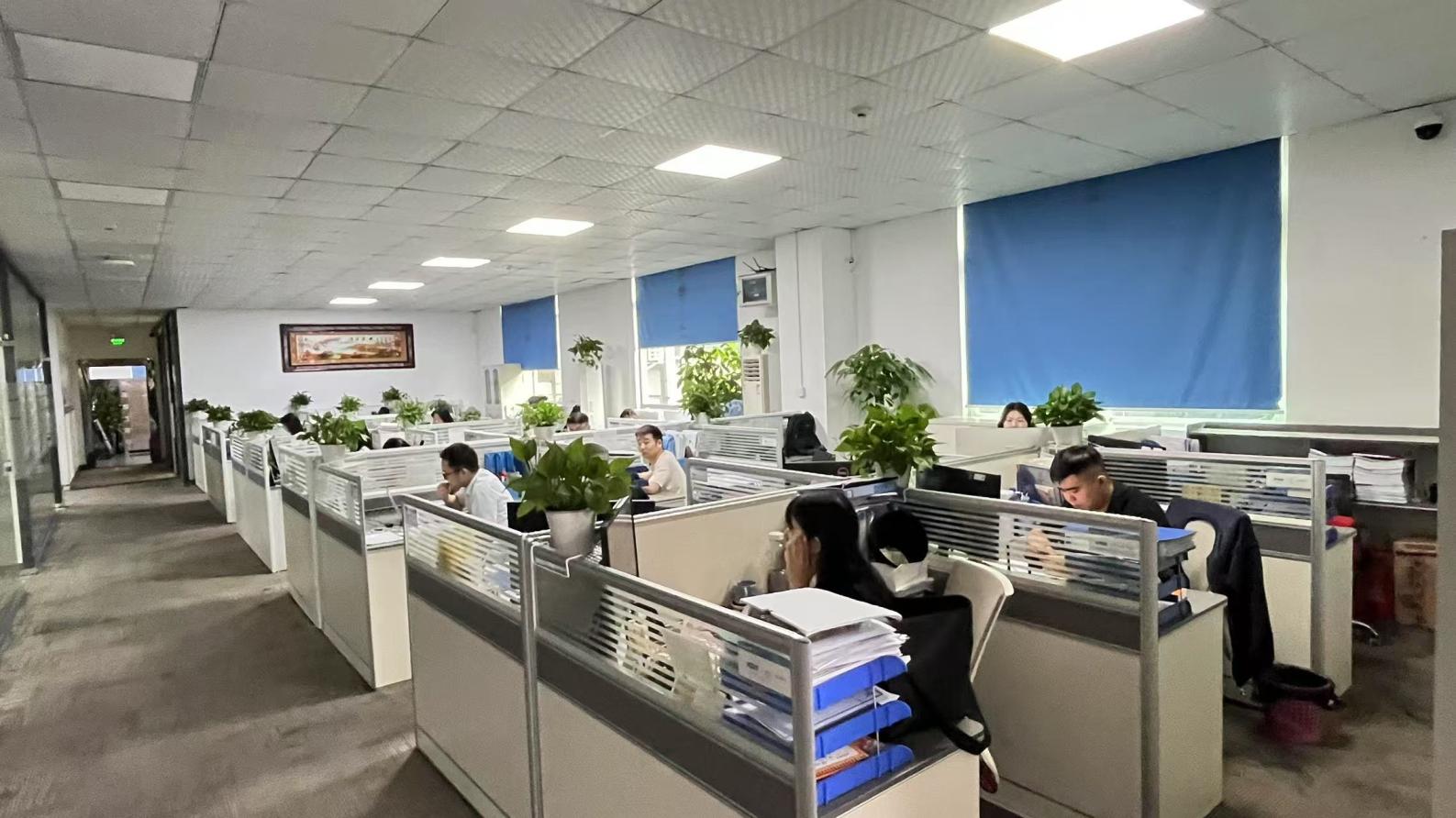
As a leading supplier of network connectivity solutions, our manufacturing facility in China integrates advanced production capabilities with secure material sourcing. We operate an agile supply chain that mitigates the risks of global logistics volatility and resource shortages. Partnering with 860 certified upstream raw material suppliers—ranging from premium copper vendors to specialized polymer formulators—ensures our production lines run smoothly without interruptions.
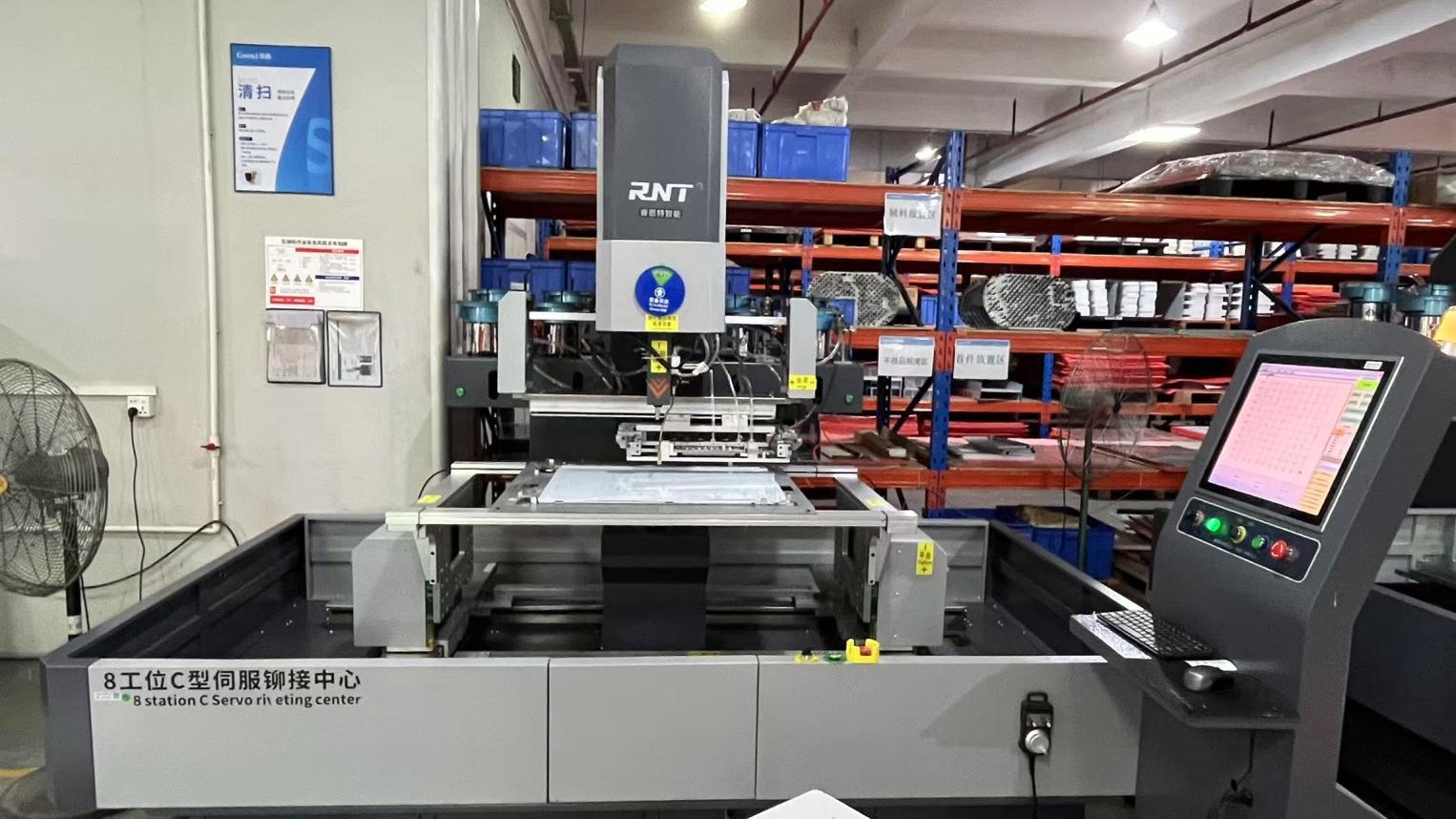
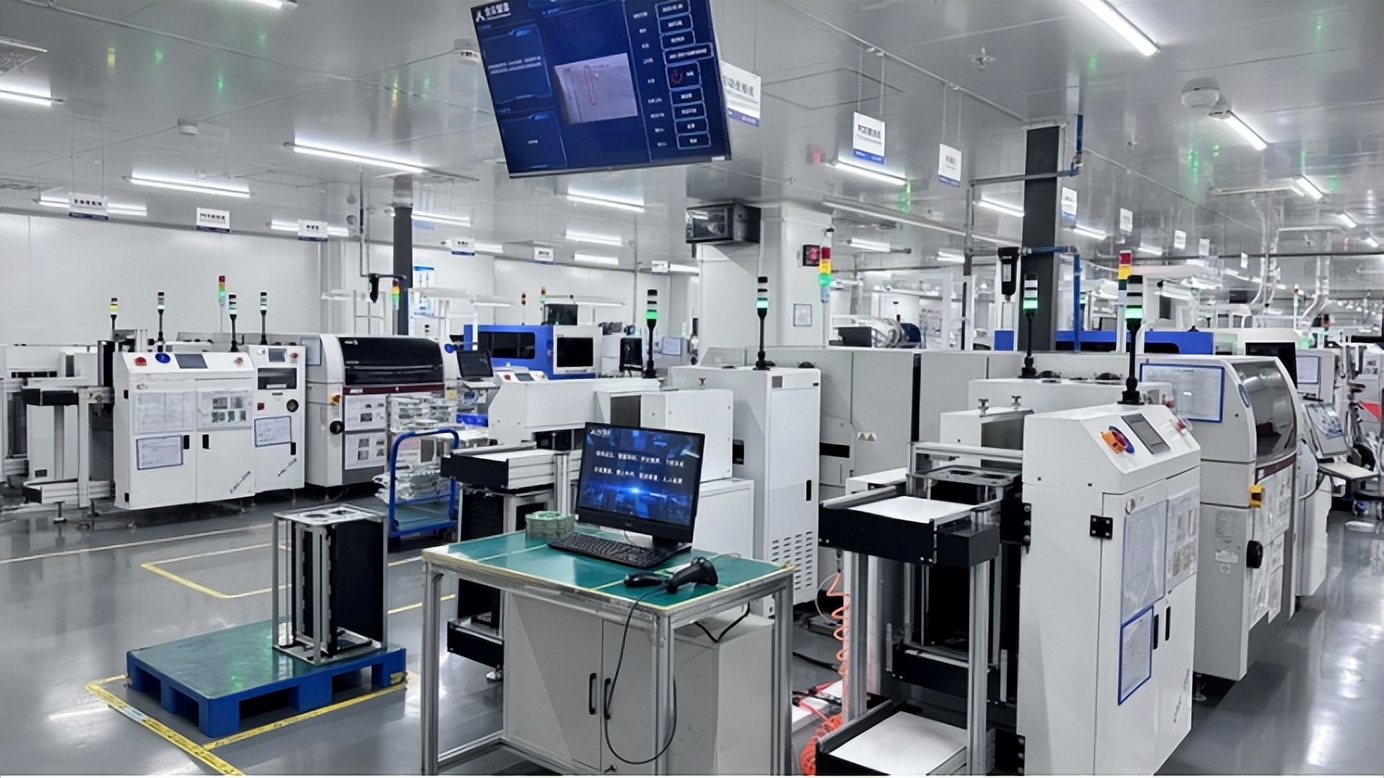
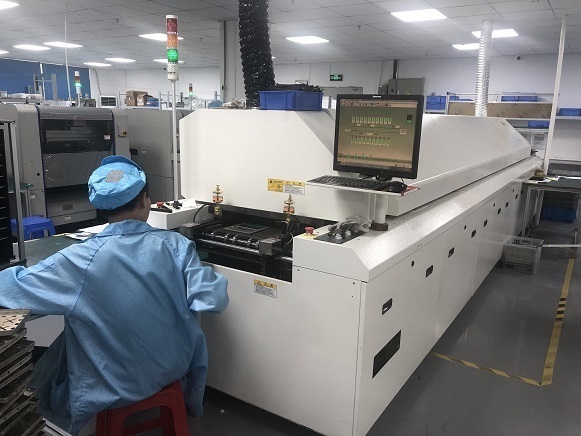
This integrated supply chain supports short lead times, high customization flexibility, and competitive pricing. Our facility operates cleanrooms and automated assembly stations where molding, stamping, pin insertion, and shielding assembly are performed in a continuous loop. This vertical integration reduces logistics steps and prevents material contamination, ensuring high consistency across all production runs.
Our commitment to reliability is backed by a multi-tiered inspection protocol managed by 42 QA professionals:
The future of structured cabling is defined by higher bandwidth demands and smaller component footprints. While fiber optic systems dominate long-range networks, copper cabling remains essential for edge connectivity due to its cost-effectiveness, easy termination, and power delivery (PoE) capabilities. Our R&D team is developing the next generation of Flex RJ45 connectors to meet these emerging challenges.
SPE (IEEE 802.3cg) enables 10 Mbps data transmission over a single pair of copper wires up to 1,000 meters. We are developing compact, IP67-rated flex connectors for industrial IoT, enabling direct sensor-to-cloud connections without media converters.
Transitioning to Category 8 (Cat8) cabling requires connectors that support 2 GHz bandwidth. Our engineering team is optimization contact pin layouts to control crosstalk and return loss, ensuring reliable transmission over short copper runs.
Future interconnects will include diagnostic features. Our future product designs aim to integrate mini sensors inside the connector housing to monitor temperature, contact resistance, and connection status in real time.
Entering global markets requires strict compliance with international standards. Our Flex RJ45 Connectors carry full CE Certification, demonstrating compliance with European safety, health, and environmental standards. This includes adherence to the Low Voltage Directive (LVD) 2014/35/EU and the Electromagnetic Compatibility (EMC) Directive 2014/30/EU.
Our products are RoHS and REACH compliant, confirming they are free from restricted hazardous substances. This ensures safety for installers and end-users, and simplifies customs clearance in North America, Europe, and the Middle East.
We provide localized technical assistance through our global network of OEM/ODM partners and field application engineers (FAEs). Our support services include channel simulation testing and mechanical CAD modeling to ensure integration with your existing hardware.
As a professional supplier, we address common questions from procurement managers, network architects, and system integrators regarding Flex RJ45 selection, certification, and production capabilities.
A Flex RJ45 connector features an adjustable body or boots, allowing the cable to exit the plug at multiple angles (up to 90 degrees in various directions) without bending the internal copper conductors. Standard RJ45 plugs force a straight exit, which can cause micro-fractures in the copper wires and degrade signal performance in tight spaces.
CE certification ensures the connector complies with EU safety, health, and environmental standards. It verifies the housing materials are flame retardant (UL94V-0), the insulation resistance is sufficient, and the component operates safely under Power over Ethernet (PoE) loads without overheating.
Yes, our high-spec Flex RJ45 connectors are designed and tested to meet Cat6a standards. They maintain the shield continuity and internal geometry required to transmit high-frequency signals up to 500 MHz, supporting data rates up to 10 Gbps over 100-meter channel lengths.
We combine a certified ISO 9001 quality system with automated inspection techniques. Our testing process includes automated optical testing (AOI) for structural integrity, eye diagram analysis to verify high-frequency signal performance, and thermal aging tests to simulate long-term operations in industrial environments.
Yes. Our engineering team provides custom designs for shielding structures, boot materials, color coding, pin layouts, and integrated electronics like magnetics or PoE components. This support helps optimize performance for your specific system requirements.
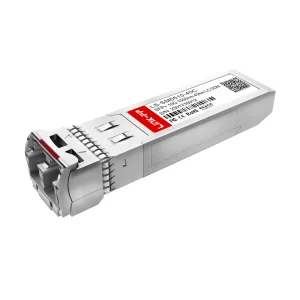
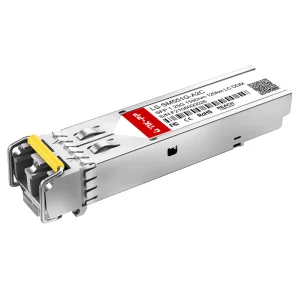
Browse our selection of low-profile Ethernet jacks, SFP+ cage assemblies, and long-wavelength simplex/duplex transceiver modules designed for high-density networking applications.
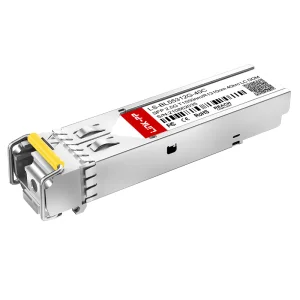
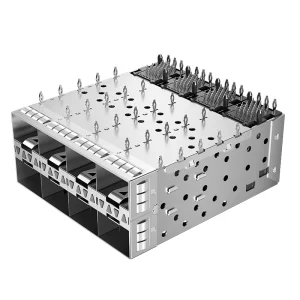
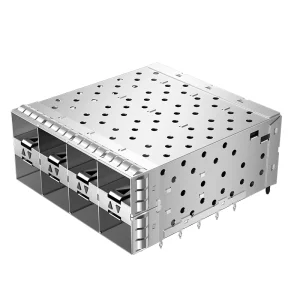
Transolix is a professional optical transceiver and networking connectivity manufacturer specializing in high-performance fiber optic and copper communication solutions. We serve global data centers, telecommunications operators, industrial system builders, and enterprise networks. With robust engineering capabilities and scalable production capacity, Transolix is committed to delivering reliable, high-speed, and cost-effective connectivity products worldwide.
By combining our copper connector product lines with high-speed active optical modules (SFP, SFP+, QSFP28, QSFP-DD), Transolix provides comprehensive infrastructure solutions. This capability allows network architects to purchase high-speed copper interconnects and long-range active transceivers from a single, quality-controlled source, simplifying procurement and ensuring system compatibility.

 Transolix