Explore our core selection of CE-certified single-mode modules, physical layer magnetic connectors, and high-performance transceiver cages engineered for reliability.
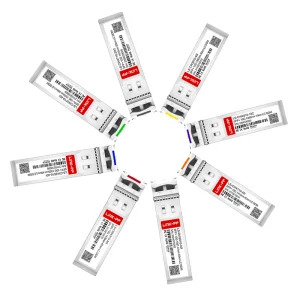
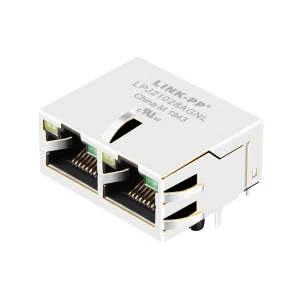
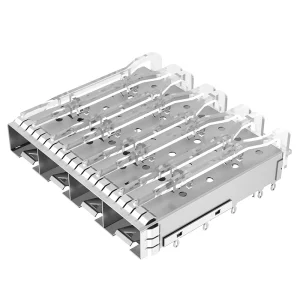
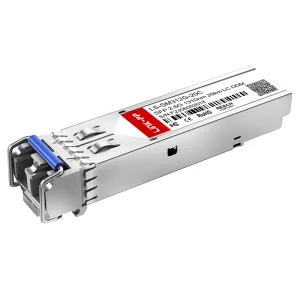
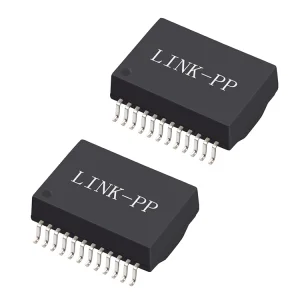
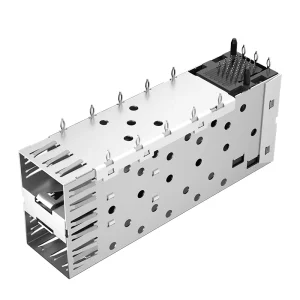
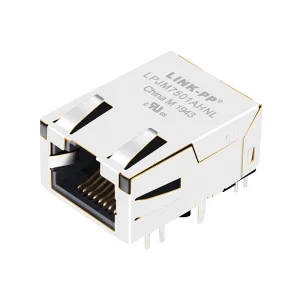
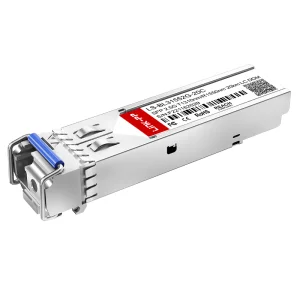
The modern telecommunications and data center landscapes are witnessing an unprecedented migration toward high-speed, high-density optical architectures. Single Mode SFP (Small Form-factor Pluggable) Modules remain the bedrock of long-haul and metropolitan data transmission, bridging local access points with regional hubs. Unlike multi-mode options designed for short distances within the same room, single-mode fiber systems rely on narrow, focused lasers that transmit signals across tens of kilometers with minimal dispersion and attenuation.
Wavelength Division Multiplexing (CWDM and DWDM) technology is no longer exclusive to Tier-1 telecom operators. Modern enterprise backbones utilize CWDM/DWDM single-mode transceivers to multiply fiber bandwidth tenfold without laying new cable. Industry 4.0 applications demand these dense configurations to support hyper-converged architectures and secure low-latency data replication.
For operations extending beyond 10km to 20km thresholds at 10G or 25G rates, Electro-absorption Modulated Lasers (EMLs) are rapidly replacing Direct Modulated Lasers (DMLs). EMLs exhibit significantly lower chirp and chromatic dispersion, ensuring clean eye-diagram metrics and lower Bit Error Rates (BER) at the receiving end.
In highly regulated markets such as the European Union and North America, CE certification stands as a non-negotiable benchmark. It ensures compliance with the EMC Directive (2014/30/EU) and RoHS standards, protecting adjacent active switching hardware from electromagnetic interference while minimizing environmental impacts.
Industrial procurement departments, cloud providers, and system integrators face severe operational challenges if transceivers fail to interface seamlessly with multi-vendor switching matrices. An SFP module is not merely a media converter; it is an active network element that must communicate firmware values to host devices via the I2C interface.
To avoid costly service outages and device lock-ins, procurement guidelines now heavily emphasize:
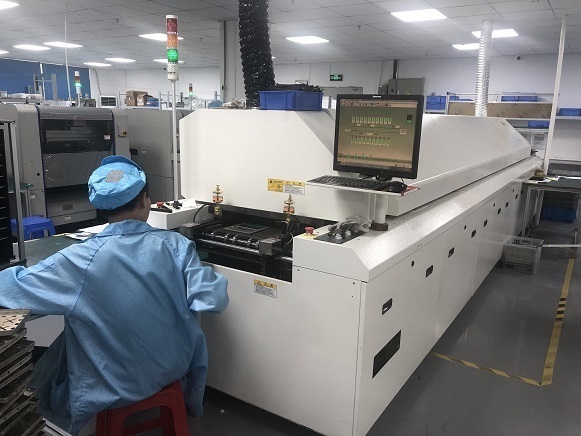
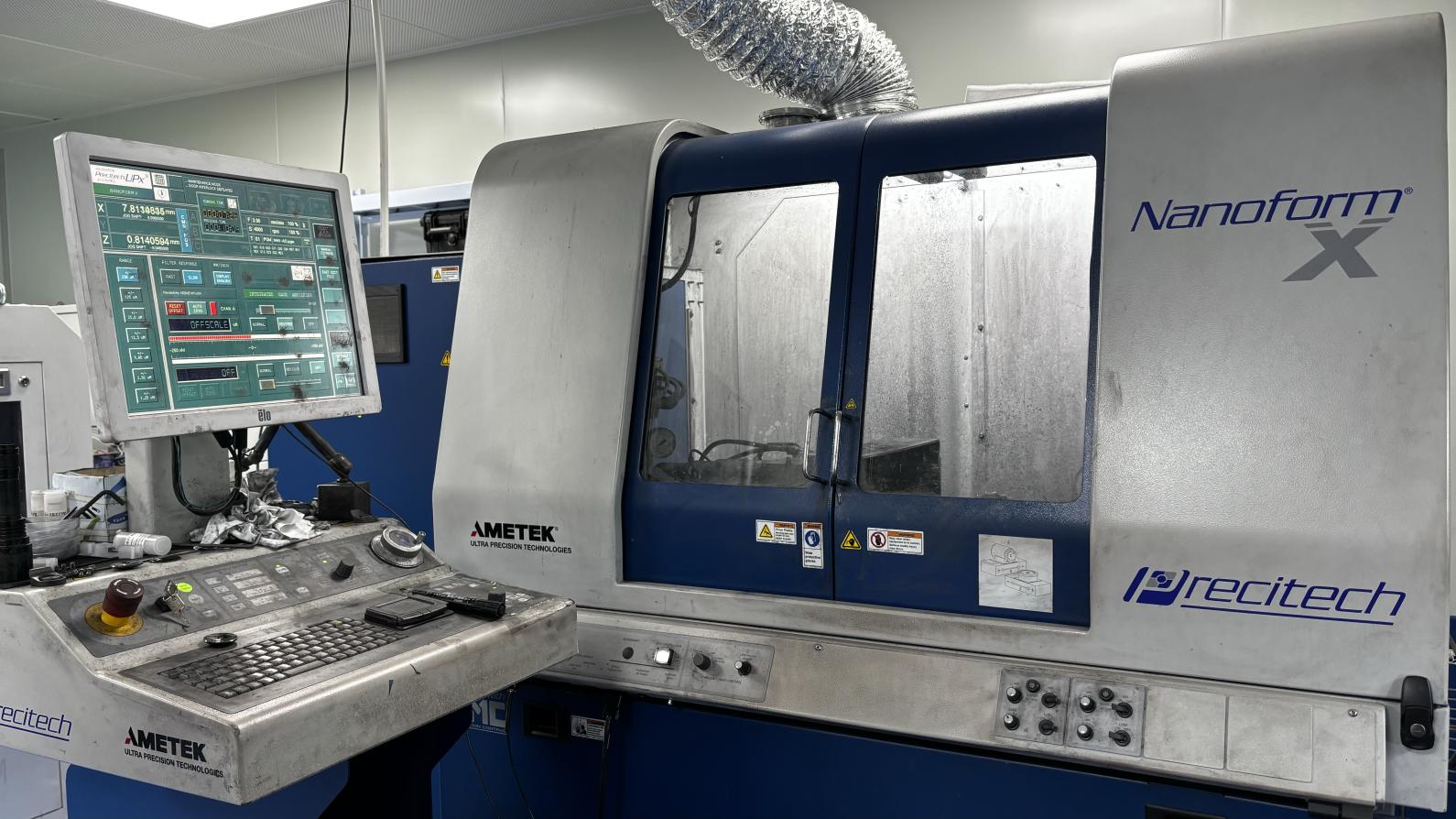
Modern telecommunications manufacturers in China have evolved from simple assembly factories to fully integrated, intelligent smart manufacturing hubs. Through advanced supply-chain integration, Chinese factories leverage immediate access to optical sub-assemblies (TOSA/ROSA), laser diode fabrication, precision metal casings, and PCB components.
This localized cluster reduces product development lifecycles significantly. An agile R&D team can design, prototype, and manufacture new module models with high velocity. Concurrently, ISO 9001-certified quality validation labs use automation to run multi-point checks on every production run, including thermal chamber simulation, real-time eye-diagram analysis, and bit error rate testing. This level of quality verification ensures zero-defect rates upon international delivery.
Transolix is a professional optical transceiver manufacturer specializing in high-performance fiber optic communication solutions for global data centers, telecom operators, and enterprise networks. With strong engineering capabilities and scalable production capacity, Transolix is committed to delivering reliable, high-speed, and cost-effective optical connectivity products worldwide.
| Key Capabilities & Operational Framework | |
|---|---|
| Company Registration Date | 2016 |
| Building Area | 320㎡ |
| Annual Export Revenue | USD 8–15 million |
| Years of Export Experience | 6 years |
| Years of Industry Experience | 11 years |
| Quality Inspection Standards | ISO 9001 & internal reliability standards |
| Product Inspection Methods | Automated optical testing, eye diagram analysis, aging tests, and 100% final performance verification |
| Quality Control Staff | 42 professionals |
| Trade Background | Cross-border B2B export-focused manufacturing company |
| Main Markets | North America, Europe, Southeast Asia, Middle East |
| Supply Chain Partners | 860 certified upstream suppliers including chipset, optics, and packaging vendors |
| Main Customer Types | Telecom operators, cloud service providers, data center integrators, and OEM/ODM partners |
| R&D Capability | Strong in high-speed optical design, signal integrity optimization, and module integration |
| Customization Options | Supported (wavelength, form factor, distance, protocol compatibility, firmware customization) |
| New Product Releases (Last Year) | 86 models |
| R&D Engineers | 128 engineers |
Transolix focuses on continuous innovation in optical interconnect technology, offering a full range of products including SFP, SFP+, QSFP28, QSFP-DD, and emerging high-speed optical transceiver solutions for next-generation networks.




Single Mode SFP Modules are deployed in diverse environments, each requiring distinct hardware configurations:
By connecting regional branch offices to core data rings, 10G and 25G single-mode fiber links operate efficiently up to distances of 20km without needing optical amplification, keeping latency minimal and operational expenses low.
Bidirectional (BiDi) Single Mode SFP modules allow downstream and upstream transmission on a single optical fiber strand. This reduces infrastructure costs by 50% for telecom installations in residential and commercial developments.
For high-voltage environments, electrical substations, and wind farms, industrial-hardened transceivers deliver stable and reliable data links. Equipped with robust EMI shielding, these modules resist extreme temperature fluctuations.
Explore detailed explanations on single-mode optical transmission, compliance protocols, and sourcing guidelines.
CE certification proves that the optical transceivers comply with European Union safety, health, and environmental protection standards. For high-speed active electronics, CE marking verifies that the module passes testing under the Electromagnetic Compatibility (EMC) Directive 2014/30/EU. This ensures the module does not disrupt other network devices and resists external interference.
Single-mode fiber features a narrow core (typically 9µm) that allows only one mode of light to propagate, minimizing dispersion over long distances. Multi-mode fiber features a wider core (50µm or 62.5µm) that allows multiple light paths. This makes multi-mode suitable only for short distances (typically under 500m at 10G) due to modal dispersion limits.
DDM enables real-time tracking of critical transceiver metrics: optical output power, optical input power, laser temperature, laser bias current, and module supply voltage. Network engineers use this diagnostic data to predict component failures and prevent unexpected network downtime.
Yes. As long as the modules on both sides use the same wavelength, transmission speed, and protocol configuration (e.g., 10G SFP+ CWDM 1310nm at both ends), you can mix different brands. However, each transceiver's firmware must be compatible with its respective host switch.
BiDi (Bidirectional) modules use two different wavelengths to send and receive data over a single fiber strand (e.g., 1310nm for transmitting and 1550nm for receiving). This design requires modules to be paired in opposites (e.g., TX1310nm/RX1550nm on one side and TX1550nm/RX1310nm on the other).
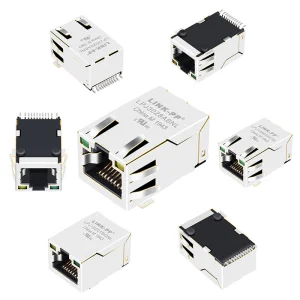
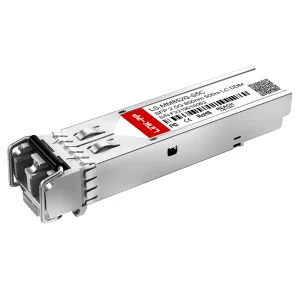
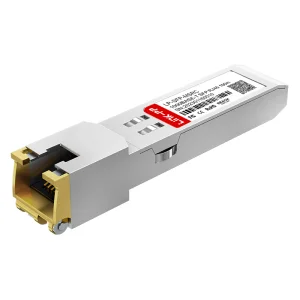
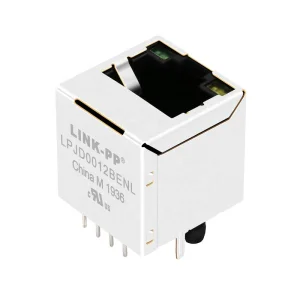
Complete your deployment specifications with our reliable connector jacks, copper transceivers, and multi-mode SFP modules.
 Transolix