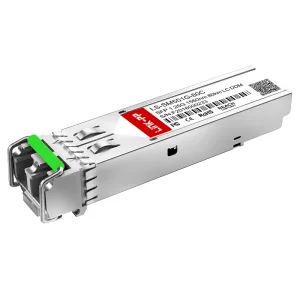
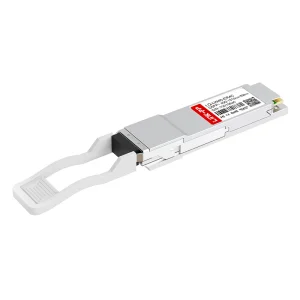
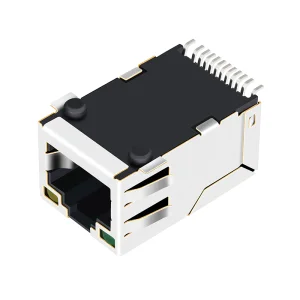
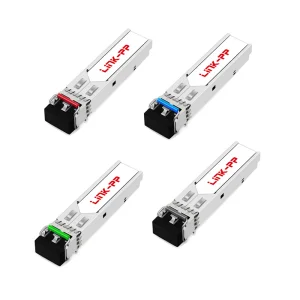
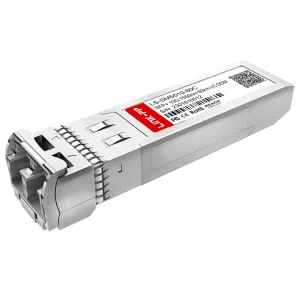
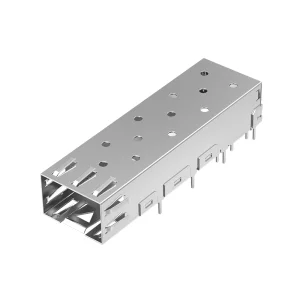
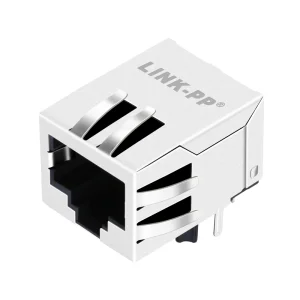
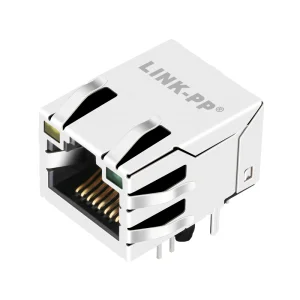
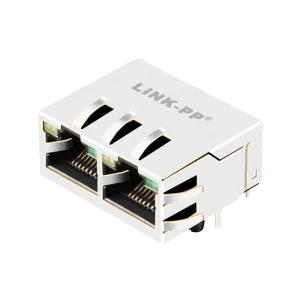
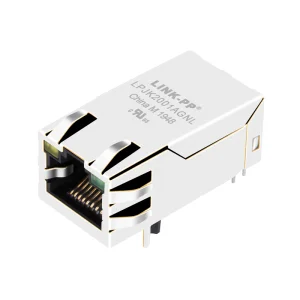
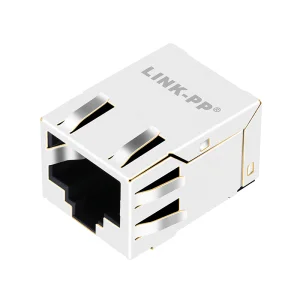
In high-density networking environments, immediate physical-layer diagnostics are vital. The integration of light-emitting diodes (LEDs) directly into the RJ45 housing eliminates the need for separate PCB-mounted indicators, dramatically reducing footprint requirements while boosting visual troubleshooting accuracy. Modern LED-integrated RJ45 modular jacks serve not only as structural cable inputs but as active diagnostic hubs.
By embedding standard colors (typically Green for Link and Yellow/Amber for Activity), hardware engineers can optimize system interface pathways. The inclusion of magnetic shielding (Integrated Connector Modules, or ICMs) within the LED cavity protects against electromagnetic interference (EMI) and electrostatic discharge (ESD), creating clean signal paths required for standard compliant networking architectures.
The shift toward smart building automation, IoT, and high-performance computing has redefined requirements for standard connectors.
Manufacturers are shifting from through-hole (THT) to SMT formats (like the JB0-1002NL). This allows pick-and-place automation during high-speed PCB assembly, lowering production overhead and increasing routing density.
With PoE++ delivering up to 90W, thermal accumulation inside RJ45 housings poses a challenge. Leading factories utilize high-temperature-rated plastic (LCP or Nylon 46) and heat-resistant LEDs to ensure color stability.
Internal metallic shielding shields network interfaces from electromagnetic radiation. This is critical in medical devices, military equipment, and avionics, preventing high-frequency cross-talk.
Procurement teams from North America, Europe, and Asia evaluate RJ45 connector suppliers based on rigorous criteria that go beyond mere unit cost. The primary concern is pin-to-pin drop-in compatibility with legacy Western brands (TE Connectivity, Molex, Pulse Electronics).
A key factor in selecting a Chinese factory is supplier supply chain resilience. High-quality manufacturing partners, such as Transolix, mitigate component shortages by maintaining relationships with over 860 certified upstream suppliers. This ensures that essential components—such as gold plating pins, high-temperature LCP housings, and selected LED dies—are always stocked.
Transolix supports deep customizations to integrate seamlessly into diverse networking ecosystems. Standard solutions are adapted dynamically through our custom engineering protocols:
How RJ45 and Optical systems perform across macro-level infrastructures.
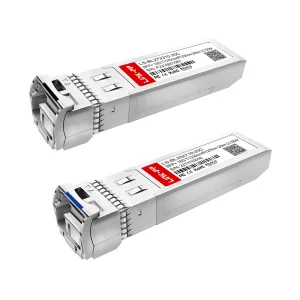
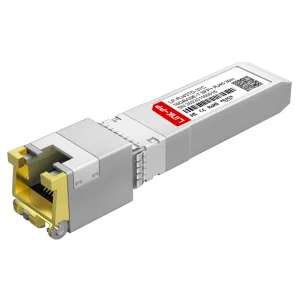
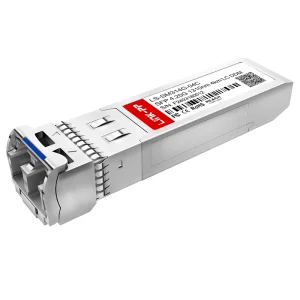
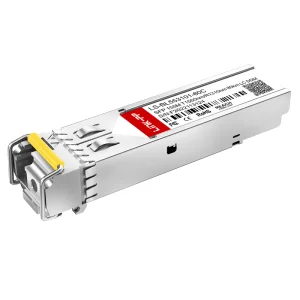
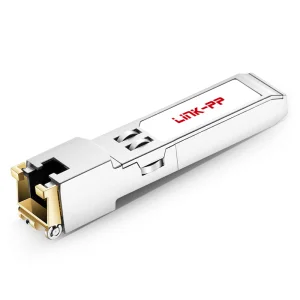
With top-of-rack (ToR) switches requiring optical transceivers alongside copper management ports, our portfolio supports 10G/25G/40G configurations. Integrated LED RJ45 jacks provide local status monitoring, while optical transceivers manage backbone bandwidth.
Harsh environment computing requires connectors that can withstand vibrations and chemical exposure. Gold contact pins (50u") combined with robust EMI cages ensure standard compliance, keeping factory machinery connected without signal drops.
In 5G small cells and base stations, reliable diagnostic interfaces reduce field-maintenance overhead. Dual LED RJ45 connectors provide instant status checks, eliminating the need to connect diagnostic tablets directly to the base station.
Delivering high-performance connection hardware with reliability verified by international standards.
Transolix is a professional optical transceiver manufacturer specializing in high-performance fiber optic communication solutions for global data centers, telecom operators, and enterprise networks. With strong engineering capabilities and scalable production capacity, Transolix is committed to delivering reliable, high-speed, and cost-effective optical connectivity products worldwide.
To guarantee performance in extreme networking configurations, Transolix enforces zero-defect quality standards. Our 42 Quality Control professionals supervise product validation procedures:
With a dedicated engineering team, Transolix focuses on continuous innovation in optical interconnect technology, offering a full range of products including SFP, SFP+, QSFP28, QSFP-DD, and emerging high-speed optical transceiver solutions for next-generation networks.
How we align connector development with emerging high-speed interconnect standardizations.
Integration of programmable LED controllers inside the RJ45 jack housing. This enables color changes and flashing pattern alerts based on dynamic link status and data throughput thresholds.
Extending RJ45 bandwidth limits to 2GHz for Cat8 infrastructures. This requires restructured internal EMI isolation cavities to prevent crosstalk.
Transitioning to halogen-free plastics and biodegradable polymers for high-density configurations, matching European market green demands.
Answers to common questions from enterprise procurement and systems design engineers.
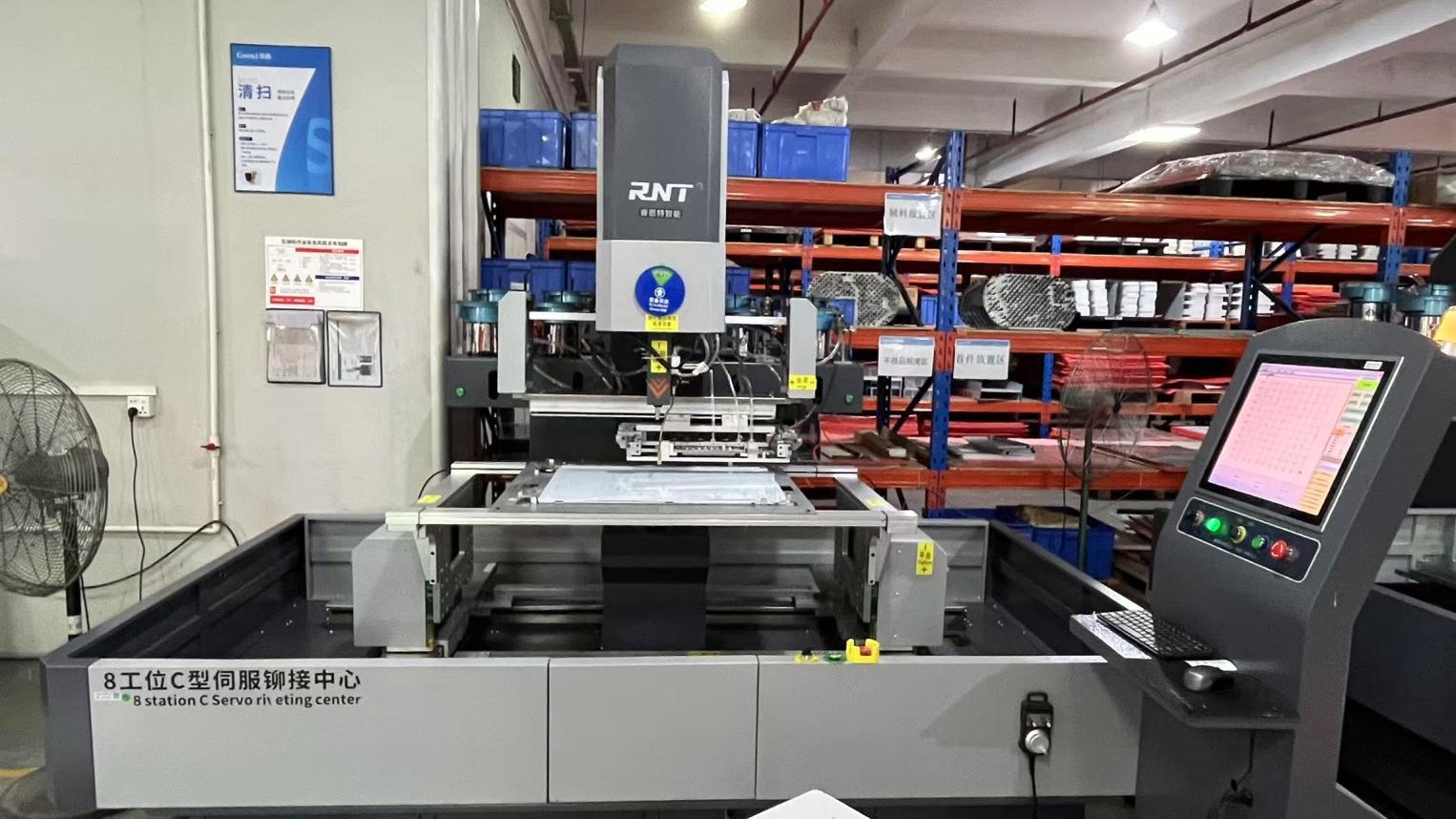
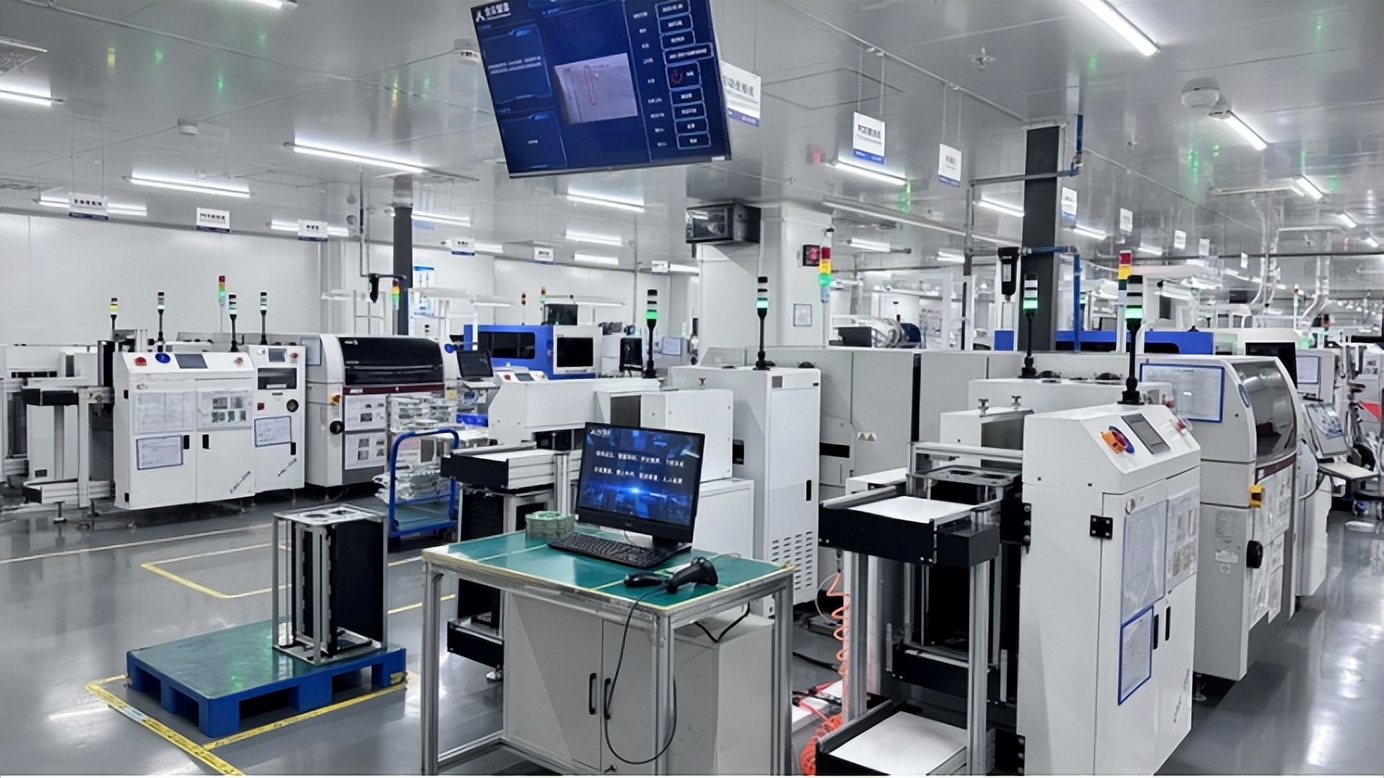
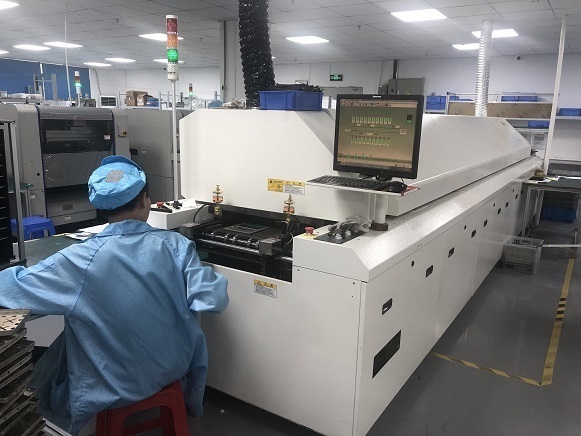
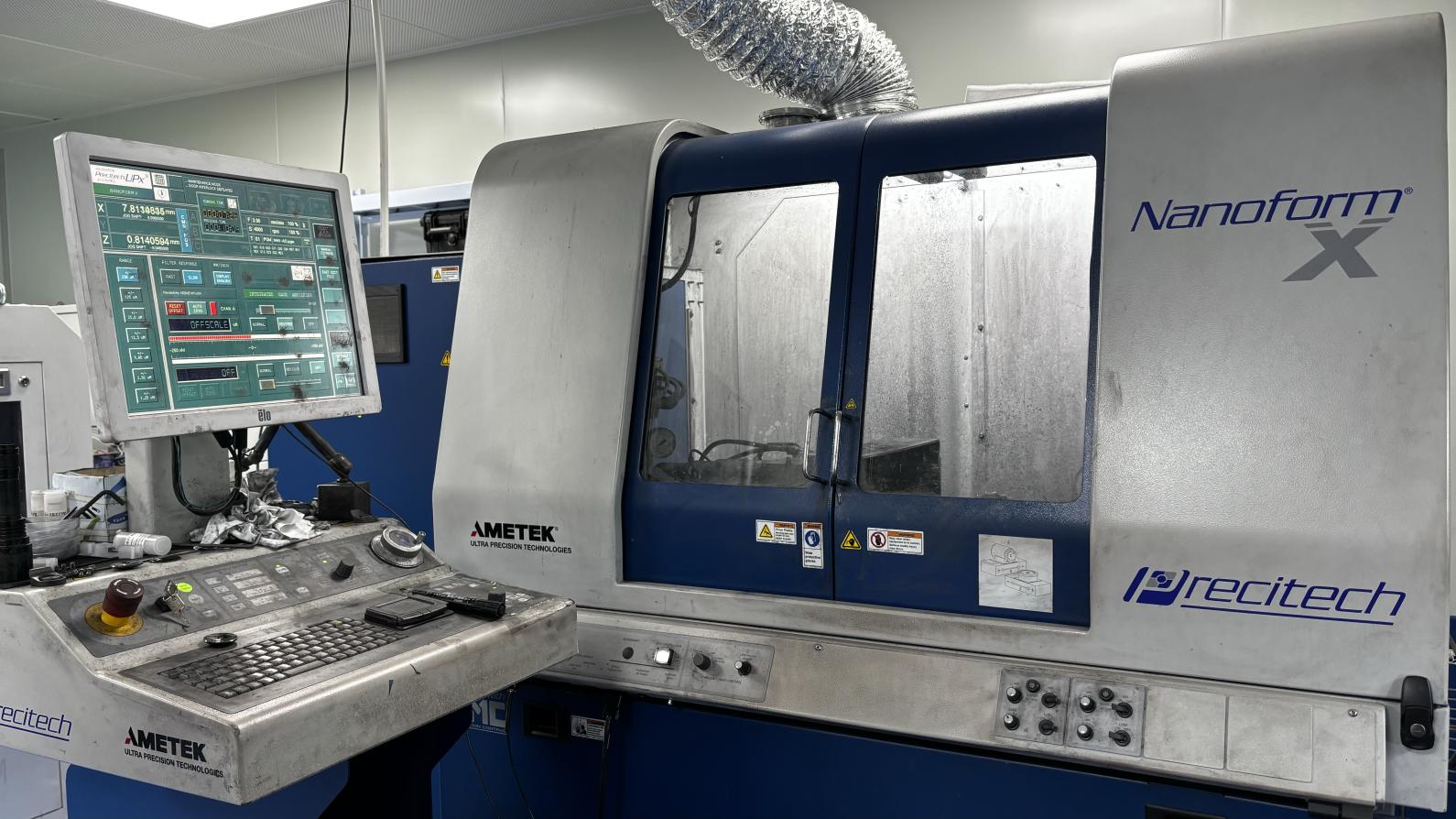
Take a tour of our high-standard test and assembly facilities dedicated to zero-failure production.


 Transolix