Explore our premium grade products designed to optimize high-frequency data rates, minimize latency, and maintain excellent EMI shielding during Ethernet prototyping phases.
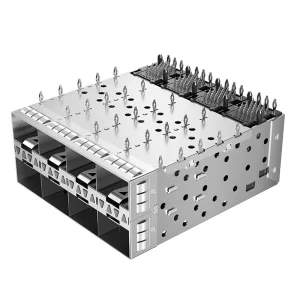
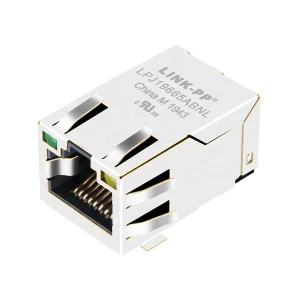
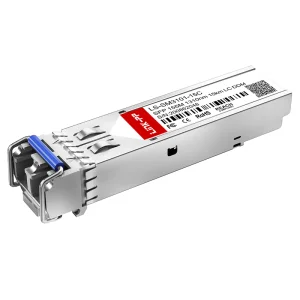
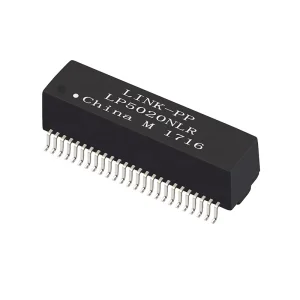
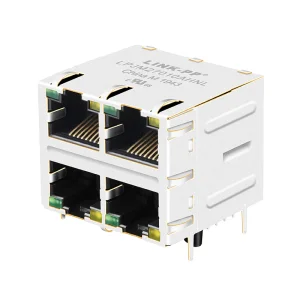
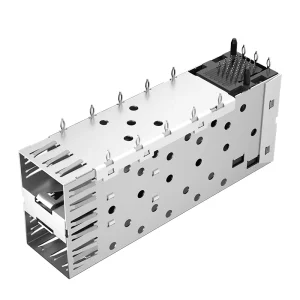
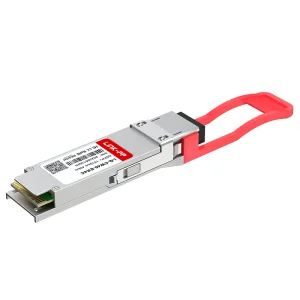
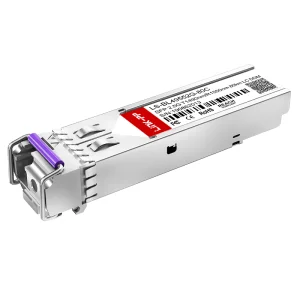
The global shift toward hyper-scale data centers, artificial intelligence training clusters, and highly localized edge networks has significantly driven the demand for high-frequency Ethernet prototyping boards. Engineers and hardware architects require rapid prototyping tools to validate multi-gigabit copper links, SFP/QSFP transmission channels, and structural EMI cages before committing to massive hardware production runs.
By establishing rigorous simulation cycles for signal integrity, modern networking relies on precise physical interfaces. Modern optical transceivers, shielding cages, and vertical RJ45 jacks with integrated magnetics constitute the structural backbone of high-capacity networking equipment. Organizations must validate these layouts using modular prototyping components to avoid cost overruns at production level.
At signal rates exceeding 10Gbps (and scaling past 100Gbps using PAM4 modulation schemes), routing high-speed lines on a prototyping board becomes challenging. Design engineers must isolate differential microstrip lines, manage impedance matching, and carefully select interconnect structures like TE or Molex compatible press-fit SFP cages to protect delicate high-frequency traces.
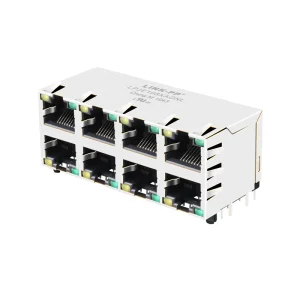
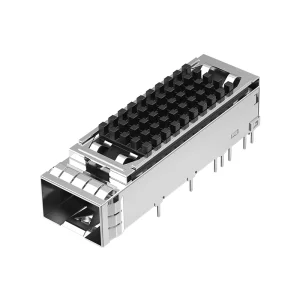
Proper shielding blocks radiation leakage and ensures compliance with global FCC/CE regulations. Through-hole SFP cages with heat sinks allow engineers to test structural heat dissipation pathways. By utilizing highly shielded multi-port RJ45 connectors with integrated internal magnetics, developers can successfully filter out high-frequency electromagnetic noise, preserving system-wide bit error rate (BER) levels.
In high-speed physical layers (PHY), integrating magnetics directly into the RJ45 jack (often referred to as MagJacks) provides standard physical separation, noise suppression, and impedance transformation. This integration prevents external interference from corrupting critical control planes and data feeds on the processing board.
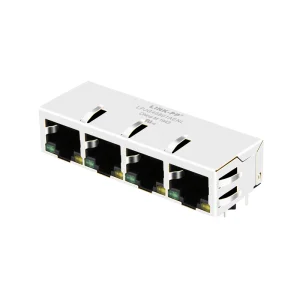
Whether deploying 100BASE-T vertical jacks for compact control configurations, or 2.5G/10G shielded multi-port options, hardware engineers require reliable suppliers capable of shipping components that conform precisely to Multi-Source Agreements (MSA). This ensures that prototypes transition smoothly into final production runs without requiring redesign of the primary PCB architecture.
Transolix is a specialized optical transceiver manufacturer designing high-performance fiber optic communication solutions for global data centers, telecom operators, and enterprise networks. With robust engineering capabilities and scalable production capacity, Transolix is committed to delivering reliable, high-speed, and cost-effective optical connectivity products worldwide.



Modern networking hardware requires optimization based on unique physical environments, environmental conditions, and bandwidth demands. Below are the key scenarios where Transolix products are actively deployed:
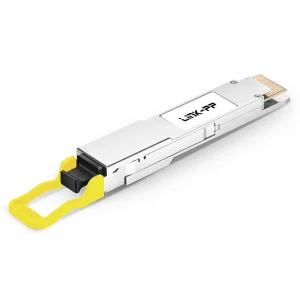
Within large-scale cloud data centers, high-density optical transceivers (such as our 400G QSFP-DD PAM4 modules) link internal leaf-spine switch architectures. Designers use specialized prototyping boards to evaluate transceiver response times, packet loss across multi-mode fiber structures, and structural heat dissipation on high-density line cards using multi-port SFP cages.
Smart factories rely on real-time industrial Ethernet protocols like EtherCAT or PROFINET to orchestrate automated lines. These boards utilize vertical RJ45 jacks with integrated high-efficiency magnetic shielding, protecting data lines from heavy electromagnetic interference (EMI) generated by surrounding machinery and motor drives.
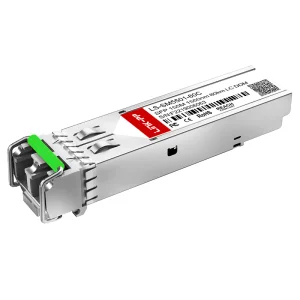
Upgrading base stations and telecom cabinets requires hardware that can endure varied outdoor temperatures. The use of single-mode BiDi SFP transceivers (covering ranges up to 80km) allows operators to double fiber capacity by running bidirectional traffic over a single fiber run, significantly reducing regional fiber optic deployment overhead.
As the networking sector migrates from legacy 10G/40G architectures toward modern 400G and future-facing 800G/1.6T systems, physical hardware requirements must evolve in tandem. Transolix actively maps development paths to align with these trends:
To reduce power consumption and thermal load inside dense server racks, we are scaling production pathways for silicon photonics. Incorporating optical engines onto silicon substrate material reduces reliance on discrete optoelectronics, allowing for higher speed capabilities in next-generation networks.
With increased signal speeds, high-frequency emission rises. Next-generation SFP cages employ elastomer gaskets and enhanced spring fingers to limit electromagnetic leakage at high frequencies, helping engineers meet strict compliance guidelines.
As networks adopt Pulse Amplitude Modulation 4 (PAM4) for high-speed transceivers, physical layouts must support lower return loss. Our design pipeline optimizes internal signal lines and PCB routing on connector packages to minimize transmission reflection.
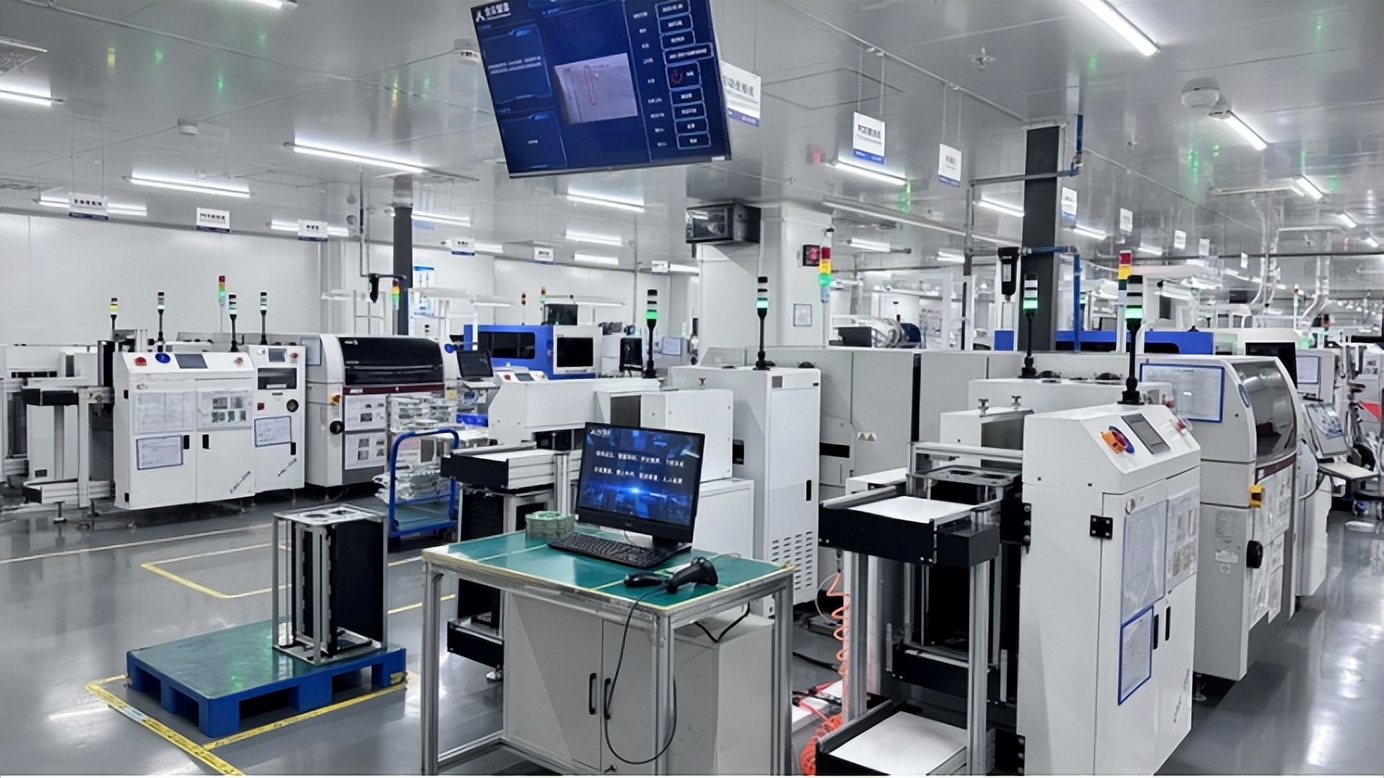
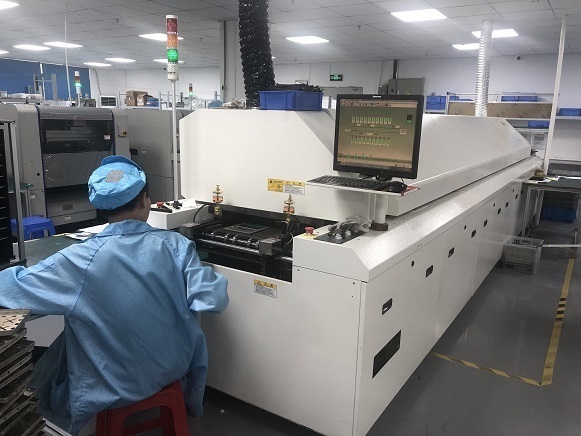
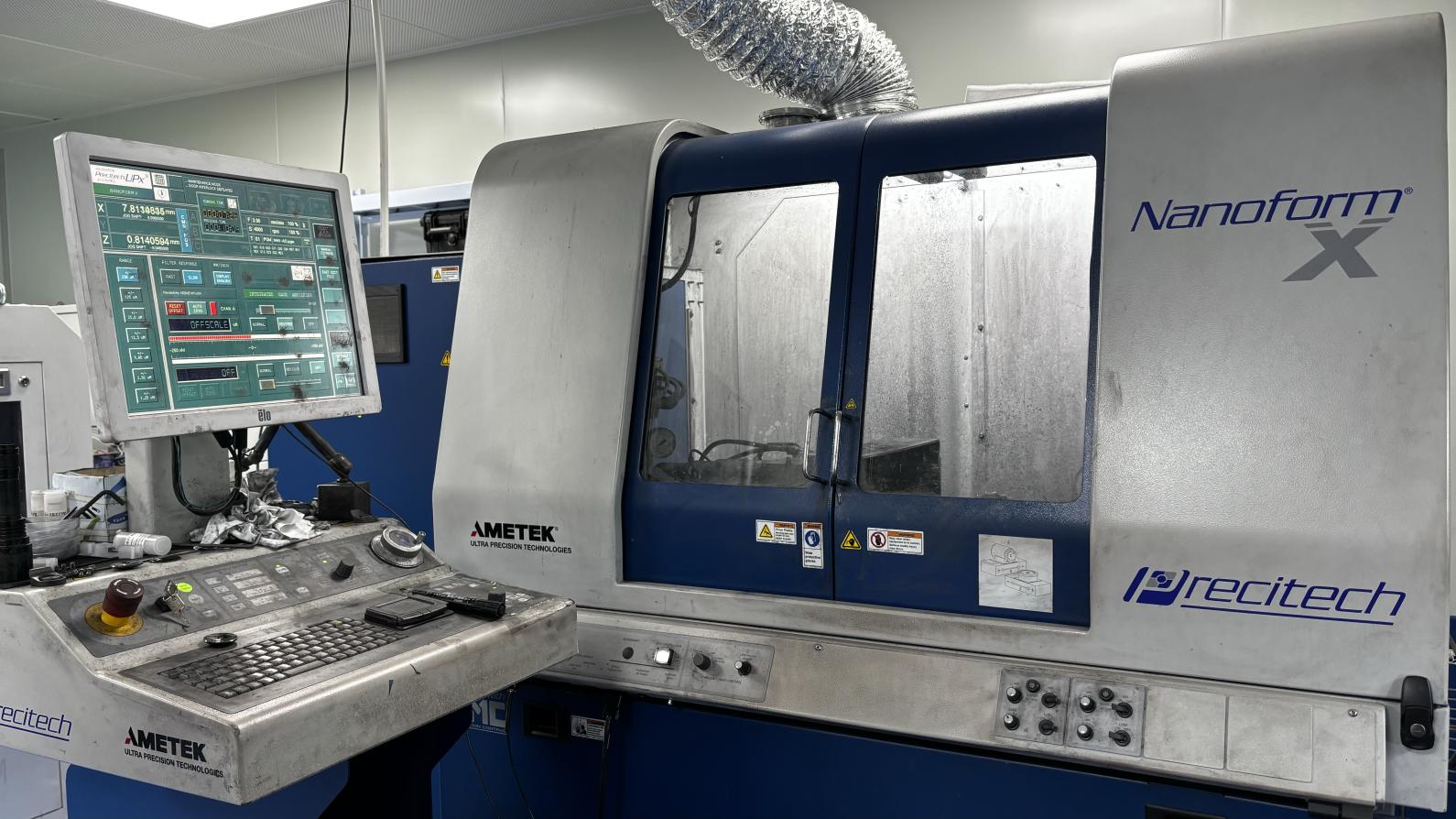
Prototyping boards and high-frequency connectors require high precision and structural reliability. Transolix leverages China's robust industrial ecosystem to deliver reliable supply security and manufacturing quality:
With access to 860+ certified upstream material vendors, we source premium-grade chipsets, high-grade optical components, and precision housings. This integrated supply chain enables rapid component sourcing and custom options, supporting 86 new product designs annually to keep pace with changing market needs.
Our quality control staff of 42 professionals enforces extensive testing protocols. Every batch undergoes automated optical testing, eye diagram analysis, and thermal stress testing, ensuring our transceivers and connector components provide stable performance across extended service lives.
All our products are designed to comply with standard Multi-Source Agreements (MSA), ensuring seamless compatibility with networking systems from major global vendors. This facilitates straightforward hardware integration and replacement processes.
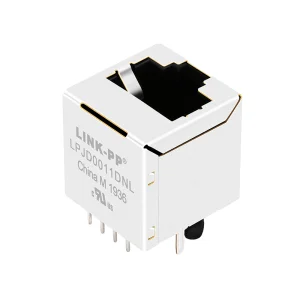
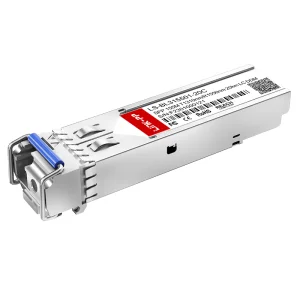
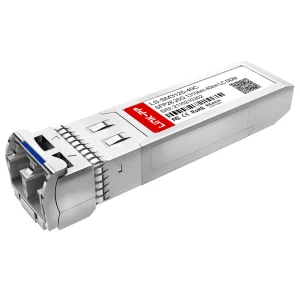
Below is our secondary product selection, featuring specialized RJ45 connectors, optical transceivers, and high-frequency shielded cages to meet your design and integration requirements.
For engineering teams working with ethernet prototyping boards and high-speed networking interfaces, addressing physical-layer issues is essential. Below are answers to common design and implementation questions:
 Transolix