Modern communication systems demand the seamless convergence of high-speed data transmission and robust electrical power delivery. The RJ45 Hybrid Connector represents the pinnacle of this convergence, enabling network architects and system integrators to streamline deployments across complex telecommunications, data centers, and IoT edge nodes. By combining standard Ethernet lines with auxiliary power components or specialized optical media integration within a single physical form factor, these connectors significantly reduce spatial demands and cabling complexities.
As leading Chinese exporters and manufacturers, Transolix integrates decades of high-speed signaling expertise to engineer hybrid interconnect solutions that satisfy strict global compliance measures, such as IEEE standards for PoE, PoE+, and PoE++. Whether deployed in harsh industrial environments or dense enterprise server racks, our hybrid connectors deliver exceptional insertion loss characteristics, outstanding return loss properties, and enhanced thermal dissipation capabilities.
By implementing integrated hybrid network sockets, system buyers reduce layout space requirements by up to 40% and overall installation labor time by up to 50%. This combined signal and power methodology is the baseline of modern smart infrastructure deployment, avoiding costly redundant conduit routing.
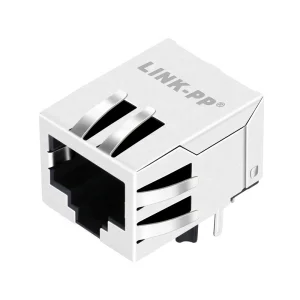
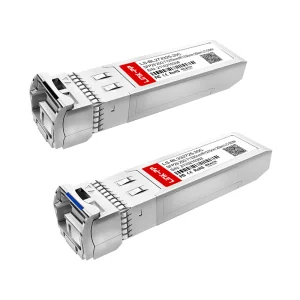
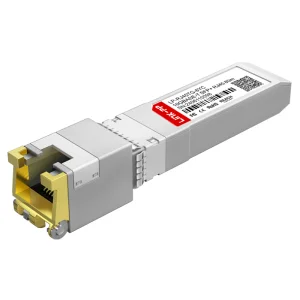
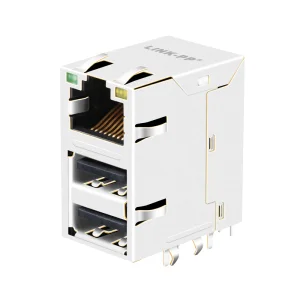
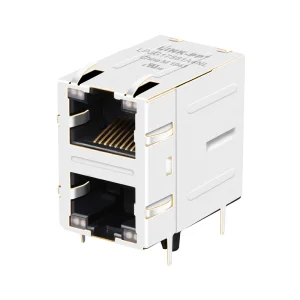
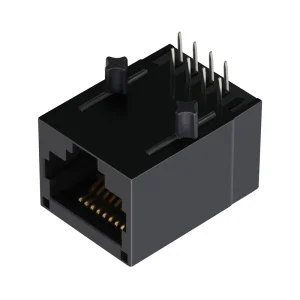
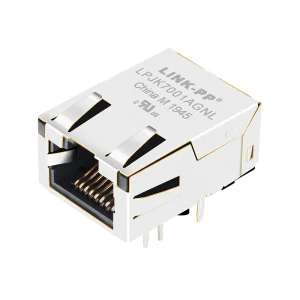
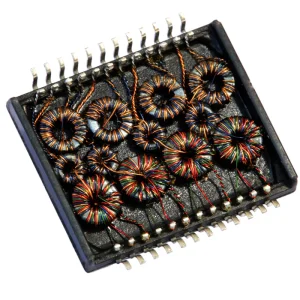
Analyzing key drivers shaping high-reliability connectivity requirements in international markets.
Across the globe, industrial environments are undergoing unprecedented levels of automation. From automated logistics storage centers driven by advanced machine vision systems to the deployment of 5G base station equipment (small cells and macrocells), there is a critical need to deliver both power and high-speed data over a single connection interface. High-performance hybrid connectors fulfill this exact purpose. They integrate critical copper Ethernet lines for GbE transmissions with discrete heavy-gauge DC pins designed to deliver continuous electrical current without causing signal interference.
In regions such as North America and Europe, strict regulatory rules concerning machine design and safety demand certified connectors that comply with the IEEE 802.3bt (PoE++) standards, providing up to 90W of continuous power. In highly automated manufacturing hubs, connectors must also handle mechanical vibration, rapid thermal fluctuations, and elektromagnetical interference (EMI). The standard RJ45 interface has evolved from a basic office component to a ruggedized, magnetically shielded hybrid node capable of operating consistently in extreme conditions.
Furthermore, emerging data centers require hybrid connections to streamline their edge topologies. Modern dense equipment enclosures and smart power distribution units (iPDUs) require specialized configurations that leverage low-profile modular structures. By offering custom configurations featuring integrated magnetic components, LEDs, and auxiliary signal contacts, Chinese manufacturing facilities act as crucial technology partners to multinational engineering teams.
Facilitating physical layering for out-of-band management switches, optical transceivers, and hybrid distribution interfaces that optimize server rack cooling and layout routing.
Perfectly suited for IP surveillance cameras, remote telemetry systems, and industrial sensors requiring unified signal paths and high-wattage power delivery.
Ensuring low return loss and excellent shielding capabilities in outdoor equipment, cell sites, and optical distribution nodes under continuous operations.
Transolix bridges the gap between ultra-fast optical networks and legacy copper layouts. Our technical competence in designing high-frequency modules allows us to develop hybrid copper jacks that operate seamlessly alongside active optical systems.
Our integration process focuses on minimizing return loss and electromagnetic coupling. For example, our 10GBASE-T SFP+ Copper modules convert optical transmissions to copper RJ-45 paths, demonstrating our ability to manage heat, impedance, and signaling across media boundaries.
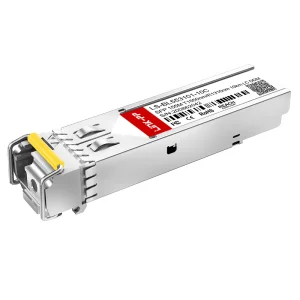
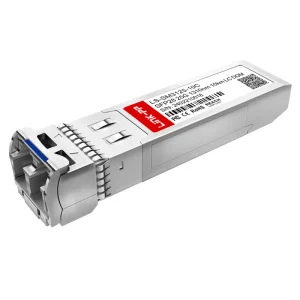
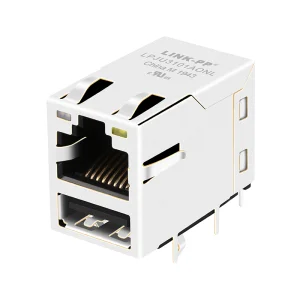
Modern telecommunication networks are rarely homogeneous. A typical system features a mix of fiber optic paths for long-haul networks and copper configurations for localized distribution. Transolix specializes in engineering interfaces that bridge these technologies, such as SFP28 25G BiDi modules and integrated magnetic RJ-45 modules. This dual expertise ensures that signal path conversions maintain high reliability.
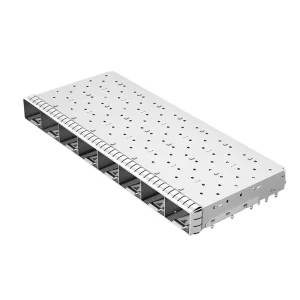
When high-speed transceivers are integrated beside copper RJ45 ports, managing thermal issues becomes crucial. Active SFP+ copper modules can generate significant heat during data transmission. Our hybrid cages and stacked RJ45 connectors feature specialized metal pathways and advanced heat dissipation geometries. This design enables high-speed data transmission while keeping temperature rises within safe operational limits, preventing component failure.
How our optimized factory ecosystem delivers superior cost advantages, technical customization, and export stability.
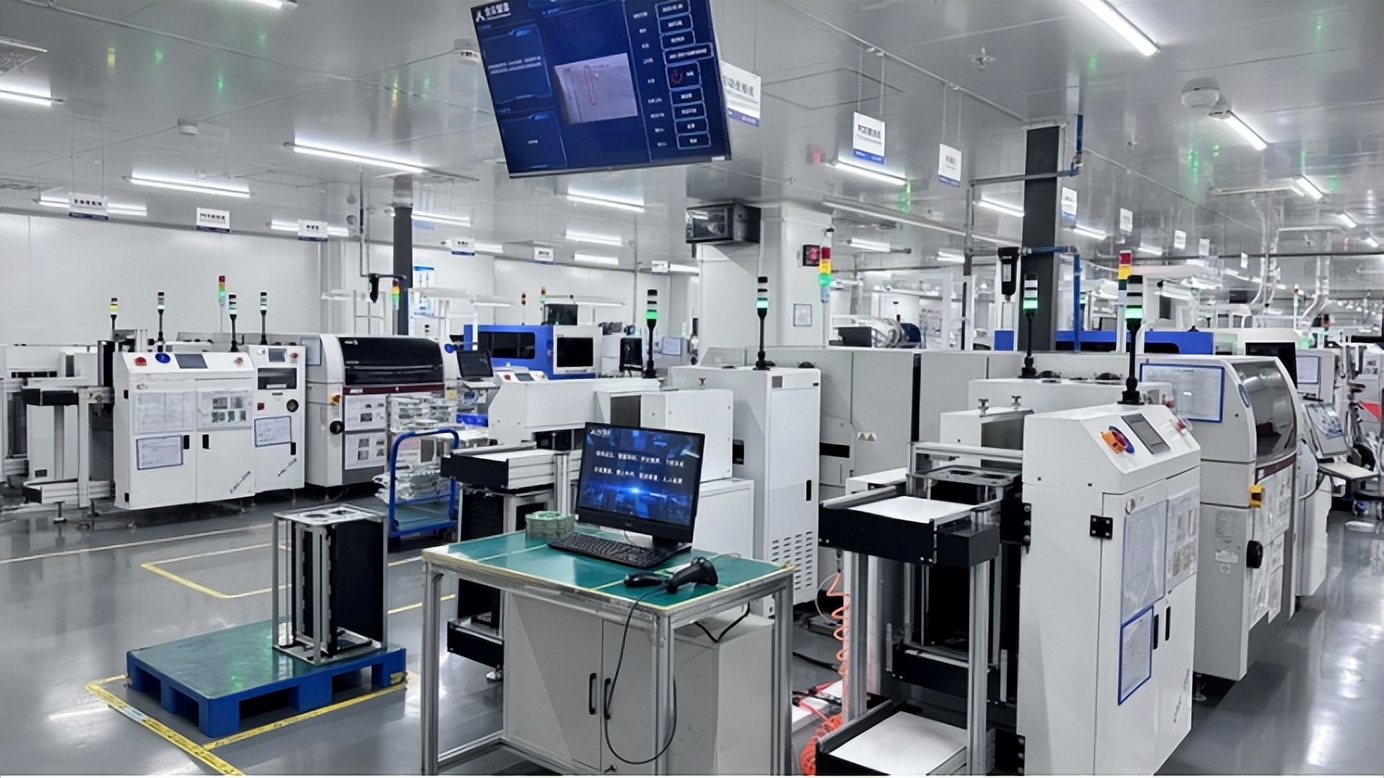
Purchasing components globally requires a delicate balance of cost, quality, and supply chain reliability. Chinese manufacturing hubs, particularly in coastal technology zones, offer significant advantages. Our production ecosystem integrates all stages of the manufacturing process—from raw material processing and metal stamping to automated electroplating and high-frequency testing.
Transolix leverages a massive supply chain network of 860 certified upstream suppliers. This extensive partner network ensures that even during global component shortages, we maintain access to high-quality plastics, specialized copper alloys, and high-performance magnetic cores. As a result, we offer stable lead times and protect our clients from sudden price fluctuations.
Our engineering division manages the production flow from prototype to final scale. We utilize advanced automated optical testing and eye diagram analysis. Our 320-square-meter precision headquarters hub acts as the engineering nerve center. Here, 128 dedicated R&D engineers develop, test, and refine up to 86 new product designs annually to meet international requirements.
A transparent view of our engineering capabilities, quality assurance processes, and global export presence.
Key technical benchmarks sourcing managers must evaluate before partnering with exporters.
Procuring connectors for industrial networks requires verifying strict mechanical, electrical, and environmental specifications. Unlike standard consumer-grade components, industrial-grade hybrid assemblies must operate reliably for decades. Technical buyers should focus on the following key metrics:
By conducting thorough testing, including optical evaluations, TDR impedance measurements, and environmental chamber testing, Transolix ensures that every product shipped meets these international standards.
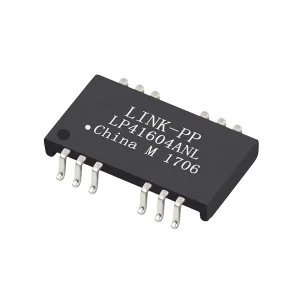
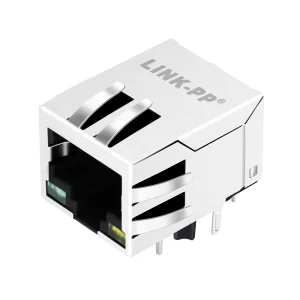
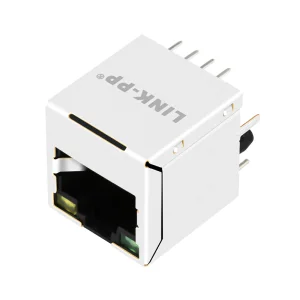
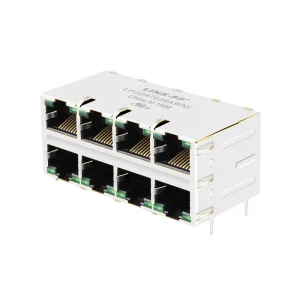
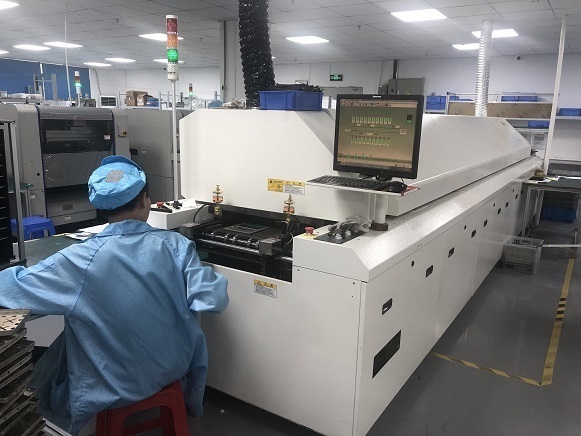
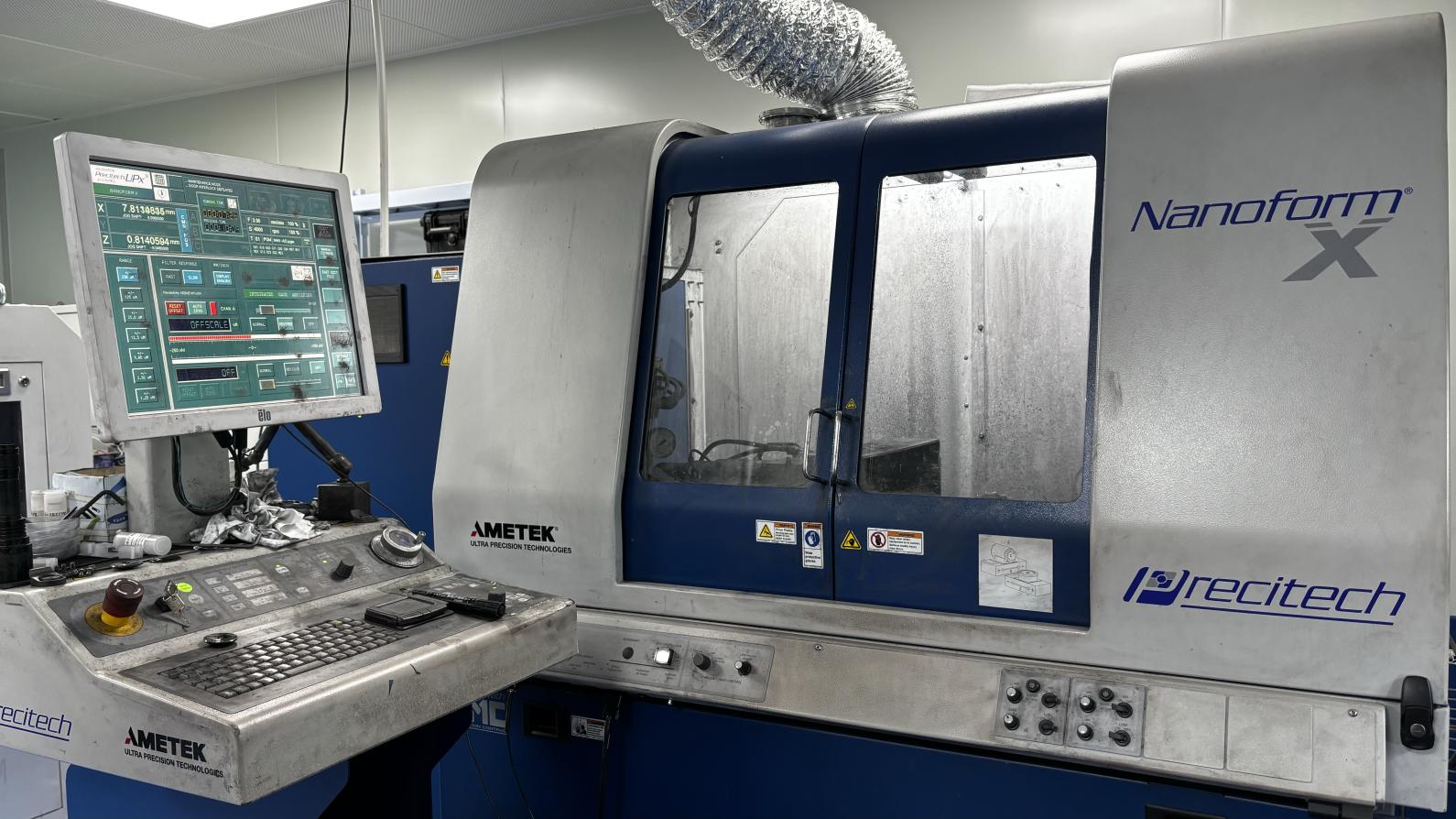
A visual tour of our cleanroom operations, high-speed automated production runs, and testing laboratory systems.



Get technical answers directly from our engineering and export departments.
 Transolix