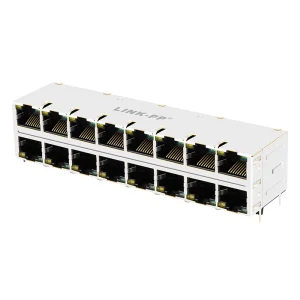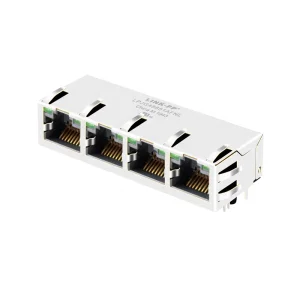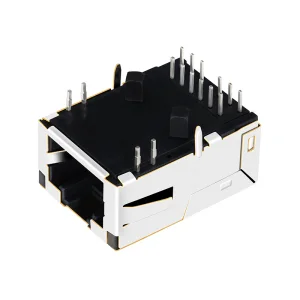
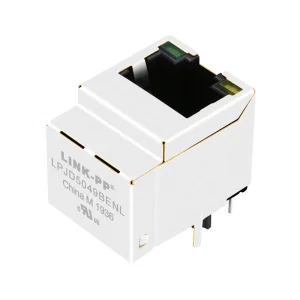
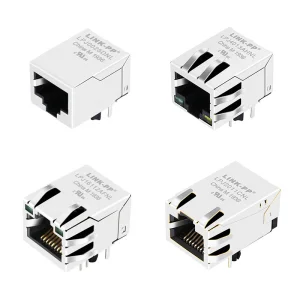
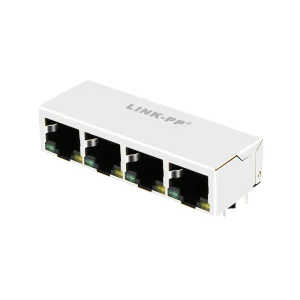
As networks scale to support high-performance cloud processing, edge computing nodes, and dense enterprise matrices, the humble RJ45 patch panel remains a critical foundation. It serves as the physical interface dividing active equipment and permanent link cabling. Sourcing a Custom OEM RJ45 patch panel supplier is no longer just about buying metal sheets stamped with plastic jacks—it is a critical exercise in engineering signal integrity, mechanical longevity, and system scalability.
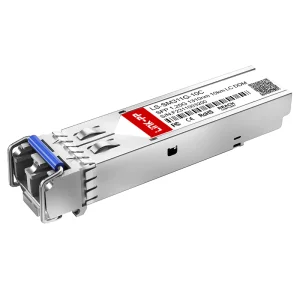
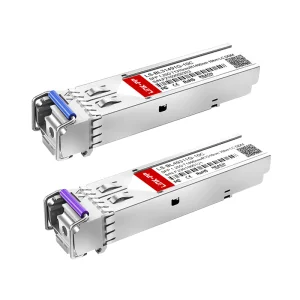
Choosing the right original equipment manufacturer (OEM) demands a partner who can customize patch panels to withstand continuous PoE++ wattages, prevent Alien Crosstalk (ANEXT), and integrate seamlessly into high-density rack configurations. Transolix delivers tailored copper patch panel panels and SFP optical transceivers, bridging the gap between legacy structured copper systems and optical transport networks.
Modern data centers demand optimal space utilization. Standard 24-port 1U systems are rapidly giving way to 48-port 1U and 72-port 2U high-density configurations. Achieving this without compromising crosstalk safety or structural strength requires precise CAD design and SMT-PCB micro-routing.
Power over Ethernet (up to 90W/100W Class 8 under IEEE 802.3bt) creates significant heat buildup in bundled cables and connectors. Modern custom patch panels must utilize materials with higher glass transition temperatures (Tg) and contact design that prevents spark-gap erosion.
Cat6A, Cat7, and Cat8 applications demand extensive shielding (STP/FTP) to eliminate high-frequency electromagnetic interference. Tool-less keystones and fully shielded modular panels with dynamic ground paths are essential to maintain low error rates in 10G and 40G systems.
China's telecommunications supply chain represents the pinnacle of electronics manufacturing speed, scale, and cost-efficiency. Sourcing custom RJ45 patch panels from a specialized Chinese partner like Transolix unlocks unparalleled supply chain advantages:
Through our vast ecosystem of over 860 certified upstream suppliers, we secure raw phosphor-bronze alloys, high-density ABS, and cold-rolled steel at competitive prices. By manufacturing close to these material hubs, we minimize logistics costs and pass the savings on to our clients.
Our team of 128 R&D engineers excels at transforming functional requirements into detailed PCB layouts and custom metal chassis. We offer fast 3D-printed prototype turnarounds and short trial production runs to help you bring new designs to market quickly.
Transolix is a professional manufacturer specializing in high-performance fiber optic and copper cabling communication solutions. With over a decade of experience, we provide reliable connectivity products to global data centers, telecom operators, and enterprise networks.
Operating as a cross-border B2B exporter, Transolix ships premium networking products to major markets including North America, Europe, Southeast Asia, and the Middle East. Our annual export revenues range from USD 8 to 15 million.
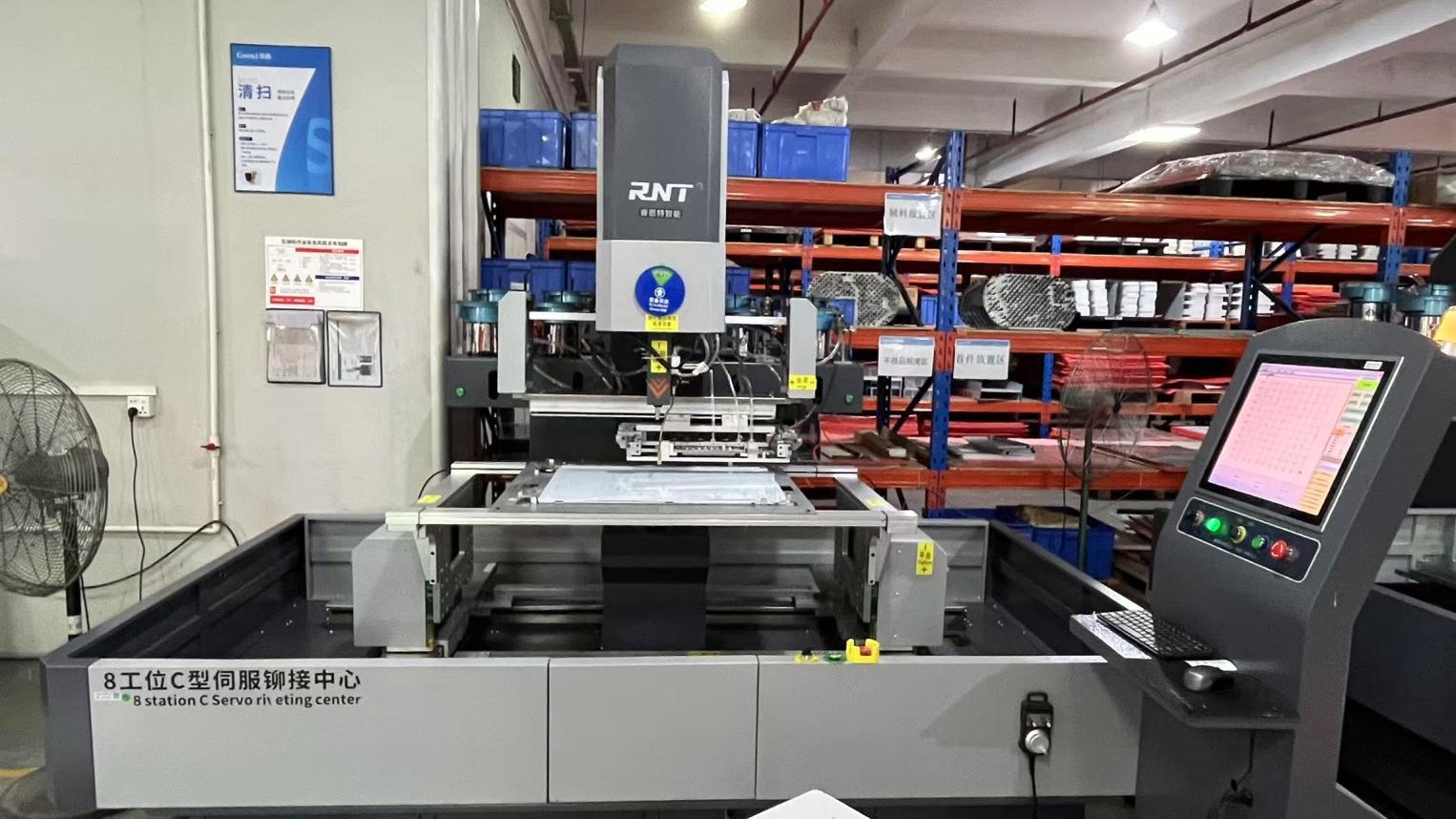

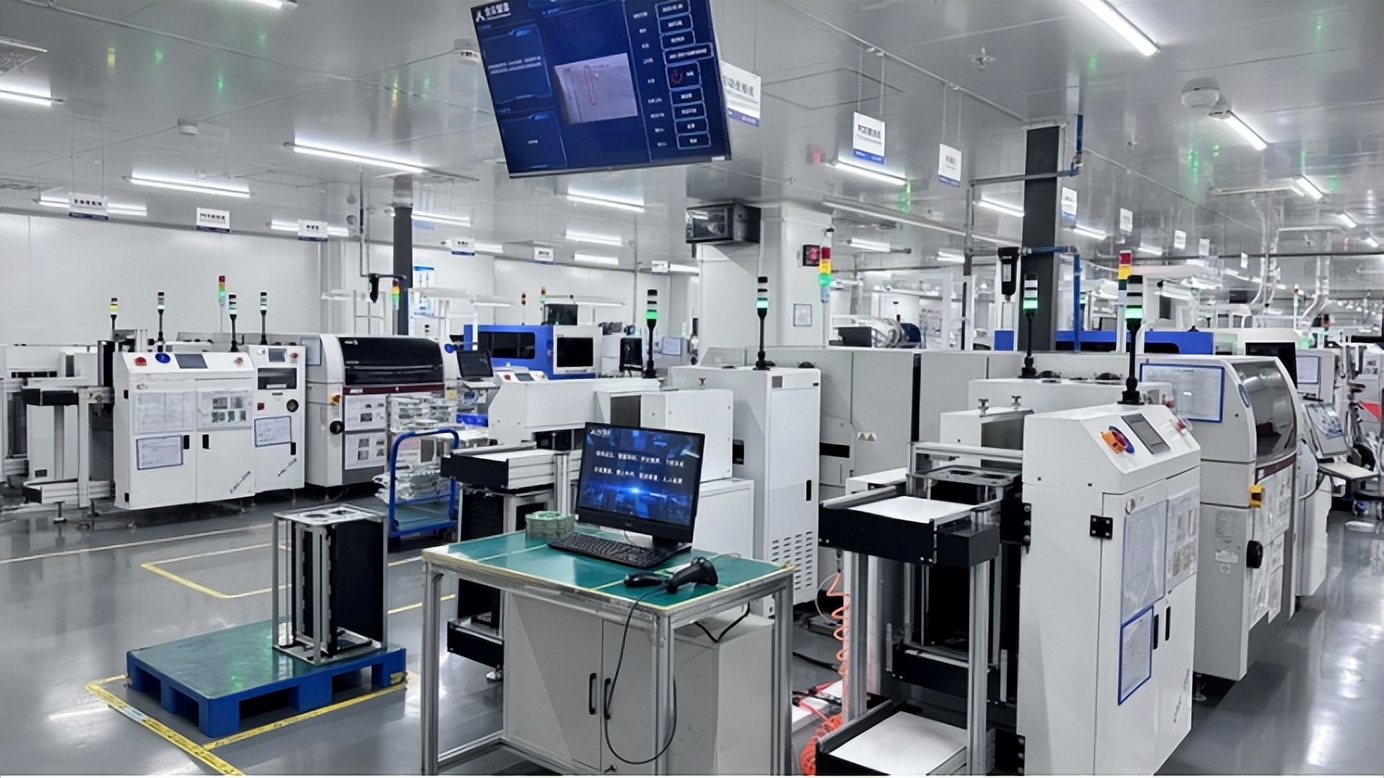
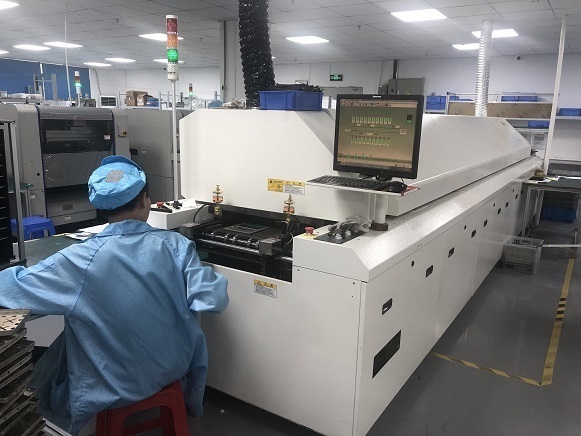

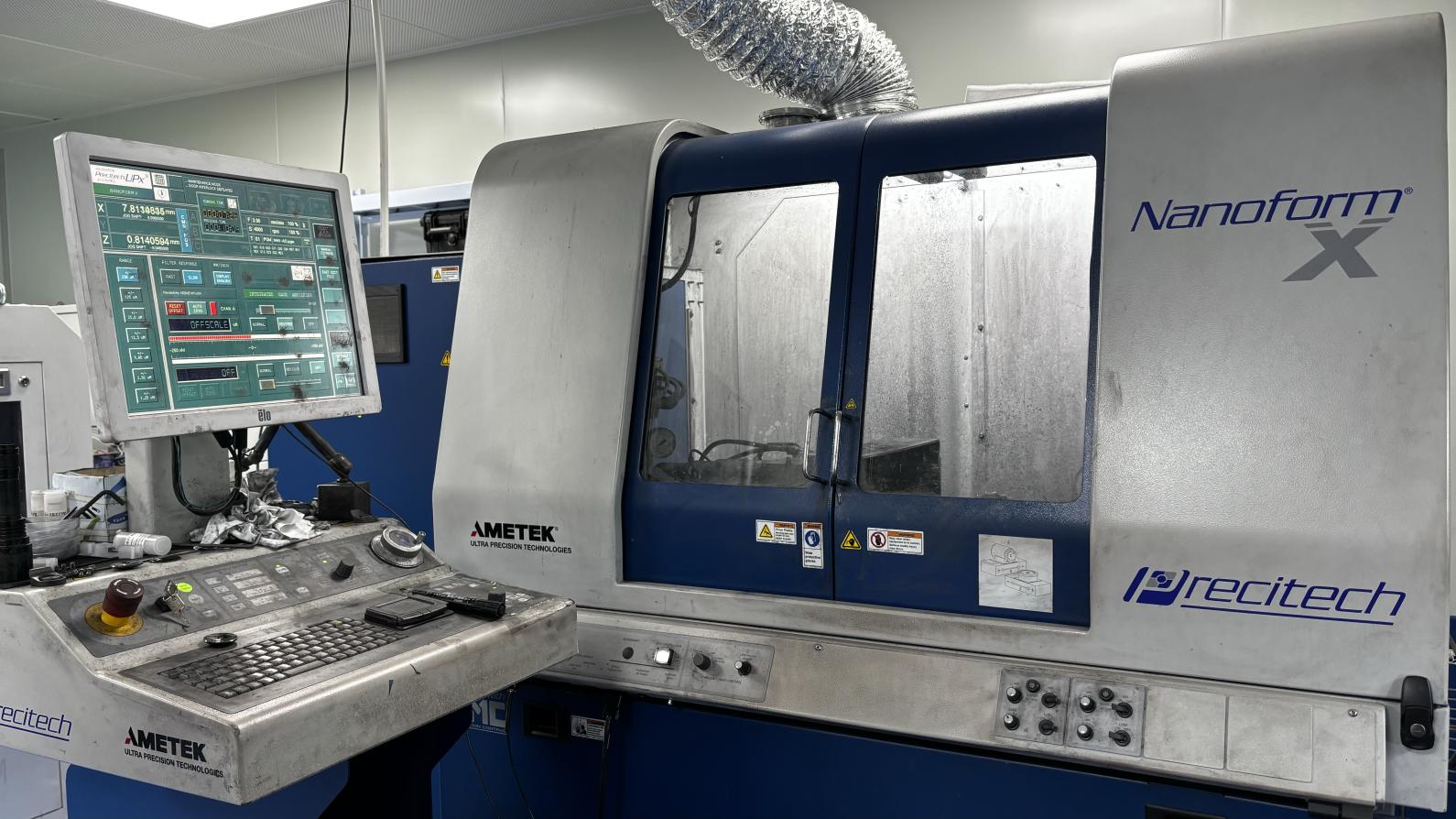
Designed to support high-density fiber-copper architectures, our patch panels minimize structural congestion, optimize airflow, and reduce the return loss of Cat6A transmission lines running parallel to high-power distribution tracks.
Enable future-proof migration paths with hybrid patch panels. Easily swap modular fiber adapters and RJ45 keystones within a single 1U footprint to accommodate both active optical transceivers and legacy office copper runs.
Engineered with heavy-duty metal housings and specialized PCB traces, our panels withstand mechanical stress, humidity, and wide operating temperatures in factory environments and edge-compute enclosures.
When engineering and procurement teams collaborate to source custom network infrastructure components, they must balance costs with long-term performance. Consider these key engineering criteria during your sourcing process:
The standard thickness for high-reliability network components is 50 micro-inches of gold over nickel plating. Sourcing panels with thinner plating can lead to oxidation and signal degradation after repeated insertion cycles, especially in humid conditions.
For high-frequency applications like Cat6A (500 MHz) and Cat8 (2000 MHz), PCB trace geometry must be designed to match nominal impedances. This design reduces return loss and avoids signal reflection issues that degrade overall network performance.
Power over Ethernet (PoE) applications generate heat. High-quality panels utilize UL 94V-0 rated fire-retardant plastics and contacts that maintain mechanical tension under thermal load to prevent loose connections.
A: Yes. Our design and engineering teams customize inner PCB configurations, shielding paths, and structural dimensions to meet your specific signal integrity and mechanical requirements.
A: Our QA team performs automated optical inspections (AOI), high-speed eye diagram tests, thermal aging tests, and 100% final performance verification to ensure all products meet global industry standards.
A: We design and manufacture patch panels that support Cat5e, Cat6, Cat6A, and high-frequency Cat8 specifications.
A: We work with over 860 certified upstream suppliers for chipsets, optical components, and raw metals. All incoming materials undergo rigorous inspections to verify compliance before they enter our production lines.
 Transolix