High-speed copper interfaces, active transceivers, and discrete magnetic components engineered to drive high-density data channels without packet loss.
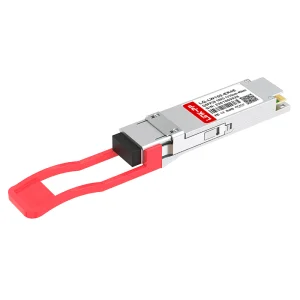
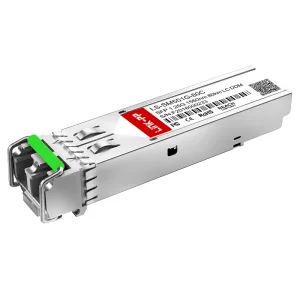
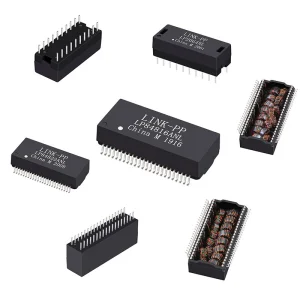
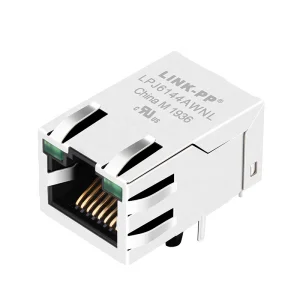
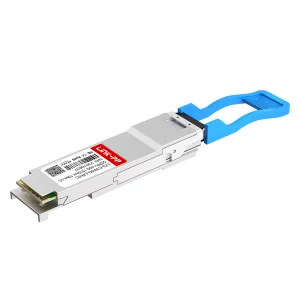
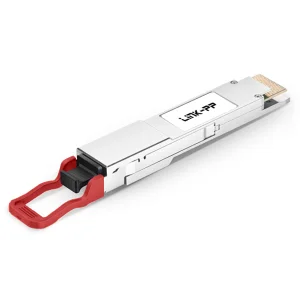
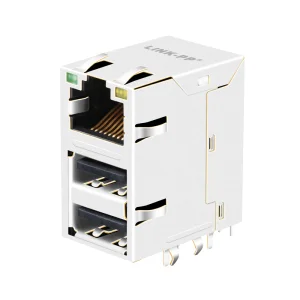
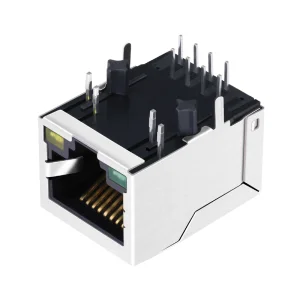
Transolix is a highly specialized optical transceiver and structural networking component manufacturer focusing on high-performance fiber optic communications and structured cabling copper modules. We support hyperscale data centers, telecommunications operators, cloud platforms, and large-scale industrial IoT enterprises.
Equipped with massive engineering resources, we build high-speed, cost-effective, and fully compatible interconnect solutions. From classic twisted pair connector architecture to pioneering QSFP-DD 400G optical transceivers, Transolix guarantees precision and absolute performance.
Under the hood of advanced RJ45 and modular interfaces: mitigating crosstalk, impedance mismatches, and attenuation in high-frequency applications.
As signal frequencies reach 500 MHz (Category 6A) and 2000 MHz (Category 8), Near-End Crosstalk (NEXT) and Far-End Crosstalk (FEXT) can severely degrade signal-to-noise ratios. Our OEM connector matrices utilize internal phase-shifting contact geometry to cancel parasitic capacitive and inductive coupling directly at the plug-to-jack interface.
Our modular plugs utilize high-tensile brass alloy outer shells plated with nickel. This creates a continuous Faraday cage surrounding the inner core, attenuating alien crosstalk (ANEXT) and electromagnetic interference (EMI) in dense municipal telecom cabinets and noisy industrial factory floors.
Any geometric deviation in the conductor contact point creates a localized impedance mismatch, causing return loss reflections. Transolix connectors maintain a tight 100-ohm ±5% differential impedance profile across the entire physical length, preventing transmission phase shifts.
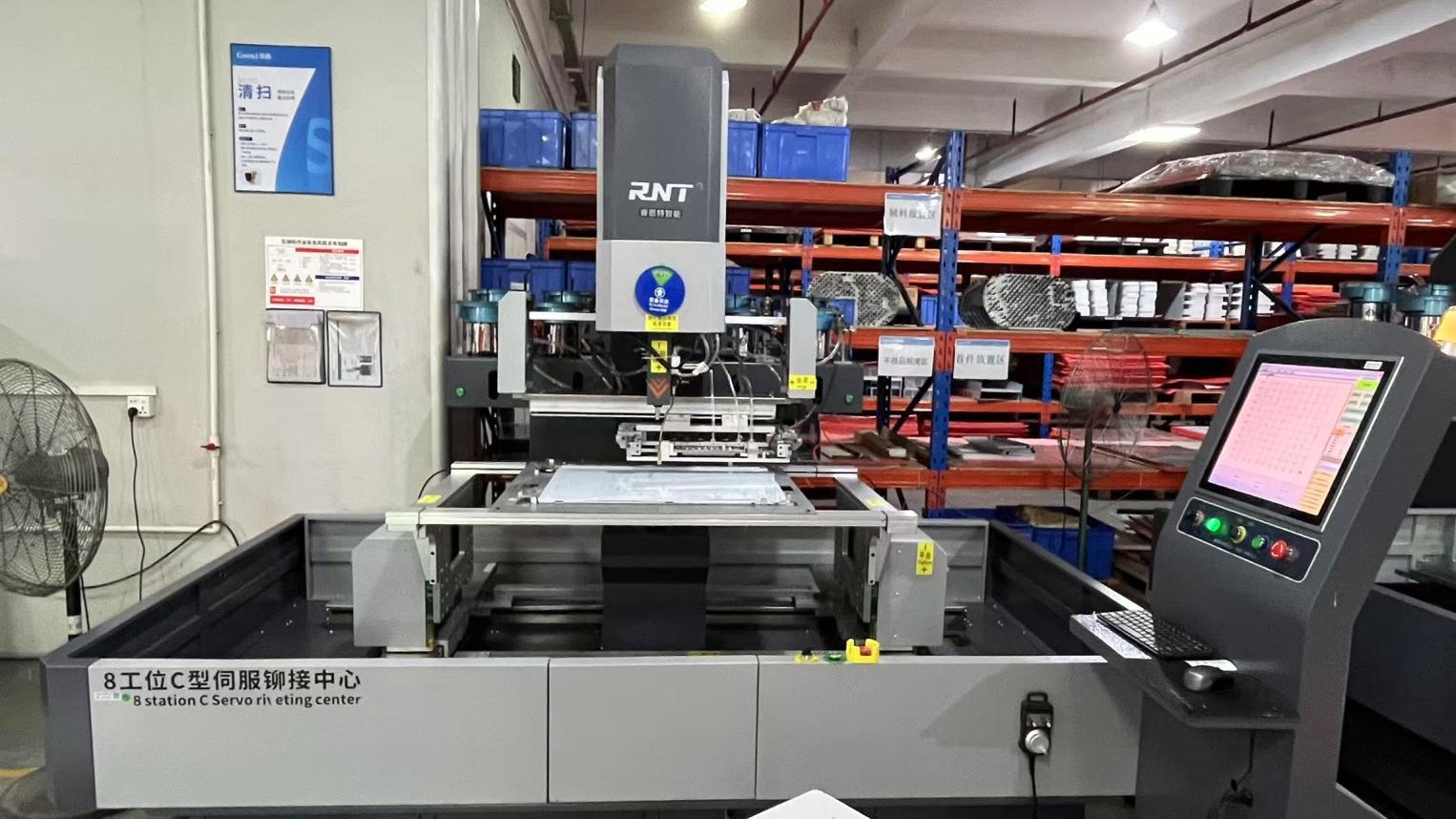
Transolix offers a comprehensive OEM and ODM framework engineered for modern networking hardware suppliers. Our R&D department features 128 specialized engineers skilled in high-speed optical routing, magnetic transformer optimization, and multi-layer PCB layout routing.
Whether your system architecture demands custom LED colors, integrated physical layer (PHY) magnetics, custom PIN mapping configurations, or space-saving ultra-low profile layouts, our manufacturing units can turn prototypes into validated products rapidly.
Why sourcing from Transolix’s consolidated ecosystem provides structural price stability, rapid engineering iteration, and raw material access.
By working with 860 certified upstream suppliers (chipset manufacturers, optical glass providers, high-purity gold and copper refiners), we minimize raw material lead times and protect our buyers from commodity price volatility.
Our 42 Quality Control professionals utilize automated optical testing (AOI), high-precision eye diagram analysis, mechanical stress profiling, and thermal cycling chambers. Every single production batch undergoes 100% electrical continuity verification.
Operating close to major deep-water ports and international air terminals gives us the agility to route products quickly. Over 6 years of direct export experience ensures customs documentation, HS-coding, and international transport compliance run smoothly.
Meeting the strict global quality criteria required by North American, European, and Asian telecom infrastructures.
Transolix twisted pair connectors are designed to align with international standards such as ANSI/TIA-568-C.2 and ISO/IEC 11801 Class EA. These specifications require insertion loss, return loss, and crosstalk performance margins to exceed minimum limits, ensuring optimal operation for networks handling gigabit speeds and beyond.
With the rise of smart building infrastructure, our RJ45 interfaces are designed to support IEEE 802.3bt Type 4 (PoE++), delivering up to 90W/100W of electrical power. We use high-grade phosphor bronze contacts and specialized shielding to prevent contact erosion during dynamic unplugging under full electrical load.
We use lead-free manufacturing to comply with European and American environmental mandates. Our facilities maintain full conformity with:
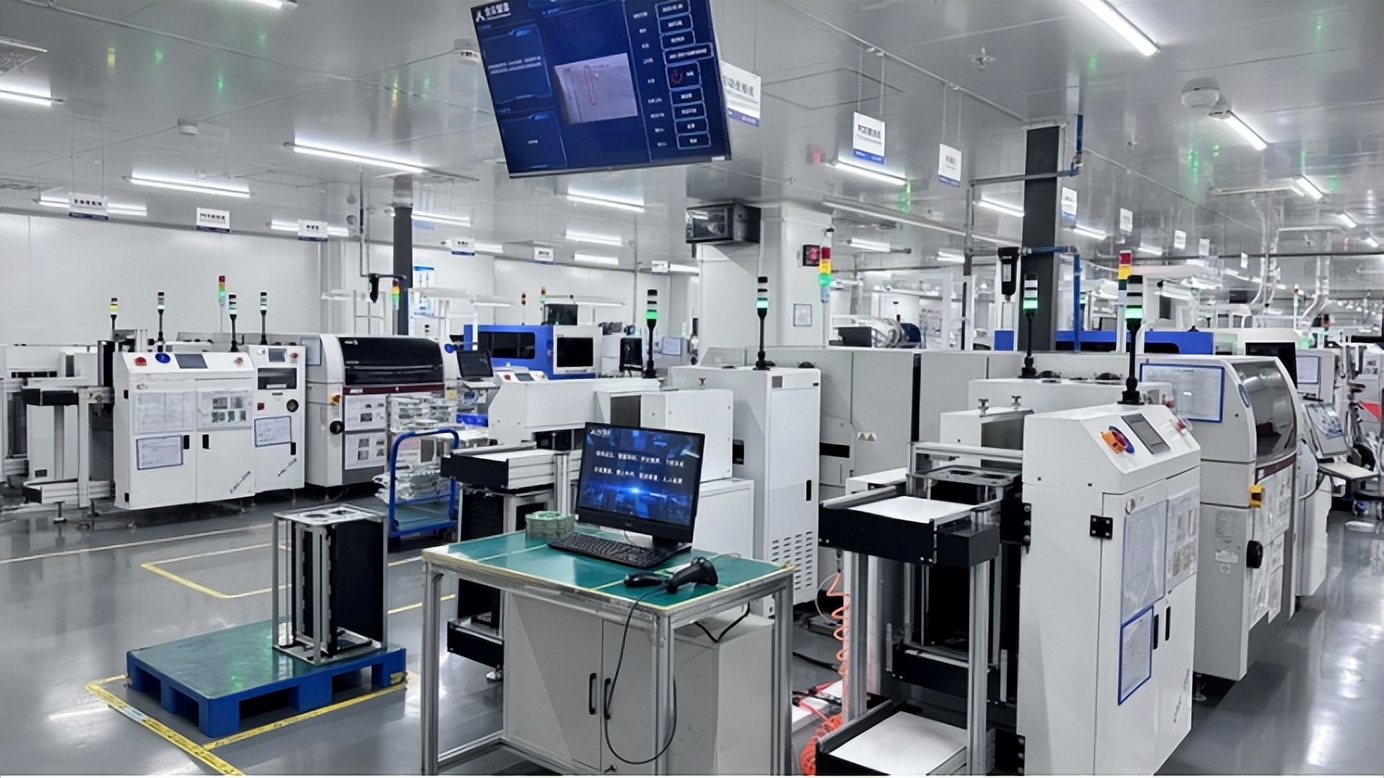
From edge computing to industrial operations: where Transolix products deliver stable performance daily.
Serving as the primary copper interconnection layer for top-of-rack (ToR) switches, managing server diagnostic management connections, and driving high-density patch fields with minimum insertion loss.
Integrated into programmable logic controllers (PLCs), robotic assembly terminals, and CNC networks where high vibration and electromagnetic radiation are constant threats.
Powering high-capacity copper backhauls, hybrid fiber-copper terminal interfaces, outdoor cabinets, and municipal switching facilities.
The communication hardware market is moving toward higher data density and hybrid networks. Key technological shifts we are tracking—and designing for—include:
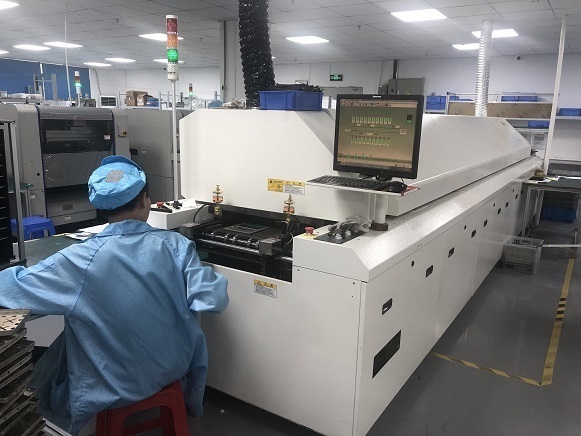
Answers to technical and commercial questions from network planners, procurement managers, and systems integrators.
We construct all contact pins using high-tensile phosphor bronze base alloy, which offers excellent elastic recovery and electrical conductivity. These pins undergo an initial nickel plating stage to create a diffusion barrier, followed by selective gold plating of up to 50 micro-inches on the physical contact area. This prevents galvanic corrosion and ensures the connector is rated for at least 750 mechanical insertion cycles.
Power-over-Ethernet (specifically IEEE 802.3bt Type 4) sends up to 90W/100W of electrical power through the copper cable bundle, generating heat. Transolix connectors use engineering thermoplastics with high thermal conductivity to help dissipate heat. This design prevents thermal buildup and ensures the system operates safely within its specified temperature range.
Our OEM/ODM services cover several main areas: custom LED configurations, specialized electromagnetic shielding materials, unique PCB trace layouts, magnetic transformer designs matched to specific physical layer (PHY) chips, custom packaging, and custom firmware parameters for our active optical transceivers.
We follow an ISO 9001:2015 quality management system. Our quality testing process includes automated dimension checks, insertion force measurements, contact resistance testing (maximum 20 milliohms deviation), dielectric strength testing (1000V AC minimum), and high-frequency testing using network analyzers to measure insertion loss and return loss.
High-speed Ethernet interfaces rely on balanced differential signals. Any change in the impedance path—such as a mismatch between the cable and connector—creates signal reflections. These reflections appear as return loss, which degrades the eye diagram opening and can lead to packet transmission errors. By keeping the differential impedance tightly matched to 100 ohms (±5%), we ensure clean signal transmission across the entire network link.
Standard configurations are generally dispatched within 2 to 4 weeks. For custom OEM designs, the development cycle—from engineering approval to initial tooling prototypes—ranges from 6 to 8 weeks. Our network of 860 certified upstream suppliers helps us secure key materials, allowing us to maintain stable production even during periods of high market demand.
Optimized data links, compact modular plugs, and high-performance transceiver solutions built to support modern high-speed networks.
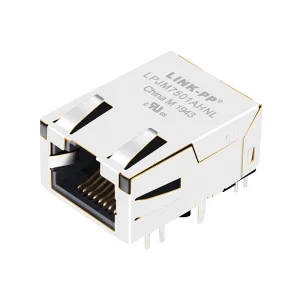
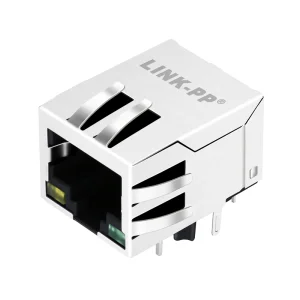
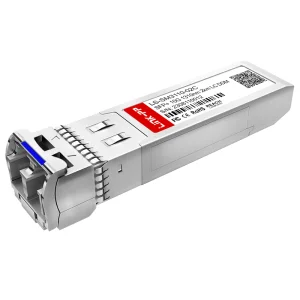
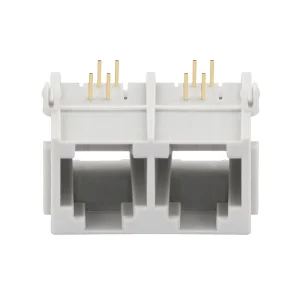
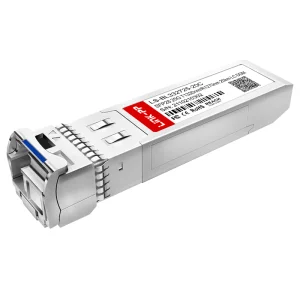
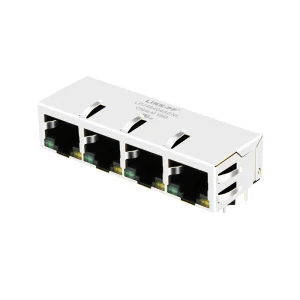
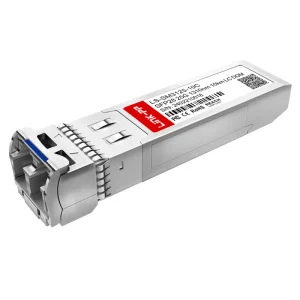
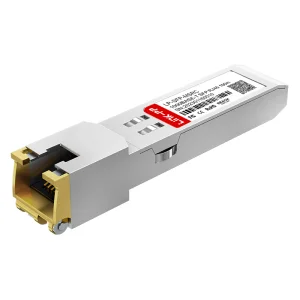
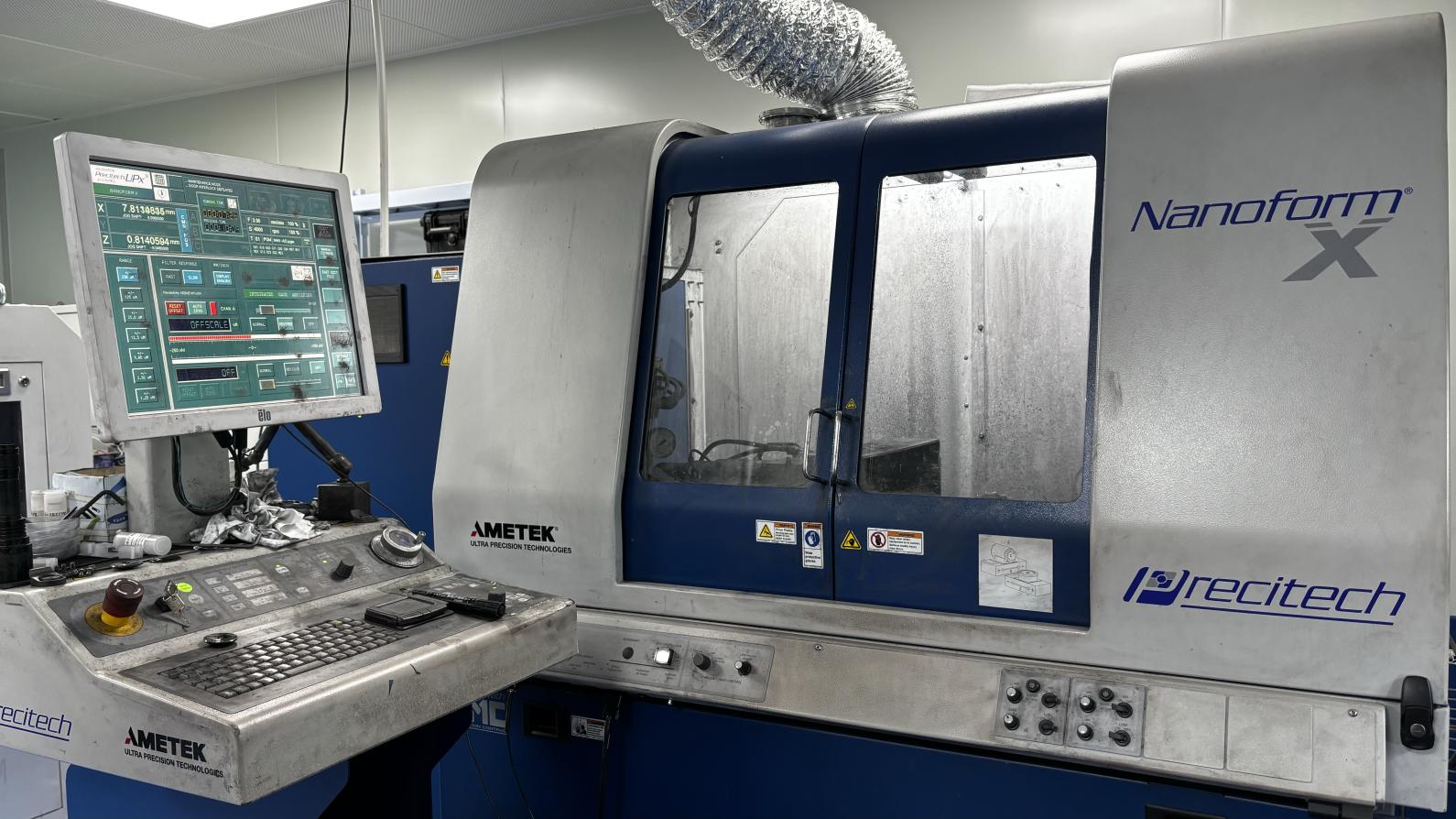
A visual tour of our production areas, precision assembly lines, cleanrooms, and testing facilities.


 Transolix