Top 10 RJ45 Connectors for Cables Manufacturers & Factory

Comprehensive Engineering Guide and Technical Roadmap for Industrial-Grade Ethernet Interconnects and Optical-Copper Coexistence.

Global Commercial & Industrial Landscape of RJ45 Connectors

In the rapidly changing arena of high-speed telecommunications, the RJ45 connector continues to serve as the critical physical-layer interface for local area networks (LANs), industrial control systems, and enterprise data links. While the industry has seen an explosive shift toward fiber optic backbones, structured copper cabling remains indispensable for short-reach, cost-effective edge installations. Global demand is heavily propelled by the rise of Internet of Things (IoT) nodes, intelligent factory floor systems, and the mass adoption of Multi-Gigabit Ethernet (2.5G, 5G, and 10G Base-T technologies).

For cable manufacturers and hardware factories, sourcing high-performance RJ45 connectors is no longer just a question of mechanical plug-and-play fitment. Modern high-frequency protocols dictate strict compliance with parameters like Electromagnetic Interference (EMI) suppression, crosstalk isolation, and power delivery compatibility. The integration of mechanical shielding, internal magnetics (commonly referred to as MagJacks or ICMs), and advanced SMT (Surface Mount Technology) packaging has transformed basic modular jacks into active, multi-component assemblies. Factories globally must now design their end-to-end cable assemblies to withstand demanding environmental stresses while maintaining strict electrical compliance.

High Density Integration

Modern telecommunication racks and industrial switches require minimized physical footprint. High-density multi-port configurations and low-profile designs are now industry standards.

EMI & ESD Shielding

Advanced integrated metal cages and grounding fingers mitigate high-frequency electromagnetic noise, ensuring steady signal transfer in high-noise factory environments.

Active Power Over Ethernet

Compliance with IEEE 802.3bt (PoE++) standards, allowing up to 90W to 100W of DC power transmission alongside gigabit data rates over twisted pair copper wires.

Technological Roadmap: The Evolution of Copper Interconnection

To meet the soaring throughput needs of modern data loops, RJ45 technology has shifted from legacy Category 5e (Cat5e) implementations toward Category 6A (Cat6A), Category 7 (Cat7), and Category 8 (Cat8) systems. Each upward migration in category dictates tighter physical tolerance limits and vastly improved crosstalk minimization techniques. Copper systems are engineered to run up to 40Gbps over short distances (typically 30 meters for Cat8), pushing the physical capability threshold of copper to its theoretical limit.

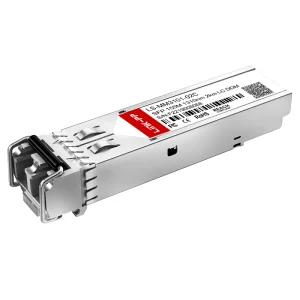
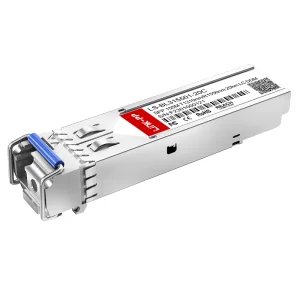
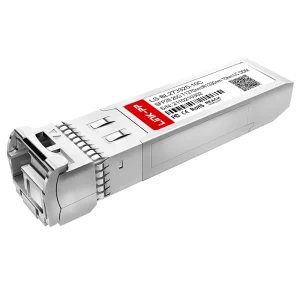
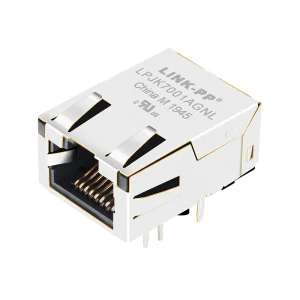
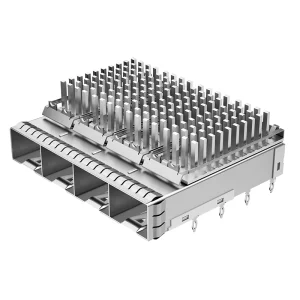
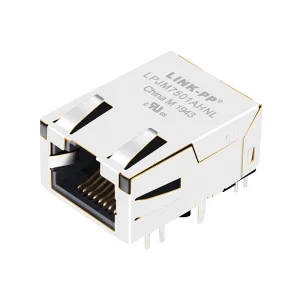
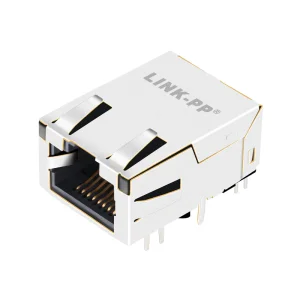
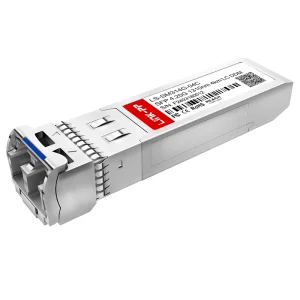
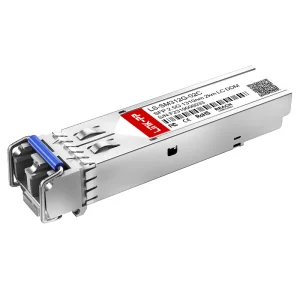
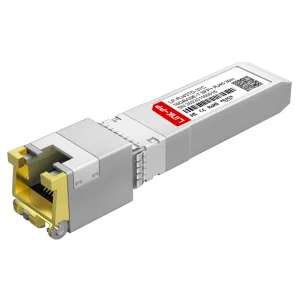
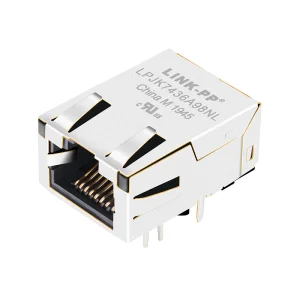
At the core of this engineering evolution is the Integrated Connector Module (ICM), which packs isolation transformers, common mode chokes, and decoupling capacitors into a shielded RJ45 housing. The integration of magnetics directly into the jack provides superior impedance matching and prevents electromagnetic spikes from damaging fragile PHY silicon chips. Concurrently, SFP/SFP+ cage variants and transceiver modules represent a hybrid bridge where copper networks interlock with high-speed fiber interfaces, ensuring backward compatibility and flexible media adaptation across heterogeneous enterprise nodes.

Key Architectural Milestones:
  • Integrated Magnetics (MagJacks): Standardizes signal isolation and filters high-frequency noise right at the physical port.
  • Surface Mount Technology (SMT): Facilitates automated high-volume pick-and-place assembly for manufacturing plants, lowering overall production costs.
  • Inverted & Low-Profile Designs: Solves horizontal space limitations in compact medical, industrial, and consumer devices.
  • Coexistence with SFP/SFP+ Cages: Supports optical-to-copper transceiver bridging to deliver maximum flexibility at the network edge.

Transolix Company Profile & Advanced Manufacturing Capabilities

Transolix Company Profile

Transolix is a professional optical transceiver manufacturer specializing in high-performance fiber optic communication solutions for global data centers, telecom operators, and enterprise networks. With strong engineering capabilities and scalable production capacity, Transolix is committed to delivering reliable, high-speed, and cost-effective optical connectivity products worldwide.

2016
Established
320㎡
Building Area
$8-15M
Annual Export Rev
11 Yrs
Industry Exp
128
R&D Engineers

Company Overview

  • Company Registration Date: 2016
  • Building Area: 320㎡
  • Annual Export Revenue: USD 8–15 million
  • Years of Export Experience: 6 years
  • Years of Industry Experience: 11 years

Quality & Inspection System

  • Quality Inspection Standards: ISO 9001 & internal reliability standards
  • Product Inspection Methods: Automated optical testing, eye diagram analysis, aging tests, and 100% final performance verification
  • Quality Control Staff: 42 professionals

Trade & Market Coverage

  • Trade Background: Cross-border B2B export-focused manufacturing company
  • Main Markets: North America, Europe, Southeast Asia, Middle East

Supply Chain & Customers

  • Supply Chain Partners: 860 certified upstream suppliers including chipset, optics, and packaging vendors
  • Main Customer Types: Telecom operators, cloud service providers, data center integrators, and OEM/ODM partners

R&D & Innovation Capability

  • R&D Capability: Strong in high-speed optical design, signal integrity optimization, and module integration
  • Customization Options: Supported (wavelength, form factor, distance, protocol compatibility, firmware customization)
  • Last Year New Product Releases: 86 models
  • R&D Engineers: 128 engineers

Transolix focuses on continuous innovation in optical interconnect technology, offering a full range of products including SFP, SFP+, QSFP28, QSFP-DD, and emerging high-speed optical transceiver solutions for next-generation networks.
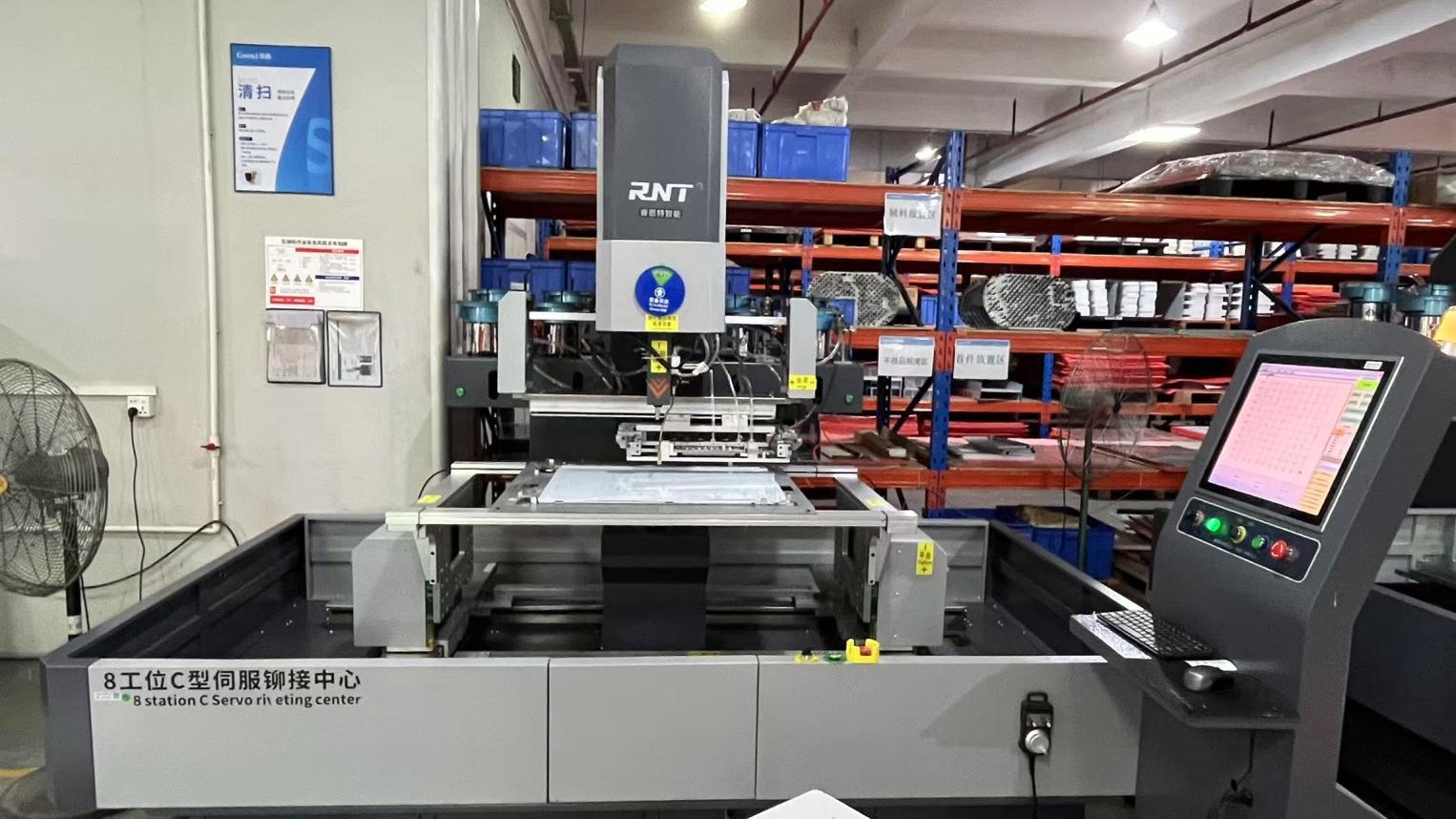

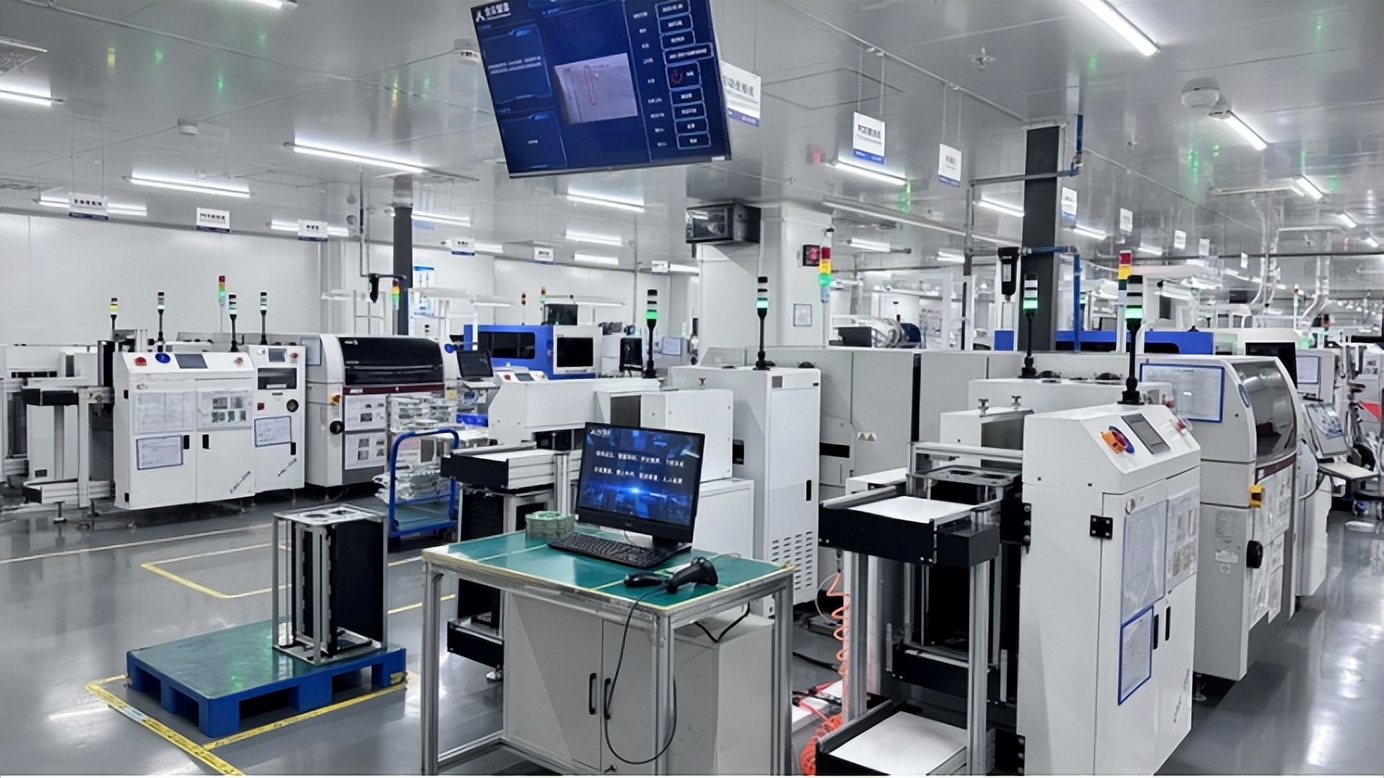
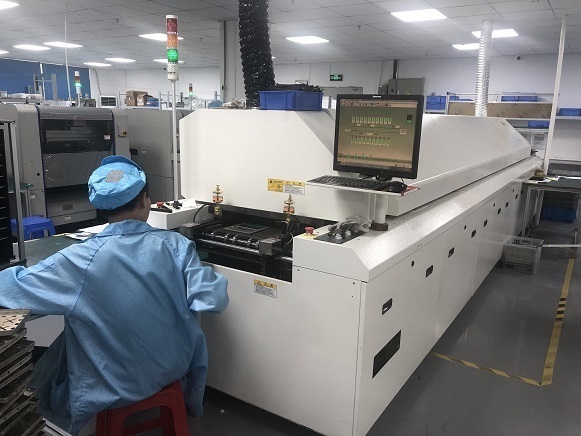
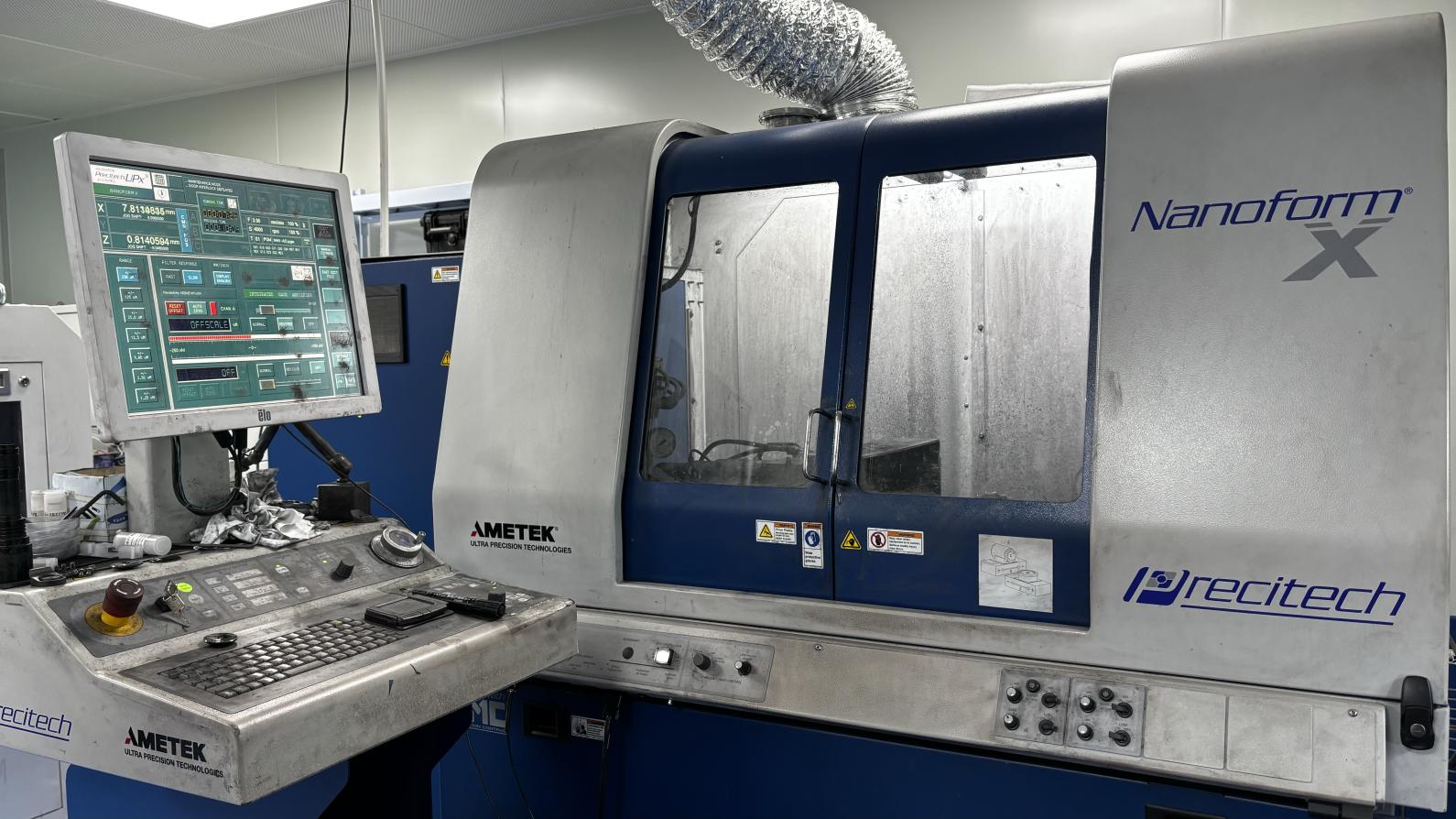
Manufacturing Facility & Quality Operations

Localized Application Scenarios: Where Performance Matters

The operating environment of a network interface significantly influences its structural and electrical design. RJ45 connectors must be adapted to different localized parameters to guarantee long-term link reliability:

  • Industrial Automation (Smart Factories): Floor environments subject equipment to vibration, grease, chemical washes, and high ambient temperatures. Standard RJ45 modular jacks fail quickly here. Engineers implement ruggedized IP67/IP68 rated modular connectors, utilizing bayonet locks and heavy shield housings to ensure steady connections on robotic arms and PLC controllers.
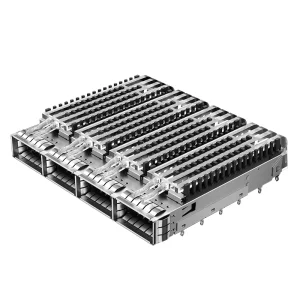
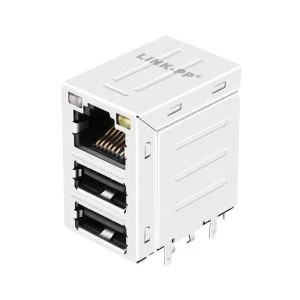
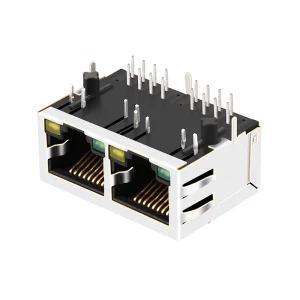
  • Telecommunications & Data Centers: In enterprise server clusters, physical density is the defining design metric. SFP/SFP+ cages and stacked Multi-port RJ45 connectors (such as 1x2, 2x2, or 2x8 configurations) maximize port capacity on a single RU rack shelf, allowing high density without compromising cross-talk isolation.
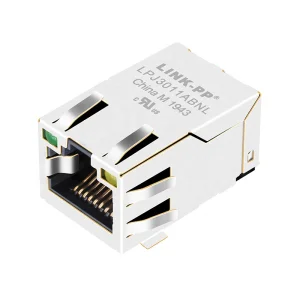
  • Smart Building Systems (IoT & CCTV): Modern IP surveillance cameras and building sensors are often deployed in hard-to-reach locations. Sourcing RJ45 modular jacks equipped with integrated LEDs and robust Power over Ethernet (PoE) handling is essential, providing installers with immediate visual diagnosis of link power and communication status.

Macro Solutions: Optimizing Assembly Supply Chain & Processing

For cable assembly operations and factories, the selection of the connector defines the layout of the production line. Working with standard crimp-type, IDC (Insulation Displacement Contact), or direct soldering styles governs the required tooling and validation setups. By partnering with leading component vendors, factories can streamline assembly procedures:

1. Standardizing Crimp Tooling & Quality Audits: High-frequency Cat6A and Cat8 lines rely on consistent terminal alignment. Implementing automated crimping and computer-vision wire-sequence verification systems prevents termination errors. Using RJ45 modules with integrated strain reliefs and pre-set shield grounds simplifies the manual work step and reduces defect rates.

2. Coping with Signal Integrity Limits: As frequencies approach 250 MHz to 2 GHz, minor mismatches in contact pressure or plating thicknesses can cause massive Return Loss drops. Factories need advanced cable analyzers (like Fluke DTX/DSX series) to run near-end crosstalk (NEXT) and insertion loss tests on every batch of cables, ensuring they meet patch cable standards before shipment.

3. Optical-Copper Hybridization: Increasingly, cloud networks bridge short-range copper (using 10GBASE-T transceivers) with long-haul single-mode fiber (using SFP/SFP+ optical modules). Incorporating both physical media interfaces in production portfolios allows factories to position themselves as complete, one-stop connectivity partners.

Technical Q&A: Understanding RJ45 and High-Speed Signal Physics

Q1: What is the main structural difference between standard RJ45 Jacks and Integrated Connector Modules (ICMs)? +
A standard RJ45 jack consists purely of plastic housing and metal contact pins. It relies on a discrete transformer and filter circuit mounted on the host motherboard. An Integrated Connector Module (ICM), or MagJack, integrates the isolation transformer, common-mode chokes, resistors, and capacitors directly inside the connector housing. This saves motherboard space, isolates electrostatic discharge (ESD), improves signal integrity, and simplifies EMI board layouts.
Q2: How does EMI shielding in RJ45 connectors protect networks from data loss? +
At frequencies used by 10GBASE-T, external electromagnetic noise from power lines, machinery, and neighboring cables can cause packet drops. Shielded RJ45 connectors are enclosed in copper-alloy or nickel-plated steel shells. Grounding fingers on the shield body connect with the metal frame of the switch panel, creating a continuous Faraday cage. This redirects electromagnetic energy safely to the system ground, preventing high-frequency noise from penetrating the signal pairs.
Q3: Why are gold plating thicknesses crucial for RJ45 connectors in industrial environments? +
Gold is resistant to oxidation and maintains very low contact resistance. Standard connectors use flash gold, whereas industrial and high-reliability telecom connectors specify 30μ" or 50μ" gold plating on the contact interface. Under conditions of vibration, humidity, and constant thermal cycling, thinner gold plating can wear off, leading to corrosion and intermittent contact failures.
Q4: What role do SFP/SFP+ cages play alongside RJ45 systems in enterprise networks? +
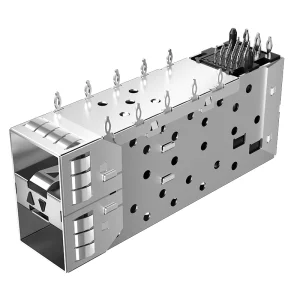
SFP (Small Form-factor Pluggable) and SFP+ cages allow devices to switch dynamically between copper RJ45 links and optical fiber links. By inserting a copper transceiver module (such as a 10GBASE-T module) into an SFP+ slot, users can interface with traditional copper cables. Conversely, inserting an optical module allows links over fiber optic spans up to tens of kilometers. This dual compatibility provides maximum adaptability for variable data network builds.
Q5: What mechanical assembly failures are most common during cable manufacturing, and how are they avoided? +
The most common mechanical failures include poor IDC wire terminations, incorrect wire mapping, and insufficient strain relief crimping. These errors lead to high attenuation and open circuits. Factories can avoid these issues by using automatic wire stripping and positioning equipment, maintaining precise crimp die heights, and deploying automated wire map testers to confirm the integrity of all eight conductors and the shielding shell.