Engineered for high-speed network interfaces, low latency, and robust reliability in enterprise data centers.
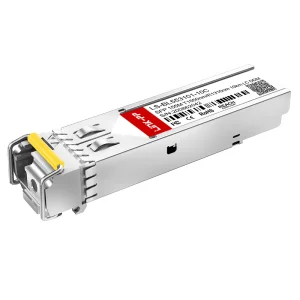
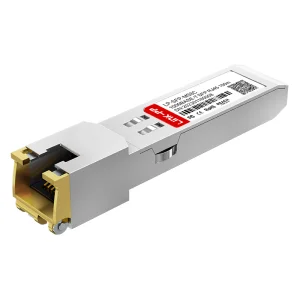
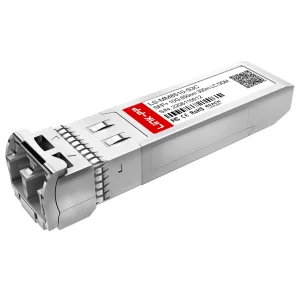
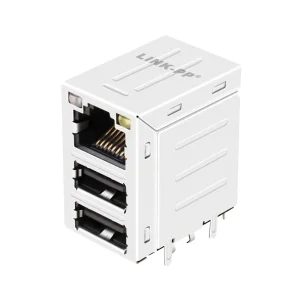
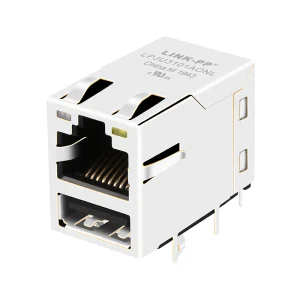
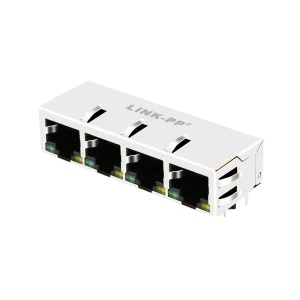
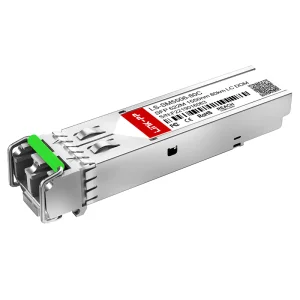
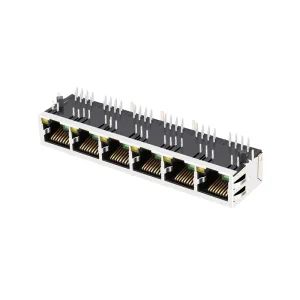
Transolix is a professional optical transceiver manufacturer specializing in high-performance fiber optic communication solutions for global data centers, telecom operators, and enterprise networks. With robust engineering capabilities and scalable production capacity, Transolix is committed to delivering reliable, high-speed, and cost-effective optical connectivity products worldwide.
At Transolix, quality is not a static endpoint but a rigorous process embedded across every step of our assembly and testing phase. Operating under ISO 9001 quality systems, our 42-strong professional QC department applies exhaustive verification procedures:
With an extensive network of 860 certified upstream material vendors, Transolix secures tier-1 chipsets, high-grade lasers (DFB, VCSEL, EML), and precision housings. This integrated model provides unprecedented supply chain resilience for customers worldwide:
Analyzing the structural shifts in bandwidth demand, transmission media, and physical form factors in the next-generation network connectivity landscape.
Modern hyperscale data centers are moving beyond legacy 10G/40G transceivers towards 100G, 400G, and emerging 800G optical links. Integrating silicon photonics chips reduces power consumption and physical footprint, offering higher data densities over single-mode fibers.
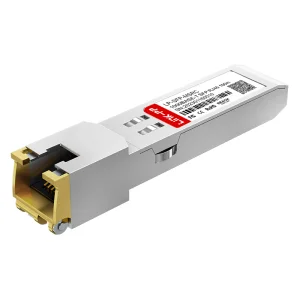
While long-haul telecom transmission relies entirely on single-mode bidirectional transceivers, local racks utilize modular copper transceivers (like J8177D and 1000BASE-T) for cost-efficient, short-distance patching, bridging legacy copper structures with fiber active units.
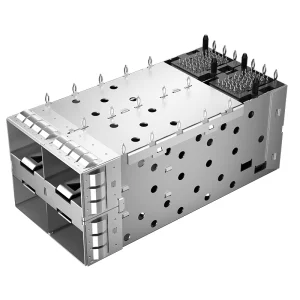
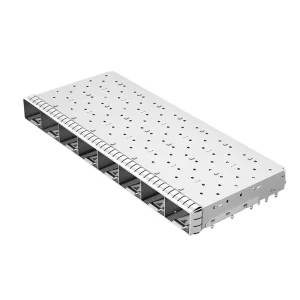
China has transitioned from basic assembly to premium structural engineering of components like SFP Cages, RJ45 Modular Connectors with Integrated Magnetics, and multi-port cage housings, providing high physical shielding performance and thermal efficiency at scale.
Enterprise procurement teams face complex interoperability landscapes. Selecting Ethernet modules and transceiver accessories is no longer strictly a question of price, but one of E-E-A-T: Expert manufacturing, proven reliability, and architectural compatibility. Key factors shaping global supply demands include:
Optical transceivers must be flashed with correct configuration files to ensure full system visibility and functionality on host equipment like Cisco, HPE, Juniper, or Aruba devices. Non-compliant coding leads to system errors or complete link degradation.
As high-frequency signals pass through multi-port SFP cages or RJ45 jacks, electromagnetic interference (EMI) risks rise. SFP cages must feature robust spring fingers and grounded gaskets to protect adjacent lanes from cross-talk and maintain low bit-error-rates.
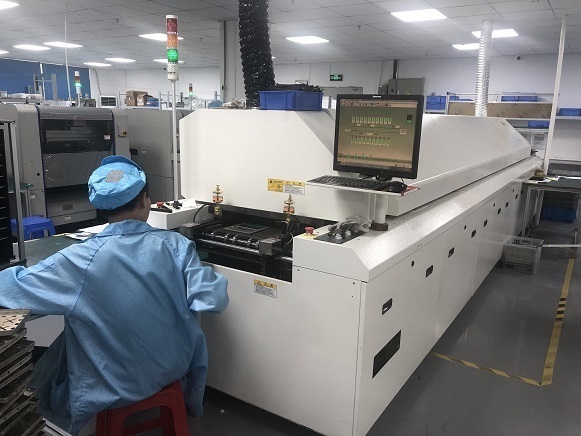
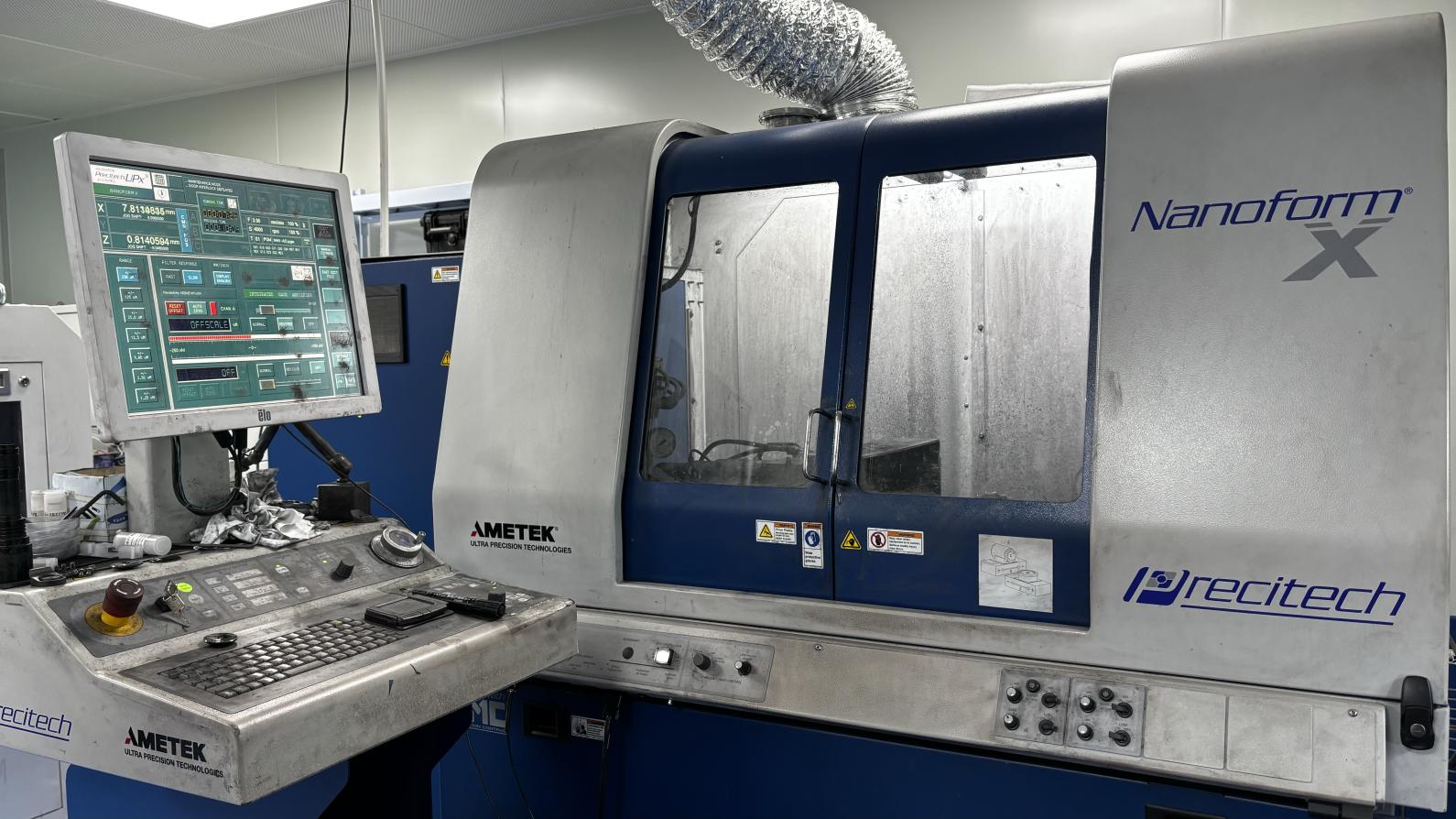
Take a look inside the modern fabrication facilities, cleanrooms, and testing infrastructure behind our high-performance transceivers.




Clear, expert answers to key technical questions for telecom engineers and network component buyers.
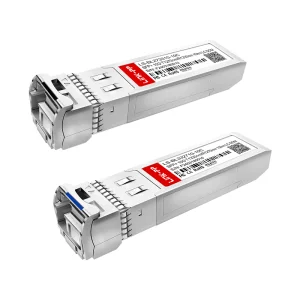
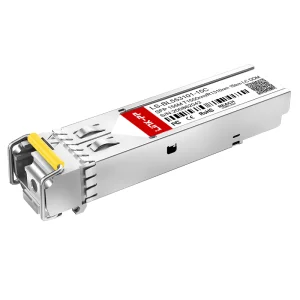
A: Bidirectional (BiDi) transceivers use Wave Division Multiplexing (WDM) to transmit and receive data on different wavelengths (e.g., 1550nm-TX and 1310nm-RX) over a single strand of fiber (simplex). Duplex transceivers require two separate fibers: one to transmit and one to receive. BiDi transceivers cut optical fiber cabling infrastructure requirements in half, offering significant installation and expansion cost savings.
A: Major networking hardware vendors implement strict software checks that identify and lock out third-party transceivers. Our compatible modules (e.g., J8177D HPE Aruba Compatible) are flashed with custom firmware code that matches these specific vendor ID protocols. This allows our modules to integrate seamlessly without raising alarms, blocking ports, or voiding equipment warranties.
A: Copper SFP modules allow you to run Ethernet signals over standard Cat 5e/Cat 6 copper cabling up to 100 meters. This is a cost-effective solution for short connections inside standard server racks, eliminating the need for expensive fiber patch cables, optical transceivers, and dedicated optical patch panels.
A: At high speeds like 10G or 28G per lane, high-frequency electromagnetic noise can leak and cause signal errors. Our zSFP+/SFP+ cages feature EMI shielding with integrated ground pins and spring contacts. This effectively grounds high-frequency noise to the PCB, keeping your network connection stable and clean.
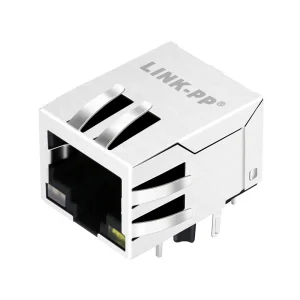
A: GPON RJ45 connectors with integrated magnetics (like JFM3841-GPON) combine the physical connector, status LEDs, and internal isolation transformers into one space-saving module. This shields signals from electromagnetic interference, saves board space, and makes layout routing much simpler during hardware design.
A: Our quality inspection process uses eye diagram tests, optical spectrum analyzers, BER (Bit Error Rate) verification, and thermal chamber cycling. This allows us to measure optical output power, receiver sensitivity, and physical signal stability to ensure long-term reliability under challenging environmental conditions.
A: Yes, we offer extensive custom manufacturing support. We can customize SFP modules for transmission distances ranging from short-reach multi-mode applications (300m) to long-haul single-mode links (10km, 40km, 60km, or up to 80km with DDM capabilities) to fit your specific network layout.
A: We maintain long-term relationships with multiple qualified vendors for key optical and electronic components. This diversified supply chain model prevents single-source bottlenecks, keeps raw material costs stable, and ensures reliable lead times even during global component shortages.
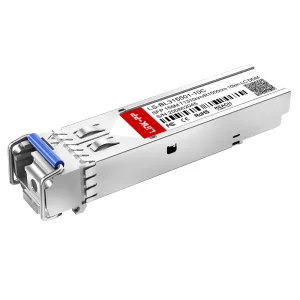
High-durability board-level connectivity components built for telecom infrastructure, switches, and industrial equipment interfaces.
 Transolix