In the era of high-frequency data transmission and the exponential growth of edge computing, the humble RJ45 bridge connector has transitioned from a basic network jack to a highly engineered system critical to maintaining signal integrity and power delivery. As telecommunications infrastructure migrates from traditional copper grids to optical-copper hybrid structures, hardware interfaces face severe challenges regarding bandwidth density, electromagnetic compatibility (EMC), and thermal dissipation.
Legacy systems relied heavily on 10/100 Mbps interfaces. Today's industrial networks demand Cat6A and Cat7 configurations capable of processing 10Gbps and beyond. RJ45 bridge connectors are now designed with internal shielding barriers to isolate individual pairs, mitigating Near-End Crosstalk (NEXT) and Far-End Crosstalk (FEXT) in high-frequency applications.
Industrial IoT sensors, security arrays, and high-performance wireless access points require simultaneous power and data transmission. Advanced RJ45 connectors incorporate robust contact alloys capable of carrying up to 90W of power (PoE++) without generating excessive thermal stress, preventing standard copper plating degradation over time.
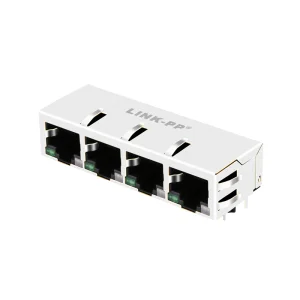
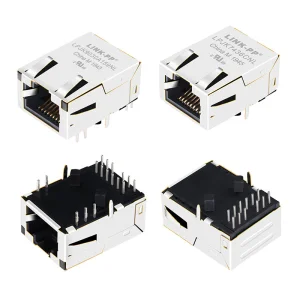
Electromagnetic interference (EMI) is the nemesis of reliable data transmission in automated factory floors and telecom hubs. The integration of magnetic components (magnetic jacks or RJMs) directly within the connector housing acts as a low-pass filter, suppressing common-mode noise and protecting sensitive processing units from voltage surges.
For international enterprise procurement managers, purchasing connectors is not simply a matter of price per unit. Components must fulfill strict reliability parameters to ensure zero downtime in mission-critical applications. When evaluating vendors, engineering and sourcing departments focus heavily on the following compliance matrix:
| Evaluation Parameter | Industry Standard Requirement | Business Value / Protection |
|---|---|---|
| Gold Plating Thickness | 3u" to 50u" (micro-inches) pure gold on contacts | Prevents contact oxidation, ensures low insertion resistance over 750+ mating cycles. |
| Flaggability & Safety | UL94-V0 compliance for plastics | Ensures high thermal resistance, preventing flame propagation in high-voltage cabinets. |
| Environmental Certifications | RoHS 3.0 & REACH Compliance | Guarantees hazardous substance exclusion, allowing direct access to European and North American markets. |
| Signal Integrity Verification | 100% automated optical inspection & eye-diagram analysis | Ensures low insertion loss (< 1.2 dB at 100MHz) and high return loss metrics. |
| Mechanical Latching Integrity | Strict ANSI/TIA-568-C.2 click-lock testing | Withstands mechanical strain and prevents accidental cable disconnects under vibration. |
Procuring departments evaluate material composition carefully. Thermoplastic housings must withstand lead-free wave soldering temperatures exceeding 260°C without warping. Phosphor bronze base pins plated with nickel and finished with selective gold plating ensure both flexibility and conductivity. These attributes prevent contact fatigue, which is a major contributor to intermittent network connections in high-vibration machinery.
Modern global logistics require components to be universally certified. Selecting suppliers with ISO 9001:2015 certification ensures structured quality-control flows. From material incoming inspections (IQC) to in-process controls (IPQC) and final validation (FQC), this framework reduces return rates (RMA) to less than 100 PPM (parts per million).
Transolix is a professional optical transceiver and networking component manufacturer specializing in high-performance connectivity solutions for global data centers, telecom operators, and complex enterprise networks. With robust engineering capabilities and scalable production lines, Transolix delivers reliable, high-speed, and cost-effective interconnect hardware worldwide.
Transolix employs rigorous inspection methods, implementing ISO 9001 alongside stringent internal reliability parameters. Testing protocols include:
Our network is built on extensive collaboration and deep market expertise:
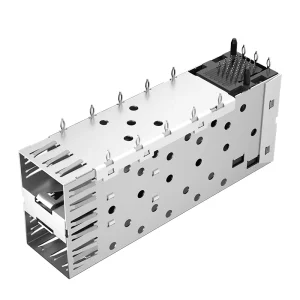
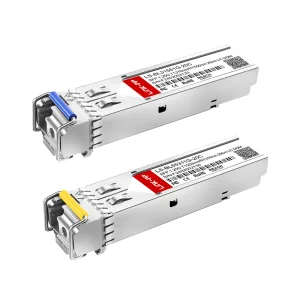
Focused on continuous innovation in optical interconnects and copper termination interfaces, Transolix provides a complete array of physical products. This range spans SFP, SFP+, QSFP28, QSFP-DD, integrated RJ45 modular jacks, and customized transceivers optimized for next-generation telecom standards.
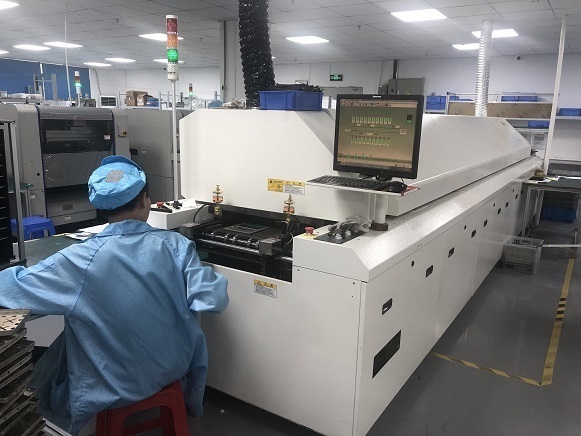
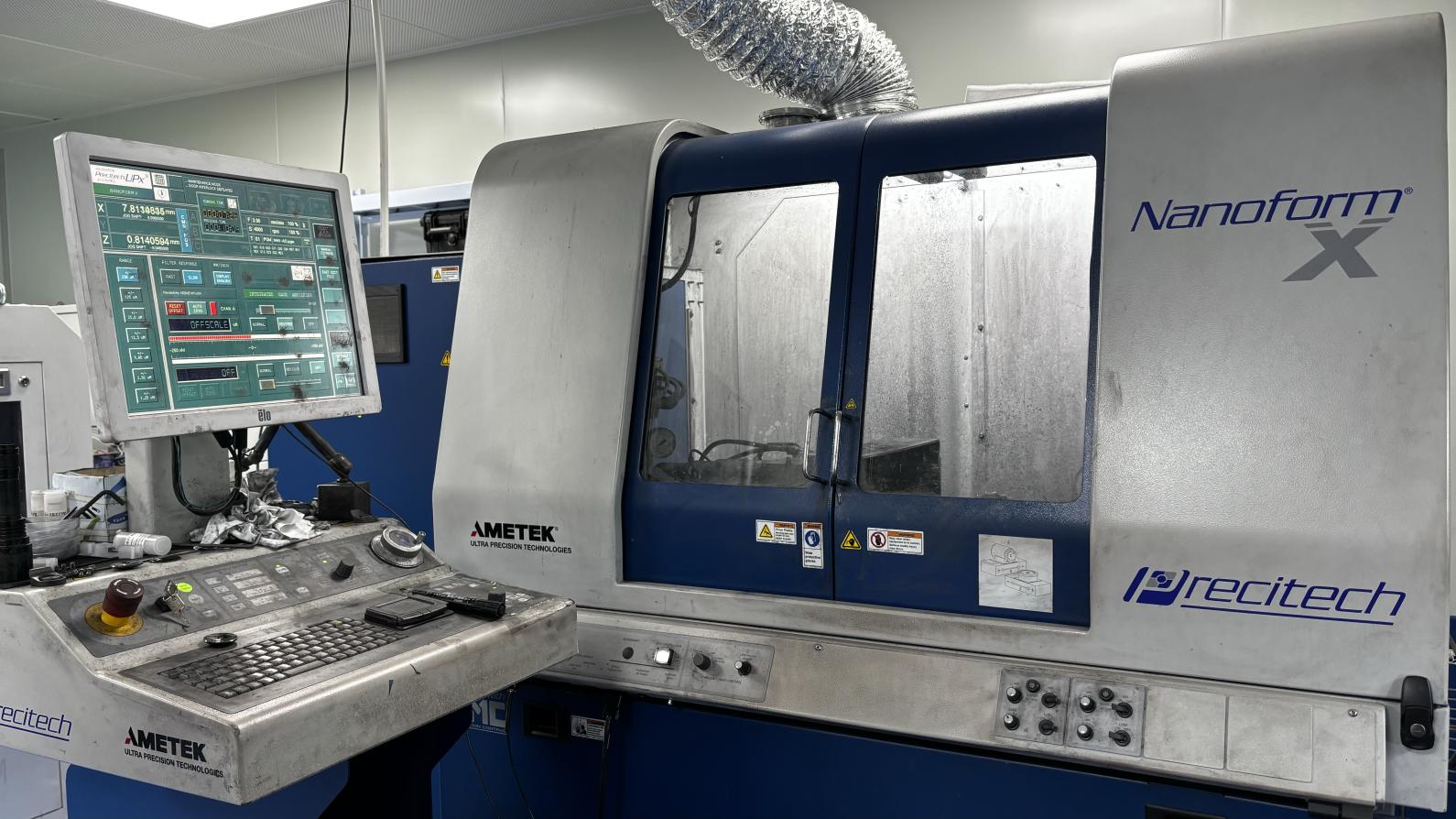
China’s manufacturing landscape has transitioned from high-volume assembly lines to intelligent "Factory 4.0" ecosystems. This transformation is driven by automation, end-to-end digital integration, and robust regional supply chain networks. By integrating advanced production equipment, manufacturing operations achieve high consistency, rapid turnaround, and competitive cost structures.
High-precision metal stamping ensures that the shielding cages of SFP interfaces and RJ45 jacks conform to exact mechanical tolerances (within ±0.02mm). This prevents physical mating failures and guarantees solid ground connection contacts, which are essential for noise suppression.
Using MES (Manufacturing Execution Systems), assembly runs are tracked continuously. Raw materials are scanned at every stage, linking every single RJ45 bridge connector and optical transceiver to its exact raw material batch and performance record.
By positioning assembly facilities close to key metal processing, semiconductor packing, and terminal connector tooling centers, production cycles are reduced. This proximity minimizes raw material lead times and insulates international buyers from logistics disruptions.




From dense server racks in Frankfurt to remote weather monitoring stations in North America, high-performance connectors and transceiver components act as the backbone of global communication systems.
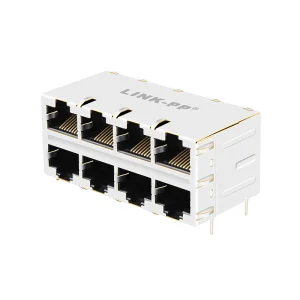
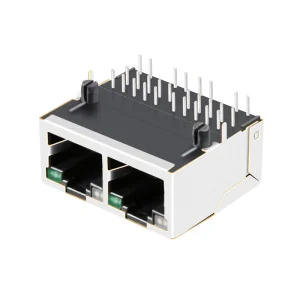
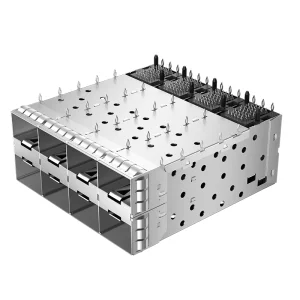
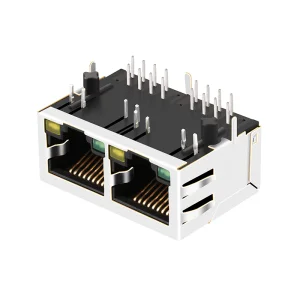
In modern cloud compute architectures, space is at a premium. SFP/SFP+ cage clusters combined with multi-port stacked RJ45 connectors with integrated magnetics enable high-density port spacing. By using 2x4 or 2x6 stacked ports, network switches can handle massive throughput without exceeding standard rack elevations.
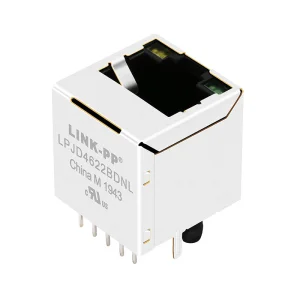
Industrial machinery generates continuous vibrations and elevated electromagnetic radiation. Heavy-duty shielded RJ45 bridge connectors with robust tab-down structures resist mechanical dislocation. The inner magnetic shielding prevents motors and drives from introducing packets of noise, preventing communication drops between PLCs and remote I/O terminals.
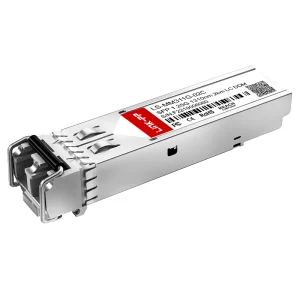
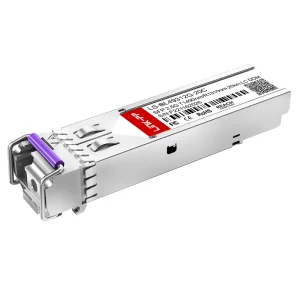
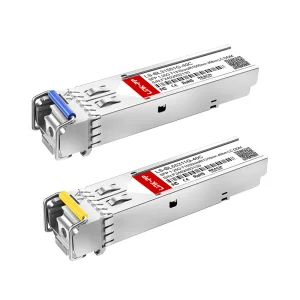
Outdoor telecom base stations must survive harsh environmental shifts. Wavelength Division Multiplexing (WDM) transceivers, such as Bidi SFP modules, utilize single-mode fiber to transmit signals up to 40km over a single strand. This reduces installation complexity and optimizes fiber path configurations for remote nodes.
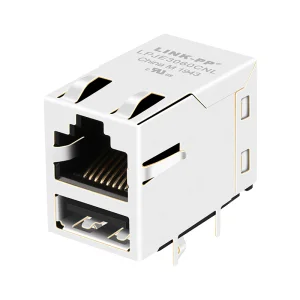
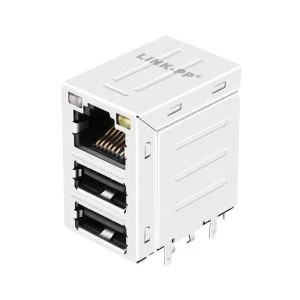
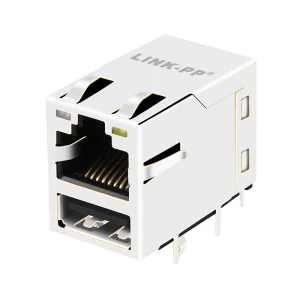
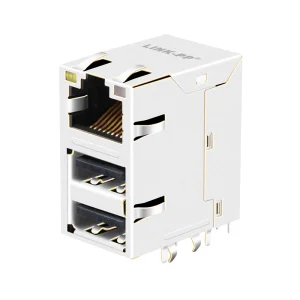
Integrating USB interfaces beside standard Ethernet ports, as seen in custom RJ45/USB combo connectors, simplifies board design for IoT gateways. This integration consolidates serial data inputs, local power connections, and WAN uplink capability into a single, compact mechanical element.
A: Standard RJ45 jacks provide only direct galvanic connection paths, relying on external, discrete magnetic blocks on the PCB for signal isolation. An RJ45 connector with integrated magnetics (often termed an RJm or MagJack) incorporates miniature isolation transformers, common-mode chokes, and conditioning resistors directly inside the shielded connector housing. This saves board space, improves EMI shielding, and provides reliable common-mode noise suppression.
A: Gold is highly resistant to oxidation and wear. For light consumer electronics, 3u" to 6u" flash gold is acceptable. However, for industrial telecommunications, enterprise servers, and heavy industrial controls, standard requirements range from 15u" to 50u" gold plating. This higher thickness prevents contact degradation over hundreds of insertions and maintains low contact resistance in corrosive atmospheres.
A: As transmission frequencies enter the gigahertz range (such as in SFP+ 10G and QSFP28 100G interfaces), electromagnetic radiation from high-speed copper traces can pollute surrounding circuits, causing signal deterioration. EMI-shielded cages act as Faraday cages, isolating the modules. Press-fit pins and grounding fingers establish solid paths to the chassis ground, mitigating radiative interference.
A: Yes. Transolix supports full firmware and hardware customization. This includes custom programming for compatibility with major OEM routing brands, tailoring center wavelengths, transmission distances up to 40km or 80km, and modifying internal optical transceiver form factors to match specific physical space constraints.
A: Standard production run lead times average 3 to 5 weeks depending on component specifications. All products undergo automated optical testing, eye diagram verification, and 100% optical performance verification. Our ISO 9001:2015 tracking system monitors materials from incoming components to packaged modules, keeping failure rates low (typically <100 PPM).
 Transolix